
Damage Restoration in New York, NY
- Damage Restoration Services Overview
- Common Damage Restoration Issues in New York, New York
- Neighborhoods We Serve in New York
- Seasonal Damage Patterns in New York
- Housing Characteristics & Restoration Considerations
- Environmental Conditions & Damage Implications
- Working Within NYC Buildings: Access, Compliance, and Multi-Unit Coordination
Damage Restoration Services Overview
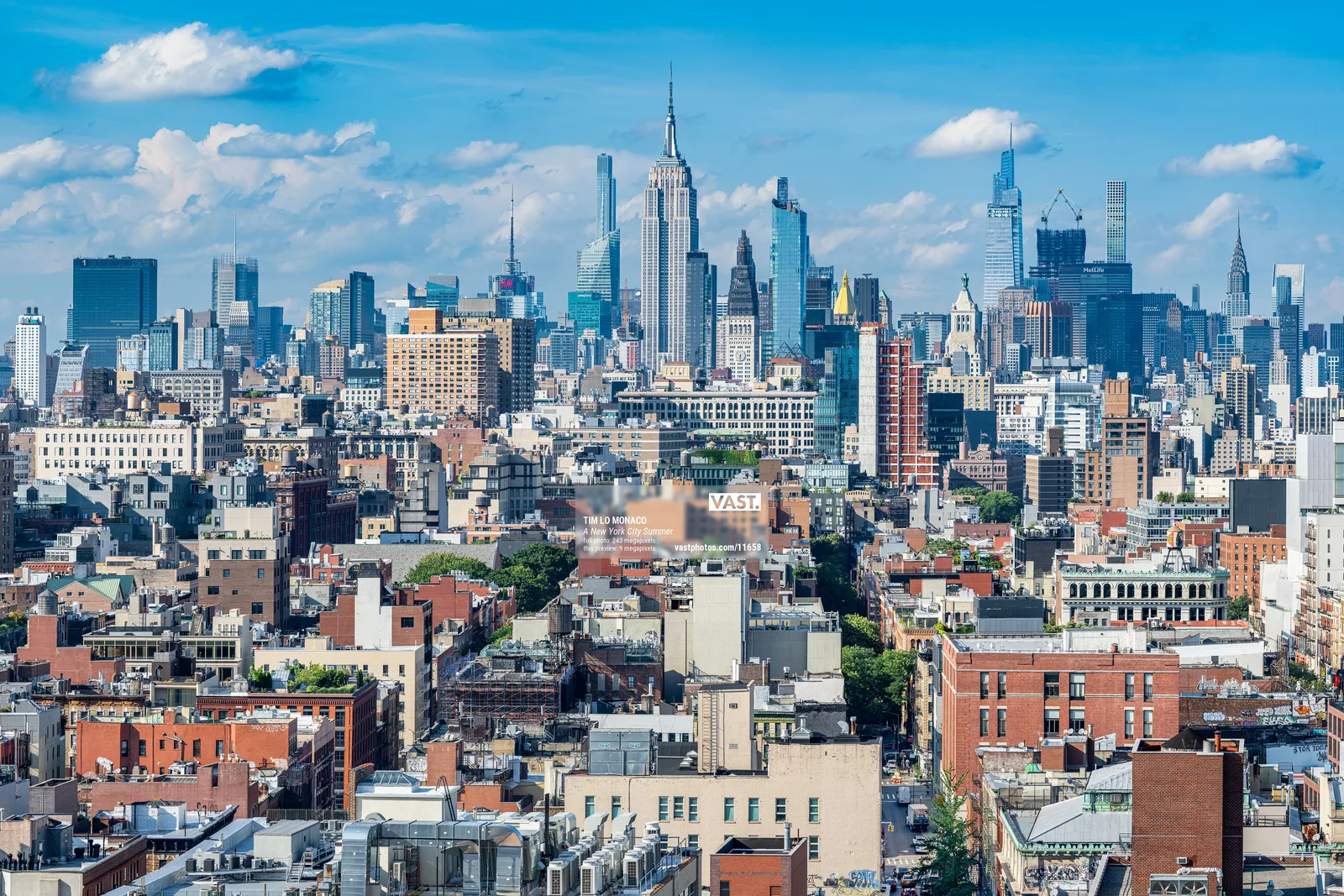
New York City property owners face restoration challenges that rarely appear in suburban markets: century-old riser stacks, shared party walls, co-op boards, building superintendents, and losses that spread vertically through multiple units before anyone notices. A single burst supply line on a twelfth floor can saturate four apartments below it within minutes.
Restoration across the five boroughs and the surrounding metro area covers a full spectrum of loss types:
- Water Damage Restoration - moisture mapping, structural assessment, containment, and controlled structural drying after pipe breaks, appliance failures, roof leaks, and sprinkler discharges
- Flooded Basement - extraction and drying of cellars, garden-level units, mechanical rooms, and sub-grade storage areas
- Sewage Cleanup - handling of Category 3 contaminated water from backed-up building drains and municipal main surcharges
- Fire Damage Restoration - emergency board-up, debris removal, structural repairs, and full reconstruction
- Smoke Damage Restoration - odor neutralization, soot removal from finishes and contents, and duct cleaning
- Mold Removal - microbial contamination evaluation, containment, material removal, and post-remediation clearance
The benefit of coordinated service is scope control. When one team handles mitigation, remediation, and reconstruction, documentation stays consistent for insurance carriers and building management, and tenants return to occupied space sooner.
Common Damage Restoration Issues in New York, New York
Density and building age drive most losses here. Aging cast iron drain lines, galvanized supply piping, and steam heating systems installed generations ago fail without warning, and the water travels through shafts and floor assemblies rather than staying put.
Frequent Causes of Loss
- Frozen or burst pipes in exterior walls and unheated stairwells during January cold snaps
- Steam radiator and boiler failures in prewar walk-ups and brownstones
- Roof and parapet leaks on flat-roofed buildings after heavy rain or ice damming
- Sewage backups when combined sewer systems surcharge during intense storms
- Cellar and garden-apartment flooding from hydrostatic pressure and street runoff
- Kitchen fires in tight apartment layouts, plus electrical faults in older panel and wiring systems
- Smoke migration through shared corridors, elevator shafts, and HVAC returns
Warning Signs Worth Acting On
- Bubbling or blistering paint on ceilings below bathrooms and kitchens
- Musty odor in closets, behind furniture, or near baseboards
- Efflorescence - white powdery residue - on cellar masonry walls
- Recurring drain gurgling or slow floor drains in basements
- Sooty film on windowsills or a persistent burnt odor after a nearby fire
- Warped hardwood, cupping planks, or soft spots underfoot
Small signs escalate quickly in humid interiors. Mold colonization can begin within a day or two on wet drywall, paper-faced gypsum, and untreated wood framing, which is why moisture readings matter more than what a surface looks like.
Neighborhoods We Serve in New York
Response covers all five boroughs and the broader metropolitan region, with crews familiar with building access rules, freight elevator scheduling, and after-hours protocols in each area.
- Manhattan - Upper East Side, Upper West Side, Harlem, Washington Heights, Chelsea, Greenwich Village, SoHo, Tribeca, Financial District, Murray Hill, Midtown
- Brooklyn - Park Slope, Brooklyn Heights, Williamsburg, Bushwick, Bay Ridge, Flatbush, Bed-Stuy, Sunset Park, Canarsie
- Queens - Astoria, Long Island City, Flushing, Jackson Heights, Forest Hills, Jamaica, Rockaway Peninsula
- The Bronx - Riverdale, Fordham, Throgs Neck, Pelham Bay, Mott Haven
- Staten Island - St. George, Tottenville, Great Kills, New Dorp
- Surrounding areas - Nassau and Suffolk County on Long Island, Westchester, Rockland, and northern New Jersey communities
Service extends upstate as well, including Buffalo, Plattsburgh, and points across New York State.
Seasonal Damage Patterns in New York
Loss types follow a fairly predictable calendar in the metro area.
- December through February - peak season for frozen and burst pipes, steam system failures, ice damming on flat roofs, and heating-related fire damage. Space heaters and overloaded circuits drive residential fires.
- March and April - thaw cycles and spring rain push water through foundation cracks and window wells, producing flooded basement calls in brownstones and garden apartments.
- May through August - humidity climbs, and mold removal demand rises sharply in cellars, crawlspaces, and units with underperforming air conditioning. Thunderstorms overwhelm combined sewers, triggering sewage cleanup work.
- September and October - tropical systems and nor'easters bring wind-driven rain, roof leaks, and coastal surge along the Rockaways, southern Brooklyn, and Staten Island shorelines.
- November - the first hard freeze exposes unwinterized lines, and smoke damage claims begin rising as heating systems and fireplaces return to use.
Year-round, appliance failures - dishwashers, washing machines, water heaters - remain a constant source of multi-unit water losses regardless of the calendar.
Housing Characteristics & Restoration Considerations
The housing stock here skews old. A large share of New York City residential buildings predate World War II, and prewar construction shapes nearly every restoration scope.
Common Construction Types
- Prewar tenements and walk-ups - masonry exterior walls, wood joist floors, lath-and-plaster interiors that hold moisture and resist fast drying
- Brownstones and rowhouses - shared party walls, cellar levels below grade, decorative plaster and millwork requiring careful salvage
- Postwar high-rises and co-ops - concrete slabs, stacked plumbing risers, and losses that migrate downward through multiple units
- Multifamily and NYCHA-style buildings - long corridors, shared ventilation, and tenant coordination requirements
- Outer-borough single-family homes - Staten Island and Queens frame construction with finished basements vulnerable to flooding
How Age Affects Scope
- Lead paint and asbestos are common in pre-1980 buildings, so abatement often precedes demolition or drying
- Plaster assemblies and multiple flooring layers trap moisture and require cavity drying or controlled removal
- Original cast iron drains fail at joints, producing sewage backups into cellars
- Limited elevator access and narrow stairwells affect equipment staging and debris removal
- Fire and smoke restoration frequently involves structural repairs, emergency board-ups, and reconstruction phased so tenants return in stages
Documentation matters more in shared buildings. Moisture logs, photos, and daily readings support claims involving multiple insurers, boards, and unit owners.
Environmental Conditions & Damage Implications
New York sits in a humid continental climate with hot, sticky summers and freeze-thaw winters - a combination that stresses buildings from both directions.
Climate and Moisture
- Summer dew points regularly support mold growth in unconditioned cellars and storage rooms
- Winter freeze-thaw cycling opens masonry joints and cracks foundation walls, creating water entry points
- Roughly 45 to 50 inches of annual precipitation, with heavy short-duration downpours becoming more common
Soil and Groundwater
- Manhattan schist and shallow bedrock in upper Manhattan and parts of the Bronx limit drainage and push water sideways into cellars
- Glacial outwash sand and fill in Brooklyn, Queens, and along the waterfront allow high groundwater tables that stress below-grade slabs
- Historic landfill areas near the harbor hold moisture against foundations year-round
Air and Water Quality
- Urban particulates already load HVAC systems, so smoke residue compounds existing contamination in ductwork
- Combined sewer overflow means storm surcharges carry biological contaminants into basements, requiring full Category 3 protocols
- Salt air along Rockaway, Coney Island, and Staten Island shorelines accelerates corrosion on fire-damaged metal and mechanical equipment
These conditions shape drying strategy. Dehumidification targets, containment design, and material removal decisions all shift based on groundwater, humidity, and contamination category.
Working Within NYC Buildings: Access, Compliance, and Multi-Unit Coordination
Restoring a property in New York City involves more than equipment and technique. It involves people - supers, managing agents, board members, tenants, and adjusters - who all need to agree on scope and timing before work proceeds.
What Coordination Typically Involves
- Building notification - contacting the superintendent or managing agent to confirm shutoff locations, freight elevator hours, and insurance certificate requirements
- Source control - stopping the intrusion, whether that means isolating a riser, capping a line, or clearing a blocked stack
- Category and class determination - classifying water as clean, gray, or contaminated, which dictates whether sewage cleanup protocols and PPE apply
- Moisture mapping - thermal imaging and meter readings across affected units, including neighbors who may not realize they were hit
- Containment and abatement - negative air, poly barriers, and lead or asbestos testing before any demolition in older buildings
- Structural drying - staged equipment placement with daily readings logged for the carrier
- Remediation and reconstruction - mold clearance where applicable, then repairs phased to restore occupancy in sections
Regulatory Points That Shape the Job
- New York State licensing requirements govern mold assessment and remediation, and the assessor and remediator must remain independent parties
- DOB permits may be required once reconstruction moves past cosmetic repair into structural work
- Pre-1978 buildings trigger lead-safe work practices during demolition of painted surfaces
- Asbestos surveys are frequently required before disturbing older flooring, pipe insulation, or joint compound
Fire and smoke losses add another layer, since soot travels far beyond the burn area through shafts and returns. Duct cleaning, contents processing, and odor treatment are often continuous efforts rather than one-time tasks, carried out while occupied portions of the building stay in use.





