Damage Restoration in Oneida County, NY
- Damage Restoration Services Overview
- Common Damage Restoration Issues in Oneida County, New York
- Neighborhoods We Serve in Oneida County
- Seasonal Damage Patterns in Oneida County
- Housing Characteristics & Restoration Considerations
- Environmental Conditions & Damage Implications
- Storm Recovery, Insurance Claims, and Assistance Programs in Oneida County
Damage Restoration Services Overview
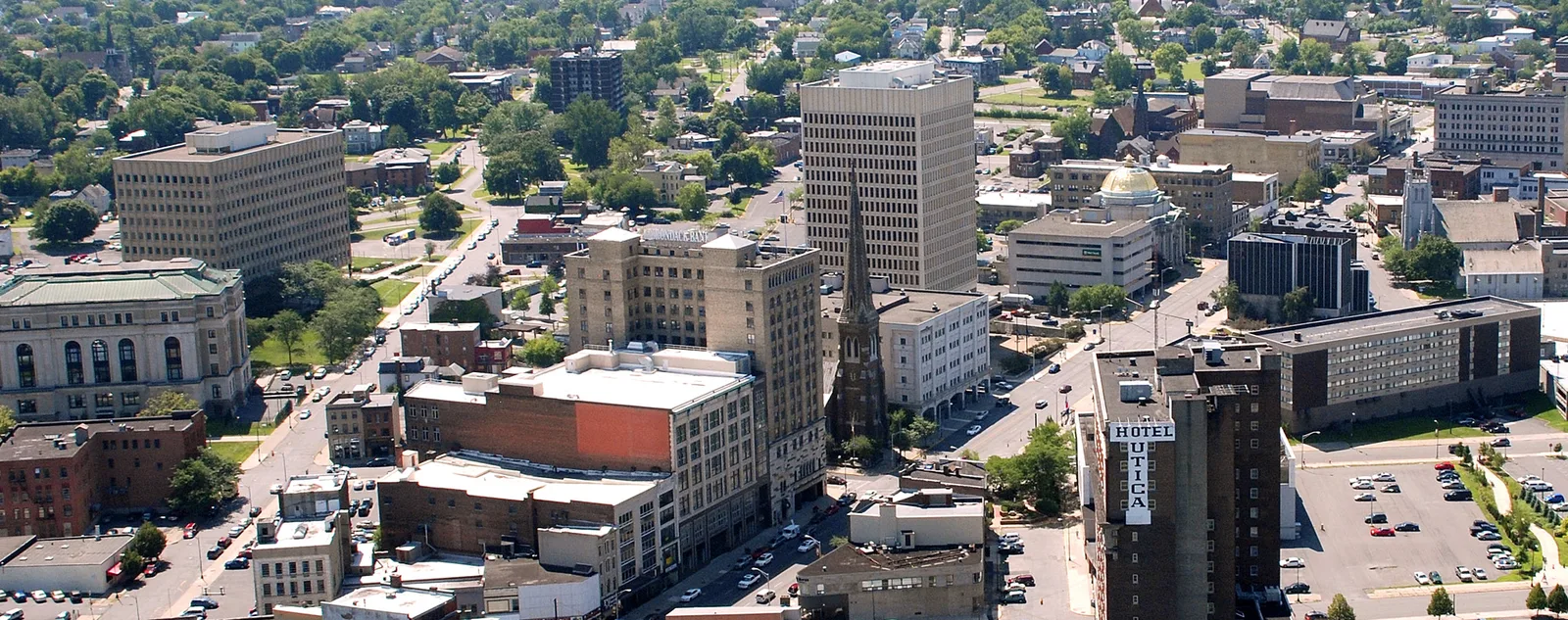
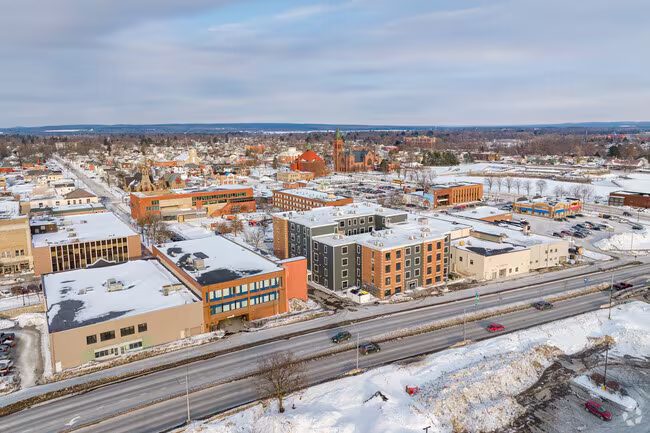
Oneida County sits in a corner of Central New York where lake-effect snow, Mohawk River flooding, and severe summer storms all converge. That combination puts homes and businesses from Utica to Rome to Camden under pressure year-round, and property damage here rarely arrives politely or on schedule.
Oneida trusts RestoPros of Syracuse-Utica-Rome for fast water, mold, fire, and storm damage restoration. Crews are available 24/7, so calling immediately after a loss shortens the window in which damage can spread.
- Water Damage Restoration - extraction, structural drying, and moisture mapping after pipe breaks, appliance failures, ice dams, and roof leaks.
- Flooded Basement Cleanup - pumping standing water, drying foundation walls, and salvaging stored contents in older cellars.
- Sewage Cleanup - containment, removal of contaminated porous materials, and antimicrobial treatment after backups or septic failures.
- Fire Damage Restoration - board-up, debris removal, soot cleaning, and structural stabilization.
- Smoke Damage Restoration - odor neutralization, HVAC cleaning, and contents cleaning for items touched by smoke but not flame.
- Mold Removal - containment barriers, HEPA filtration, and removal of colonized materials.
Key benefits for county residents include documented moisture readings for insurance claims, coordinated structural repairs, and one point of contact from the first phone call through final reconstruction.
Common Damage Restoration Issues in Oneida County, New York
Local geography drives most of what restoration crews see here. Snowmelt feeding the Mohawk River, aging municipal sewer lines in the urban cores, and a heating season that runs half the year all contribute.
Frequent Causes of Loss
- Frozen and burst supply lines in unheated crawlspaces, garages, and vacant second floors
- Ice dams forcing meltwater under shingles and into attic insulation
- Spring snowmelt and river flooding overwhelming basement drains and sump systems
- Sewer backups when heavy rain infiltrates combined municipal lines in Utica and Rome
- Septic saturation on rural lots in Boonville, Camden, and the Tug Hill foothills
- Chimney, wood stove, and space heater fires during long winters
- Tornado and severe storm damage, which has already prompted state emergency funding for demolition work in Oneida County and the City of Rome
Warning Signs Worth Acting On
- Musty odors in basements that persist after the space appears dry
- Cupping hardwood, bubbling paint, or drywall tape separating near floor lines
- White efflorescence or dark staining on block foundation walls
- Gurgling floor drains or slow-draining fixtures before a full backup
- Lingering smoke odor that intensifies on humid days weeks after a small fire
- Visible growth behind baseboards, under carpet padding, or around window casings
Damage documentation matters locally, too - Oneida County Emergency Services has partnered with NYS Division of Homeland Security and Emergency Services on self-report damage surveys to record storm impacts for recovery planning. Detailed photos and moisture logs from a restoration crew support both insurance claims and those reporting efforts.
Neighborhoods We Serve in Oneida County
Service covers the full county footprint, from dense urban blocks to rural farm properties.
- Utica - Cornhill, East Utica, South Utica, Brewery District, and the Bagg's Square area
- Rome - downtown near West Dominick Street, Fort Stanwix vicinity, Ridge Mills, and Griffiss-area properties
- New Hartford, Whitesboro, Yorkville, and New York Mills - suburban subdivisions and Sauquoit Creek corridor homes
- Oneida and Vernon - residential streets and small commercial buildings
- Clinton, Kirkland, and Deansboro - historic village housing stock
- Camden, Boonville, Remsen, Holland Patent, and Barneveld - northern communities exposed to heavy lake-effect snow loads
- Waterville, Clayville, Bridgewater, and Sherrill - southern county farms and older homesteads
Surrounding Madison, Herkimer, and Lewis County properties are served as well, along with the greater Syracuse corridor.
Seasonal Damage Patterns in Oneida County
- December through February - peak frozen pipe season. Sub-zero stretches burst supply lines, and heating equipment, chimneys, and holiday cooking drive fire and smoke damage calls.
- Late February through March - ice dams reach their worst. Roof meltwater refreezes at eaves and backs into attics, ceilings, and exterior walls.
- March through May - snowmelt and spring rain saturate soils. Flooded basements, sump pump failures, and sewage backups spike as groundwater rises along the Mohawk and its tributaries.
- June through August - severe thunderstorms, high winds, and tornado risk bring roof breaches, tree strikes, and storm-driven water intrusion. Humidity accelerates mold growth in any space that stayed damp through spring.
- September through October - remnants of tropical systems can dump several inches of rain quickly. Mold discovered during fall cleaning is common.
- November - first hard freezes catch outdoor spigots and unwinterized camps and seasonal cabins.
Because mold follows every water event by roughly 24 to 48 hours, drying speed matters more than the calendar in each of these scenarios.
Housing Characteristics & Restoration Considerations
Oneida County has one of the older housing stocks in New York State. Utica and Rome are filled with late-1800s and early-1900s construction, while suburban expansion added mid-century ranches and split-levels, and newer subdivisions ring New Hartford and Whitesboro.
Construction Types and What They Mean
- Balloon-framed Victorians and four-squares - open wall cavities let water and smoke travel between floors, so drying and deodorization must address the whole vertical chase.
- Fieldstone and rubble foundations - porous and irregular, they hold moisture and require targeted drying rather than surface fans alone.
- Concrete block basements - hollow cores trap water; drilling weep holes is often necessary to dry cells properly.
- Plaster and lath walls - hold water longer than drywall and can often be dried in place with the right equipment instead of demolished.
- Knob-and-tube or aging wiring - a fire ignition source and a safety factor during water losses.
- Duplexes and multi-family homes - shared walls mean water, smoke, and odor cross into neighboring units quickly.
Restoration Implications
- Older homes may contain asbestos-wrapped pipes or lead paint, requiring testing before demolition of wet materials.
- Finished basements with paneling and carpet turn minor seepage into significant mold work.
- Cast iron and clay sewer laterals crack and root-intrude, raising sewage backup risk.
- Original woodwork and trim often justifies careful contents cleaning rather than replacement.
Environmental Conditions & Damage Implications
The county's humid continental climate produces cold, snow-heavy winters and warm, muggy summers - a pairing that stresses buildings from both directions.
Climate and Water
- Annual snowfall in northern communities near Tug Hill can be extreme, loading roofs and creating heavy meltwater volumes.
- Summer dew points regularly push indoor humidity past the 60 percent threshold where mold thrives.
- The Mohawk River, Oriskany Creek, Sauquoit Creek, and Nine Mile Creek all carry flood risk during rapid melt or heavy rain.
- Municipal water is generally hard, leaving scale that shortens the life of water heaters and supply connections.
Soil and Site Conditions
- Glacial till and clay-heavy soils drain slowly, holding hydrostatic pressure against foundation walls.
- Valley floors around Utica and Rome have high seasonal water tables, keeping sump pumps in near-constant use.
- Frost depth in this region drives deep footings, and freeze-thaw cycles widen foundation cracks over time.
Air Quality Effects
- Homes sealed tight for winter trap smoke residue, VOCs, and mold spores, making HEPA filtration and air scrubbing standard practice after fire and mold losses.
- Smoke odor bonds to cold surfaces during winter fires and re-releases when humidity rises in spring.
- Radon is present in parts of the region, so basement work should account for existing mitigation systems.
Storm Recovery, Insurance Claims, and Assistance Programs in Oneida County
Recent tornado and severe storm events have reshaped how many county residents think about restoration. State response included up to $4 million in emergency funding for Oneida County and the City of Rome to support demolition of unsafe and unstable structures, and a previously awarded $2 million Restore New York grant tied to 233 West Dominick Street in Rome was authorized for demolition and redevelopment of that site.
Homeowner Assistance Context
- Up to $5 million in state funds has been made available for low- and moderate-income homeowners in Oneida, Madison, Lewis, Chautauqua, Erie, Essex, and Warren Counties.
- Emergency repair grants of up to $50,000 have been offered to qualifying homeowners with damage to a primary residence.
- New York State Homes and Community Renewal oversees these grants, with awards based on a scope of work approved by local administrators.
- Oneida County Emergency Services, alongside NYS Division of Homeland Security and Emergency Services Individual Assistance, has requested self-report damage survey data purely to assess impact - that information is not shared with outside agencies.
How Documentation Supports Your Claim
- Photograph damage before anything is moved, including serial numbers on damaged appliances and mechanicals.
- Call for emergency service so containment, extraction, and board-up begin promptly.
- Request written moisture readings, drying logs, and daily atmospheric data from the restoration crew.
- Keep an inventory of damaged contents, separating salvageable items sent for contents cleaning from total losses.
- Track out-of-pocket categories your adjuster may address, such as relocation costs, tree removal, dumpster rentals, electrical hook-ups, and home security measures.
- Share scope documents with your insurer and any local grant administrator handling your application.
Restoration services in Oneida include water damage cleanup, fire damage cleanup, mold removal, storm damage restoration, contents cleaning, and structural repair - coordinated so that emergency response and long-term rebuilding follow a single, well-documented plan.