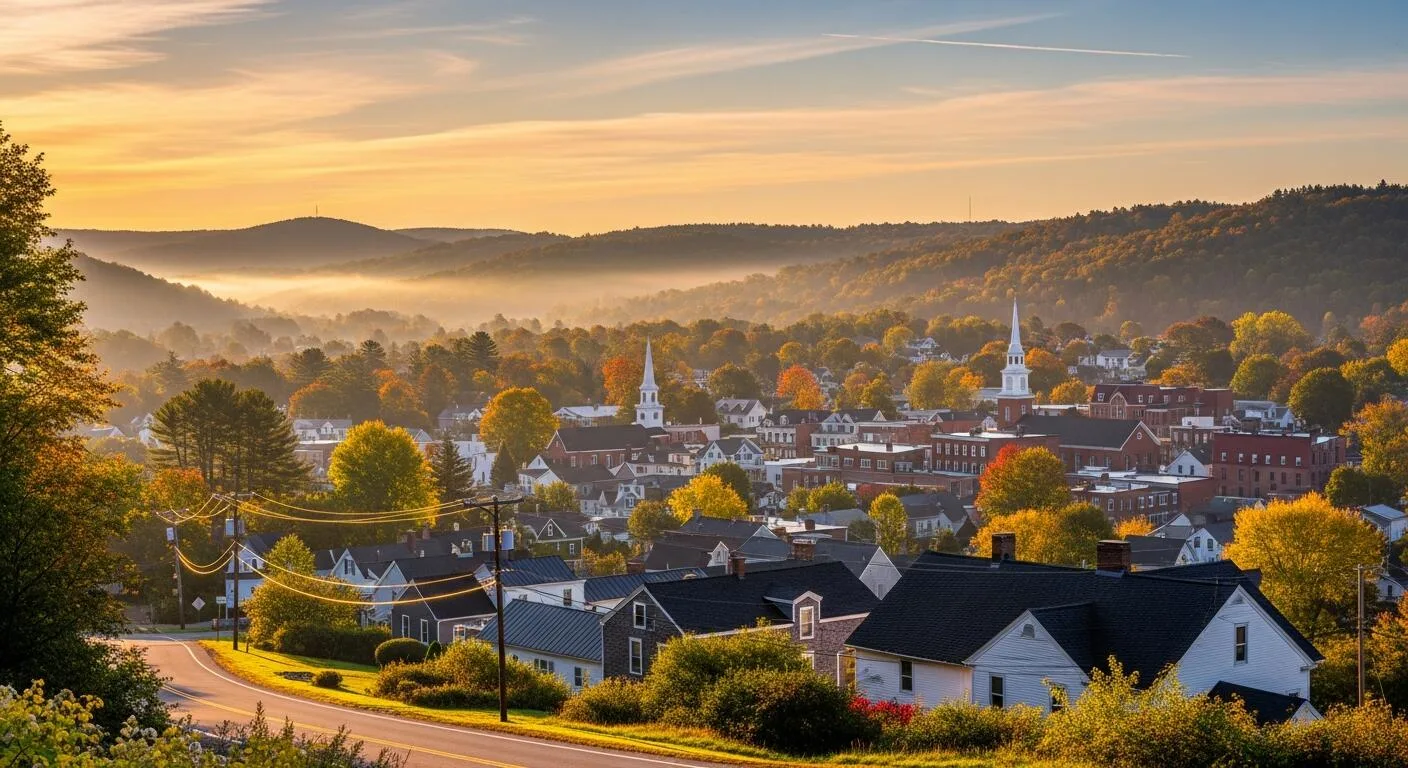
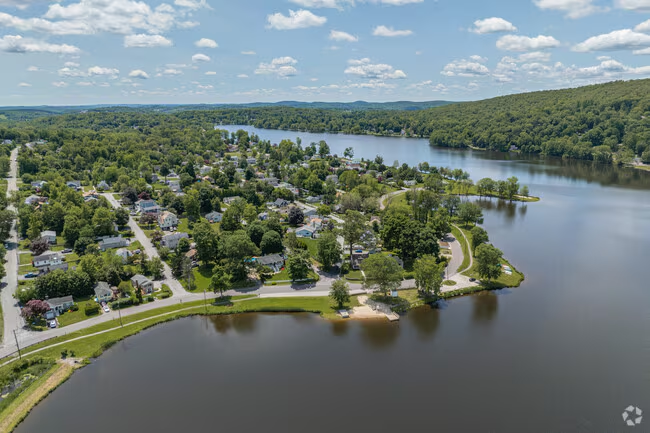
Damage Restoration in Putnam County, NY
- Damage Restoration Services Overview
- Common Damage Restoration Issues in Putnam County, New York
- Neighborhoods We Serve in Putnam County
- Seasonal Damage Patterns in Putnam County
- Housing Characteristics & Restoration Considerations
- Environmental Conditions & Damage Implications
- Handling Septic Backups and Well-Water Properties in Putnam County
Damage Restoration Services Overview
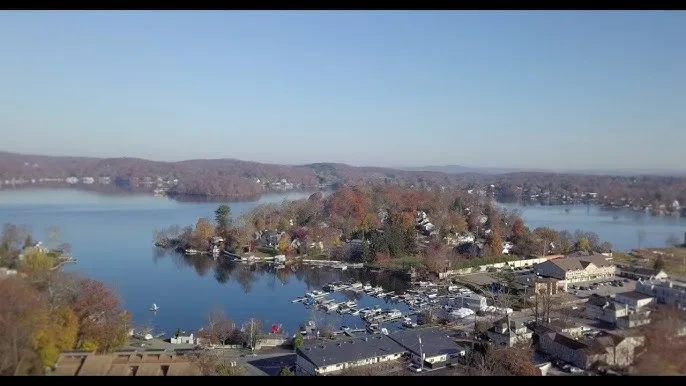
Putnam County sits in the Hudson Highlands, where granite ridges, reservoir watersheds, and heavily wooded lots shape how water moves - and where it collects. Homes here range from 1800s farmhouses in Kent to lakefront cottages around Lake Mahopac and newer colonial subdivisions off Route 6, and each type reacts differently when water, fire, or smoke arrives.
Restoration work in this county calls for crews who know septic systems, well water, stone foundations, and long private driveways that complicate equipment access.
Services available across the county include:
- Water Damage Restoration - burst supply lines, failed water heaters, ice dam leaks, appliance overflows
- Flooded Basement - sump pump failure, hydrostatic seepage, storm surge through window wells
- Sewage Cleanup - septic backups, drain line failures, contaminated category three water
- Fire Damage Restoration - structural cleaning, debris removal, controlled demolition, rebuild
- Smoke Damage Restoration - soot removal, odor neutralization, HVAC and content cleaning
- Mold Removal - containment, air filtration, affected material removal, moisture source correction
Key benefits for local homeowners and business owners:
- Rapid response that limits secondary damage and mold growth
- Documentation that supports insurance claims
- Removal of damaged walls, insulation, baseboards, casings, carpeting, flooring, and beams
- Craftsmen who rebuild and restore finishes rather than leaving an empty shell
Common Damage Restoration Issues in Putnam County, New York
Terrain drives much of the damage seen here. Bedrock close to the surface pushes stormwater sideways toward foundations instead of letting it drain down.
Frequent Causes of Loss
- Burst pipes in unheated crawlspaces, garages, and seasonal lake homes during deep freezes
- Sump pump failure during power outages caused by nor'easters and summer thunderstorms
- Septic backups when saturated leach fields cannot accept flow, sending sewage into lower-level fixtures
- Ice damming on older roofs with limited attic insulation, soaking ceilings and wall cavities
- Chimney and wood stove fires in homes that rely on supplemental heat through long winters
- Kitchen grease fires that spread soot and odor through open floor plans and ductwork
- Hidden mold behind finished basement paneling, under vinyl plank flooring, and in wall cavities
Warning Signs Worth Acting On
- Musty odor that intensifies after rain or when the HVAC system cycles
- Efflorescence, chalky white staining, or bubbling paint on foundation walls
- Slow drains, gurgling toilets, or wet spots over the septic field
- Cupping hardwood, soft baseboards, or carpet tack strips pulling loose
- Persistent smoke odor weeks after a small kitchen or fireplace incident
- Unexplained increases in humidity readings on a lower level
Small leaks rarely stay small in this climate. Wall cavities in Putnam County homes hold moisture long enough for mold colonies to establish quickly once temperatures rise.
Neighborhoods We Serve in Putnam County
Coverage extends across the county's six towns and the villages, hamlets, and lake communities within them.
- Carmel and Mahopac - Lake Carmel, Lake Secor, Mahopac Falls, and neighborhoods along Route 6N
- Brewster and Southeast - Village of Brewster, Brewster Hill, Milltown, and areas near the Croton Falls Reservoir
- Cold Spring and Philipstown - Nelsonville, Garrison, Continental Village, and North Highlands
- Kent - Kent Cliffs, Kent Lakes, Ludingtonville, and White Pond
- Patterson - Putnam Lake, Towners, and the Route 22 corridor
- Putnam Valley - Oscawana Lake, Lake Peekskill, Roaring Brook Lake, and Adams Corners
Surrounding response areas include northern Westchester, eastern Dutchess County, and Orange County communities across the Hudson. Local familiarity matters when a call comes in at 2 a.m. and the address sits at the end of a steep gravel drive.
Seasonal Damage Patterns in Putnam County
Winter (December - February)
- Frozen and burst pipes in exterior walls and unheated seasonal properties
- Ice dams pushing meltwater under shingles into ceilings
- Heating-related fires from furnaces, wood stoves, space heaters, and chimneys
- Smoke and soot damage from puffbacks in oil-fired boilers
Spring (March - May)
- Snowmelt plus rain overwhelming sump pumps and flooding basements
- Saturated ground triggering septic backups and sewage cleanup calls
- First mold growth of the year as temperatures climb above damp materials
Summer (June - August)
- Severe thunderstorms, downed trees, and outages that stop sump pumps
- Tropical remnants delivering heavy rainfall to Hudson Highlands watersheds
- Peak mold season driven by high humidity and air conditioning condensation
- Grill, fire pit, and electrical fires around outdoor living spaces
Fall (September - November)
- Leaf-clogged gutters diverting water against foundations
- Nor'easters producing wind-driven rain intrusion
- Chimney fires as fireplaces return to use after months idle
Housing Characteristics & Restoration Considerations
Putnam County's housing stock skews older than much of the Hudson Valley, with a large share built before 1980 and a meaningful number predating 1940.
Common Construction Types
- Stone and fieldstone foundations in antique farmhouses - porous, prone to seepage, difficult to fully dry
- Poured concrete and block basements in postwar and 1970s-90s homes - cracks at cold joints and tie holes
- Converted lake cottages around Mahopac, Putnam Lake, and Oscawana - shallow crawlspaces, limited vapor barriers
- Split-levels and raised ranches with finished lower levels holding carpet, paneling, and drywall at floor level
- Newer colonials with tighter envelopes that trap moisture and circulate smoke odor efficiently
How Age Affects Restoration
- Plaster and lath hold water far longer than modern drywall and need targeted drying
- Balloon framing lets water and smoke travel vertically between floors undetected
- Pre-1980 materials may contain asbestos or lead, requiring testing before demolition
- Private wells and septic systems mean sewage cleanup includes system assessment, not just interior work
- Knob-and-tube or aging wiring raises fire risk and complicates post-loss rebuild scope
Restoration on these properties often involves removing damaged walls, insulation, baseboards, casings, carpeting, flooring, and beams - then rebuilding with materials that match original millwork and trim profiles.
Environmental Conditions & Damage Implications
The county averages roughly 48 inches of precipitation annually, spread fairly evenly across the year, with snowfall totals that regularly exceed 30 inches.
Climate Factors
- Humid continental pattern with hot, sticky summers and freeze-thaw winters
- Summer indoor humidity that pushes past the 60 percent threshold where mold thrives
- Repeated freeze-thaw cycles that widen foundation cracks season after season
Soil and Water Conditions
- Shallow bedrock and glacial till limit infiltration and raise hydrostatic pressure on basement walls
- Rocky, clay-heavy soils slow septic drainage and increase backup risk after storms
- New York City watershed reservoirs and wetlands keep local groundwater tables high
- Mineral-rich well water can stain surfaces and complicate cleaning after a loss
Air Quality Considerations
- Heavy tree canopy contributes elevated outdoor mold spore counts from spring through fall
- Wood smoke from residential heating settles in valleys during winter inversions
- Wildfire smoke drifting from Canada has affected regional air quality in recent summers
These conditions shape the approach: dehumidification sized for high ambient moisture, containment during mold removal so spores do not spread through the home, HEPA filtration during smoke damage restoration, and moisture mapping that follows water into stone and framing rather than stopping at the visible edge.
Handling Septic Backups and Well-Water Properties in Putnam County
A large share of Putnam County homes operate on private septic systems and drilled wells rather than municipal utilities. That single fact changes how sewage cleanup, water damage restoration, and mold removal have to be handled here.
Why Septic Losses Demand Extra Care
- Backed-up water is category three - it carries bacteria, viruses, and other pathogens
- Porous materials that contact it, including carpet, pad, drywall, and insulation, cannot be salvaged
- Contamination wicks upward inside wall cavities well above the visible waterline
- A failing leach field will cause repeat losses until the underlying system is corrected
A Thorough Response Sequence
- Stop the source and confirm the system is not actively discharging into the structure
- Establish containment and negative air pressure so contaminants stay in the affected zone
- Extract standing water and remove all porous materials back to clean, sound substrate
- Clean and apply antimicrobial treatment to framing, subfloor, and hard surfaces
- Set drying equipment and monitor moisture readings daily until materials reach dry standard
- Address well contamination concerns and coordinate testing where flooding reached the wellhead
- Rebuild flooring, walls, trim, and finishes to pre-loss condition
Details That Get Missed
- Sill plates and rim joists that stay damp behind newly installed insulation
- Ductwork running through a flooded lower level, which can distribute odor and spores
- Stair stringers and framing under carpeted basement steps
- Contents stored in cardboard directly on concrete floors
- Sump pits that need cleaning and disinfection alongside the living space
Documenting moisture readings, photographing every affected area, and recording each material removed gives homeowners the record their insurance adjuster needs - and keeps the scope honest from start to finish.