Damage Restoration in Rockland, NY
- Damage Restoration Services Overview
- Common Damage Restoration Issues in Rockland, New York
- Neighborhoods We Serve in Rockland
- Seasonal Damage Patterns in Rockland
- Housing Characteristics & Restoration Considerations
- Environmental Conditions & Damage Implications
- Storm Damage Preparedness & Recovery in Rockland County
Damage Restoration Services Overview
Professional damage restoration brings peace of mind when disaster strikes your Rockland home or business. Quick response and expert techniques can mean the difference between minor repairs and major reconstruction, protecting both your property value and your family's health.
Our comprehensive restoration services address every type of property damage common in Rockland County:
- Water Damage Restoration - From burst pipes to storm flooding, rapid water extraction and structural drying
- Flooded Basement - Complete basement water removal, dehumidification, and waterproofing solutions
- Sewage Cleanup - Safe removal of contaminated water with proper sanitization protocols
- Fire Damage Restoration - Structural repairs, content cleaning, and complete property rehabilitation
- Smoke Damage Restoration - Odor elimination, soot removal, and air quality restoration
- Mold Removal - Professional remediation using containment and specialized equipment
Using specialist pumps and advanced damp reduction services, we help dry your home thoroughly while preventing secondary damage. Our approach combines rapid response with meticulous attention to detail, addressing both visible damage and hidden moisture that could cause future problems.
Common Damage Restoration Issues in Rockland, New York
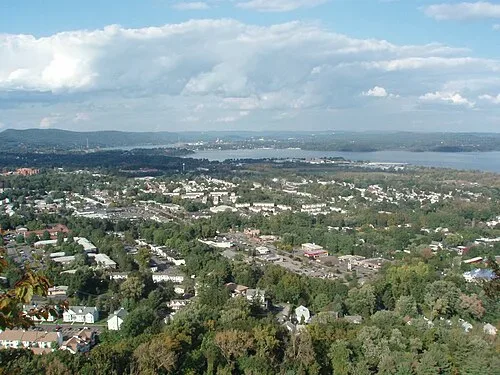
Rockland County's location along the Hudson River and varied topography creates unique challenges for property owners. The area's mix of older homes and modern construction means different vulnerabilities to various types of damage.
Most frequent restoration issues include:
- Basement flooding from heavy rainfall overwhelming drainage systems
- Sewage backups during storm events when municipal systems reach capacity
- Water damage from aging plumbing in historic homes throughout the county
- Mold growth in humid conditions, especially in basements and crawl spaces
- Fire damage from heating system issues during cold months
- Smoke damage from wildfires or neighboring property fires
Warning signs Rockland residents should watch for:
- Musty odors indicating hidden moisture or mold growth
- Water stains on walls or ceilings suggesting ongoing leaks
- Warped flooring or bubbling paint from water infiltration
- Persistent smoke smells after any fire incident
- Sewage odors from drains during heavy rain periods
The county's proximity to major transportation routes also increases fire risks, while the Hudson Valley's humidity levels create ideal conditions for mold development when moisture problems go unaddressed.
Neighborhoods We Serve in Rockland
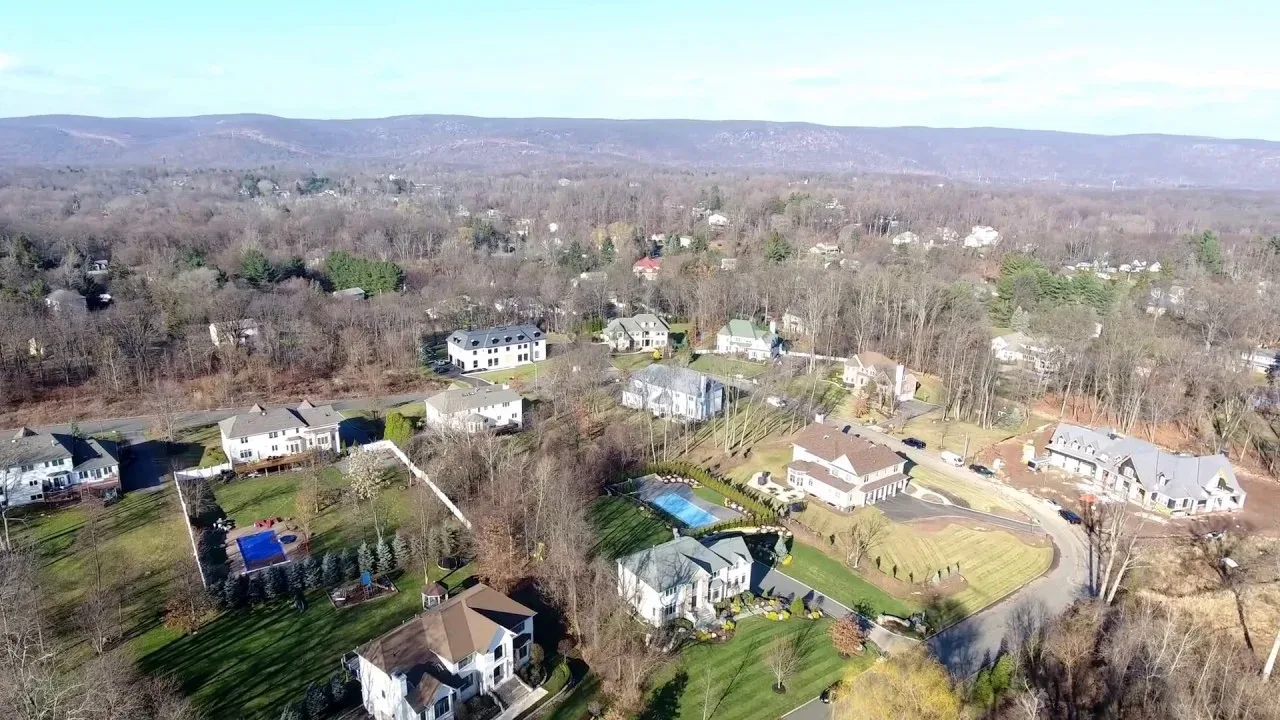
Our restoration services cover all of Rockland County's diverse communities, from riverside villages to suburban developments. We serve major population centers including:
- Spring Valley - Mixed residential and commercial properties
- New City - Suburban homes and county government buildings
- Nyack - Historic riverside community with older housing stock
- Pearl River - Established neighborhoods with varied construction types
- Suffern - Transit-oriented development near New Jersey border
- Monsey - Dense residential areas with unique architectural styles
- Haverstraw - Waterfront properties and hillside homes
- Clarkstown - Large suburban township including New City and Nanuet
We also provide services to smaller communities like Piermont, Orangeburg, Tappan, and Blauvelt, ensuring comprehensive coverage across the entire county.
Seasonal Damage Patterns in Rockland
Rockland County experiences distinct seasonal patterns that affect restoration needs throughout the year. Understanding these cycles helps property owners prepare for likely damage scenarios.
Spring (March-May):
- Heavy rainfall causes basement flooding and sewage backups
- Snowmelt creates water damage in lower-level spaces
- Mold growth accelerates with increased humidity
Summer (June-August):
- Severe thunderstorms bring water damage and power outages
- High humidity promotes mold development in poorly ventilated areas
- Wildfire smoke can affect air quality and indoor environments
Fall (September-November):
- Hurricane season brings potential flooding and wind damage
- Heating system startups can cause fire or smoke damage
- Leaf accumulation clogs drainage systems
Winter (December-February):
- Frozen pipes burst causing extensive water damage
- Ice dams create roof leaks and interior flooding
- Heating equipment failures increase fire risks
Housing Characteristics & Restoration Considerations
Rockland County's housing stock reflects decades of development, with construction spanning from pre-war homes to modern subdivisions. This variety creates different restoration challenges depending on building age and construction methods.
Older homes (pre-1970):
- Stone foundations prone to water infiltration requiring specialized basement restoration
- Plaster walls that retain smoke odors and require careful fire damage restoration
- Knob-and-tube wiring increasing fire risks and complicating electrical restoration
- Limited insulation allowing moisture penetration and mold growth
Modern construction (1970s-present):
- Concrete block foundations with better waterproofing but potential for settlement cracks
- Drywall construction that absorbs water quickly during flooding events
- Central HVAC systems that can spread smoke or mold throughout the structure
- Synthetic materials that produce toxic smoke during fires
The county's mix of single-family homes, townhouses, and apartment complexes also affects restoration approaches. Multi-unit buildings require containment protocols to prevent cross-contamination during mold removal or sewage cleanup. Historic districts like Nyack's downtown area need specialized techniques that preserve architectural integrity while addressing damage.
Many Rockland homes feature finished basements that are particularly vulnerable to water damage and mold growth due to below-grade construction and limited ventilation.
Environmental Conditions & Damage Implications
Rockland County's environmental conditions significantly influence damage patterns and restoration requirements. The Hudson Valley location creates a unique microclimate that affects moisture levels, air quality, and seasonal weather patterns.
Climate factors affecting restoration:
- Humid summers (70-80% relative humidity) accelerate mold growth after water damage
- Temperature fluctuations cause building materials to expand and contract, creating entry points for moisture
- Annual precipitation of 45+ inches increases flood risks and basement water problems
- Winter freeze-thaw cycles damage foundations and plumbing systems
Geographic influences:
- Proximity to Hudson River creates higher humidity levels in riverside communities
- Rolling terrain causes water to flow toward lower elevations during storms
- Clay soil conditions prevent proper drainage, leading to basement flooding
- Dense tree coverage increases fire risks during dry periods
Air quality considerations:
- Regional air patterns can carry wildfire smoke from distant locations
- Industrial activity in nearby areas affects indoor air quality after fires
- High pollen counts during spring months complicate air filtration during restoration
These environmental factors require restoration professionals to use specialized equipment including industrial dehumidifiers, air scrubbers, and moisture detection tools specifically calibrated for Hudson Valley conditions.
Storm Damage Preparedness & Recovery in Rockland County
Rockland County's position in the Hudson Valley makes it particularly susceptible to severe weather events that can cause multiple types of property damage simultaneously. From nor'easters to tropical storms, these weather systems often combine flooding, wind damage, and power outages that require comprehensive restoration approaches.
Multi-hazard storm impacts:
- Heavy rainfall overwhelms storm drains, causing sewage backups in lower-lying areas
- High winds damage roofing systems, allowing water infiltration into upper floors
- Power outages disable sump pumps, leading to basement flooding
- Downed trees can damage structures and create fire hazards from electrical lines
- Extended power loss allows mold growth to begin within 24-48 hours
Critical first response priorities:
- Safety assessment and hazard identification throughout the property
- Emergency water extraction using truck-mounted pumps and portable units
- Temporary roof tarping and board-up services to prevent further damage
- Rapid deployment of dehumidification equipment to prevent mold growth
- Documentation of all damage for insurance and restoration planning
The county's hospitality properties face unique challenges during storm events, as hotel water damage restoration requires maintaining guest safety while coordinating with multiple stakeholders. Every minute matters for these commercial properties, as extended closures affect both revenue and reputation.
Recovery efforts often involve coordinated services across multiple damage types. A single storm might require water extraction from flooded basements, smoke damage restoration from generator fires, and mold prevention measures throughout the structure. This integrated approach addresses both immediate damage and prevents secondary problems that could develop weeks or months later.