
Damage Restoration in Manhattan, NY
- Damage Restoration Services Overview
- Common Damage Restoration Issues in Manhattan, New York
- Neighborhoods We Serve in Manhattan
- Seasonal Damage Patterns in Manhattan
- Housing Characteristics & Restoration Considerations
- Environmental Conditions & Damage Implications
- Working With Co-Op Boards, Building Management, and Insurance in Manhattan
Damage Restoration Services Overview
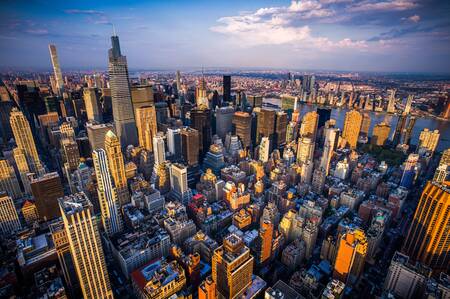
Water spreads through a Manhattan apartment or storefront in minutes, and the clock starts immediately. Within 24 to 48 hours, damp drywall and saturated flooring become breeding grounds for mold and bacteria, which is why fast extraction, drying, and disinfection matter so much in a dense city where units share walls, floors, and risers.
Certified restoration crews serving Manhattan handle the full range of emergencies around the clock, 365 days a year:
- Water Damage Restoration - burst pipes, toilet and sink overflows, appliance failures, roof leaks, and sprinkler discharges
- Flooded Basement - cellar and sub-grade level pump-outs for brownstones, walk-ups, and commercial storage areas
- Sewage Cleanup - backups from combined city sewers, ejector pump failures, and clogged building traps
- Fire Damage Restoration - structural cleaning, debris removal, board-up, and content recovery after kitchen or electrical fires
- Smoke Damage Restoration - soot removal, odor neutralization, and HVAC cleaning for units affected by fires next door or floors below
- Mold Removal - containment, remediation, and moisture-source correction in bathrooms, closets, and behind plaster walls
Key benefits for Manhattan property owners include reduced secondary damage, documented moisture readings for insurance claims, coordination with building management and co-op boards, and equipment sized for narrow hallways, freight elevators, and tight service entrances.
Common Damage Restoration Issues in Manhattan, New York
Manhattan's building stock and infrastructure create a distinct set of loss patterns that restoration crews see week after week.
Frequent Causes of Loss
- Aging cast iron and galvanized supply lines that split under pressure in prewar buildings
- Riser and stack leaks that travel down through multiple apartments before anyone notices
- Steam radiator and boiler failures during heating season
- Combined sewer backups during heavy rain, pushing wastewater into cellars and ground-floor drains
- Rooftop and parapet leaks that saturate top-floor ceilings
- Kitchen grease fires and electrical faults in older wiring, producing heavy smoke that migrates through shafts
- Failed washing machine hoses, dishwasher supply lines, and refrigerator ice makers
Warning Signs Worth Acting On
- Bubbling or peeling paint on plaster ceilings and walls
- A musty smell in closets, near baseboards, or around window air conditioner sleeves
- Dark staining at the base of bathroom tile or around tub surrounds
- Gurgling floor drains or slow-draining fixtures on lower levels, often the first hint of a sewer issue
- Soot filming on windowsills or a lingering smoke odor after a neighboring fire
- Warped hardwood, cupping planks, or loose parquet tiles
Because units are stacked and interconnected, a single leak rarely stays contained. Moisture mapping and thermal imaging help identify how far water traveled through wall cavities and shared floor assemblies before drying equipment is placed.
Neighborhoods We Serve in Manhattan
Coverage extends across the entire island, from the Battery to Inwood, including high-rise towers, prewar co-ops, brownstones, and mixed-use commercial buildings.
- Downtown: Financial District, Battery Park City, Tribeca, SoHo, Lower East Side, Chinatown, Greenwich Village, East Village, West Village
- Midtown: Chelsea, Flatiron, Gramercy, Murray Hill, Kips Bay, Hell's Kitchen, Midtown East, Turtle Bay, Hudson Yards
- Uptown: Upper West Side, Upper East Side, Lincoln Square, Yorkville, Morningside Heights, Manhattan Valley
- Northern Manhattan: Harlem, East Harlem, Hamilton Heights, Washington Heights, Inwood, Marble Hill
- Islands and edges: Roosevelt Island, Stuyvesant Town, Peter Cooper Village
Crews also respond to adjacent areas in the Bronx, Queens, and Brooklyn when a building portfolio spans boroughs, coordinating with supers, property managers, and board representatives on access and elevator scheduling.
Seasonal Damage Patterns in Manhattan
Loss types shift predictably through the year on the island.
- December through February: Frozen and burst pipes in unheated cellars, exterior walls, and vacant units. Ice damming on setbacks and roofs. Heating season also brings the year's highest volume of fire and smoke damage calls from space heaters, ovens, and overloaded circuits.
- March and April: Thaw cycles reveal winter pipe cracks. Spring rain overwhelms combined sewers, driving flooded basement and sewage cleanup requests.
- May and June: Rising humidity accelerates mold growth in areas that were damp all winter. Bathroom and closet remediation peaks.
- July and August: Air conditioner condensate overflows, clogged drain pans, and window unit leaks. Thunderstorms and flash flooding hit ground-floor retail and cellars.
- September and October: Tropical remnants and nor'easters bring the heaviest flooding events, particularly along the Hudson and East River edges.
- November: Boiler startup failures, radiator leaks, and the first cold-snap pipe breaks.
Housing Characteristics & Restoration Considerations
Manhattan's residential stock skews old. A large share of buildings predate 1940, and many tenement-era walk-ups date to the late 1800s. That age shapes every restoration decision.
Common Construction Types
- Prewar co-ops and brownstones: Lath-and-plaster walls, wood-framed floors, and horsehair plaster that holds moisture far longer than modern drywall
- Tenement walk-ups: Narrow stairwells, no freight elevator, cellar-level utilities prone to flooding
- Postwar high-rises: Concrete slabs, gypsum board partitions, and shared plumbing risers that spread water vertically
- Loft conversions: Timber beams, exposed brick, and open floor plates that let smoke and soot travel unimpeded
- New luxury towers: Curtain wall systems, in-slab radiant heat, and sprinkler networks where a single head discharge floods several floors
How Age Affects the Work
- Buildings constructed before 1978 may contain lead paint; pre-1980 materials may include asbestos in floor tile, pipe wrap, or plaster - testing precedes demolition
- Plaster assemblies often need specialty drying with injection systems rather than open demolition
- Cellar spaces below the water table need continuous pumping plus antimicrobial treatment after sewage exposure
- Original wood flooring, moldings, and tin ceilings warrant salvage-first drying rather than replacement
- Fire and smoke work must address old chimney flues and shaftways that channel soot into unrelated units
Environmental Conditions & Damage Implications
The island's climate and geography influence how damage develops and how long drying takes.
Climate
- Roughly 45 to 50 inches of precipitation annually, spread fairly evenly across the year
- Humid summers with dew points regularly in the upper 60s, slowing evaporation and requiring dehumidification rather than airflow alone
- Freeze-thaw winters that stress exterior plumbing and masonry
- Coastal storm exposure from both the Hudson and East River, plus tidal surge risk in low-lying Downtown areas
Ground and Water Conditions
- Manhattan schist and bedrock sit close to the surface in Midtown and Upper Manhattan, limiting drainage and pushing groundwater toward foundations
- Landfill and soft fill in Battery Park City, parts of the Financial District, and along the East River hold water against cellar walls
- A largely combined sewer system means heavy rain can send wastewater backward into building drains, turning a simple flood into a Category 3 sewage cleanup
- High water tables in shoreline zones keep sub-grade spaces chronically damp, feeding recurring mold problems
Air Quality Factors
- Traffic and construction particulate settles on surfaces, complicating soot identification after a fire
- Tightly sealed modern units trap humidity and smoke odor, requiring hydroxyl or ozone treatment and HVAC duct cleaning
- Poor natural ventilation in interior bathrooms and windowless kitchens accelerates mold colonization
Working With Co-Op Boards, Building Management, and Insurance in Manhattan
Restoration in a Manhattan multifamily building involves more parties than a single-family home loss. Getting the paperwork and access right often determines how quickly drying can begin.
Who Gets Involved
- The building superintendent, who controls water shutoffs, elevator access, and cellar entry
- The managing agent, who typically must approve vendors and certificates of insurance before work starts
- The co-op or condo board, which may have rules about work hours, noise, and debris removal
- Multiple insurance carriers - the building's master policy plus individual HO-6 or renter policies for affected units
- The NYC Department of Buildings, when structural repairs or permits follow a fire
Steps That Keep a Claim Moving
- Stop the source - shut off the affected riser or fixture and notify the super immediately.
- Photograph everything before anything is moved, including ceilings, floors, and personal contents.
- Call a 24/7 restoration team for emergency extraction; mitigation is generally covered even while fault is still being determined.
- Request a certificate of insurance for the managing agent so crews can access the freight elevator without delay.
- Ask for daily moisture logs, psychrometric readings, and equipment placement records - adjusters rely on this documentation.
- Coordinate a joint walkthrough with the adjuster before reconstruction begins.
Practical Manhattan Details
- Equipment must fit through narrow doorways and service corridors; compact air movers and low-profile dehumidifiers are standard here.
- Debris removal is scheduled around building trash rules and street-side loading restrictions.
- Containment barriers protect hallways and lobbies during mold and fire cleanup so neighbors are not exposed to spores or soot.
- Sewage losses require disinfection of shared corridors and elevator floors where technicians tracked through.
Clear communication with everyone holding a key shortens the timeline and reduces the chance that hidden moisture behind plaster turns into a mold claim months later.





