
Damage Restoration in Glens Falls, NY
- Damage Restoration Services Overview
- Common Damage Restoration Issues in Glens Falls, New York
- Neighborhoods We Serve in Glens Falls
- Seasonal Damage Patterns in Glens Falls
- Housing Characteristics & Restoration Considerations
- Environmental Conditions & Damage Implications
- Why the First 24 Hours Matter Most in Glens Falls Properties
Damage Restoration Services Overview
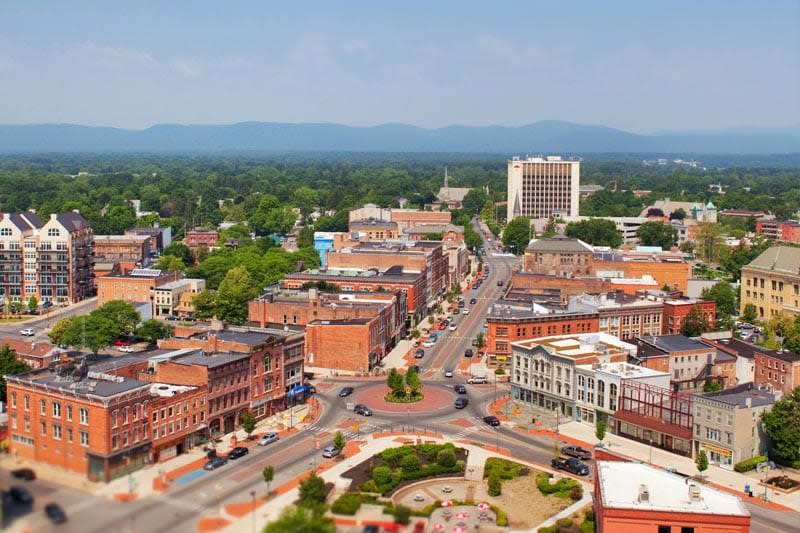
Water spreads through drywall, subfloor, and insulation within hours. Smoke residues turn acidic and begin etching surfaces the same day. When something goes wrong at a Glens Falls property, the clock starts immediately - and the response in the first several hours shapes how much of the structure can be saved.
Restoration work in Warren and Washington County homes covers a connected set of problems, not isolated ones. A failed sump pump becomes a mold issue. A kitchen fire becomes a smoke and water cleanup. Handling them under one coordinated plan keeps damage from multiplying.
- Water Damage Restoration - extraction, structural drying, and moisture monitoring after burst pipes, appliance failures, and roof leaks
- Flooded Basement - pump-out, content triage, and drying for below-grade spaces overwhelmed by groundwater or storm runoff
- Sewage Cleanup - contaminated water removal, disinfection, and disposal of unsalvageable porous materials
- Fire Damage Restoration - debris removal, structural stabilization, and rebuilding of damaged assemblies
- Smoke Damage Restoration - soot removal, surface deodorization, and treatment of odor trapped in framing and HVAC systems
- Mold Removal - containment, controlled removal of colonized materials, and correction of the moisture source
For Glens Falls property owners, the benefit is straightforward: less demolition, fewer replaced materials, better documentation for an insurance claim, and a faster return to normal use of the building.
Common Damage Restoration Issues in Glens Falls, New York
Glens Falls sits in a valley near the Hudson River corridor, with a housing stock that skews old and a municipal drainage system that predates modern stormwater volumes. That combination produces predictable damage patterns.
What Triggers Most Calls
- Frozen and burst supply lines in uninsulated crawl spaces and exterior walls during deep January cold
- Storm drainage backups along older streets near Glen Street and Ridge Street, pushing water into basements
- Sump pump failures during power outages from ice storms and summer thunderstorms
- Sewer line backups in clay and cast-iron laterals compromised by tree roots and age
- Ice dams on steep roofs forcing meltwater under shingles and into second-floor ceilings
- Chimney, woodstove, and space heater fires during long heating seasons
- Hidden mold behind finished basement walls, under carpet padding, and in attic sheathing
Warning Signs Worth Acting On
- Musty odor that intensifies during humid weather or when the furnace runs
- White chalky efflorescence or dark staining on foundation walls
- Floor tile lifting, hardwood cupping, or baseboards separating from walls
- Slow drains on multiple fixtures at once - often a lateral problem, not a clog
- Gurgling from floor drains after heavy rain
- Yellow-brown ceiling rings that reappear after being painted over
- Persistent smoke odor weeks after a small fire, signaling residue in ductwork
Any of these deserve a moisture reading or inspection before the problem reaches framing.
Neighborhoods We Serve in Glens Falls
Coverage extends across the city and out into the surrounding Adirondack foothill communities.
- Downtown Glens Falls - mixed-use and commercial buildings along Glen Street, Warren Street, and South Street
- The Ridge Street and Bay Street corridors - dense residential blocks with older masonry foundations
- Crandall Park and East Field areas - established single-family neighborhoods with mature tree canopy
- West Glens Falls - postwar and mid-century homes with finished basements
- South Glens Falls and Moreau - across the river in Saratoga County
- Queensbury - including Aviation Road, Bay Road, and Quaker Road properties
- Hudson Falls, Fort Edward, and Kingsbury
- Lake George, Fort Ann, and Warrensburg - including seasonal and vacation properties
Seasonal camps and second homes around Lake George get particular attention, since unoccupied buildings often hide a pipe break or slow leak for weeks before anyone notices.
Seasonal Damage Patterns in Glens Falls
Restoration demand in this part of upstate New York shifts sharply with the calendar.
- December through February - peak season for frozen pipe bursts, ice dam leaks into ceilings, and heating-related fire damage restoration. Chimney and woodstove incidents cluster here.
- March and April - snowmelt combined with saturated, still-frozen soil drives flooded basement calls. Groundwater pressure finds every foundation crack.
- May and June - heavy rain overwhelms drainage, triggering sewage cleanup after backups through floor drains and basement fixtures.
- July and August - high dew points make mold removal the dominant request. Basements that stay above 60 percent relative humidity grow colonies within days.
- September and October - remnants of tropical systems and nor'easters bring roof and window water intrusion. First furnace startups release smoke odor from dust and residue.
- November - unwinterized camps and vacant properties suffer early freeze damage before owners return.
Mold rarely respects the calendar entirely - it follows moisture. But summer humidity accelerates everything that a wet spring left behind.
Housing Characteristics & Restoration Considerations
A large share of Glens Falls housing was built before 1950, with significant clusters of Victorian, Queen Anne, and early 20th-century construction near the downtown core. That age shapes every restoration decision.
Construction Features That Matter
- Stone and brick foundations - porous, wick moisture readily, and rarely have modern damp-proofing
- Balloon framing - open wall cavities let water and smoke travel between floors with no fire stops
- Plaster and lath - holds moisture longer than drywall and needs different drying strategies
- Knob-and-tube remnants - requires careful de-energizing before any wet demolition
- Low-clearance crawl spaces - common in West Glens Falls, prone to standing water and mold
- Finished basements added decades later - studs against concrete with no vapor barrier, a frequent hidden mold source
How This Changes the Work
- Drying old plaster in place preserves original detail rather than tearing it out
- Smoke damage restoration in balloon-framed homes requires inspecting cavities well above the fire origin
- Sewage cleanup in stone basements often means removing porous materials entirely, since disinfection cannot fully penetrate
- Multi-unit and converted properties need containment to protect neighboring tenants
- Downtown commercial buildings with shared walls require coordination with adjacent owners
Newer Queensbury subdivisions bring different concerns - engineered flooring, spray foam insulation, and slab construction that traps moisture differently.
Environmental Conditions & Damage Implications
Glens Falls sits in a humid continental climate zone with roughly 40 inches of annual precipitation and heavy seasonal snowfall coming off the Adirondack front.
Climate Factors
- Winter lows well below zero create deep frost penetration and pipe freeze risk
- Annual snowfall regularly exceeding five to six feet loads roofs and feeds spring melt
- Summer dew points in the 60s sustain mold growth in unconditioned basements
- Freeze-thaw cycling opens new foundation cracks each spring
Soil and Groundwater
- Glacial till and clay-heavy soils drain slowly, holding water against foundation walls
- Sand and gravel deposits near the Hudson River corridor allow fast lateral water movement
- Elevated water tables in low-lying areas keep sump pumps cycling through spring
- Hydrostatic pressure is the leading cause of flooded basement calls here, not surface flooding
Water and Air Quality
- Moderately hard municipal water contributes to scale buildup and premature water heater and supply line failure
- Wood heat is common in outlying areas, adding creosote fire risk and lingering smoke odor
- Tightly sealed retrofitted homes trap humidity and combustion byproducts without adequate ventilation
- Summer haze events can worsen indoor air quality for occupants already dealing with mold or soot exposure
Each of these conditions influences drying targets, dehumidifier sizing, and whether a material can be saved or must be removed.
Why the First 24 Hours Matter Most in Glens Falls Properties
Older buildings absorb water faster than they release it. That single fact drives nearly every decision made on a Glens Falls restoration job.
What Happens Without Fast Action
- Hours 1-6 - water wicks up drywall and into subfloor; smoke residue begins acid etching on metal, glass, and finished surfaces
- Hours 6-24 - plaster softens, hardwood begins cupping, odor sets into textiles and insulation
- Days 1-3 - mold spores activate on cellulose materials; sewage contamination penetrates deeper into porous substrates
- Day 4 and beyond - structural framing holds elevated moisture, and salvageable materials become removal-and-replace items
What Local Knowledge Adds
- Knowing which downtown blocks share drainage infrastructure that backs up together during the same storm
- Recognizing balloon-framed layouts and checking upper cavities before signing off on a fire or smoke job
- Understanding that Lake George seasonal properties need different winterization verification than year-round homes
- Anticipating spring hydrostatic pressure in clay-soil neighborhoods and treating the cause, not just the standing water
- Familiarity with regional insurance adjusters and the documentation they expect for water, fire, and mold claims
Steps to Take Before Help Arrives
- Shut off water at the main if the source is a supply line
- Cut power to affected areas only if the panel can be reached safely and dry
- Stay out of any space with suspected sewage - contact exposure carries real health risk
- Photograph conditions from multiple angles for the claim record
- Open interior doors to promote airflow, but leave windows closed during humid weather
- Avoid running HVAC after a fire, which spreads soot through every duct run
Restoration in a community like Glens Falls is as much about preserving character as removing damage. Original woodwork, plaster detail, and hardwood floors are often recoverable when drying starts early enough.





