
Damage Restoration in Oswego, NY
- Damage Restoration Services Overview
- Common Damage Restoration Issues in Oswego, New York
- Neighborhoods We Serve in Oswego
- Seasonal Damage Patterns in Oswego
- Seasonal Damage Patterns in Oswego
- Housing Characteristics & Restoration Considerations
- Environmental Conditions & Damage Implications
- 24/7 Emergency Response Along the Oswego Lakeshore
Damage Restoration Services Overview
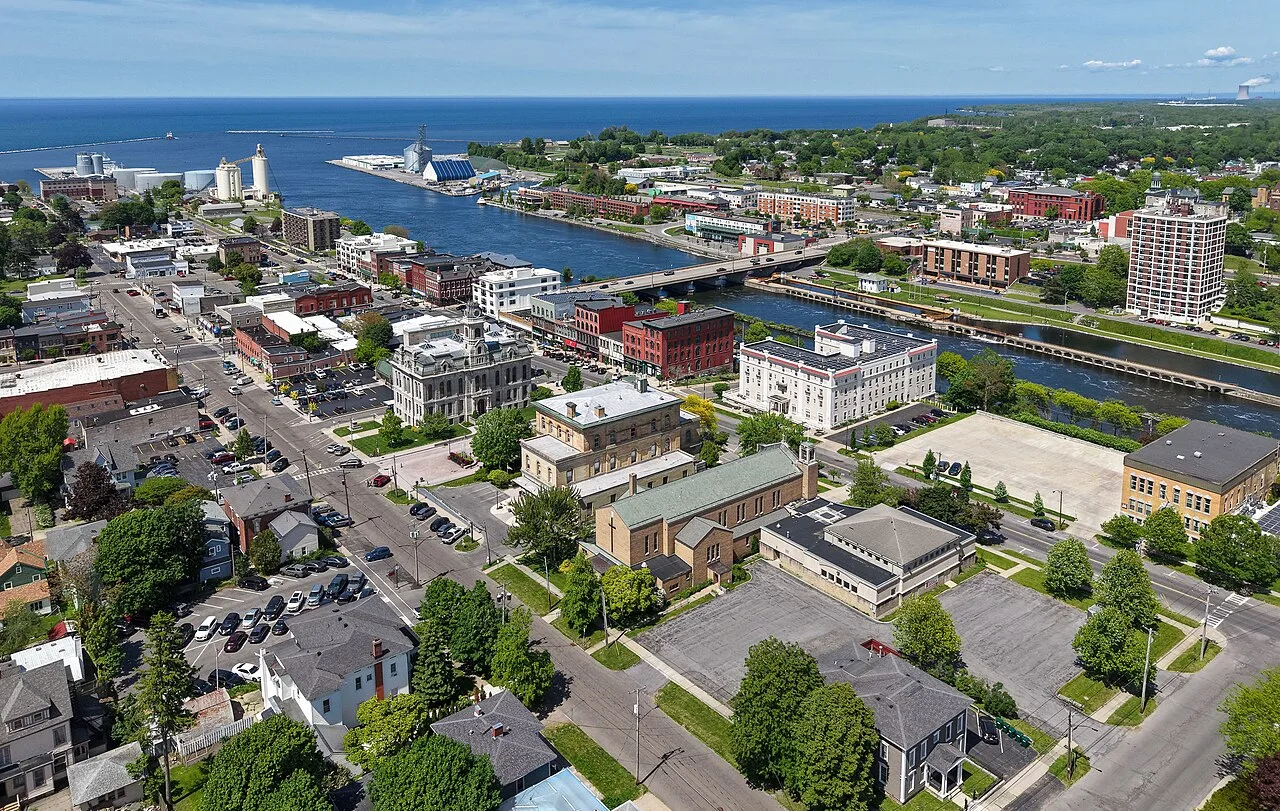
Oswego sits directly on the eastern shore of Lake Ontario at the mouth of the Oswego River - a location that delivers lake-effect snow, wind-driven rain, and a groundwater table that rarely stays low for long. Those conditions put local homes and businesses at higher risk for water intrusion, basement flooding, and hidden mold growth than most Central New York communities.
Property owners here rely on a full range of restoration services, each addressing a different failure point:
- Water Damage Restoration - extraction, structural drying, and moisture mapping after burst pipes, appliance failures, ice dams, and roof leaks.
- Flooded Basement - pump-out, sump system evaluation, and drying of foundations, framing, and stored belongings.
- Sewage Cleanup - containment and disinfection after backups from floor drains, laterals, or municipal surcharge events.
- Fire Damage Restoration - board-up, debris removal, soot cleaning, and rebuilding of damaged structural elements.
- Smoke Damage Restoration - odor neutralization, HVAC cleaning, and treatment of porous materials that trap residue.
- Mold Removal - inspection, containment barriers, HEPA filtration, and safe removal of contaminated materials.
The benefit of coordinated response is simple: one crew handling extraction, cleaning, and reconstruction reduces secondary damage, keeps insurance documentation consistent, and shortens the time a family or business spends displaced.
Common Damage Restoration Issues in Oswego, New York
Lake Ontario drives most of the damage patterns local restoration crews see. Heavy snowfall, rapid thaws, and spring river levels combine to stress basements, roofs, and drainage systems across the city.
Frequent Causes of Loss
- Frozen and burst supply lines in uninsulated crawl spaces, older kitchens, and vacant seasonal properties.
- Ice dams along eaves that push meltwater beneath shingles and into ceilings and wall cavities.
- Hydrostatic pressure forcing water through foundation cracks and cove joints in stone and block basements.
- Sump pump failure or power loss during lake-effect storms, leaving basements to fill within hours.
- Sanitary sewer backups when heavy rain overwhelms combined lines and floor drains surcharge.
- Chimney, wood stove, and space heater fires during long heating seasons.
- Kitchen grease fires that spread smoke and soot through open floor plans and forced-air ductwork.
Warning Signs Worth Acting On
- Musty odor in the basement or lowest level, especially after a thaw.
- Efflorescence, chalky white staining, or peeling paint on foundation walls.
- Buckled hardwood, cupping laminate, or soft spots along baseboards.
- Dark spotting on drywall behind furniture or inside closets on exterior walls.
- Lingering smoke smell that returns when the furnace or air conditioning cycles.
- Slow floor drains or gurgling fixtures that hint at a partially blocked lateral.
Ignoring early indicators allows mold colonies to establish within days, turning a contained water loss into a larger remediation project.
Neighborhoods We Serve in Oswego
Restoration crews respond across the full city and the surrounding Oswego County corridor, including:
- Downtown Oswego and the riverfront blocks near West First and East First Streets
- The West Side neighborhoods surrounding SUNY Oswego and Fallbrook
- The East Side near Fort Ontario, East Park, and the harbor district
- Bridie Manor, Hillside, and the residential streets off Route 104
- Minetto, Scriba, Oswego Town, and New Haven
- Fulton, Phoenix, Hannibal, and Mexico
- Lakeshore and seasonal cottage properties along Lake Ontario and Sandy Pond
Response includes single-family homes, student rentals, waterfront cottages, downtown mixed-use buildings, and commercial and institutional properties throughout the county.
Seasonal Damage Patterns in Oswego
Seasonal Damage Patterns in Oswego
Each season brings a distinct mix of losses, and knowing the calendar helps property owners prepare before the call becomes an emergency.
- December through February: Peak season for frozen and burst pipes, ice dam leaks, and heating-related fire damage. Smoke damage from wood stoves and furnace puffbacks is common during extended cold snaps.
- March and April: Snowmelt plus spring rain raises the water table and river levels. Flooded basements, sump failures, and sewage backups spike sharply.
- May through July: Rising humidity accelerates mold growth in basements and crawl spaces that were never fully dried after spring water intrusion.
- July and August: Thunderstorms bring wind-driven rain, roof leaks, and lightning-related fires. Air conditioning condensate lines also overflow and damage ceilings.
- September and October: Lake-effect rain and clogged gutters push water toward foundations. A good window for mold inspection and drainage correction.
- November: Heating systems restart after months idle, producing the season's first puffbacks and smoke damage calls.
Mold remediation demand runs year-round in Oswego because basements stay damp even outside the wettest months.
Housing Characteristics & Restoration Considerations
Oswego's housing stock skews old. A large share of homes date to the late 1800s and early-to-mid 1900s, with newer subdivisions and manufactured housing scattered through the surrounding towns. Age shapes nearly every restoration decision made here.
Construction Features That Affect Restoration
- Stone and rubble foundations: Porous and irregular, they absorb moisture and are difficult to seal, making flooded basement drying slower and mold recurrence more likely.
- Balloon framing: Open wall cavities let water travel between floors and allow fire and smoke to spread vertically, requiring thorough cavity inspection.
- Plaster and lath walls: Hold moisture longer than drywall and trap smoke odor deep in the substrate.
- Cast iron and galvanized plumbing: Prone to corrosion, pinhole leaks, and lateral blockages that lead to sewage backup.
- Knob-and-tube or aging wiring: A recurring ignition source in unrenovated properties.
- Finished basements added later: Framing and carpeting installed directly against damp masonry create ideal mold conditions.
- Student and multi-unit rentals: Higher occupancy raises the odds of kitchen fires and unnoticed overflow losses.
Restoration in older Oswego homes often means selective demolition rather than wholesale removal - saving original trim, flooring, and millwork where drying and cleaning can be done safely. Crews also account for asbestos-containing materials and lead paint common in pre-1978 construction, adjusting containment and disposal accordingly.
Environmental Conditions & Damage Implications
The lake defines local moisture conditions. Oswego averages well over 100 inches of snow annually and maintains high relative humidity through much of the year, which slows natural drying and extends the window in which mold can take hold.
Local Conditions and Their Effects
- Lake-effect precipitation: Prolonged snow and rain events saturate soil around foundations and overload gutters and downspouts.
- High water table: Proximity to the Oswego River and Lake Ontario keeps groundwater near basement floor level, driving seepage through cove joints and cracks.
- Clay-heavy and glacial till soils: Drain slowly, holding water against foundation walls and increasing hydrostatic pressure after storms.
- Freeze-thaw cycling: Repeated expansion widens foundation cracks and damages exterior masonry, opening new water entry points each year.
- Summer humidity: Indoor dew points in unconditioned basements often support mold growth without any active leak.
- Older combined sewer segments: Heavy rainfall can surcharge lines and force contaminated water into low-lying basements.
These factors change how drying is executed. Crews here typically run dehumidification longer, monitor moisture in masonry as well as framing, and address the source of intrusion - grading, downspout extensions, sump discharge - before reconstruction begins. Post-fire work also accounts for humidity, since damp air can set soot and worsen corrosion on metal fixtures if the structure isn't stabilized quickly.
24/7 Emergency Response Along the Oswego Lakeshore
Speed determines outcome. Water migrates through flooring and wall cavities within minutes, mold can begin colonizing within 24 to 48 hours, and acidic soot etches glass, metal, and finishes the longer it sits. Round-the-clock availability from providers such as Paul Davis of Oswego at (315)-676-4473, SERVPRO of Oswego, and local IICRC-certified contractors means crews can mobilize during overnight storms and holiday cold snaps when most losses actually happen.
What Emergency Response Looks Like
- Immediate phone triage: Guidance on shutting off water, gas, or power safely before crews arrive.
- Rapid arrival and safety assessment: Electrical hazards, structural stability, and contamination category are established first.
- Stabilization: Board-up, roof tarping, and temporary power for fire and storm losses; extraction and pump-out for flooded basements.
- Containment: Barriers and negative air for sewage and mold work to keep contaminants out of clean areas.
- Structural drying: Air movers, dehumidifiers, and daily moisture readings documented for the insurance file.
- Cleaning and deodorization: Soot removal, HVAC cleaning, antimicrobial application, and odor treatment of porous materials.
- Reconstruction: Drywall, flooring, trim, and finish work returning the property to pre-loss condition.
Steps to Take Before Crews Arrive
- Shut off the water supply if a pipe or appliance is the source.
- Stay out of any basement holding standing water until power is confirmed off.
- Avoid contact with sewage-contaminated water and keep children and pets clear.
- Photograph visible damage for your claim.
- Do not run HVAC after a fire - it spreads soot through the ductwork.
- Move undamaged belongings to a dry, conditioned area if it is safe to do so.
Free estimates from local providers make it practical to have conditions evaluated early, before a small leak becomes a full remediation project.





