
Damage Restoration in Scotia, NY
- Damage Restoration Services Overview
- Common Damage Restoration Issues in Scotia, New York
- Neighborhoods We Serve in Scotia
- Seasonal Damage Patterns in Scotia
- Housing Characteristics & Restoration Considerations
- Environmental Conditions & Damage Implications
- Insurance Documentation and Emergency Response for Scotia Property Owners
Damage Restoration Services Overview
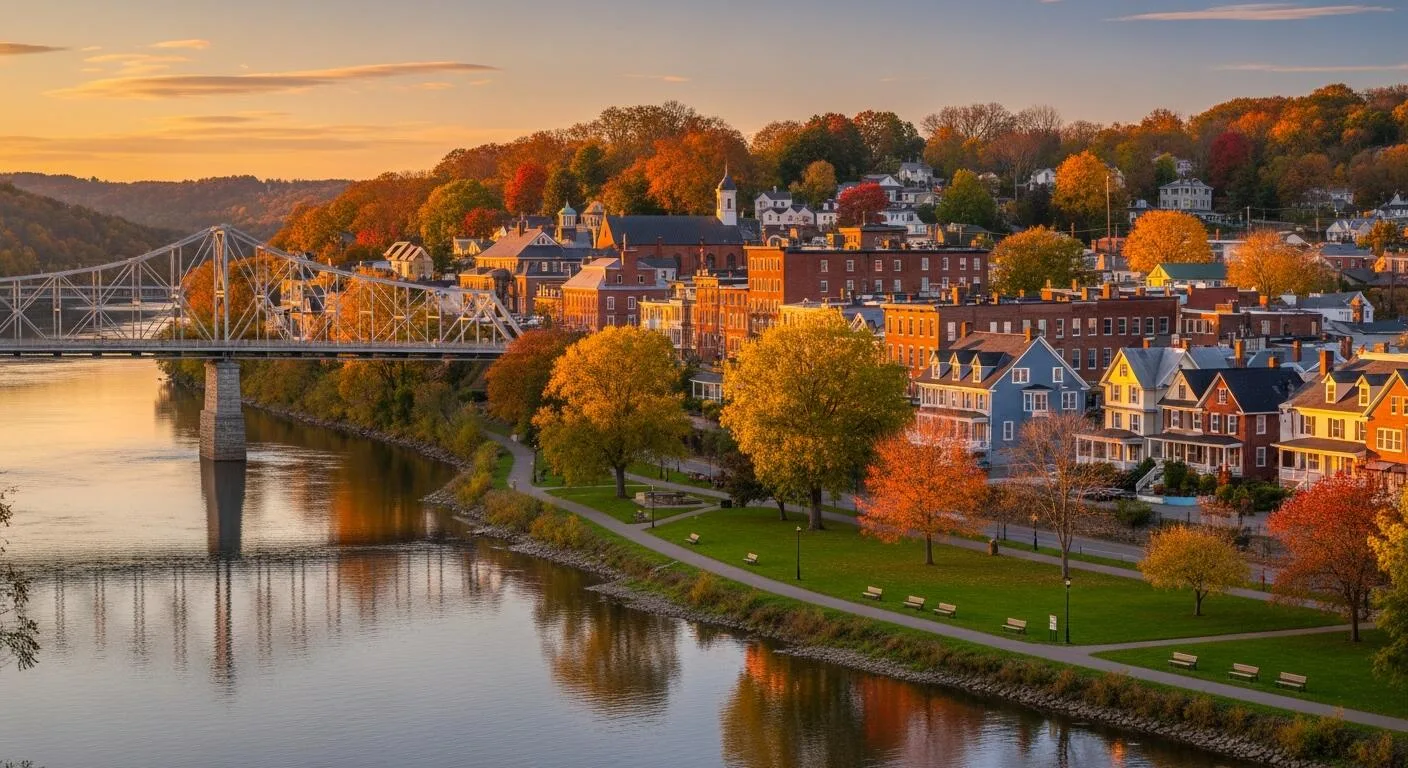
When water spreads across a basement floor or smoke settles into drywall, the clock starts immediately. Materials absorb moisture within minutes, and microbial growth can begin inside a day or two. Scotia property owners who act fast usually save far more of their structure and belongings than those who wait.
Restoration teams serving the village handle the full spectrum of disaster recovery, including:
- Water Damage Restoration - burst supply lines, failed water heaters, appliance leaks, ice dam intrusion, and roof failures
- Flooded Basement - sump pump failures, groundwater seepage, foundation cracks, and storm surge from Mohawk River events
- Sewage Cleanup - backed-up floor drains, main line blockages, and Category 3 contamination requiring containment and antimicrobial treatment
- Fire Damage Restoration - structural stabilization, board-up, debris removal, and reconstruction after kitchen, chimney, or electrical fires
- Smoke Damage Restoration - soot removal from surfaces, HVAC decontamination, thermal fogging, and odor neutralization
- Mold Removal - containment barriers, negative air pressure, affected material removal, and moisture source correction
Benefits for Scotia homeowners are practical: documented moisture readings for insurance claims, IICRC-certified technicians, emergency response around the clock, and coordination from the first phone call through the final walkthrough. Companies such as MacFawn Fire & Flood Restoration, SERVPRO of Schenectady, CleanBright Surface Restoration, and Procyon Restoration all serve the Glenville and Schenectady County area.
Common Damage Restoration Issues in Scotia, New York
Scotia sits on the north bank of the Mohawk River in Glenville, a position that shapes nearly every restoration call in the village. Spring ice jams, aging infrastructure, and a housing stock built largely before modern waterproofing standards all contribute.
Frequent Causes of Loss
- Ice dams along eaves that push meltwater under shingles and into ceilings and wall cavities
- Frozen and burst pipes in uninsulated crawl spaces, garages, and exterior walls
- Mohawk River flooding and high groundwater affecting low-lying properties near Collins Park and Washington Avenue
- Sump pump failure during heavy summer thunderstorms and power outages
- Combined and aging sanitary lines that back up through basement floor drains
- Kitchen grease fires, chimney fires in older homes, and space heater incidents during winter
- Chronic humidity in stone and block foundations feeding mold colonies
Warning Signs Worth Investigating
- Musty odors that intensify after rain or when the furnace runs
- Efflorescence, white chalky deposits, or dark staining on foundation walls
- Buckling hardwood, cupped floorboards, or bubbling paint near baseboards
- Sewage odor near floor drains, or gurgling from fixtures when appliances drain
- Yellow-brown ceiling rings that expand after each storm
- Lingering smoke smell weeks after a small fire, often trapped in ductwork and insulation
- Unexplained allergy symptoms that improve when occupants leave the house
Any of these signals warrant moisture mapping before cosmetic repairs are attempted, since hidden saturation behind finished surfaces is what turns a small water loss into a mold remediation project.
Neighborhoods We Serve in Scotia
Restoration crews respond throughout the village and the wider Town of Glenville, covering both riverside properties and hillside subdivisions.
- Downtown Scotia - Mohawk Avenue corridor, Sacandaga Road businesses, and mixed-use storefronts
- Collins Park area - riverfront homes most exposed to Mohawk flooding and seasonal high water
- Sunnyside and Ballston Avenue - established residential streets with mid-century housing
- Glenridge and East Glenville - newer subdivisions with finished basements and modern HVAC systems
- Beukendaal and Swaggertown Road corridors - larger lots with private wells and septic systems
- Alplaus and Rectorville - creek-adjacent properties prone to seepage
Service also extends across the river into Schenectady, Niskayuna, Rotterdam, Ballston Lake, Burnt Hills, and the surrounding Capital Region communities. Local familiarity matters - crews already know which streets flood first and which municipal lines have a history of backing up.
Seasonal Damage Patterns in Scotia
Restoration demand in the Capital Region follows a predictable rhythm shaped by upstate New York weather.
Winter (December - February)
- Frozen and burst pipes during deep cold snaps and extended vacancies
- Ice dam water intrusion at eaves, valleys, and around skylights
- Peak season for fire and smoke damage from heating equipment, chimneys, and holiday cooking
Spring (March - May)
- Snowmelt combined with Mohawk River ice jams driving basement flooding
- Saturated soil forcing hydrostatic pressure through foundation cracks
- Sewage backups as municipal lines run at capacity
Summer (June - August)
- Thunderstorm downpours overwhelming sump pumps and gutters
- Mold growth accelerating in humid, poorly ventilated basements and attics
- Condensation damage from undersized or leaking air conditioning systems
Fall (September - November)
- Tropical storm remnants delivering heavy rainfall and wind-driven roof leaks
- Clogged leaf-filled gutters redirecting water toward foundations
- Early-season furnace and chimney fires as heating systems restart
Housing Characteristics & Restoration Considerations
Scotia's housing stock skews older than the national average, with a large share of homes built between the 1890s and the 1960s. Village streets feature colonials, foursquares, bungalows, and post-war capes, while Glenville subdivisions add ranches, split-levels, and newer colonials from the 1970s onward.
How Construction Age Affects Restoration Work
- Stone and rubble foundations - porous, prone to seepage, and slow to dry; often need extended dehumidification rather than quick extraction
- Plaster over wood lath - holds moisture behind the surface and can delaminate; requires careful cavity drying to avoid unnecessary demolition
- Balloon framing - open wall cavities let both water and smoke travel between floors, so damage is rarely confined to the room of origin
- Knob-and-tube or early wiring - fire origin points that demand electrical evaluation before power is restored
- Pre-1978 materials - lead paint and asbestos in flooring, pipe wrap, and joint compound require testing before demolition begins
- Finished basements - carpet pad, paneling, and studs against concrete trap moisture and are common mold sources
- Newer builds - tight envelopes and spray foam slow drying and can hide saturation from sight
Practical Steps for Older Homes
- Insulate exposed supply lines in crawl spaces and garages
- Install a battery backup sump pump and a backwater valve on the sewer line
- Extend downspouts several feet from the foundation and regrade low spots
- Have chimneys inspected and swept annually before heating season
- Photograph finished spaces and store records off-site for claim documentation
Environmental Conditions & Damage Implications
Local geography and climate directly influence how quickly damage spreads and how drying is planned in Scotia.
Climate Factors
- Humid continental climate with roughly 38-40 inches of annual precipitation plus 55-70 inches of snow
- Summer dew points regularly high enough to sustain mold growth without mechanical dehumidification
- Repeated freeze-thaw cycles that widen foundation cracks and mortar joints season after season
- Winter temperatures that drop well below freezing, keeping pipe bursts a recurring risk
Soil, Water, and Air Conditions
- Mohawk River floodplain deposits - sand, silt, and clay layers that hold water against foundations after heavy rain
- Seasonally high water tables in low-lying village blocks, forcing water up through slab cracks and drain lines
- Hard municipal water contributing to scale buildup, pinhole leaks, and premature appliance hose failure
- Homes on private wells and septic in outer Glenville, where saturated leach fields can cause sewage backup indoors
- Pollen and wood smoke seasons that make thorough post-fire HVAC cleaning important for indoor air quality
What This Means for Restoration
- Drying plans account for outdoor humidity, so equipment placement and dehumidifier sizing change by season
- Moisture meters and thermal imaging verify dryness inside cavities rather than relying on surface appearance
- Sewage losses receive containment, PPE protocols, and disinfection consistent with Category 3 standards
- Mold work uses negative air machines and HEPA filtration to prevent spore migration into clean areas
- Soot and odor treatment addresses ductwork, insulation, and porous contents, not just visible staining
Insurance Documentation and Emergency Response for Scotia Property Owners
The difference between a smooth claim and a frustrating one usually comes down to documentation gathered in the first hours. Scotia homeowners dealing with a flooded basement, sewage backup, or fire loss benefit from working with a restoration company that records conditions properly from the start.
What Happens During a Typical Response
- Emergency call and dispatch - crews mobilize with extraction units, air movers, and dehumidifiers
- Safety assessment - electrical hazards, structural stability, and contamination category are evaluated before entry
- Source control - water shut off, roof tarped, or openings boarded up to stop further loss
- Documentation - photographs, moisture maps, thermal images, and material readings captured for the adjuster
- Mitigation - extraction, controlled demolition of unsalvageable materials, antimicrobial application, and drying equipment set
- Daily monitoring - readings logged until materials reach dry standard
- Restoration and reconstruction - drywall, flooring, paint, and finish work returning the property to pre-loss condition
Steps to Take Before Crews Arrive
- Shut off the water main or affected supply valve if it is safe to reach
- Avoid contact with any standing water suspected of sewage contamination
- Keep people and pets out of fire-damaged areas until the structure is cleared
- Photograph everything before moving items or removing water
- Notify your insurance carrier and open a claim number
- Do not run the HVAC system after a fire or a mold discovery, since it circulates soot and spores
- Save receipts for temporary lodging, fans, and emergency supplies
Local providers serving Scotia, Glenville, and Schenectady County carry New York licensing, general liability coverage, and IICRC certifications. Most work directly with major insurance carriers and offer free estimates, which lets property owners understand scope and options before committing to a plan.





