
Damage Restoration in Johnstown, NY
- Damage Restoration Services Overview
- Common Damage Restoration Issues in Johnstown, New York
- Neighborhoods We Serve in Johnstown
- Seasonal Damage Patterns in Johnstown
- Housing Characteristics & Restoration Considerations
- Environmental Conditions & Damage Implications
- From Emergency Call to Finished Rebuild in Fulton County
Damage Restoration Services Overview
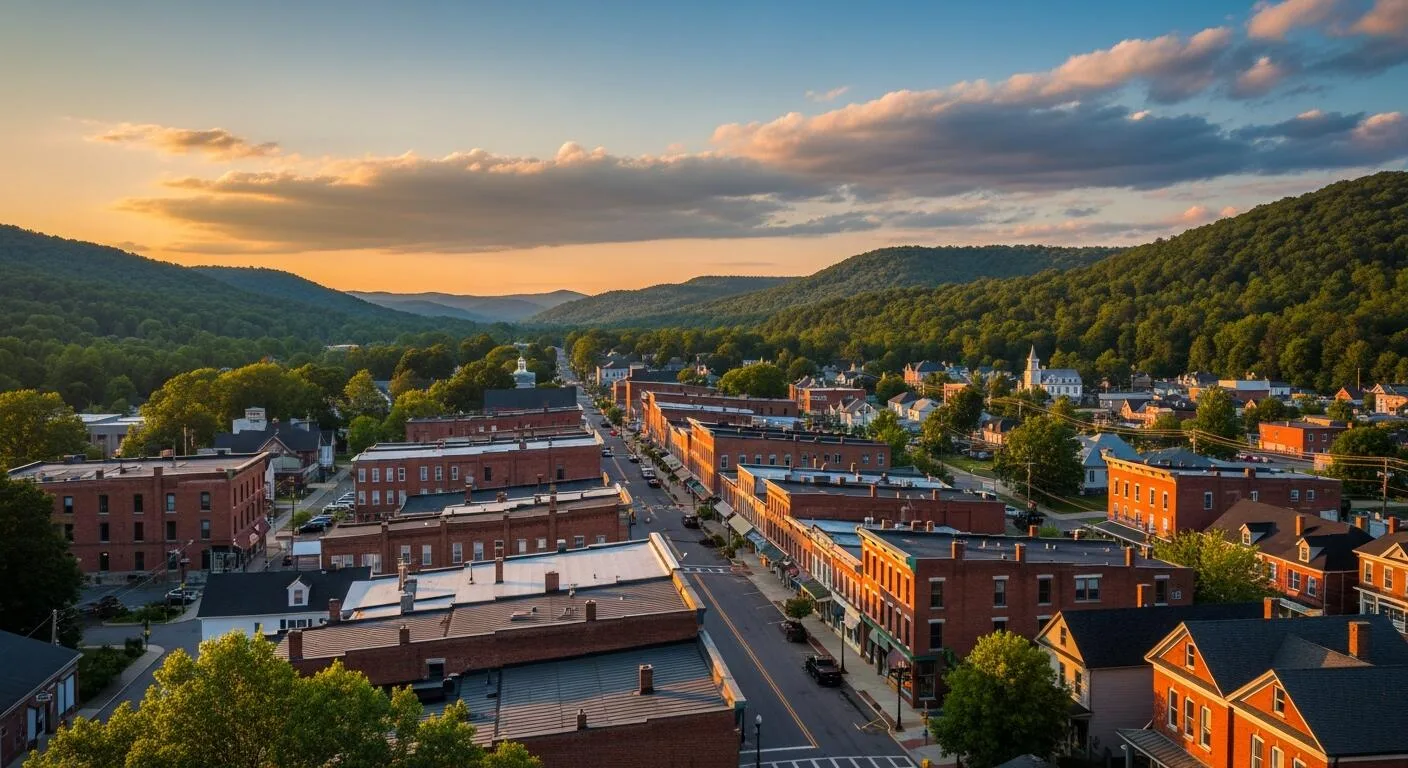
Few things rattle a homeowner like walking downstairs to standing water or coming home to the smell of smoke. In Johnstown, where many properties carry decades of history, damage moves fast and quiet decisions matter.
Restoration work is about stabilizing the property first, then rebuilding what was lost. That sequence protects both the structure and the people living or working inside it.
Services Available to Johnstown Property Owners
- Water Damage Restoration - extraction, structural drying, dehumidification, and moisture mapping after burst pipes, appliance failures, or roof leaks
- Flooded Basement Cleanup - pumping standing water, drying foundation walls and slabs, salvaging stored belongings
- Sewage Cleanup - containment, removal of contaminated materials, antimicrobial treatment, and odor control after backups
- Fire Damage Restoration - debris removal, soot cleaning, structural evaluation, and full rebuild coordination
- Smoke Damage Restoration - deodorization, HVAC cleaning, and treatment of walls, textiles, and contents affected by residue
- Mold Removal - containment barriers, HEPA filtration, safe material removal, and correction of the moisture source
Why Fast Response Matters Here
- Moisture wicks into plaster and old wood framing quickly
- Mold growth can begin within a short window after saturation
- Soot becomes acidic and etches metal, glass, and finishes over time
- Documented mitigation supports smoother insurance claims
Common Damage Restoration Issues in Johnstown, New York
Fulton County weather swings hard between freeze and thaw, and older housing stock absorbs the punishment. Most calls trace back to a handful of predictable causes.
Frequent Causes of Loss
- Frozen and burst supply lines in uninsulated crawl spaces, exterior walls, and unheated basements
- Spring snowmelt combined with saturated ground pushing water through foundation cracks
- Sump pump failure or power loss during heavy storms
- Municipal or lateral sewer backups after intense rainfall
- Aging water heaters, washing machine hoses, and dishwasher supply lines
- Chimney and woodstove fires during heating season
- Kitchen grease fires and electrical faults in older wiring
- Ice dams forcing meltwater under shingles and into ceilings
Warning Signs Worth Acting On
- Musty odor in a basement or closet that never fully clears
- Cupping hardwood, bubbling paint, or soft baseboard trim
- Efflorescence - white powdery residue - on block foundation walls
- Staining on ceilings near exterior walls after a thaw
- Recurring allergy symptoms that improve when you leave the house
- A lingering smoky smell weeks after a minor kitchen fire
- Slow floor drains or gurgling toilets, both early sewage backup indicators
Small signals often precede large failures. Documenting them early gives restoration crews a clearer picture and usually narrows the scope of demolition needed.
Neighborhoods We Serve in Johnstown
Service extends across the city and out into the wider Fulton County and Capital Region area.
- Downtown Johnstown and the Historic District near West Main Street
- North Perry Street and Prospect Avenue neighborhoods
- Sir William Johnson Park area and surrounding residential blocks
- South Side and Pleasant Avenue corridors
- Township of Johnstown rural properties and outlying farmsteads
- Gloversville, Mayfield, Broadalbin, and Perth
- Fonda, Fultonville, and Amsterdam
- Northville, Caroga Lake, and Sacandaga Lake seasonal properties
- Surrounding Montgomery, Saratoga, and Hamilton County communities
Lake and camp properties bring their own challenges - unoccupied structures, seasonal shutdowns, and delayed discovery of leaks. Rural homes on private wells and septic systems also require different handling during sewage and water losses than city-serviced properties.
Seasonal Damage Patterns in Johnstown
Winter (December - February)
- Frozen and burst pipes during extended subzero stretches
- Ice dam leaks along eaves and valleys
- Heating-related fires from woodstoves, chimneys, and space heaters
- Smoke damage from furnace puff-backs
Spring (March - May)
- Peak season for flooded basements as snowmelt saturates soil
- Sump pump overload and failure
- Sewer backups during heavy rain events
- Mold appearing in areas that stayed damp all winter
Summer (June - August)
- Humidity-driven mold growth in basements and crawl spaces
- Thunderstorm flooding and lightning-related fires
- Air conditioning condensate line overflows
- Leaks discovered at seasonal camps after winter vacancy
Fall (September - November)
- Clogged gutters directing water toward foundations
- First-burn chimney fires when heating systems restart
- Early freeze damage to outdoor spigots and hose bibs
- Roof leaks from wind-driven rain and falling limbs
Housing Characteristics & Restoration Considerations
Johnstown's housing reflects its history as an early industrial and glove-making center. A large share of homes predate 1940, with plenty of mid-century additions layered on top.
Common Construction Features
- Balloon-framed structures that allow water and smoke to travel vertically between floors
- Stone and rubble foundations prone to seepage
- Poured concrete and block basements in postwar homes
- Lath-and-plaster walls that hold moisture longer than drywall
- Hardwood floors over plank subfloors
- Cast iron and galvanized drain lines nearing end of service life
- Knob-and-tube or early wiring remnants in unrenovated areas
How Age Shapes the Restoration Approach
- Inspection - moisture meters and thermal imaging locate hidden saturation behind plaster and inside wall cavities
- Hazard screening - older materials may contain asbestos or lead, requiring careful handling before demolition
- Targeted removal - preserving original trim, doors, and flooring wherever drying can succeed
- Specialized drying - injection drying and cavity systems for wall assemblies that cannot be opened
- Odor treatment - porous historic materials absorb smoke deeply and need thermal fogging or hydroxyl treatment
- Rebuild - matching profiles and finishes so repairs blend with the original home
Commercial buildings downtown add another layer - shared party walls, upper-floor apartments, and basements below street grade all influence how containment and drying are staged.
Environmental Conditions & Damage Implications
Johnstown sits in a humid continental climate at the southern foot of the Adirondacks. That geography drives most of what restoration crews encounter.
Climate and Moisture Factors
- Roughly 40 inches of annual precipitation plus heavy seasonal snowfall
- Extended subfreezing periods that stress plumbing in unheated spaces
- Summer dew points that keep basements above the humidity threshold where mold thrives
- Rapid freeze-thaw cycling that widens foundation cracks year over year
Soil and Groundwater
- Glacial till and clay-heavy soils that drain slowly and hold water against foundations
- Elevated hydrostatic pressure during snowmelt, forcing seepage through cove joints
- Proximity to the Cayadutta Creek watershed, raising flood exposure for low-lying properties
- High water tables in some areas that keep sump pumps cycling most of spring
Air and Water Quality Effects
- Hard water mineral buildup accelerating wear on water heaters and supply lines
- Tight, weatherized homes trapping indoor humidity and smoke residue
- Wood smoke from heating appliances contributing to particulate loading indoors
- Well-water properties requiring disinfection protocols after sewage contamination
These conditions mean drying targets in Johnstown differ from drier regions. Equipment placement, dehumidifier sizing, and monitoring schedules are adjusted to local humidity rather than generic benchmarks.
From Emergency Call to Finished Rebuild in Fulton County
Property damage rarely stays within one category. A frozen pipe becomes a flooded basement, then a mold problem. A kitchen fire leaves smoke residue in every closet plus water damage from suppression. Handling all of it under one roof keeps the project moving.
The Start-to-Finish Process
- 24-hour emergency contact - crews dispatch around the clock across Johnstown, Gloversville, and surrounding towns
- Site safety and stabilization - power isolation, board-up, tarping, and shutting off active water sources
- Assessment and documentation - moisture readings, photographs, and scope notes that support the insurance claim
- Water extraction and pumping - removing standing water from basements, crawl spaces, and finished areas
- Containment for contaminated losses - negative air machines and barriers for sewage and mold work
- Controlled demolition - removing only unsalvageable materials, protecting what can be saved
- Structural drying - air movers and commercial dehumidifiers with daily monitoring until readings normalize
- Cleaning and deodorization - soot removal, antimicrobial application, HVAC cleaning, and content care
- Reconstruction - drywall, flooring, trim, paint, and cabinetry restoring the space
- Final walkthrough - verification readings and a review of prevention steps
What Local Experience Adds
- Familiarity with Fulton County building stock and historic construction methods
- Established working relationships with regional insurance adjusters
- Short travel times, which matter most in the first hours of a water loss
- Understanding of septic, well, and municipal sewer differences across the service area
- Clear communication throughout - one point of contact rather than a chain of subcontractors
Serving Johnstown since 1993, the goal stays the same on every job: return the property to a safe, dry, livable condition without unnecessary demolition or delay.





