
Damage Restoration in Elmira, NY
- Damage Restoration Services Overview
- Common Damage Restoration Issues in Elmira, New York
- Neighborhoods We Serve in Elmira
- Seasonal Damage Patterns in Elmira
- Housing Characteristics & Restoration Considerations
- Environmental Conditions & Damage Implications
- Emergency Response Timing and Industry Standards in the Chemung Valley
Damage Restoration Services Overview
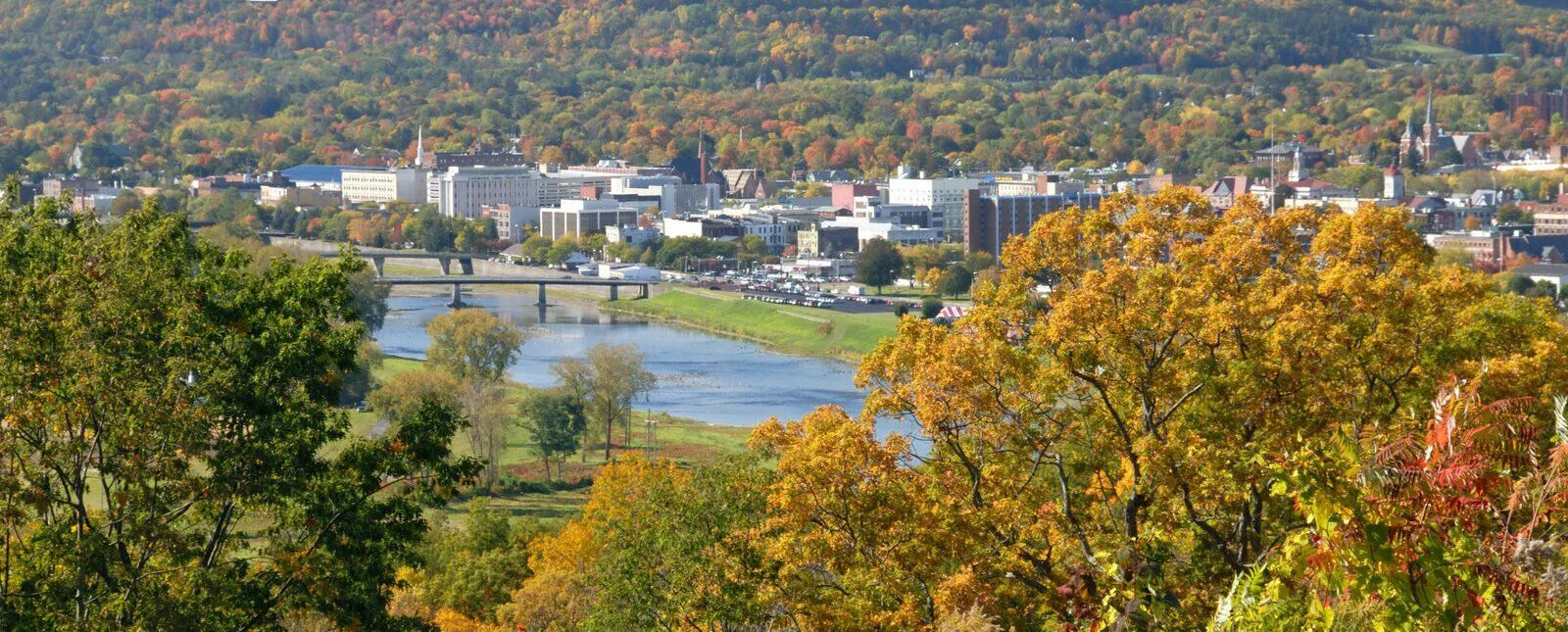
Discovering water pooling across a basement floor, smelling smoke long after a kitchen fire is out, or spotting fuzzy growth behind a baseboard puts property owners in Elmira under real pressure. Decisions have to be made quickly, and the wrong ones - or no decision at all - allow the damage to spread through framing, drywall, insulation and belongings.
Restoration work in the Chemung River valley covers a connected set of services, each addressing a different stage or source of loss:
- Water Damage Restoration - extraction, structural drying and moisture mapping after pipe breaks, appliance failures and roof leaks
- Flooded Basement - pump-outs, saturated content removal and drying of below-grade spaces after storm runoff or sump pump failure
- Sewage Cleanup - containment, removal of contaminated porous materials and antimicrobial treatment after backups
- Fire Damage Restoration - debris removal, board-up, structural cleaning and rebuild coordination
- Smoke Damage Restoration - soot removal from surfaces, HVAC systems and contents, plus odor neutralization
- Mold Removal - containment barriers, HEPA filtration, material removal and moisture source correction
Benefits for Elmira homeowners and business operators include faster reoccupancy, reduced secondary damage, documentation that supports insurance claims and healthier indoor air once the work is finished.
Common Damage Restoration Issues in Elmira, New York
Elmira sits in a river valley where the Chemung River and its tributaries collect runoff from surrounding hills. That geography, combined with an aging housing stock and cold winters, drives a predictable set of restoration calls.
Frequent Causes of Loss
- Storm and flood water entering basements through window wells, foundation cracks and hatchway doors
- Municipal sewer backups during heavy rain events, pushing contaminated water into floor drains
- Frozen or burst supply lines in uninsulated crawl spaces, attics and exterior walls
- Failed appliances - dishwashers, washing machine hoses, water heaters and refrigerator ice lines
- Toilet overflows and cracked supply valves on upper floors
- Kitchen grease fires, chimney and wood stove fires, and space heater incidents during heating season
- Electrical faults in older knob-and-tube or early branch circuit wiring
Warning Signs Worth Acting On
- Musty or earthy odors in basements, closets or along the base of exterior walls
- Stair-step cracking, diagonal cracks or inward bowing in foundation walls
- Persistently wet soil against the home after rainfall
- Efflorescence, peeling paint or bubbling drywall tape near the floor line
- Yellow or brown staining on ceilings under bathrooms and attics
- Soot film on window glass, lampshades or HVAC registers weeks after a small fire
- Allergy-like symptoms that ease when occupants leave the building
Each of these signals a moisture or contamination source that continues working behind finished surfaces until it is located and corrected.
Neighborhoods We Serve in Elmira
Response coverage spans the City of Elmira and the surrounding Chemung County communities, including older in-town districts and newer subdivisions on higher ground.
- Downtown Elmira and the Near Westside Historic District
- Southside and Eldridge Park neighborhoods
- Elmira Heights and Horseheads
- West Elmira and Golden Glow Heights
- Big Flats, Pine City and Wellsburg
- Southport, Ashland and Lowman
- Van Etten, Erin and Breesport
- Waverly, Painted Post and Corning corridor properties
Coverage includes single-family homes, multi-unit rentals near Elmira College, commercial storefronts along Water Street and Church Street, warehouse and light industrial space, plus churches, schools and municipal buildings throughout the valley.
Seasonal Damage Patterns in Elmira
Restoration demand in the Southern Tier follows the calendar closely, and knowing what each season brings helps property owners prepare.
- December through February - frozen and burst pipes lead the call volume, alongside heating-related fires from wood stoves, chimneys and portable heaters. Ice dams push meltwater under shingles and into attic insulation.
- March and April - snowmelt combined with spring rain saturates valley soils, producing flooded basements, sump pump overload and sewer backups when systems reach capacity.
- May through August - humidity climbs, and mold growth accelerates in basements, crawl spaces and any structure that dried incompletely after spring flooding. Severe thunderstorms bring wind-driven rain and lightning strikes.
- September and October - remnants of tropical systems occasionally track through the Chemung valley, delivering flash flooding. Furnace startup often reveals dust burn-off, puff-back soot and unresolved smoke odor.
- November - the first hard freezes catch unprotected hose bibs and crawl space plumbing, while cooking fires rise around holiday gatherings.
Housing Characteristics & Restoration Considerations
Much of Elmira's housing predates World War II, with a heavy concentration of late-1800s and early-1900s construction in the Near Westside and Southside. Postwar ranches and split-levels fill the outlying areas, and newer builds cluster in Horseheads and Big Flats.
Construction Features That Shape Restoration Work
- Stone and rubble foundations - porous, irregular surfaces that hold moisture and require extended drying and antimicrobial treatment after basement flooding
- Balloon framing - open wall cavities that let water travel from an upper-floor leak to the sill plate, and let smoke rise into attic spaces
- Plaster and wood lath - slow to dry and prone to delamination, often needing controlled drying rather than immediate demolition
- Dirt-floor crawl spaces - persistent humidity sources that feed mold growth in floor joists and subfloor
- Original hardwood flooring - salvageable with specialty drying mats when addressed quickly
- Asbestos and lead-era materials - present in pipe wrap, floor tile, mastic and paint, requiring testing before disturbance
- Finished basement living space - carpet, paneling and framed walls that hide moisture and complicate sewage cleanup
Older homes also tend to have low-lying utility connections and floor drains that tie directly to combined sewer lines, raising backup risk. Restoration planning accounts for these details from the first walkthrough, using moisture meters and thermal imaging to trace water behind plaster before any material is removed.
Environmental Conditions & Damage Implications
Elmira's humid continental climate produces roughly 35 inches of precipitation and significant winter snowfall, spread across sharp temperature swings that stress building envelopes.
Local Conditions and Their Effects
- High summer humidity - indoor relative humidity in basements regularly exceeds the threshold where mold colonizes drywall paper, wood and stored cardboard
- Freeze-thaw cycling - repeated expansion widens foundation cracks and mortar joints, creating new water entry points each spring
- Valley soils - silt and clay-heavy deposits near the river drain slowly, holding hydrostatic pressure against basement walls
- Elevated water tables - low-lying parcels experience seepage even without surface flooding, keeping slabs and crawl spaces damp
- Combined stormwater and sewer infrastructure - heavy rainfall can surcharge lines and reverse flow into building drains
- Heating-season air quality - tightly closed homes trap smoke residue and mold spores, concentrating exposure indoors
These factors influence technical decisions. Structural drying targets are set with local dew points in mind, dehumidification is sized for the actual cubic footage and material load, and post-remediation verification confirms moisture content has returned to a documented dry standard. After sewage events, category-three protocols apply - porous materials contacted by contaminated water come out, hard surfaces are cleaned and treated, and containment prevents cross-contamination into unaffected rooms.
Emergency Response Timing and Industry Standards in the Chemung Valley
The window between a loss occurring and mitigation beginning determines how much of a property can be saved. Water migrates through building materials within minutes, and microbial growth can begin within a day or two under Elmira's warm-season conditions. Smoke residue becomes acidic and etches metal, glass and finished surfaces the longer it sits.
What a Standards-Based Response Looks Like
- Emergency contact - a live call center answers around the clock, every day of the year, and gathers safety information before crews mobilize
- Rapid arrival - crews reach serviced locations in the Elmira area quickly, typically within an hour of dispatch
- Safety and source control - electrical hazards, structural concerns and contamination categories are evaluated, and the water or fire source is stopped
- Documentation - moisture readings, photographs, thermal images and material inventories are recorded for the insurance file
- Extraction and stabilization - standing water is removed, contents are relocated, and board-up or tarping secures fire-damaged openings
- Controlled drying and cleaning - air movers, dehumidifiers, HEPA air scrubbers and specialty soot removal methods are deployed based on material type
- Verification and reconstruction - drying goals are confirmed with meter readings before rebuilding begins
Standards That Guide the Work
- IICRC S500 for water damage restoration and structural drying
- IICRC S520 for mold remediation, containment and clearance
- IICRC S700 for fire and smoke damage restoration
- New York State requirements for mold assessment and remediation licensing
- EPA guidance on lead-safe practices in pre-1978 housing
Technicians trained to these standards work alongside adjusters, plumbers, electricians and abatement contractors so the property moves from emergency stabilization to full repair without gaps in the process.





