
Damage Restoration in Canton, NY
- Damage Restoration Services Overview
- Common Damage Restoration Issues in Canton, New York
- Neighborhoods We Serve in Canton
- Seasonal Damage Patterns in Canton
- Housing Characteristics & Restoration Considerations
- Environmental Conditions & Damage Implications
- Working With Your Insurance Carrier After a Canton Loss
Damage Restoration Services Overview
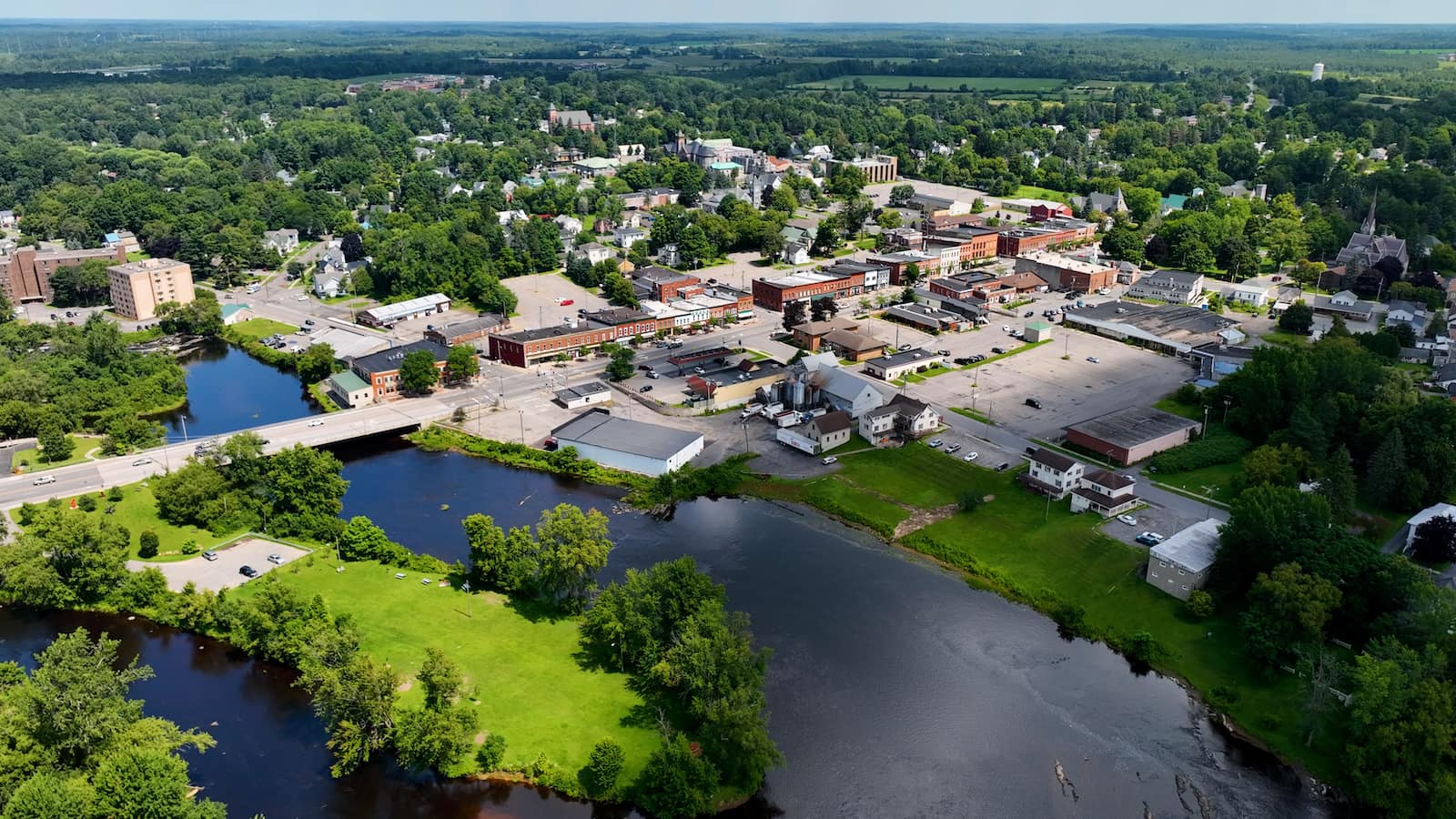
When a pipe splits behind a wall on a February night or smoke rolls through a kitchen, the first hours matter more than anything else. Professional restoration in Canton means trained technicians, calibrated moisture meters, and truck-mounted extraction equipment arriving while the damage is still contained.
Canton property owners have access to a full range of mitigation and rebuild services, backed by more than five decades of industry experience and IICRC-certified crews.
- Water Damage Restoration - burst supply lines, failed water heaters, appliance overflows, and roof leaks traced back to the source and dried structurally.
- Flooded Basement Cleanup - submersible pumping, content removal, and dehumidification for the deep cellars common under North Country homes.
- Sewage Cleanup - Category 3 biohazard response for backed-up floor drains, septic failures, and municipal line surcharges.
- Fire Damage Restoration - board-up, debris removal, structural cleaning, and coordinated reconstruction.
- Smoke Damage Restoration - soot removal from framing and finishes, HVAC cleaning, and thermal odor neutralization.
- Mold Removal - containment, HEPA filtration, antimicrobial treatment, and removal of unsalvageable materials.
The benefit for Canton residents is simple: faster drying, fewer demolished materials, better documentation for the insurance claim, and a property returned to pre-loss condition.
Common Damage Restoration Issues in Canton, New York
St. Lawrence County winters are long and genuinely cold, and that single fact drives most of the restoration calls placed in Canton each year. Frozen and split plumbing, ice dams, and heating-related fires cluster in the same months.
Local Causes We Respond To
- Frozen supply lines in crawl spaces, unheated additions, and seasonal camps along the Grasse River.
- Ice dams forcing meltwater under shingles and into ceilings and exterior wall cavities.
- Spring snowmelt and rain-on-snow events raising groundwater and pushing water through fieldstone foundations.
- Sump pump failures during power outages caused by ice storms and high winds.
- Septic and drain backups on rural properties outside village sewer service.
- Wood stove, chimney, and furnace-related fires during extended heating seasons.
- Hidden mold in student rentals, basements, and closed-up summer properties.
Warning Signs Worth Acting On
- Musty odors that intensify when the furnace or dehumidifier runs.
- Efflorescence, white chalky residue, or peeling paint on basement walls.
- Ceiling stains that reappear after each thaw cycle.
- Buckling hardwood, cupped laminate, or soft spots in subfloor.
- Lingering smoke odor weeks after a small cooking or furnace puffback fire.
- Gurgling floor drains or slow fixtures - often the first hint of a sewage backup.
Waiting turns a clean water loss into a contaminated one. Mold can colonize damp materials within a couple of days, and soot becomes acidic and corrosive to metals and finishes quickly.
Neighborhoods We Serve in Canton
Crews cover the Village of Canton and the surrounding hamlets and rural roads throughout St. Lawrence County.
- Village of Canton, including the Park Street, Miner Street, and Riverside Drive corridors.
- The St. Lawrence University and SUNY Canton campus districts, plus the surrounding student rental housing.
- Morley, Crary Mills, Rensselaer Falls, Pyrites, and Langdon Corners.
- Properties along the Grasse River and Little River corridors.
- Route 11 and Route 68 commercial and residential properties.
Service also extends to neighboring communities including Potsdam, Ogdensburg, Madrid, DeKalb Junction, Hermon, Gouverneur, Norwood, and Russell. Both residential and commercial properties are handled - offices, retail spaces, restaurants, apartment buildings, farm structures, and municipal facilities all receive the same urgency, because downtime for a Canton business compounds quickly.
Seasonal Damage Patterns in Canton
Winter (December - March)
- Frozen and burst pipes, especially after deep cold snaps and power outages.
- Ice dam water intrusion at eaves, valleys, and low-slope roof sections.
- Peak season for fire and smoke damage from wood stoves, chimneys, space heaters, and furnace puffbacks.
Spring (April - June)
- Snowmelt and saturated soil pushing water into basements and crawl spaces.
- Sump pump overload and septic system backups in high water tables.
- Mold growth accelerating as temperatures climb above damp materials left from winter.
Summer (July - September)
- Thunderstorm downpours overwhelming gutters, window wells, and foundation drains.
- High humidity feeding mold in basements, attics, and closed-up seasonal properties.
- Air conditioning condensate line leaks and appliance failures.
Fall (October - November)
- Heavy rain and wind-driven leaks around aging flashing and chimneys.
- First-fire-of-the-season chimney and heating system incidents.
- Pre-winter mold discoveries when crawl spaces and basements are inspected.
Housing Characteristics & Restoration Considerations
Canton's housing stock skews older than the national average, with a large share of homes built well before 1960 and a notable number of nineteenth-century village properties near the historic core.
Construction Types Common in the Area
- Fieldstone and rubble foundations - porous, irregular, and prone to seepage during snowmelt; drying requires longer dehumidification cycles.
- Balloon-framed Victorians and farmhouses - open wall cavities let water and smoke travel vertically between floors.
- Plaster and lath walls - hold moisture behind the surface and require careful moisture mapping rather than assumption.
- Wood clapboard and cedar siding - absorbs smoke odor and needs specialized exterior cleaning after a fire.
- Full-depth basements with finished rec rooms - carpet, paneling, and framed walls that often need controlled removal after Category 2 or 3 water.
- Converted multi-unit student rentals - shared plumbing stacks that spread water losses across multiple apartments.
What That Means for Restoration
- Non-invasive moisture detection first, demolition second - historic trim and flooring are often salvageable.
- Injection drying systems for wall cavities behind plaster and hardwood.
- Knob-and-tube or aged wiring assessed before equipment is staged after a fire.
- Attic and rim joist insulation checked for saturation, since wet cellulose stays wet through the entire heating season.
- Older asbestos-era materials handled according to New York State protocols.
Environmental Conditions & Damage Implications
Canton sits in the St. Lawrence Valley between the Adirondack foothills and the river, a location that produces heavy annual snowfall, sharp freeze-thaw cycles, and a short but humid summer.
Climate Factors
- Well over 100 inches of annual snow in many seasons, with prolonged subzero stretches.
- Repeated freeze-thaw cycles that widen foundation cracks and mortar joints.
- Summer dew points high enough to sustain mold growth in unconditioned basements.
- Long heating seasons that concentrate combustion appliance risk from October through April.
Soil, Water, and Air Conditions
- Clay-rich and glacial till soils drain slowly, holding hydrostatic pressure against basement walls after melt events.
- Shallow water tables near the Grasse and Little Rivers keep sump systems working year-round.
- Rural properties on private wells and septic systems face contamination risk when floodwater reaches the leach field.
- Hard, mineral-rich water accelerates corrosion in older galvanized and copper plumbing.
- Tightly sealed winter interiors trap smoke particulate and mold spores, degrading indoor air quality quickly.
These conditions shape the response. Drying plans account for cold-weather dehumidification limits, mold remediation includes containment and negative air machines, and post-fire work always includes HVAC evaluation - because a forced-air system will redistribute soot through every room in the house.
Working With Your Insurance Carrier After a Canton Loss
Most water, fire, and sewage losses in Canton become insurance claims, and the paperwork can feel heavier than the cleanup itself. Clear documentation from the first walkthrough is what keeps a claim moving.
How the Process Typically Runs
- Emergency contact - the loss is described, access is arranged, and crews are dispatched with the right equipment for the category of damage.
- Inspection and scoping - moisture readings, thermal imaging, photographs, and a written description of affected materials are recorded before anything is moved.
- Mitigation - extraction, pumping, containment, controlled demolition, or board-up begins immediately to stop secondary damage.
- Daily monitoring - moisture levels, temperature, and humidity are logged each day and shared with the property owner.
- Cleaning and deodorization - soot removal, antimicrobial application, content cleaning, and odor treatment as applicable.
- Documentation handoff - a complete file goes to the adjuster, including photos, readings, and line-item scope.
- Reconstruction - drywall, flooring, trim, and paint restore the space.
What Transparency Looks Like
- Plain-language explanations of why a material is being removed instead of dried.
- Written scope provided before major demolition begins.
- Direct coordination with adjusters from all major carriers, so you are not relaying technical details.
- Photo documentation of pre-existing conditions, which protects you during the claim review.
- Clear categorization of water - clean, gray, or Category 3 sewage - since that classification drives the entire scope.
What You Can Do Before Crews Arrive
- Shut off water at the main or kill power to the affected area if it is safe to do so.
- Photograph standing water, soot lines, and damaged contents.
- Keep people and pets away from any sewage-affected space.
- Locate your policy number and start a list of damaged items.
- Avoid running the furnace or HVAC after a fire until the system has been inspected.





