
Damage Restoration in Massena, NY
- Damage Restoration Services Overview
- Common Damage Restoration Issues in Massena, New York
- Neighborhoods We Serve in Massena
- Seasonal Damage Patterns in Massena
- Housing Characteristics & Restoration Considerations
- Environmental Conditions & Damage Implications
- Emergency Response and the First 24 Hours in Massena
Damage Restoration Services Overview
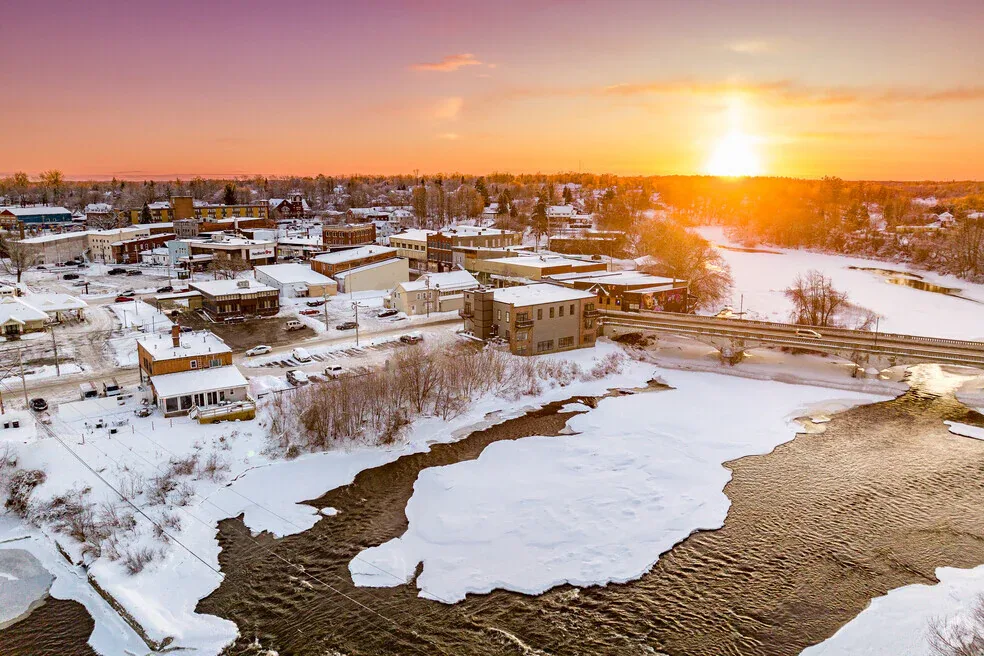
Massena sits at the northern edge of St. Lawrence County, where the St. Lawrence River, the Grasse River, and heavy lake-effect snowfall shape how buildings age and how quickly small problems turn into major losses. Frozen pipes, spring melt, and older housing stock create restoration challenges that differ from downstate communities.
Our teams handle the full recovery process for North Country property owners, from the first water extraction to the final coat of paint. Call 315-276-4999 for immediate response.
- Water Damage Restoration - extraction, structural drying, moisture mapping, and repair of warped floors, walls, and framing
- Flooded Basement - pump-outs, sump failure cleanup, foundation seepage drying, and content recovery
- Sewage Cleanup - removal of contaminated material, antimicrobial treatment, and disinfection of affected surfaces
- Fire Damage Restoration - board-up, debris removal, soot cleaning, structural repair, and reconstruction
- Smoke Damage Restoration - odor neutralization, HVAC cleaning, and treatment of porous materials
- Mold Removal - containment, air filtration, removal of colonized materials, and moisture source correction
Key benefits for Massena residents include faster drying that limits secondary mold growth, documentation that supports insurance claims, and a single crew handling cleanup through rebuild.
Common Damage Restoration Issues in Massena, New York
Northern New York weather swings hard between deep freeze and rapid thaw. That cycle drives most of the emergency calls we receive across Massena and the surrounding towns.
Leading Causes of Property Damage
- Burst supply lines in unheated crawl spaces, attics, and camp properties left vacant during winter
- Spring snowmelt raising groundwater and pushing water through foundation cracks and floor drains
- Sump pump failure during power outages caused by ice storms and high winds
- Sanitary line backups when saturated soil overwhelms older laterals and municipal connections
- Ice damming along low-slope roofs, forcing meltwater under shingles and into ceilings
- Heating-season fires from wood stoves, space heaters, chimney creosote, and overloaded circuits
- Kitchen grease fires that leave heavy smoke residue throughout an entire floor plan
Warning Signs Worth Acting On
- Musty odor in a basement or closet that lingers after ventilation
- Staining, bubbling paint, or soft drywall near baseboards and window headers
- Tide lines on foundation walls showing past water intrusion
- Gurgling drains or slow floor drains after heavy rain
- Soot film on window glass, light fixtures, or vent registers following a small fire
- Smoke odor returning on humid days, which usually points to residue in ductwork or insulation
- Visible growth on joists, subfloor, or behind furniture placed against exterior walls
Acting on early signs generally keeps a job in the cleanup category instead of the reconstruction category.
Neighborhoods We Serve in Massena
We respond throughout the Village of Massena, the Town of Massena, and the wider St. Lawrence County region from our base at 58 Lincoln Ave, Norwood, NY 13668.
- Downtown Massena and the Main Street corridor
- Massena Center and Massena Springs
- Neighborhoods near Nightingale Avenue, Andrews Street, and East Orvis Street
- Properties along the Grasse River and Raquette River
- Riverfront and Robert Moses State Park area homes and camps
- Louisville, Brasher Falls, Norfolk, and Raymondville
- Norwood, Potsdam, Waddington, and Massena Point
- Akwesasne and adjoining North Country communities
Rural road access, seasonal camps, and properties on private wells or septic systems all factor into how we stage equipment and plan drying. Call 315-276-4999 and we will dispatch to your address around the clock.
Seasonal Damage Patterns in Massena
Winter (December - February)
- Frozen and burst pipes during extended sub-zero stretches
- Ice dams pushing water into attics and upper ceilings
- Peak fire season tied to wood stoves, chimneys, and supplemental heaters
- Smoke odor concentrated by sealed windows and continuous furnace operation
Spring (March - May)
- Snowmelt and river rise producing flooded basements across low-lying parcels
- Sewage backups when saturated ground overloads drainage systems
- Mold appearing four to six weeks after undetected winter leaks
Summer (June - August)
- Thunderstorm downpours overwhelming gutters and window wells
- High humidity feeding mold growth in basements and crawl spaces
- Outdoor fire pits, grills, and lightning strikes causing structure fires
Fall (September - November)
- Clogged gutters from leaf fall directing water toward foundations
- First-use furnace and chimney fires as heating season begins
- Last chance to correct grading and sump issues before freeze-up
Housing Characteristics & Restoration Considerations
Much of Massena's housing was built between the 1920s and the 1970s, expanding alongside the aluminum industry and the Seaway project. That age profile shapes nearly every restoration plan we write.
Common Construction Features
- Full basements with poured concrete or block foundations, many with original floor drains
- Balloon and platform framing with plaster-and-lath or early drywall interiors
- Wood-frame exteriors with vinyl or aluminum siding added over original clapboard
- Cast iron and galvanized drain lines nearing the end of service life
- Knob-and-tube or early branch wiring remaining in some untouched attics
- Ranch and split-level homes from the postwar era with finished lower levels
How Age Affects the Work
- Water and flooded basements: block foundations wick moisture laterally, so drying often requires wall cavity ventilation rather than surface air movement alone
- Sewage cleanup: older laterals and shared connections raise backup risk, and finished basement carpet and pad usually must be discarded
- Fire and smoke: balloon framing lets flame and smoke travel between floors through open stud bays, widening the inspection area
- Smoke residue: plaster, horsehair insulation, and old ductwork hold odor and need targeted treatment
- Mold: pre-1980 homes may contain asbestos or lead components, which changes removal methods and containment requirements
We inspect before demolition so materials worth saving stay in place and hazards get handled correctly.
Environmental Conditions & Damage Implications
Massena's climate is humid continental with long, snow-heavy winters and warm, humid summers. Annual snowfall regularly exceeds 80 inches, and the resulting melt volume is the single biggest driver of basement water calls.
Local Conditions That Matter
- Soil: heavy clay and glacial till drain slowly, holding water against foundation walls long after storms pass
- Water table: shallow in areas near the Grasse, Raquette, and St. Lawrence rivers, increasing hydrostatic pressure on slabs
- Freeze-thaw cycles: repeated expansion opens hairline foundation cracks into active seepage paths
- Summer dew points: frequent readings in the 60s allow condensation on cool basement surfaces
- Winter air: tightly sealed homes trap combustion byproducts and smoke odor with limited natural ventilation
Restoration Implications
- Drying plans account for clay-backed walls that release moisture slowly over several days
- Dehumidification runs longer in summer because outside air offers no drying benefit
- Mold prevention focuses on keeping basement relative humidity in a controlled range year-round
- Sewage work includes disinfection of concrete, which is porous and absorbs contaminants
- Smoke deodorization uses hydroxyl or ozone treatment plus HVAC cleaning rather than surface masking
Moisture readings guide every decision, so equipment stays in place until materials reach documented dry standards.
Emergency Response and the First 24 Hours in Massena
What happens in the first day determines how much of your property can be saved. Water migrates into wall cavities within hours, smoke residue becomes acidic and etches surfaces overnight, and mold can establish itself in as little as 24 to 48 hours.
Steps to Take Before Crews Arrive
- Make sure everyone is out of the structure and stay clear of fire-damaged or sewage-contaminated areas
- Shut off the water main if a supply line failed, and cut power to affected circuits only if the panel is safely accessible
- Call 315-276-4999 so equipment can be staged and dispatched
- Photograph damage from multiple angles for your insurance file
- Move undamaged furniture, electronics, and documents to a dry room
- Avoid running the furnace or central air after a fire, which spreads soot through ductwork
- Do not attempt to clean soot with household cleaners - improper wiping drives residue deeper into finishes
What Our Response Looks Like
- On-site assessment with moisture meters, thermal imaging, and documented readings
- Extraction of standing water and pump-out of flooded basements
- Controlled removal of unsalvageable carpet, pad, insulation, and drywall
- Antimicrobial application in sewage-affected and water-damaged zones
- Placement of air movers and commercial dehumidifiers with daily monitoring
- Containment barriers and negative air machines for mold and fire cleanup
- Soot removal, odor neutralization, and duct cleaning after fire and smoke events
- Reconstruction of flooring, drywall, trim, and paint to return the space to pre-loss condition
We coordinate directly with your insurance adjuster, supplying photos, moisture logs, and scope documentation so the claim moves without repeated back-and-forth. One crew stays with the project from extraction through final walkthrough.





