
Damage Restoration in Ogdensburg, NY
- Damage Restoration Services Overview
- Common Damage Restoration Issues in Ogdensburg, New York
- Neighborhoods We Serve in Ogdensburg
- Seasonal Damage Patterns in Ogdensburg
- Housing Characteristics & Restoration Considerations
- Environmental Conditions & Damage Implications
- Ice Jams, Spring Thaw, and Protecting Ogdensburg Basements
Damage Restoration Services Overview
You come home on a January evening in Ogdensburg, open the basement door, and hear water running where no water should be. A supply line behind the laundry sink split during a cold snap, and three inches of water now covers the floor. Situations like this unfold quickly across St. Lawrence County - and the response in the first few hours shapes everything that follows.
Property owners here rely on a full range of restoration work, delivered by IICRC-certified, New York licensed, and fully insured crews:
- Water Damage Restoration - extraction, structural drying, moisture mapping, and documentation for your claim
- Flooded Basement Cleanup - pump-out, contents handling, and drying of foundations and framing
- Sewage Cleanup - removal of Category 3 contamination with antimicrobial treatment and safe disposal
- Fire Damage Restoration - board-up, debris removal, structural cleaning, and rebuild coordination
- Smoke Damage Restoration - soot removal from surfaces, HVAC systems, and odor neutralization
- Mold Removal - containment, HEPA filtration, material removal, and moisture source correction
Benefits for Ogdensburg homeowners include round-the-clock response, direct communication with adjusters, and a single point of contact from the first pump to the final coat of paint.
Common Damage Restoration Issues in Ogdensburg, New York
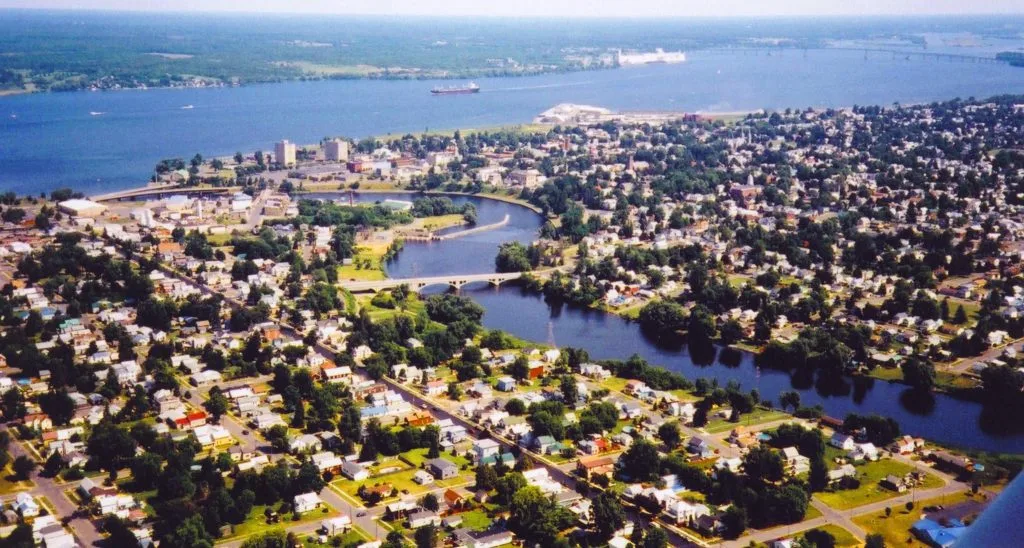
Sitting where the Oswegatchie River meets the St. Lawrence, Ogdensburg deals with a mix of river hydrology, hard winters, and an aging building stock. That combination produces predictable damage patterns.
Local Causes We Respond To Most
- Frozen and burst pipes in uninsulated crawl spaces, exterior walls, and seasonal camps along the river
- Ice jams and spring melt raising groundwater and pushing water through foundation cracks and floor drains
- Sump pump failure during heavy rain or power outages, leaving basements under water within hours
- Sewer backups when saturated ground and combined stormwater overwhelm older laterals
- Heating-season fires from wood stoves, chimneys, space heaters, and dated furnaces
- Smoke and soot spread through tightly sealed winter homes with closed-loop forced air systems
- Mold growth in stone and block basements where humidity stays high through summer
Warning Signs Worth Acting On
- Musty odor that gets stronger near the basement stairs or a closed closet
- Tide lines, chalky efflorescence, or bubbling paint on foundation walls
- Floor tile lifting, hardwood cupping, or carpet that stays cool and damp
- Water stains around chimney chases, ice dam locations, or bath fans
- Gurgling floor drains or slow fixtures after storms - often the first hint of a sewer issue
- Yellow-brown film reappearing on windows and trim after a small kitchen or furnace fire
Call as soon as you spot any of these. Waiting allows clean water to become contaminated, and dry framing to become a mold problem.
Neighborhoods We Serve in Ogdensburg
Crews cover the full city and the surrounding St. Lawrence County communities, including:
- Downtown and the Ford Street corridor - historic commercial buildings and upper-floor apartments
- Library Park, Caroline Street, and Franklin Street - older single-family homes with stone foundations
- Riverside Avenue and the West River waterfront - properties closest to St. Lawrence flood influence
- Lake Street, New York Avenue, and Main Street districts - mixed residential and small business use
- Proctor Avenue, Knox Street, and the south-side neighborhoods - postwar and mid-century housing
- Route 37 and Route 68 corridors - rural homes on private wells and septic systems
Service extends outward to Heuvelton, Lisbon, Morristown, Waddington, Rensselaer Falls, Oswegatchie, Black Lake, Canton, and Madrid, with the same response standards for seasonal camps and year-round residences alike.
Seasonal Damage Patterns in Ogdensburg
Winter (December - February)
- Burst supply lines during deep freezes and wind chill events
- Ice dams forcing meltwater under shingles and into ceilings
- Chimney, wood stove, and space heater fires with heavy smoke spread
- Sooty residue circulating through forced-air systems in closed-up homes
Spring (March - May)
- Snowmelt and ice-out on the Oswegatchie raising groundwater levels
- Flooded basements from saturated soil and hydrostatic pressure
- Sewage backups when systems take on more volume than they can carry
- Mold appearing on materials that stayed wet through the thaw
Summer (June - August)
- Thunderstorm downpours and power outages that disable sump pumps
- High humidity feeding mold in basements, crawl spaces, and closets
- Condensation damage around under-sized or over-cycling AC units
- Grill, brush, and outbuilding fires during dry stretches
Fall (September - November)
- Heavy rain and clogged gutters directing water toward foundations
- First-use furnace puff-backs coating interiors with fine soot
- Pre-freeze pipe failures in unheated garages and camps
Housing Characteristics & Restoration Considerations
Ogdensburg's housing stock skews older than the national average, with a strong presence of pre-1940 homes near the river and downtown, plus postwar ranches and Capes on the city's south and east sides.
Construction Types and What They Mean
- Stone and rubble foundations - porous, prone to seepage, and slow to dry; often need controlled dehumidification rather than surface drying alone
- Balloon-framed Victorians and Foursquares - open wall cavities let water and smoke travel between floors, so inspection has to go beyond the visible damage
- Plaster-and-lath walls - hold moisture behind the surface and require careful moisture readings before any decision to remove
- Knob-and-tube or early wiring - a fire risk factor and a safety consideration during demolition
- Finished basements added later - carpet, paneling, and studs against masonry are the most common mold sites we find
- Rural properties on septic - backups involve contaminated water that demands full Category 3 protocols
How Crews Adjust
- Map moisture with meters and thermal imaging before opening walls
- Use targeted removal to save original trim, floors, and millwork where readings allow
- Set containment before mold or soot work so clean areas stay clean
- Address the source - grading, gutters, sump discharge, or plumbing - so the repair holds
- Document conditions and materials for insurance and any historic-district requirements
Environmental Conditions & Damage Implications
The North Country climate drives most of what damages buildings here. Ogdensburg sees long freezing periods, substantial annual snowfall, humid summers, and a river system that swings seasonally.
Conditions That Shape Restoration Work
- Freeze-thaw cycling - repeatedly opens hairline cracks in masonry and slabs, creating new seepage paths each spring
- Heavy clay and silt soils - drain slowly and hold water against foundation walls after melt or rainfall
- Shallow bedrock and limestone in parts of the county - limits absorption and pushes runoff toward low points, including basements
- High summer dew points - keep basements above the 60 percent relative humidity threshold where mold thrives
- Hard, mineral-rich water - accelerates wear on water heaters, valves, and supply lines that later fail
- Tight winter envelopes - trap smoke odor, combustion byproducts, and moisture indoors for months
Practical Effects on Each Service
- Water and flooded basement jobs need longer drying windows in cold months, with heat and dehumidification working together
- Sewage cleanup requires full PPE, contaminated material removal, and antimicrobial application because soils here hold pathogens near the surface
- Fire and smoke work involves HVAC cleaning and odor treatment with hydroxyl or ozone technology, since residue settles deep in winter-sealed homes
- Mold removal pairs remediation with humidity control - a dehumidifier and corrected drainage prevent the repeat call
Ice Jams, Spring Thaw, and Protecting Ogdensburg Basements
Few places feel the spring transition as sharply as a river city. When the Oswegatchie breaks up and the St. Lawrence takes on melt from a wide watershed, water tables rise fast. Homes that stayed dry all winter can take on water in a single week.
Why Spring Hits Hard Here
- Frozen ground cannot absorb melt, so runoff moves sideways toward foundations
- Ice jams raise local water levels quickly, with little warning downstream
- Snowbanks piled against foundations all winter release directly at the wall
- Older floor drains and sump crocks may connect to systems already at capacity
- Frost-heaved sidewalks and driveways often slope back toward the house by March
Steps to Take Before the Thaw
- Test the sump pump in February - run water into the pit and confirm the float and check valve work
- Add a battery backup or water-powered backup so outages don't leave the pit unattended
- Clear snow at least three to four feet from the foundation on all sides
- Extend downspouts well past the drip line and clear ice from gutter outlets
- Move stored items off basement floors onto shelving or pallets
- Photograph the basement and mechanicals now, so you have a before record for any claim
- Install a backwater valve if your home has a history of sewer backups
If Water Gets In
Shut off power to affected circuits if it is safe to do so, keep people and pets away from standing water, and call for professional extraction. Melt water that passes through soil, road salt, and sewer lines is not clean water - treating it as such invites mold and lingering contamination.
Crews arrive with truck-mounted extractors, commercial dehumidifiers, air movers, and HEPA air scrubbers, working around the clock through the thaw season. The same team handles fire, smoke, and mold work, so whatever the season brings to your Ogdensburg property, one call starts the recovery.





