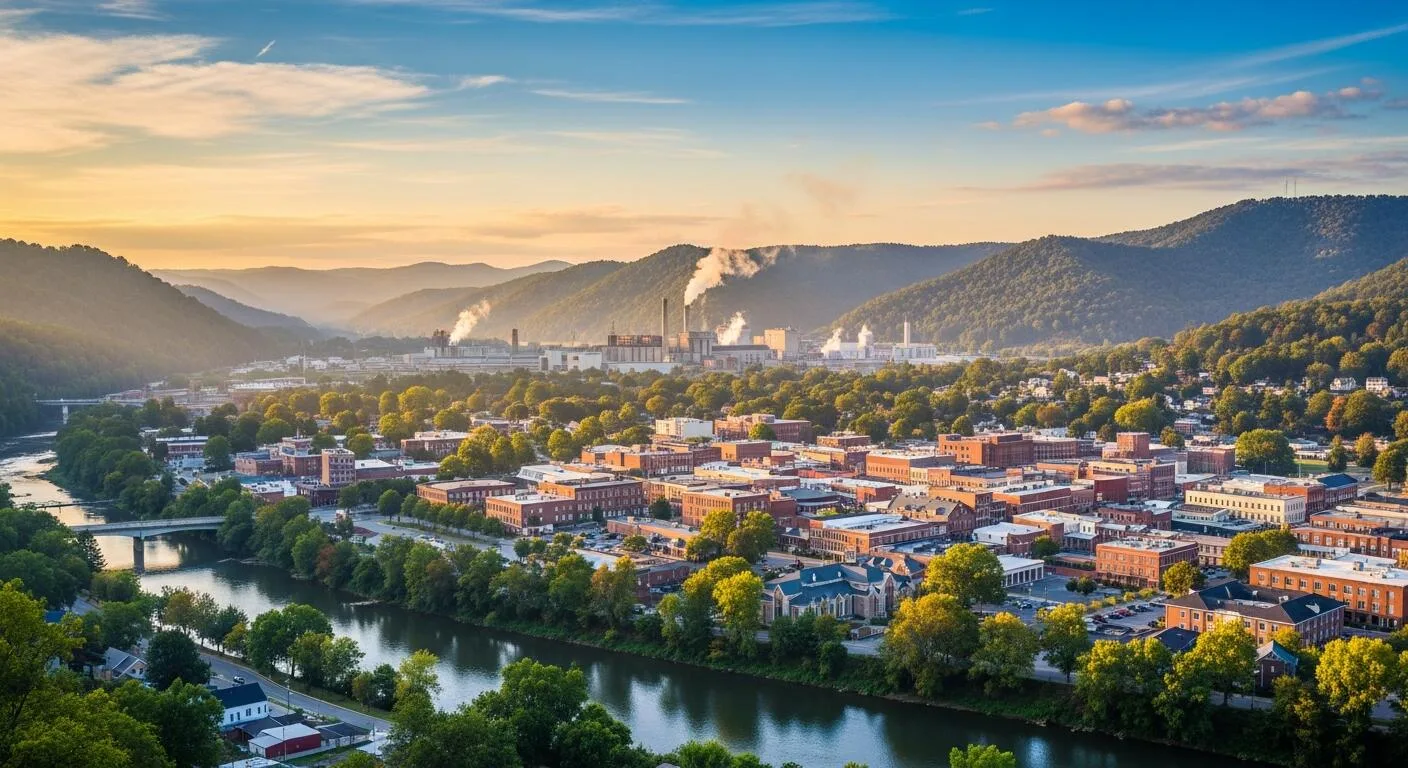
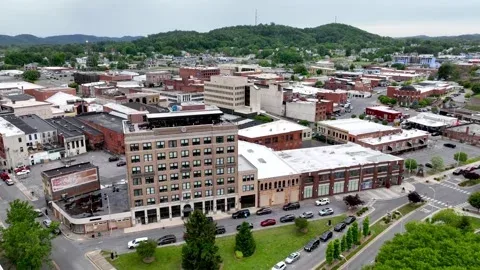
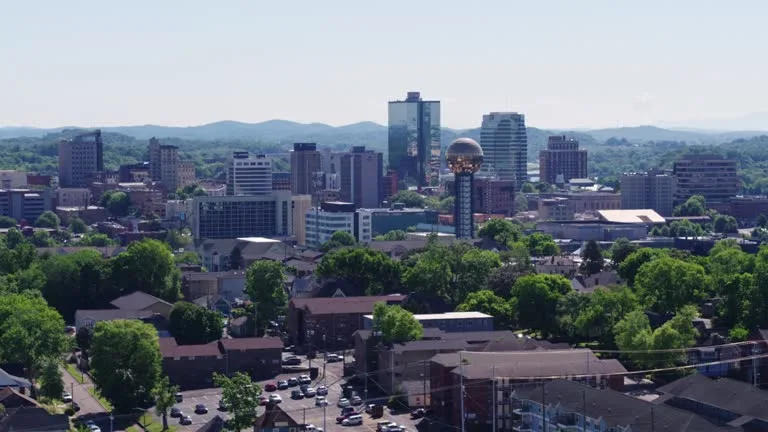
Damage Restoration in Sullivan County, TN
- Damage Restoration Services Overview
- Common Damage Restoration Issues in Sullivan County, Tennessee
- Neighborhoods We Serve in Sullivan County
- Seasonal Damage Patterns in Sullivan County
- Housing Characteristics & Restoration Considerations
- Environmental Conditions & Damage Implications
- Water Categories, Drying Standards, and Insurance Documentation in the Tri-Cities
Damage Restoration Services Overview
Damage rarely stays still. A slow leak behind a Kingsport kitchen wall becomes rotted framing, and a lightly smoked hallway in Bristol keeps releasing acidic residues that etch metal, discolor paint, and settle into HVAC ductwork for months.
Waiting turns a contained cleanup into a structural rebuild. Materials that could have been dried and saved in the first day or two often have to be cut out and replaced later.
Sullivan County properties face a wide mix of loss types, and each one calls for a different response:
- Water Damage Restoration - extraction, structural drying, and moisture mapping after burst supply lines, appliance failures, and roof leaks
- Flooded Basement - pump-out, contents triage, and dehumidification for below-grade spaces along the Holston and South Fork
- Sewage Cleanup - containment and disinfection of Category 3 losses from backups, septic failures, and main-line clogs
- Fire Damage Restoration - stabilization, debris removal, soot cleaning, and reconstruction
- Smoke Damage Restoration - odor neutralization, residue removal, and HVAC decontamination
- Mold Removal - containment, HEPA filtration, and removal of colonized materials
The benefit of fast, documented work is straightforward: fewer materials discarded, cleaner insurance claims, and a home or business that returns to normal without hidden problems waiting inside the walls.
Common Damage Restoration Issues in Sullivan County, Tennessee
Sullivan County sits in the Appalachian Highlands, where mountain runoff, humid summers, and freeze-thaw winters combine to stress buildings year-round. Rainfall totals here run well above the national average, and that water has to go somewhere.
Frequent Causes of Loss
- River and creek flooding along the Holston, South Fork Holston, and Beaver Creek drainages
- Frozen and burst pipes in crawl spaces and unheated garages during January cold snaps
- Hydrostatic pressure pushing groundwater through basement wall cracks and cove joints
- Sewer backups when heavy rain overwhelms aging municipal lines in older Kingsport and Bristol neighborhoods
- Septic saturation on rural properties in Blountville, Bluff City, and outlying hollows
- Chimney, woodstove, and space-heater fires during long heating seasons
- Kitchen grease fires that spread smoke through open floor plans in minutes
Warning Signs Worth Acting On
- Musty odors that intensify after rain or when the HVAC cycles on
- Efflorescence, white chalky staining, or bubbling paint on foundation walls
- Cupping hardwood, soft spots in subfloor, or spongy baseboards
- Gurgling floor drains or slow tub drainage - often the first hint of a main-line problem
- Yellow-brown staining on ceilings that returns after painting
- Lingering smoke smell weeks after a small fire, indicating residue in ducts or insulation
Flood restoration scope in this county depends heavily on depth, how long water sat, and whether it was clean, gray, or contaminated. Those three variables drive nearly every decision that follows.
Neighborhoods We Serve in Sullivan County
Coverage spans the full county and the wider Tri-Cities region, from river-adjacent lowlands to ridge-top subdivisions.
- Kingsport - Colonial Heights, Preston Forest, Ridgefields, Lynn Garden, Rock Springs, downtown and the Model City core
- Bristol, TN - Anderson Street corridor, Fairmount, Steele Creek area, Exit 7 commercial district
- Blountville - county seat neighborhoods and properties near Tri-Cities Airport
- Bluff City and Piney Flats - riverfront and Boone Lake-adjacent homes
- Outlying communities - Sullivan Gardens, Indian Springs, Weber City edge, Hickory Tree, Fall Branch
Service also extends into neighboring Gray, Sulphur Springs, Church Hill, Elizabethton, Carter County, Unicoi County, and Roan Mountain. Residential, multi-family, and commercial buildings all fall within scope, including retail, restaurants, warehouses, and medical offices where downtime carries real cost.
Seasonal Damage Patterns in Sullivan County
Winter (December - February)
- Burst pipes in crawl spaces during sub-freezing stretches
- Peak fire risk from woodstoves, chimneys, and portable heaters
- Smoke damage from improperly drafting fireplaces
- Ice dam meltwater entering attics and upper walls
Spring (March - May)
- Heaviest rainfall period - flooded basements and crawl space standing water
- Sewage backups as saturated ground overloads lines and septic fields
- Mold growth accelerating as temperatures climb past 60 degrees
Summer (June - August)
- High humidity feeding mold in basements, closets, and behind furniture
- Condensation and AC drain-pan overflows causing ceiling water damage
- Thunderstorm wind and hail damage opening roofs to water intrusion
Fall (September - November)
- Remnant tropical systems bringing multi-inch rainfall events
- Clogged gutters directing water against foundations
- First heating-season fires as furnaces and flues are relit after months idle
Housing Characteristics & Restoration Considerations
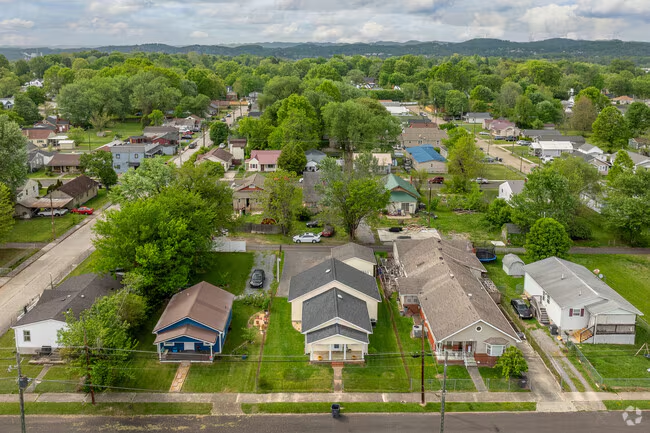
Sullivan County housing stock skews older than the national median, with a large share of homes built between the 1940s and 1980s during Kingsport's industrial expansion. Construction methods from that era shape every restoration decision.
Common Building Types and What They Mean
- Post-war brick ranches - block foundations, unfinished basements, and plaster or early drywall that wicks water fast
- Craftsman and mill-era homes - lath-and-plaster walls, balloon framing that lets smoke and fire travel between floors, and original hardwood needing careful drying
- Vented crawl space homes - extremely common here, and a leading source of chronic moisture and mold in floor joists and insulation
- 1990s - 2000s subdivisions - finished basements with carpet, drywall, and framed walls that hold water invisibly behind the surface
- Rural properties - well water systems and private septic, which change contamination assumptions during sewage cleanup
Restoration Implications
- Homes built before 1980 may contain asbestos in floor tile, mastic, or pipe wrap - testing precedes demolition
- Lead paint protocols apply to many pre-1978 structures during fire and water repairs
- Older knob-and-tube or cloth-wrapped wiring requires electrical evaluation before drying equipment is energized
- Plaster dries far slower than drywall and needs extended dehumidification rather than quick removal
- Basement finishing over block walls almost always requires partial removal after significant flooding
Environmental Conditions & Damage Implications
The county's climate is humid subtropical with mountain influence - roughly 45 inches of annual precipitation and summer dew points that sit uncomfortably high for weeks at a time.
Climate and Moisture
- Summer indoor humidity frequently exceeds 60 percent without active dehumidification, the threshold where mold colonizes
- Cool basement surfaces plus warm humid air produce condensation on walls, ductwork, and stored contents
- Freeze-thaw cycling widens foundation cracks each winter, creating new water entry points
Soil and Groundwater
- Karst limestone geology across much of the valley means sinkholes, springs, and unpredictable subsurface water movement
- Clay-heavy soils drain slowly and hold water against foundation walls after storms
- High water tables near the Holston forks push moisture up through slab and basement floors
Air Quality and Fire Residues
- Valley terrain traps air during temperature inversions, holding smoke odor in and around structures longer
- Soot from synthetic materials leaves acidic residues that corrode fixtures, appliances, and electronics within days
- Radon is present in parts of the county, so basement work includes attention to sealing and ventilation
These conditions mean drying targets, containment design, and post-remediation verification are set against local baselines - not generic numbers.
Water Categories, Drying Standards, and Insurance Documentation in the Tri-Cities
Not all water is the same, and how a loss is classified determines what gets saved and what gets removed. Industry guidance from the IICRC S500 standard defines three categories.
- Category 1 (clean) - supply lines, water heaters, and rainwater. Most materials are salvageable with prompt drying.
- Category 2 (gray) - washing machine discharge, dishwasher overflow, toilet overflow without solids. Porous materials often need removal.
- Category 3 (black) - sewage backups, septic failures, and river floodwater. Carpet, pad, insulation, and affected drywall come out, and remaining surfaces are cleaned and disinfected under containment.
Category degrades over time. A clean-water loss left sitting in a Blountville crawl space through a humid weekend can reach Category 2 or worse within 48 to 72 hours.
How a Professional Drying Process Runs
- Safety check - electrical hazards, structural stability, and contamination screening
- Moisture mapping with meters and thermal imaging to find the true boundary of wet material
- Extraction of standing water and deep carpet moisture before air movers are placed
- Controlled demolition only where materials cannot be dried in place
- Placement of air movers and dehumidifiers calculated to the affected cubic footage
- Daily monitoring with logged readings until materials reach dry standard
- Post-remediation verification for mold and sewage jobs
Documentation That Supports a Claim
- Dated photos of pre-existing conditions and each demolition stage
- Daily moisture logs showing measurable progress toward dry standard
- Equipment placement records and affected-area measurements
- Written scope tied to recognized restoration standards rather than estimates
For Sullivan County businesses, the same discipline applies with added attention to phased work - keeping part of a facility operating while another section is contained, dried, and rebuilt.