Damage Restoration in Bradley County, TN
- Damage Restoration Services Overview
- Common Damage Restoration Issues in Bradley County, Tennessee
- Neighborhoods We Serve in Bradley County
- Seasonal Damage Patterns in Bradley County
- Housing Characteristics & Restoration Considerations
- Environmental Conditions & Damage Implications
- Hidden Moisture and Structural Drying in Bradley County Crawlspaces and Basements
Damage Restoration Services Overview
Water spreads through drywall, subfloor, and framing within hours, and smoke residues turn acidic on metal and glass almost as fast. In Bradley County, where storm runoff, winter pipe freezes, and older housing stock all collide, the first day after a loss shapes how much of the structure can be saved.
Restoration work here covers the full spectrum of property emergencies, from a few inches of groundwater in a Cleveland basement to a kitchen fire that pushes soot through every supply register in the house.
- Water Damage Restoration - extraction, structural drying, moisture mapping, and humidity control after burst pipes, appliance failures, and roof leaks
- Flooded Basement Cleanup - pump-out, content removal, and drying of below-grade spaces affected by hydrostatic pressure and surface runoff
- Sewage Cleanup - removal of Category 3 contaminated water, antimicrobial treatment, and safe disposal of porous materials
- Fire Damage Restoration - emergency board-up, debris removal, structural cleaning, and rebuild of framing and finishes
- Smoke Damage Restoration - soot removal, thermal fogging, HVAC cleaning, and odor neutralization in unburned areas
- Mold Removal - containment, HEPA filtration, removal of colonized material, and correction of the moisture source
The benefit for property owners is straightforward: contained damage, fewer materials torn out, documentation that supports an insurance claim, and a building that dries correctly the first time rather than developing hidden mold behind repaired walls.
Common Damage Restoration Issues in Bradley County, Tennessee
Bradley County sits in a landscape of steep gradients feeding toward the Hiwassee River and Candies Creek, and that terrain moves stormwater fast. Culverts and storm drains built for average rainfall get overwhelmed during the intense late-spring and early-summer downpours common across Southeast Tennessee.
What Drives Damage Locally
- Flash flooding and runoff - hillside lots channel water toward foundations and walkout basements in the Cleveland area and outlying rural subdivisions
- Winter freeze events - uninsulated crawlspace supply lines and hose bibs rupture during cold snaps, releasing water for hours before discovery
- Sewer and septic backups - saturated ground overloads septic drain fields, while municipal line surcharges push wastewater back through floor drains
- Sump pump failures - power outages during severe thunderstorms disable pumps exactly when they are needed most
- Kitchen and electrical fires - older wiring in mid-century homes and space heater use in winter drive structure fire calls
- HVAC condensation and duct leaks - long humid summers create persistent moisture in closed crawlspaces
Warning Signs Worth Acting On
- Musty odor that strengthens when the air handler runs
- Cupped or darkened hardwood along exterior walls
- Efflorescence, white chalky deposits, on basement block walls
- Gurgling floor drains or slow tub drainage after heavy rain
- Yellow-brown staining on ceilings near bath fans or roof penetrations
- Lingering smoke odor that returns on warm, humid days after a small fire
Neighborhoods We Serve in Bradley County
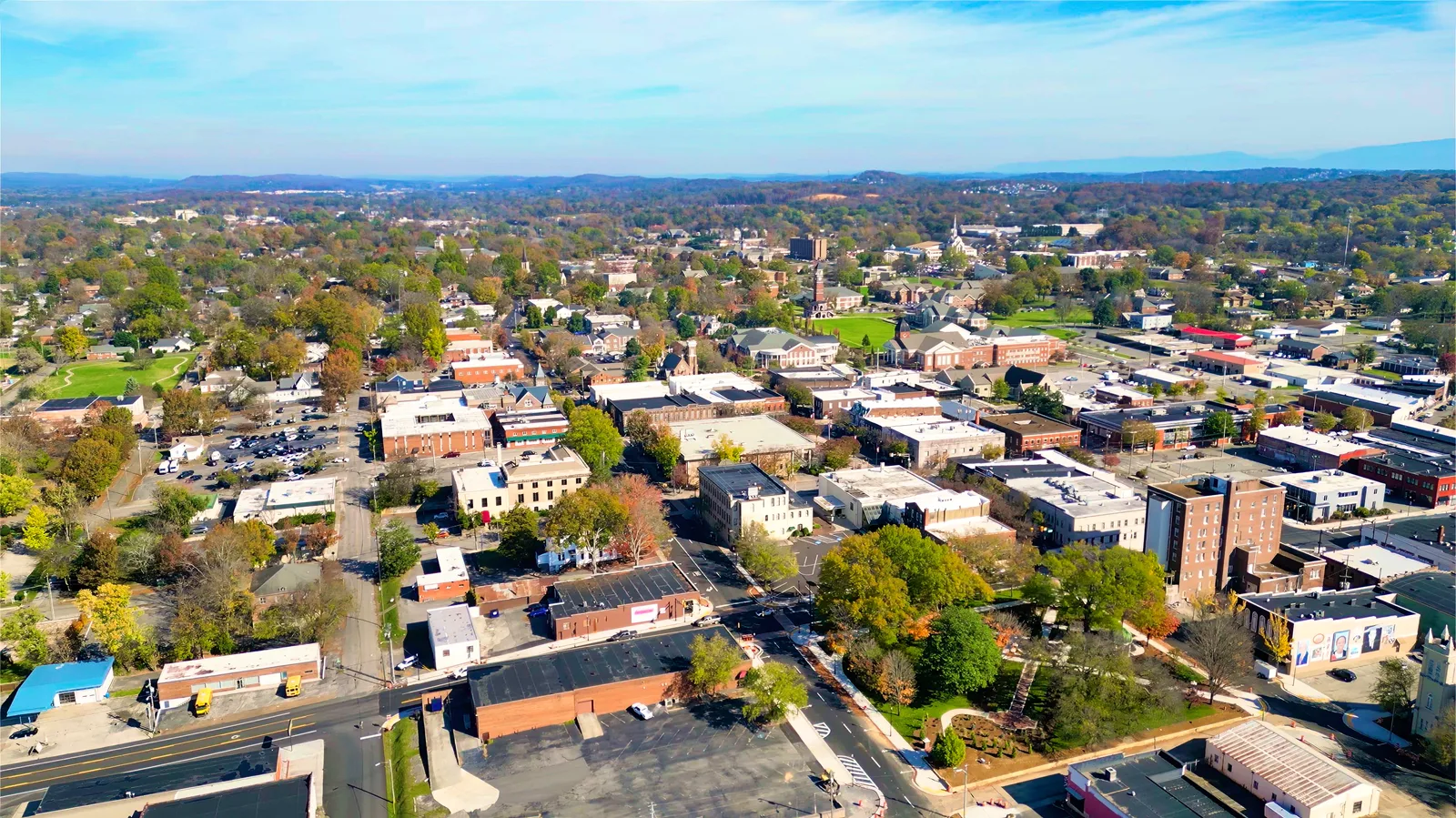
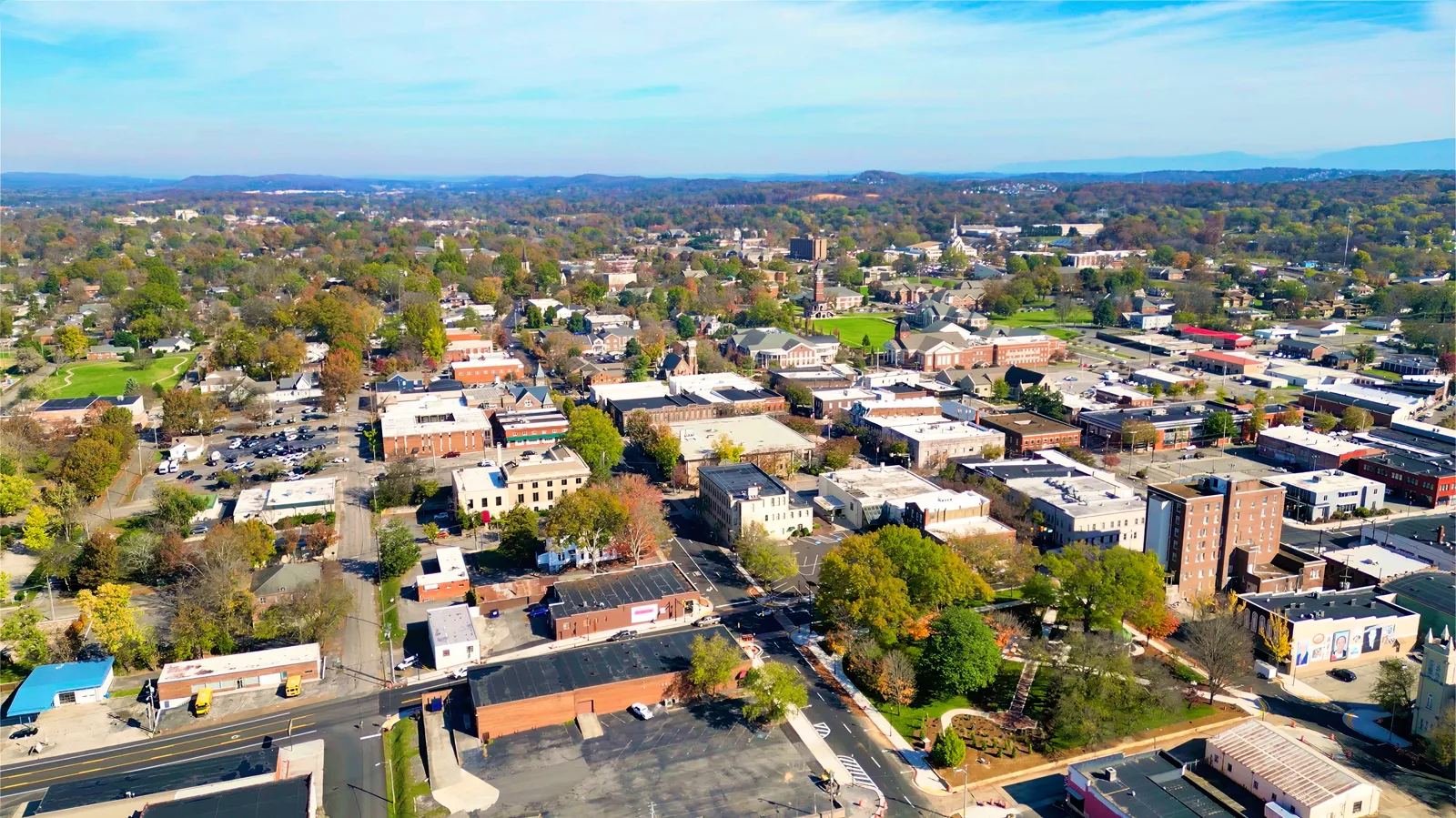
Coverage spans the entire county and connects to the wider two-state service territory across Southeast Tennessee and North Georgia.
- Cleveland - downtown historic district, Blythe-Bower, Stuart Park, and the Keith Street and Paul Huff Parkway corridors
- Charleston - riverfront properties along the Hiwassee
- South Cleveland and Wildwood Lake - established residential neighborhoods with mature tree cover
- Georgetown, Hopewell, and Prospect - rural acreage with well and septic systems
- McDonald, Tasso, and Black Fox - outlying communities along the Hamilton County line
- Bradley Square and Mouse Creek areas - commercial and multi-family properties
Response also reaches neighboring Hamilton and Polk Counties in Tennessee and Catoosa, Walker, and Whitfield Counties in Georgia, including Ooltewah, Apison, Benton, Ringgold, and Dalton, with technicians and drying equipment staged regionally.
Seasonal Damage Patterns in Bradley County
Winter (December - February)
- Frozen and burst pipes in crawlspaces, attics, and unheated garages
- Ice dam leaks on low-slope roof sections
- Heating-related fires from furnaces, fireplaces, and portable heaters
- Smoke damage from puffbacks in oil and gas appliances
Spring (March - May)
- Peak flooded basement season as saturated soil raises the water table
- Severe thunderstorms and wind-driven rain through roof and window failures
- Septic drain field overload and sewage backups
- First mold growth appearing from unresolved winter leaks
Summer (June - August)
- Flash flooding from stalled storm cells on steep terrain
- High indoor humidity accelerating mold in crawlspaces and closets
- AC condensate line clogs flooding hallways and closets
- Lightning strikes causing attic and electrical fires
Fall (September - November)
- Remnant tropical systems bringing prolonged rainfall
- Clogged gutters redirecting water against foundations
- Chimney and flue fires as fireplaces return to use
- Ideal window for moisture inspections before freezing weather
Housing Characteristics & Restoration Considerations
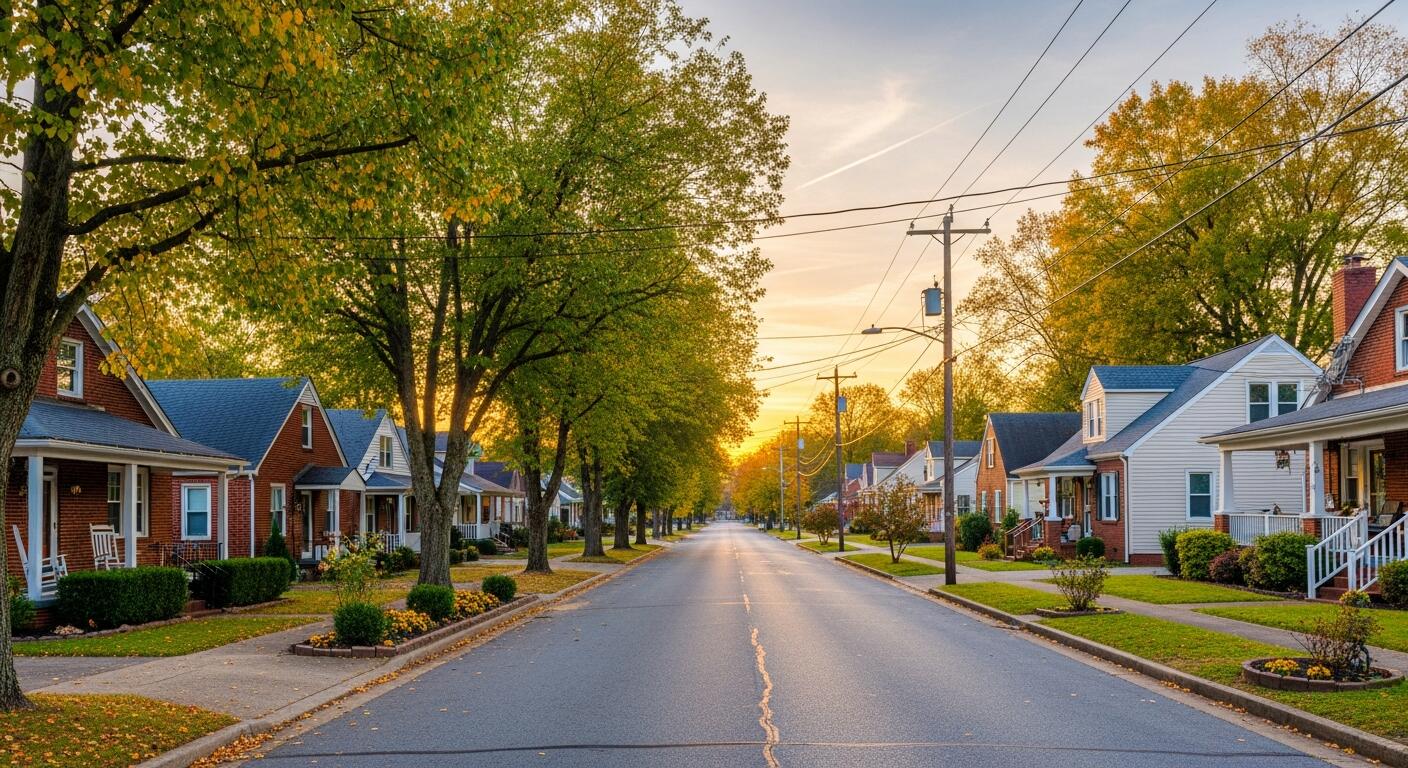
Bradley County housing ranges from pre-war frame homes near downtown Cleveland to brick ranches built through the 1960s and 1970s, plus a large volume of newer subdivision construction along the Paul Huff and APD-40 corridors. Each era responds to water and fire differently.
Older Homes (pre-1970)
- Plaster over wood lath holds moisture far longer than modern drywall and often needs longer drying cycles
- Vented crawlspaces with exposed dirt floors feed humidity into the living space
- Cast iron and galvanized drain lines corrode, raising the risk of sewage releases
- Balloon framing lets smoke and fire travel vertically inside wall cavities
- Original hardwood over plank subfloor can sometimes be saved with mat drying if addressed quickly
Mid-Century and Ranch Construction
- Concrete block foundations and partial basements prone to seepage at the cove joint
- Ductwork routed through crawlspaces collects soot and moisture readily
- Aging aluminum or cloth-sheathed wiring contributes to electrical fire risk
Newer Subdivision Homes
- Tight building envelopes trap moisture, so drying requires controlled dehumidification rather than open windows
- Engineered wood I-joists and OSB subfloor lose strength quickly when saturated
- Multi-story layouts allow supply line failures to damage three levels at once
- Manufactured and modular homes need specialized approaches for belly wrap and insulation removal
Fire rebuilds frequently involve framing replacement, and restoration planning accounts for matching existing materials while bringing repaired assemblies up to current code.
Environmental Conditions & Damage Implications
Southeast Tennessee's humid subtropical climate delivers roughly 55 inches of rain a year, with warm nights and dew points that stay elevated from May into September. Those conditions matter enormously to how a structure dries and how quickly mold takes hold.
Climate and Moisture
- Summer outdoor air often carries more moisture than indoor air, so ventilation alone will not dry a wet building
- Mold colonies can establish on damp cellulose materials within 24 to 48 hours at local summer temperatures
- Winter freeze-thaw cycles crack foundation mortar joints and open new seepage paths
Soil and Groundwater
- Clay-heavy Valley and Ridge soils drain slowly and hold water against foundation walls, driving hydrostatic pressure into basements
- Karst limestone features in parts of the county create sinkholes and unpredictable subsurface water movement
- High seasonal water tables push moisture up through slabs, showing as blistered flooring adhesive
Air Quality and Contamination
- Pollen and particulate loading make HVAC systems a reservoir for soot and mold spores after a loss
- Rural septic systems and well water raise contamination concerns during sewage events, requiring documented disinfection
- Smoke residues bond aggressively to surfaces in humid conditions, so odor work includes sealing porous substrates rather than surface cleaning alone
Every drying plan accounts for these local variables through moisture readings taken at multiple depths and repeated daily until materials reach documented dry standard.
Hidden Moisture and Structural Drying in Bradley County Crawlspaces and Basements
The most expensive restoration failures in this region are not the visible ones. They happen when water is extracted, fans run for a day, and the crew leaves before moisture trapped in framing, insulation, and subfloor has actually released. Six weeks later the homeowner smells mold and the repair starts over - this time with demolition of finished work.
Where Water Hides Locally
- Beneath vinyl and laminate flooring, which acts as a vapor barrier and traps water against the subfloor
- Inside stud cavities behind baseboard, especially where insulation is present
- Under stair stringers and in the void behind basement stud walls furred out from block
- In crawlspace batt insulation, which stays saturated long after the ground surface looks dry
- Within sill plates and band joists where fiberglass insulation blocks airflow
- Inside HVAC ductwork routed through wet crawlspaces
How Thorough Drying Is Verified
- Map the full extent of migration with thermal imaging and penetrating moisture meters, not just where water is visible
- Establish dry standard readings from unaffected areas of the same materials for comparison
- Remove non-salvageable porous materials, including contaminated insulation after sewage exposure
- Set containment and negative air where mold or Category 3 water is involved
- Balance air movers and low-grain-refrigerant dehumidifiers to the affected cubic footage
- Drill controlled inspection ports or use injection drying for wall cavities and hardwood
- Log temperature, relative humidity, and material moisture content daily until targets hold steady
- Apply antimicrobial treatment and document conditions before any reconstruction begins
That documentation trail serves two purposes in Bradley County: it proves to an adjuster that the work was necessary, and it gives the property owner written confirmation that the structure was dry before walls closed up. Combined with careful content handling and odor work on fire and smoke losses, this level of detail is what separates a completed restoration from a recurring problem.