
Damage Restoration in South Cleveland, TN
- Damage Restoration Services Overview
- Common Damage Restoration Issues in South Cleveland, Tennessee
- Neighborhoods We Serve in South Cleveland
- Seasonal Damage Patterns in South Cleveland
- Housing Characteristics & Restoration Considerations
- Environmental Conditions & Damage Implications
- Storm Response and Documentation for South Cleveland Property Owners
Damage Restoration Services Overview
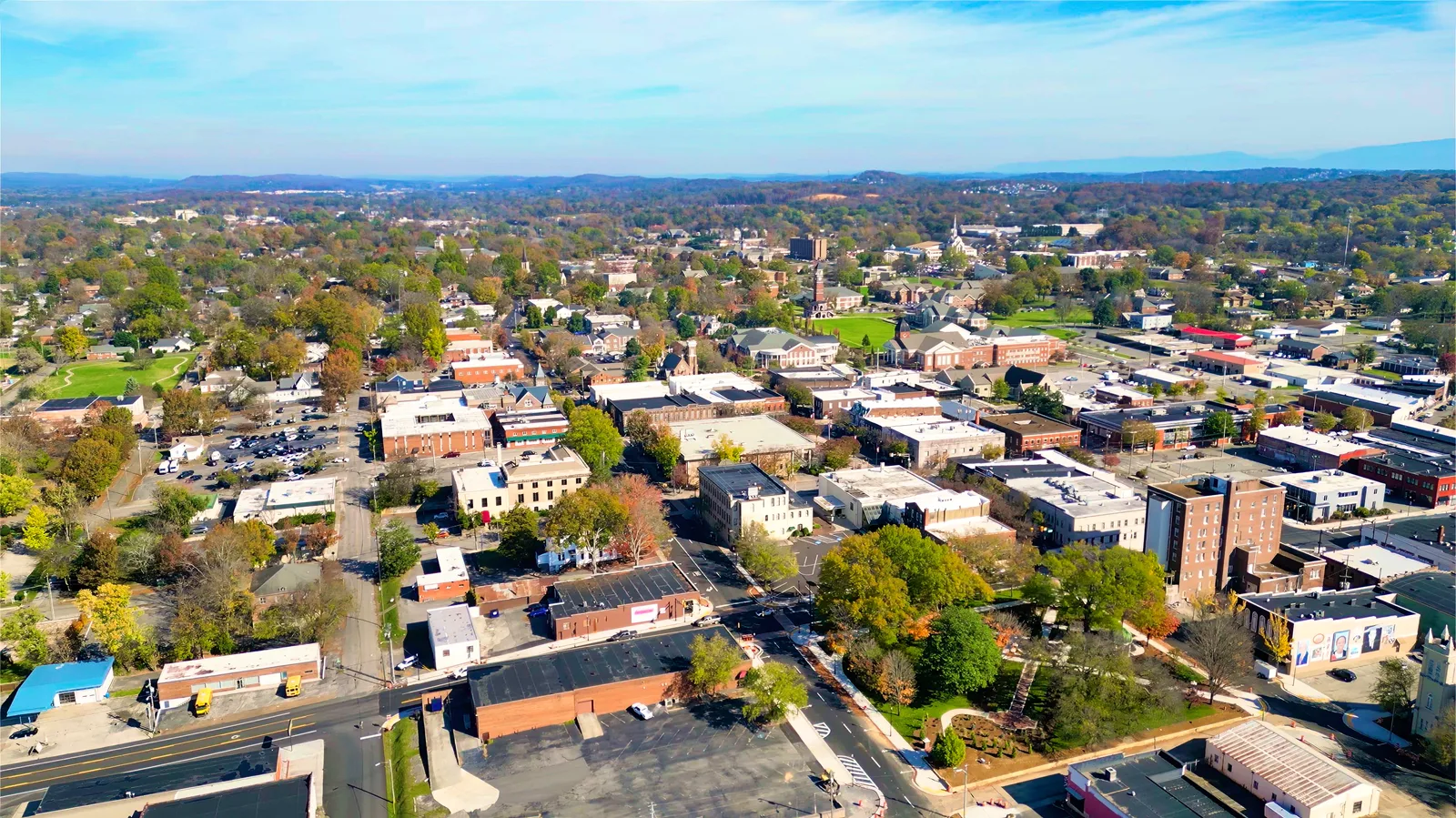
Few things rattle a homeowner like walking into a basement with water over the floor joists or opening a door to the smell of smoke. Property damage in South Cleveland rarely arrives on schedule, and the hours right after discovery shape how much of your home and belongings can be saved.
Restoration work in this part of Bradley County covers a full range of emergencies, each requiring different equipment, training, and sequencing:
- Water Damage Restoration - extraction, structural drying, and moisture mapping after supply line breaks, roof leaks, and appliance failures.
- Flooded Basement - pump-out, sump system evaluation, and drying of below-grade walls, slabs, and stored contents.
- Sewage Cleanup - removal of Category 3 contaminated water, disinfection, and safe disposal of porous materials.
- Fire Damage Restoration - board-up, debris removal, structural cleaning, and coordination of repairs.
- Smoke Damage Restoration - soot removal from surfaces and HVAC systems, plus odor neutralization deep in porous materials.
- Mold Removal - containment, controlled removal of affected materials, and correction of the moisture source feeding growth.
The benefit of a coordinated approach is simple: one crew documents the loss, dries the structure, addresses contamination, and prevents the secondary problems - warped flooring, hidden mold, lingering odor - that surface weeks later when the initial response was rushed.
Common Damage Restoration Issues in South Cleveland, Tennessee
South Cleveland sits on the southern edge of a city shaped by ridges, creek drainages, and clay-heavy soils that drain slowly. Add humid summers and heavy spring storm systems rolling out of the Cumberland Plateau, and you get a predictable set of restoration calls.
Frequent Causes of Loss
- Thunderstorm runoff overwhelming yard grading, window wells, and downspout discharge near foundations along Dalton Pike and Blue Springs Road corridors.
- Sump pump failures during multi-day rain events, particularly in older homes with single-pump systems and no battery backup.
- Sewer line backups caused by tree root intrusion in mature neighborhoods with clay lateral piping.
- Frozen or burst supply lines during January cold snaps, especially in crawl spaces with thin or damaged insulation.
- Kitchen grease fires and heating-season chimney and space heater incidents.
- Mold blooming behind baseboards and under vinyl plank flooring after a minor leak went undried.
Warning Signs Worth Acting On
- A musty odor that gets stronger when the HVAC kicks on - often the first sign of hidden moisture in ductwork or wall cavities.
- Cupping hardwood, bubbling paint, or nail pops appearing along an exterior wall.
- Efflorescence - white chalky residue - on basement block walls, indicating water passing through masonry.
- Gurgling floor drains or slow tub drains, which often precede a full sewage backup.
- Soot streaking above outlets and doorways after a small fire, showing smoke traveled further than the flames.
- Allergy symptoms that improve when family members leave the house.
Neighborhoods We Serve in South Cleveland
Response covers the southern half of Cleveland and the surrounding Bradley County communities, including the residential pockets and commercial corridors below the APD 40 loop.
- Dalton Pike SE and the South Lee Highway corridor
- Blue Springs and the Candies Creek drainage area
- Waterville, Wildwood Avenue, and South Ocoee Street neighborhoods
- Areas surrounding Southern Adventist University and Collegedale to the southwest
- Georgetown Road and Michigan Avenue Road properties
- Bradley Square and 25th Street commercial districts
- Charleston, McDonald, and outlying Bradley County addresses
Coverage extends to single-family homes, rental duplexes, small manufacturing facilities, churches, and retail spaces. Crews familiar with local street layouts and older utility infrastructure can stage equipment quickly, which matters when standing water is still spreading through a structure.
Seasonal Damage Patterns in South Cleveland
Restoration demand in Bradley County follows a rhythm that closely tracks regional weather.
Winter (December - February)
- Burst pipes in crawl spaces and exterior walls during hard freezes
- Fire and smoke damage from fireplaces, wood stoves, and portable heaters
- Puffback soot events from oil and gas furnaces cycling constantly
Spring (March - May)
- Peak severe weather season - wind-driven rain, hail, and tornado-related roof breaches
- Flooded basements as saturated clay soil forces hydrostatic pressure against foundations
- Sewage backups when municipal lines and septic fields reach capacity
Summer (June - August)
- Mold growth accelerating in humidity above 60 percent indoors
- Condensation damage from undersized or overworked air conditioning
- Water heater and washing machine hose failures
Fall (September - November)
- Clogged gutters from oak and maple leaf drop, sending water down foundation walls
- Remnants of tropical systems delivering several inches of rain in a day
- Early heating-season fire calls as systems restart after months idle
Housing Characteristics & Restoration Considerations
South Cleveland's housing stock spans roughly a century, and the construction era of a property changes almost every decision made during restoration.
Common Construction Types
- Post-war and mid-century homes - plaster walls, hardwood over subfloor, and ventilated crawl spaces that trap humidity.
- 1970s - 1990s ranch and split-level homes - partial basements, framed exterior walls with fiberglass batt insulation, and original galvanized or polybutylene supply lines nearing end of life.
- 2000s and newer subdivisions - slab-on-grade construction, engineered flooring, and tighter building envelopes that hold moisture in when a leak occurs.
- Manufactured and modular homes - common in outlying Bradley County, with belly wrap that traps water beneath the floor system.
How Age Affects the Work
- Pre-1980 materials may include asbestos-containing floor tile, mastic, or textured ceilings - testing comes before demolition.
- Lead-safe practices apply to fire and water repairs in homes built before 1978.
- Crawl space homes require separate drying of the substructure, since moisture there migrates upward into living space and feeds mold.
- Plaster and lath holds water far longer than drywall, extending drying schedules and requiring careful cavity monitoring.
- Finished basements with carpet, paneling, and framed walls typically need selective removal after sewage or groundwater intrusion.
- Open floor plans in newer builds allow smoke and soot to travel through the entire home from a single-room fire.
Environmental Conditions & Damage Implications
The environment around South Cleveland works against a drying structure in several specific ways, and understanding those conditions shapes how equipment is deployed.
Climate and Humidity
- Humid subtropical conditions with summer dew points regularly in the upper 60s and low 70s
- Annual rainfall well above the national average, concentrated in spring and winter
- Open-window drying is largely ineffective from May through September - dehumidification must be mechanical and sealed
- Mold spores can colonize damp organic material within roughly two days under these conditions
Soil and Groundwater
- Clay-rich soils across Bradley County expand when wet and shed water slowly, holding it against foundations
- Karst limestone geology in parts of the region creates unpredictable subsurface water movement
- Perched water tables after storms push moisture through block walls and slab cracks
- Sloped lots near ridgelines direct runoff toward downhill structures unless grading is maintained
Air Quality and Contamination
- Heavy tree canopy and agricultural activity raise background spore and pollen counts, meaning post-remediation air quality must be measured against realistic outdoor baselines
- Smoke residue combines with humid air to form acidic films that etch glass, chrome, and appliance finishes quickly
- Sewage backups in warm months carry elevated bacterial loads and demand full antimicrobial treatment plus removal of porous materials
- Septic systems in unsewered areas can surface during saturated conditions, contaminating yards and crawl spaces
Storm Response and Documentation for South Cleveland Property Owners
Bradley County sits in a corridor that sees repeated severe weather outbreaks, and the aftermath of a single storm system can generate water intrusion, roof damage, power-loss-related sump failures, and eventual mold - all from one event. Handling that well requires methodical documentation from the first hour, not just fast equipment placement.
What Thorough Response Looks Like
- Safety assessment - electrical hazards, structural stability, and contamination category are established before anyone begins removal work.
- Moisture mapping - thermal imaging and penetrating meters trace water beyond the visible edge, into wall cavities, subfloors, and insulation.
- Photographic and written documentation - room-by-room records of pre-existing conditions, affected materials, and salvageable contents.
- Containment - negative air and physical barriers isolate sewage or mold work zones from clean areas of the home.
- Controlled removal - only unsalvageable materials come out, cut to clean lines that simplify rebuild.
- Structural drying - air movers and dehumidifiers sized to the affected cubic footage, with daily moisture readings logged until materials reach dry standard.
- Odor and residue treatment - HEPA vacuuming, surface cleaning by soot type, and thermal or hydroxyl treatment for smoke odor.
- Verification - post-remediation testing and a final walkthrough before reconstruction begins.
What Homeowners Can Do Before Crews Arrive
- Shut off water at the main valve if the source is a supply line
- Avoid entering standing water where outlets or panels are submerged
- Photograph everything, including the outside of the home and any storm damage
- Move small valuables, documents, and electronics to a dry, upper-level room
- Keep foot traffic out of sewage-affected areas entirely, especially children and pets
- Locate your policy number and start a written log of every call and expense
Detailed records shorten claim disputes and give adjusters the evidence they need. In a community where many homes have been in the same family for decades, that attention to detail also protects the flooring, trim, and furniture that cannot simply be replaced.





