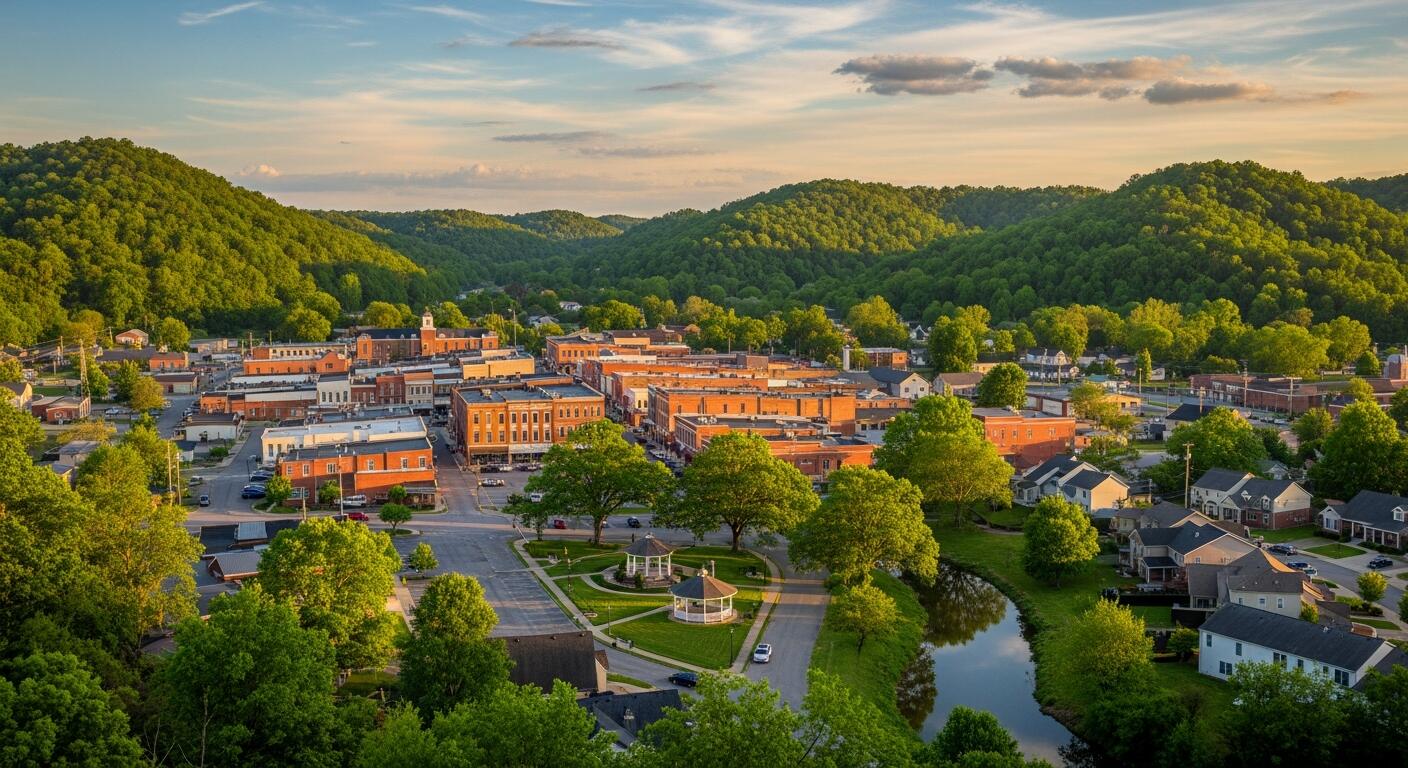
Damage Restoration in Coffee County, TN
- Damage Restoration Services Overview
- Common Damage Restoration Issues in Coffee County, Tennessee
- Neighborhoods We Serve in Coffee County
- Seasonal Damage Patterns in Coffee County
- Housing Characteristics & Restoration Considerations
- Environmental Conditions & Damage Implications
- Septic Systems, Rural Properties, and Full-Scope Restoration in Coffee County
Damage Restoration Services Overview
What happens in the first few hours after a pipe bursts, a septic line backs up, or smoke fills a Manchester living room? Those early decisions often determine whether a property is dried and rebuilt or gutted down to the studs.
Coffee County properties face a wide mix of damage scenarios, from Duck River flooding to aging septic systems and winter pipe failures. IICRC-certified technicians respond around the clock with the equipment and documentation needed for every stage of recovery.
- Water Damage Restoration - extraction, structural drying, moisture mapping, and monitoring until materials return to dry standard
- Flooded Basement Cleanup - submersible pumping, contents handling, and drying of below-grade walls, slabs, and framing
- Sewage Cleanup - removal of contaminated water and porous materials, antimicrobial treatment, and full sanitizing of affected areas
- Fire Damage Restoration - board-up, debris removal, soot cleaning, and structural repair coordination
- Smoke Damage Restoration - odor neutralization, HVAC cleaning, and treatment of surfaces smoke reached beyond the burn area
- Mold Removal - containment, air filtration, safe removal of colonized materials, and correction of the moisture source
Benefits for local homeowners and business owners include faster reoccupancy, reduced secondary damage, insurance-ready photo and moisture documentation, and a single team managing the project from emergency response through reconstruction.
Common Damage Restoration Issues in Coffee County, Tennessee
Coffee County sits on the western edge of the Highland Rim, where heavy clay soils, high annual rainfall, and a large share of properties on private septic systems create recurring restoration problems.
Frequent Causes of Damage
- Duck River and Normandy-area tributary flooding affecting homes near low-lying floodplains
- Saturated clay soils pushing groundwater through basement walls and crawl space vents
- Septic drain field failure during sustained spring and summer rainfall
- Aging cast iron and clay sewer laterals collapsing under root intrusion
- Burst supply lines in unheated crawl spaces during hard freezes
- Kitchen grease fires, wood stove and fireplace incidents, and electrical faults in older wiring
- Straight-line winds and hail opening roofs to rain intrusion
Warning Signs Worth Acting On
- Musty odors in crawl spaces, closets, or finished basements that never fully clear
- Cupping hardwood, bubbling paint, or dark staining along baseboards
- Slow drains throughout the house or standing water above a drain field
- Gurgling toilets after heavy rain - a common early sign of septic overload
- Persistent smoke odor that returns on humid days after a small kitchen fire
- Visible growth on floor joists, subflooring, or behind vinyl wall coverings
- Condensation on ductwork or windows during shoulder seasons
Small problems compound quickly in this climate. Mold can establish on damp drywall within a couple of days, and untreated soot becomes acidic, permanently etching metal, glass, and finished surfaces.
Neighborhoods We Serve in Coffee County
Crews cover the full county and the surrounding communities that share its soil and weather conditions.
- Manchester - downtown, Duck River corridor properties, and newer subdivisions off Hillsboro Boulevard
- Tullahoma - established neighborhoods, lakeside homes near Tims Ford, and commercial corridors
- Beechgrove - rural acreage and septic-served residences along the northern county line
- Summitville, Hillsboro, and Noah - farmsteads and older frame homes
- Normandy and the Normandy Lake area - waterfront and seasonal properties
Service also extends into neighboring communities, including Bell Buckle and Wartrace in Bedford County, and north through Christiana, Rockvale, Murfreesboro, Smyrna, and La Vergne in Rutherford County. Williamson County communities such as Brentwood, Nolensville, Thompsons Station, College Grove, and Arrington fall within the same response territory, giving property owners across the region access to one restoration team.
Seasonal Damage Patterns in Coffee County
Restoration call volume in Coffee County follows a predictable rhythm tied to rainfall, temperature swings, and heating habits.
- December through February - frozen and burst pipes in crawl spaces and exterior walls, chimney and space heater fires, smoke damage from wood stoves, and ice storm roof failures
- March through May - the heaviest flooding season, with Duck River rises, flooded basements, saturated drain fields, and sewage backups after multi-day rain events
- June through August - mold growth accelerates in humid crawl spaces, condensation forms on ductwork, severe thunderstorms and straight-line winds open roofs, and lightning strikes cause structure fires
- September through November - remnant tropical systems bring sudden rainfall, and the first cold snaps trigger furnace puff-backs that spread soot through duct systems
Year-Round Concerns
- Septic system failures - possible any month, but worst during prolonged wet stretches
- Appliance leaks from water heaters, washing machines, and refrigerator lines
- Hidden mold behind cabinetry and finished basement walls
- Slow supply line leaks in older copper and galvanized plumbing
Housing Characteristics & Restoration Considerations
Coffee County housing spans century-old farmhouses, mid-century brick ranches, manufactured homes on rural parcels, and newer subdivision construction around Manchester and Tullahoma. Each type responds differently to water, smoke, and microbial damage.
Older Homes (pre-1970)
- Plaster and lath walls hold moisture far longer than drywall and require extended drying
- Original hardwood over plank subfloor traps water between layers
- Knob-and-tube or early wiring raises fire risk and complicates post-fire rebuild
- Possible asbestos-containing floor tile, mastic, and pipe wrap requiring testing before demolition
- Vented crawl spaces with exposed soil feed persistent humidity and joist mold
Mid-Century and 1980s-1990s Homes
- Brick veneer over frame - water wicks behind veneer and hides from view
- Finished basements with paneling and carpet over slab that trap moisture underneath
- Aging cast iron drain lines prone to backup and sewage overflow
Newer Construction
- Tight building envelopes dry slowly without controlled dehumidification
- Engineered wood flooring and OSB subfloor swell permanently once saturated
- Open floor plans allow smoke and odor to travel through the entire structure quickly
Rural properties on well water and septic add another layer, since restoration must address both the structure and the system that caused the loss. Technicians document construction type, materials, and moisture readings room by room so insurance carriers receive an accurate picture of the scope.
Environmental Conditions & Damage Implications
Coffee County averages well over fifty inches of rain annually, with warm, humid summers and freeze-thaw cycles through winter. That combination drives most of the restoration work in the area.
Soil and Groundwater
- Highland Rim clay and silt loam drain slowly, holding water against foundations
- Perched water tables push moisture through block basement walls and slab cracks
- Saturated soils prevent septic drain fields from absorbing effluent, causing backups into homes
- Karst features and sinkholes in parts of the county can channel surface water underground unpredictably
Humidity and Air Quality
- Summer relative humidity regularly exceeds levels where mold thrives on organic building materials
- Crawl spaces stay damp year-round without encapsulation or dehumidification
- Pollen and agricultural dust load HVAC systems, worsening air quality after fire or water events
- Smoke particulate settles into insulation and duct interiors, requiring cleaning rather than surface wiping
Water Characteristics
- Moderately hard water contributes to scale buildup and supply line failures in older plumbing
- Iron content in some private wells stains materials during flood events
- River and creek floodwater carries agricultural runoff, silt, and bacteria - always treated as contaminated
These conditions mean drying alone rarely finishes the job. Effective restoration pairs moisture removal with humidity control, antimicrobial treatment, and correction of the drainage or plumbing issue that allowed water in.
Septic Systems, Rural Properties, and Full-Scope Restoration in Coffee County
A large share of Coffee County homes sit outside municipal sewer service, relying on private septic tanks and drain fields. When those systems fail during a wet spring, the result is contaminated water inside living space - a category three loss requiring specific handling.
How a Septic-Related Sewage Loss Is Handled
- Emergency response and safety assessment, including electrical hazards and confirming the source
- Containment of the affected area with negative air pressure to prevent cross-contamination
- Extraction of contaminated water and removal of saturated porous materials such as carpet, pad, drywall, and insulation
- Cleaning and antimicrobial application to all remaining structural surfaces
- Structural drying with air movers and dehumidifiers, with daily moisture readings logged
- Post-remediation verification, deodorization, and coordination with septic contractors on the underlying repair
- Reconstruction of removed materials, from subfloor and drywall through paint and flooring
What Start-to-Finish Service Includes
- 24/7 emergency dispatch to Manchester, Tullahoma, Beechgrove, Summitville, and surrounding rural areas
- Water extraction and flooded basement pumping for below-grade spaces
- Fire and smoke response including board-up, soot removal, and odor treatment
- Mold containment and removal with correction of the moisture source
- Contents pack-out, cleaning, and storage where needed
- Direct communication with insurance adjusters and complete photo and moisture documentation
- Full reconstruction so the property is returned to pre-loss condition by one accountable team
Rural addresses, long driveways, and well-and-septic infrastructure require crews familiar with the territory. Working the same counties year after year means faster arrival, accurate scoping, and fewer surprises once demolition begins.