Damage Restoration in Sevier County, TN
- Damage Restoration Services Overview
- Common Damage Restoration Issues in Sevier County, Tennessee
- Neighborhoods We Serve in Sevier County
- Seasonal Damage Patterns in Sevier County
- Housing Characteristics & Restoration Considerations
- Environmental Conditions & Damage Implications
- Protecting Vacation Rentals and Cabins Between Guest Stays
Damage Restoration Services Overview

Water spreads through drywall, subfloor, and insulation within hours, and smoke residues turn acidic on metal and glass almost as fast. In Sevier County, where mountain storms and older cabin construction meet heavy visitor traffic, the window between a manageable cleanup and a full rebuild is short.
Restoration teams serving Sevierville, Pigeon Forge, and Gatlinburg respond around the clock with IICRC-certified technicians, truck-mounted extractors, commercial dehumidifiers, and air scrubbers.
- Water Damage Restoration - extraction, structural drying, moisture mapping, and documentation for insurance claims
- Flooded Basement - pump-out, sump and drain evaluation, contents removal, and below-grade dehumidification
- Sewage Cleanup - Category 3 containment, removal of porous materials, antimicrobial treatment, and disposal
- Fire Damage Restoration - debris removal, board-up and tarping, soot cleaning, and structural cleaning
- Smoke Damage Restoration - thermal fogging, HEPA filtration, duct cleaning, and odor neutralization
- Mold Removal - containment barriers, negative air, material removal, and moisture source correction
The benefit for property owners is straightforward: faster drying means fewer materials discarded, lower secondary damage, and a quicker return to normal use for a residence, rental cabin, or storefront.
Common Damage Restoration Issues in Sevier County, Tennessee
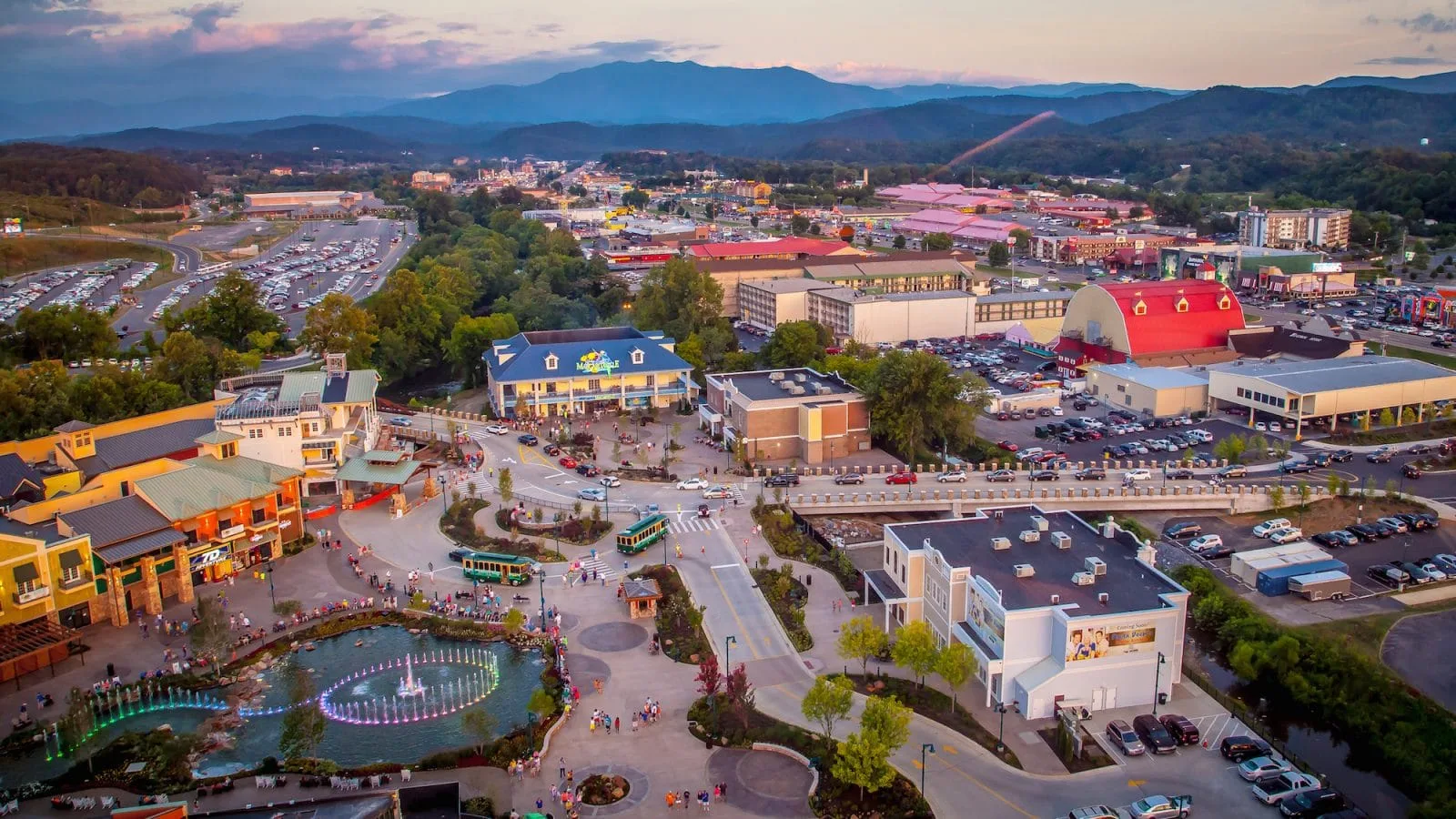
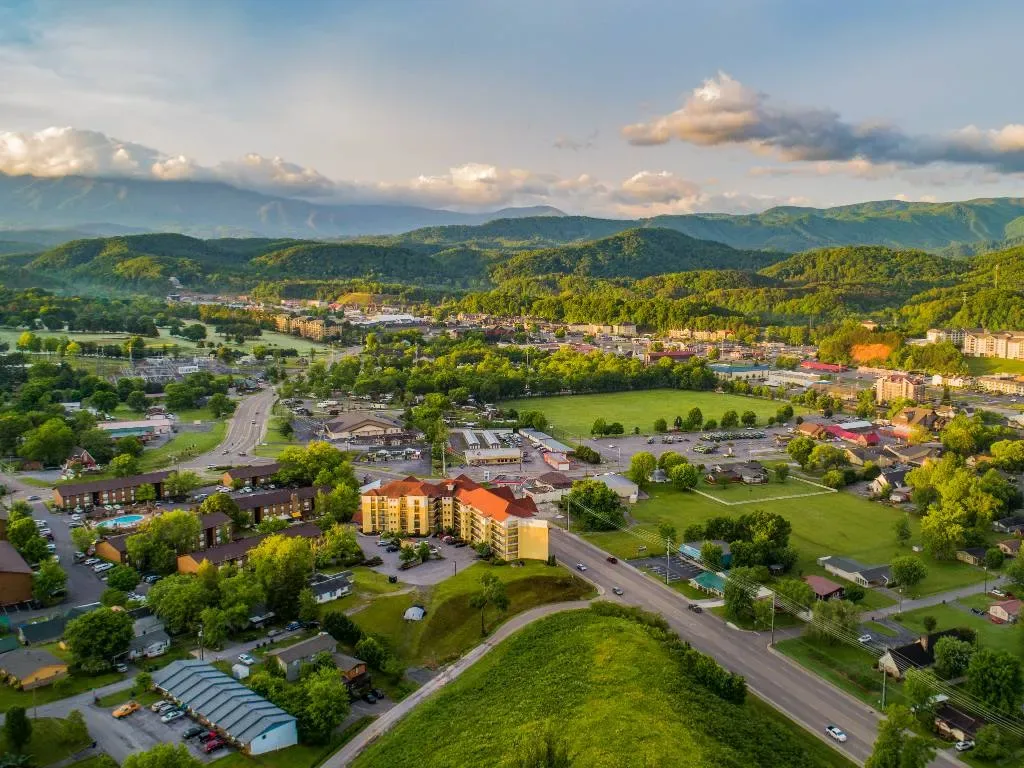
Sevier County sits at the foot of the Great Smoky Mountains, and the terrain drives most of the damage patterns local crews see year after year.
Local Causes of Loss
- Heavy orographic rainfall pushing runoff downhill into basements, crawl spaces, and daylight walkouts
- Flash flooding along the Little Pigeon River, Walden Creek, and smaller tributaries
- Frozen and burst supply lines in seasonal cabins left unoccupied during cold snaps
- Septic system saturation on rural mountain lots, leading to backups into lower levels
- Wildfire and wind-driven smoke intrusion, a risk the 2016 Gatlinburg fires made unforgettable
- Fireplace, wood stove, and hot tub heater failures in rental properties
- HVAC condensate overflow during humid summers
Warning Signs Worth Acting On
- Musty odor in a crawl space or lower level that intensifies after rain
- Cupping hardwood, bubbling paint, or tape seams lifting on drywall
- Rust streaks at the base of water heaters, pumps, or metal framing
- Slow drains or gurgling fixtures that hint at a sewer or septic obstruction
- Persistent smoke smell that returns when humidity rises, indicating residues still in porous surfaces
- Dark speckling on ceiling corners, closet walls, or behind furniture placed on exterior walls
Rental cabins raise the stakes. A leak discovered days after guests check out often means saturated subfloor and active microbial growth rather than a simple dry-out.
Neighborhoods We Serve in Sevier County
Coverage spans the valley floor, the resort corridors, and the ridge developments that sit well off the main highways.
- Sevierville - downtown, Dumplin Valley, Boyds Creek, Catlettsburg, and the Douglas Lake shoreline
- Pigeon Forge - Parkway corridor, Wears Valley Road, Waldens Creek, and Middle Creek
- Gatlinburg - downtown, Ski Mountain, Chalet Village, Baskins Creek, and Roaring Fork
- Seymour and Kodak - suburban subdivisions and newer slab-on-grade construction
- Pittman Center and Cosby Highway area - rural properties on well and septic
- Wears Valley, Jones Cove, New Center, and Shady Grove - cabin clusters on steep access roads
Crews stage equipment with mountain access in mind, since gravel switchbacks and narrow bridges affect how quickly extraction trucks and generators reach a property above Gatlinburg or deep in Wears Valley.
Seasonal Damage Patterns in Sevier County
Winter (December - February)
- Burst pipes in unheated cabins, crawl spaces, and exterior hose bibs
- Ice dams on low-slope cabin roofs causing ceiling stains
- Peak fire and smoke damage from fireplaces, space heaters, and chimney creosote
Spring (March - May)
- Highest volume of flooded basements and crawl spaces from sustained rain
- Groundwater intrusion where sump pumps fail or grading has eroded
- Septic and sewer backups when soils reach saturation
Summer (June - August)
- Mold growth accelerates as indoor humidity climbs and cabins sit closed between bookings
- Thunderstorm downbursts driving rain through soffits and window flashing
- Lightning strikes causing attic and electrical fires
Fall (September - November)
- Remnants of tropical systems producing flash flooding along creek bottoms
- Dry, windy stretches raising brush and wildfire smoke risk
- First heating cycles exposing furnace puff-backs and soot deposits
Housing Characteristics & Restoration Considerations
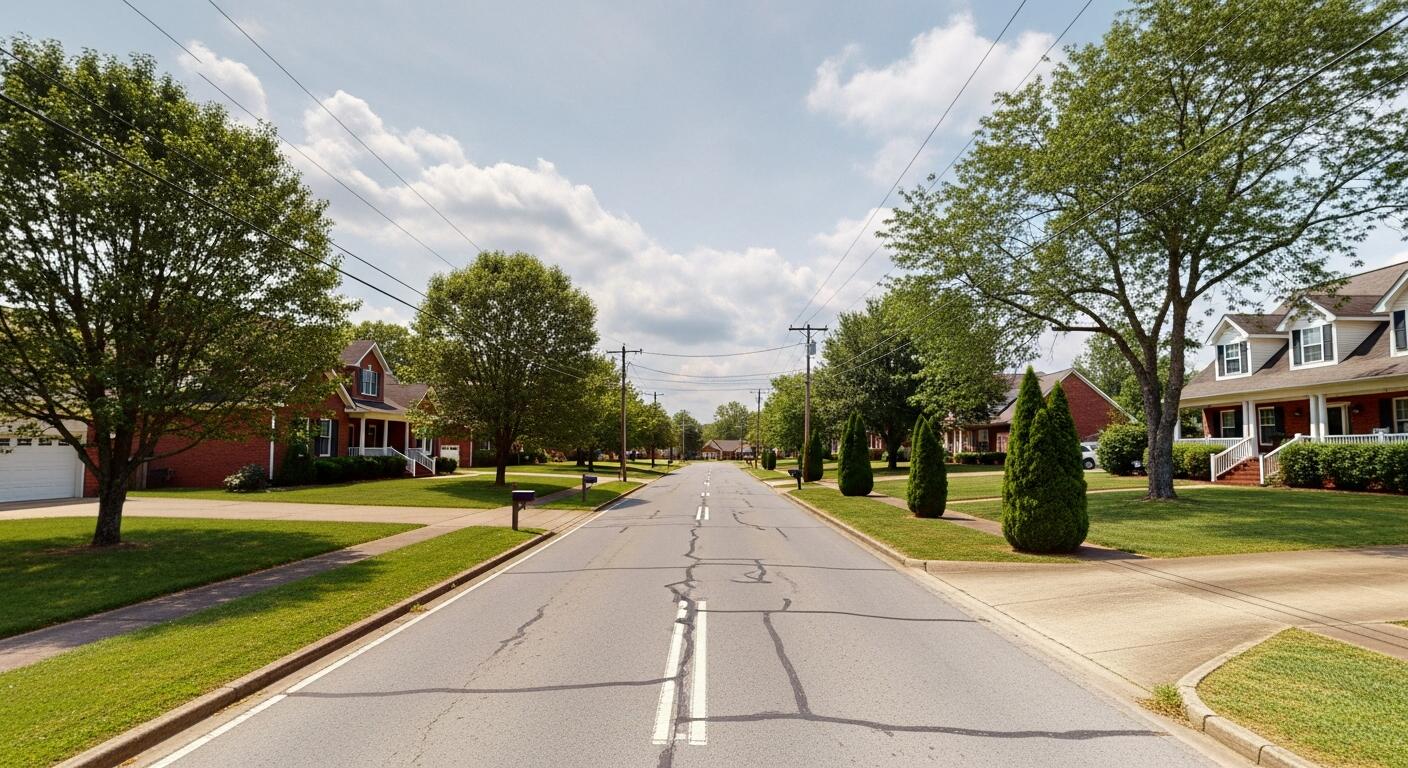
The county's building stock is unusually varied - mid-century farmhouses in Boyds Creek, 1980s-2000s log cabins on the ridges, and newer slab-built subdivisions in Kodak and Seymour.
Construction Types and What They Mean for Restoration
- Log and timber cabins - logs hold moisture deep in the checking and require penetrating meters, controlled drying, and sometimes injection drying rather than surface airflow alone
- Post-and-pier foundations on slopes - open crawl spaces invite wind-driven rain, rodent entry, and insulation that traps moisture against joists
- Walkout basements - hydrostatic pressure against below-grade walls is the leading cause of repeat flooding, so drainage correction matters as much as extraction
- Older farmhouses - plaster, knob-and-tube remnants, and potential asbestos or lead require testing before demolition on fire and water losses
- Slab-on-grade homes - supply line breaks under slabs demand leak detection and often selective concrete work
- Multi-level rental cabins - water travels through three or four floors before anyone notices, expanding the affected area dramatically
Practical Implications
- Cedar, pine, and tongue-and-groove interiors absorb smoke odor readily and usually need cleaning plus sealing
- Spray foam and dense-pack insulation hide moisture, so thermal imaging guides selective removal
- Hot tubs, bunk rooms, and game rooms concentrate plumbing risk in finished lower levels
- Vacation properties benefit from leak sensors and freeze alarms tied to a property manager's phone
Environmental Conditions & Damage Implications
Sevier County records some of the heaviest annual rainfall in Tennessee, with higher elevations near the national park boundary receiving substantially more than the valley floor. Combine that with warm, humid summers and the conditions favor microbial growth almost year-round.
Climate and Moisture
- Summer relative humidity frequently exceeding 70 percent, keeping unconditioned crawl spaces above the dew point threshold for mold
- Freeze-thaw cycling in winter that stresses supply lines and masonry
- Fog and cool mountain air that slow natural evaporation, making mechanical dehumidification necessary
Soil, Water, and Terrain
- Clay-heavy and rocky soils with limited percolation, sending runoff sideways toward foundations
- Karst limestone features in parts of the valley that can channel water unpredictably
- Steep slopes concentrating stormwater into a handful of drainage paths
- Private wells and septic systems on rural lots, where saturation triggers backups classified as Category 3 contamination
Air Quality Factors
- Regional haze and valley inversions that hold smoke and particulates close to the ground after any fire event
- Heavy pollen loads in spring that foul HVAC filters and reduce air handling efficiency during drying
- Wildfire smoke intrusion capable of depositing residues in homes miles from the burn area
These conditions shape the scope of work: longer dehumidification cycles, more aggressive containment on mold projects, and HEPA filtration on nearly every fire or smoke job.
Protecting Vacation Rentals and Cabins Between Guest Stays
Sevier County has thousands of short-term rental cabins, and their occupancy pattern creates a distinct restoration challenge. A property can sit empty for days between bookings, which is exactly when a supply line lets go or a sump pump quits.
Why Rental Properties Sustain Larger Losses
- Nobody is present to hear running water or smell early smoke
- Owners often live out of state and rely on a manager's periodic checks
- Multi-story layouts let water cascade from a top-floor bathroom to the lower level
- Hot tubs, ice makers, and washing machines run heavily and fail more often
- Heat is sometimes turned down too far in winter, freezing lines in exterior walls
Steps That Reduce Exposure
- Install water leak sensors under sinks, behind toilets, near water heaters, and at hot tub equipment
- Add a freeze alarm and keep minimum heat settings written into the housekeeping checklist
- Fit an automatic shutoff valve on the main supply line
- Service sump pumps and add battery backup before the spring rain season
- Clean chimneys and inspect gas logs annually to limit fire and soot events
- Keep gutters, downspouts, and hillside drainage clear so water moves away from the foundation
- Photograph rooms and contents each season to speed claim documentation
What Happens After a Call
Restoration crews coordinate directly with property managers and adjusters, prioritizing board-up or emergency extraction first, then moisture mapping and equipment placement. Drying logs and photo documentation are shared throughout so an owner in another state can follow progress. Where cabins share access roads or a common water source, technicians check neighboring units for related damage - a burst line in one building has more than once revealed problems next door.