
Damage Restoration in Pigeon Forge, TN
- Damage Restoration Services Overview
- Common Damage Restoration Issues in Pigeon Forge, Tennessee
- Neighborhoods We Serve in Pigeon Forge
- Seasonal Damage Patterns in Pigeon Forge
- Housing Characteristics & Restoration Considerations
- Environmental Conditions & Damage Implications
- Protecting Vacation Rental Cabins from Water, Fire, and Mold Loss
Damage Restoration Services Overview
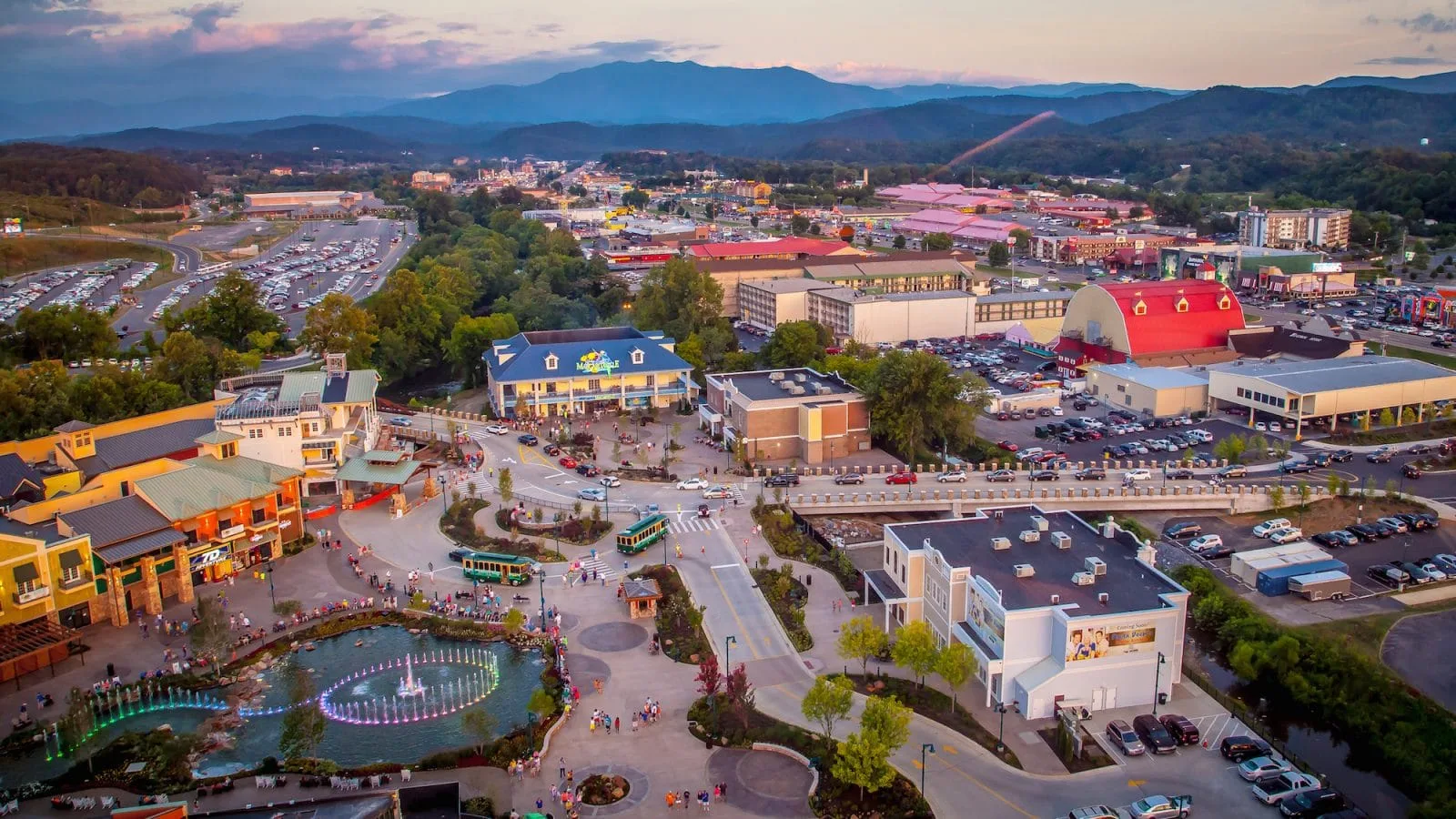
Pigeon Forge sits in a valley that collects more than 50 inches of rain each year - roughly 20 percent wetter than the national average - and that water has to go somewhere. Between mountain runoff from the Great Smoky Mountains, the Little Pigeon River, and the sheer density of cabins, condos, and hospitality properties, moisture-related property damage is a constant reality here.
Restoration teams serving Pigeon Forge respond around the clock to a full range of emergencies:
- Water Damage Restoration - extraction, structural drying, and moisture mapping after leaks, storms, or appliance failures
- Flooded Basement cleanup - pumping standing water from lower levels, crawl spaces, and walk-out foundations
- Sewage Cleanup - safe removal of Category 3 contaminated water with antimicrobial treatment
- Fire Damage Restoration - board-up, debris removal, structural cleaning, and content recovery
- Smoke Damage Restoration - soot removal, thermal fogging, HVAC cleaning, and odor neutralization
- Mold Removal - containment, HEPA filtration, affected material removal, and moisture source correction
Fast response protects more than drywall. It preserves rental income for cabin owners, prevents secondary mold growth, and keeps insurance claims documented properly from hour one.
Common Damage Restoration Issues in Pigeon Forge, Tennessee
The geography that draws millions of visitors to Pigeon Forge also creates predictable property risks. Steep terrain, heavy rain, and older cabin construction combine in ways that flatland communities rarely see.
Frequent Causes of Damage Locally
- Mountain runoff and flash flooding - water sheets downhill fast, overwhelming gutters, French drains, and basement walls along the Little Pigeon River corridor
- Frozen and burst pipes - unoccupied rental cabins at higher elevations lose heat, and supply lines split behind walls
- Septic and sewer backups - many properties outside city sewer rely on septic systems that struggle under peak-season guest loads
- Fireplace, grill, and hot tub electrical fires - amenity-heavy cabins carry more ignition sources than typical homes
- Wildfire smoke intrusion - the 2016 Sevier County fires proved how quickly smoke and soot travel through ridgelines
- Chronic humidity - crawl spaces and log walls hold moisture that feeds mold colonies
Warning Signs Worth Acting On
- Musty odors in a cabin that has sat vacant between bookings
- Cupping or darkening hardwood near exterior doors and windows
- Water stains spreading across ceilings below upper-level bathrooms
- Gurgling drains or slow toilets signaling a septic or sewer issue
- Persistent smoke odor that returns on humid days after a small fire
- Visible discoloration on crawl space joists or basement framing
Neighborhoods We Serve in Pigeon Forge
Coverage spans the city limits and the surrounding Sevier County mountain communities where cabin properties cluster.
- Downtown Parkway corridor - hotels, attractions, retail, and restaurant kitchens
- Wears Valley - hillside cabins and rural properties with private wells and septic
- Upper Middle Creek and Middle Creek Road - established residential neighborhoods
- Walden Creek and Waldens Creek Road - mixed residential and rental cabin developments
- Caney Creek, Butler Branch, and Henderson Springs - ridge-top rental communities
- Pine Mountain and Bluff Mountain areas - high-elevation cabins prone to freeze events
- Teaster Lane and Veterans Boulevard - commercial and lodging properties
Nearby service also reaches Sevierville, Gatlinburg, Kodak, Seymour, and the Douglas Lake communities, keeping response times short for property managers who oversee units across multiple towns.
Seasonal Damage Patterns in Pigeon Forge
Each season brings a different dominant threat, and knowing the pattern helps owners prepare before the call becomes an emergency.
- December - February: Frozen pipe bursts lead the calls. Vacant cabins, exposed crawl space plumbing, and cold snaps produce flooded basements and multi-level water damage. Fireplace and space heater fires spike alongside heating season.
- March - May: Spring storms and snowmelt from the Smokies drive flash flooding, saturated foundations, and groundwater intrusion into lower levels. Sewage and septic backups increase as soil saturates.
- June - August: Peak humidity and heavy tourist occupancy. Mold growth accelerates in crawl spaces and closed-up units. Overloaded septic systems, air conditioning condensate overflows, and kitchen fires in commercial properties rise.
- September - November: Drier conditions raise wildfire and smoke damage risk, especially in drought years. Leaf-clogged gutters send roof runoff into walls, producing hidden water damage discovered weeks later.
Year-round, unoccupied rental turnover means damage often goes unnoticed for days - which is exactly why routine inspections pay off.
Housing Characteristics & Restoration Considerations
Pigeon Forge housing skews newer than the national average thanks to decades of tourism-driven construction, but the mix is unusually varied - and each building type responds differently to water, fire, and mold.
Common Construction Types
- Log and timber-frame cabins - porous wood absorbs water and smoke odor deeply, requiring specialized drying and soda or media blasting rather than surface wiping
- Stick-built homes from the 1970s - 1990s - fiberglass insulation and cellulose-backed materials hold moisture and support mold quickly
- Elevated cabins on pier foundations - exposed plumbing beneath the floor is highly vulnerable to freeze damage
- Walk-out and daylight basements - built into slopes, these take on hydrostatic pressure and groundwater during heavy rain
- Vented crawl spaces - very common locally and a leading source of chronic mold and wood rot
- Multi-story condos and hotels - a single supply line failure can affect several units vertically
How Construction Shapes the Restoration Plan
- Moisture readings are taken in wood framing, subfloor, and log courses, not just drywall surfaces
- Drying equipment is sized for open-plan cabin layouts with vaulted ceilings and loft spaces
- Contaminated materials in sewage events are removed to sound structure and treated with antimicrobials
- Smoke residue on tongue-and-groove ceilings is addressed with cleaning methods matched to the finish
- Crawl space encapsulation and dehumidification are recommended to stop repeat mold growth
Environmental Conditions & Damage Implications
The Smoky Mountain environment is beautiful and brutal on building materials. Understanding local climate and soil explains why damage here behaves differently than in drier regions.
Climate and Air
- High annual rainfall - the valley receives well above the national average, with higher totals at elevation
- Persistent humidity - summer relative humidity frequently exceeds 70 percent, keeping indoor materials near mold-friendly moisture levels
- Fog and slow evaporation - shaded, tree-covered lots dry slowly after storms
- Seasonal haze and particulates - valley inversions trap smoke, which matters during regional fire events
- Freeze-thaw cycling - repeated cycles crack foundation walls and stress plumbing
Soil and Water
- Clay-heavy and rocky mountain soils - drain poorly, pushing water against foundations rather than away
- Steep grades - concentrate runoff toward downslope structures and basement walls
- Karst limestone features - parts of Sevier County have sinkhole and subsurface drainage activity that alters groundwater flow
- Private wells and septic systems - flooding can contaminate both, turning a water event into a sewage cleanup
- River proximity - properties near the Little Pigeon River face rapid-rise flooding after mountain storms
These conditions mean drying targets must account for high ambient humidity, and mold prevention requires controlling the moisture source - not simply treating visible growth.
Protecting Vacation Rental Cabins from Water, Fire, and Mold Loss
Pigeon Forge has thousands of short-term rental cabins, and the ownership model creates a specific problem: damage happens while nobody is watching. A supply line fails on a Tuesday, the next guest arrives Friday, and by then water has traveled through three floors. Absentee ownership turns small failures into major claims.
Why Rental Properties Face Elevated Risk
- Vacancy gaps between bookings delay discovery of leaks and backups
- Guests use hot tubs, fireplaces, grills, and full kitchens without familiarity
- Septic systems designed for a family absorb loads from large groups
- Thermostats get adjusted or shut off, inviting freeze damage in winter
- Deferred maintenance on remote properties compounds quietly
A Practical Prevention and Response Framework
- Install monitoring - water sensors near water heaters, washers, and under sinks, plus remote temperature alerts
- Set a minimum winter thermostat and insulate exposed crawl space plumbing before the first hard freeze
- Schedule septic pumping on an occupancy-based cycle rather than a calendar guess
- Inspect crawl spaces and attics quarterly for moisture, staining, and early mold growth
- Service chimneys, dryer vents, and grills annually to reduce fire and smoke risk
- Keep a restoration contact on file so housekeeping staff can trigger response immediately
What Professional Standards Deliver
Qualified restoration crews follow IICRC S500 water damage and S520 mold remediation standards, along with recognized fire and smoke restoration practices. That means documented moisture readings, proper containment, negative air pressure with HEPA filtration, correct water category classification, and drying verified by instruments rather than appearance.
For owners, the payoff is straightforward: faster return to bookable condition, cleaner insurance documentation, and repairs that hold up through the next Smoky Mountain storm season.





