Damage Restoration in Monroe County, TN
- Damage Restoration Services Overview
- Common Damage Restoration Issues in Monroe County, Tennessee
- Neighborhoods We Serve in Monroe County
- Seasonal Damage Patterns in Monroe County
- Housing Characteristics & Restoration Considerations
- Environmental Conditions & Damage Implications
- Protecting Lake Homes, Farms, and Businesses Between Visits
Damage Restoration Services Overview

Property damage rarely announces itself. A pipe splits behind a wall overnight, a storm pushes water through a basement window, or a kitchen fire fills a home with soot in minutes. Monroe County property owners deserve a clear path forward when that happens.
MRS Restoration handles the full spectrum of damage recovery for homes, farms, rental properties, and commercial buildings across the county:
- Water Damage Restoration - extraction, structural drying, moisture mapping, and repair after burst pipes, appliance failures, roof leaks, and storm intrusion
- Flooded Basement Cleanup - pumping standing water, drying foundation walls and slabs, and salvaging stored belongings
- Sewage Cleanup - safe removal of Category 3 contaminated water, disinfection, and disposal of porous materials
- Fire Damage Restoration - emergency board-up, debris removal, structural cleaning, and rebuilding
- Smoke Damage Restoration - soot removal from surfaces and contents, HVAC cleaning, and odor neutralization
- Mold Removal - containment, remediation of affected materials, and correction of the moisture source feeding growth
Key benefits for local property owners include faster drying that limits secondary damage, documentation that supports insurance claims, and coordination that keeps businesses operating with minimal downtime. Our team works with you on a plan - you focus on your family or your customers.
Common Damage Restoration Issues in Monroe County, Tennessee
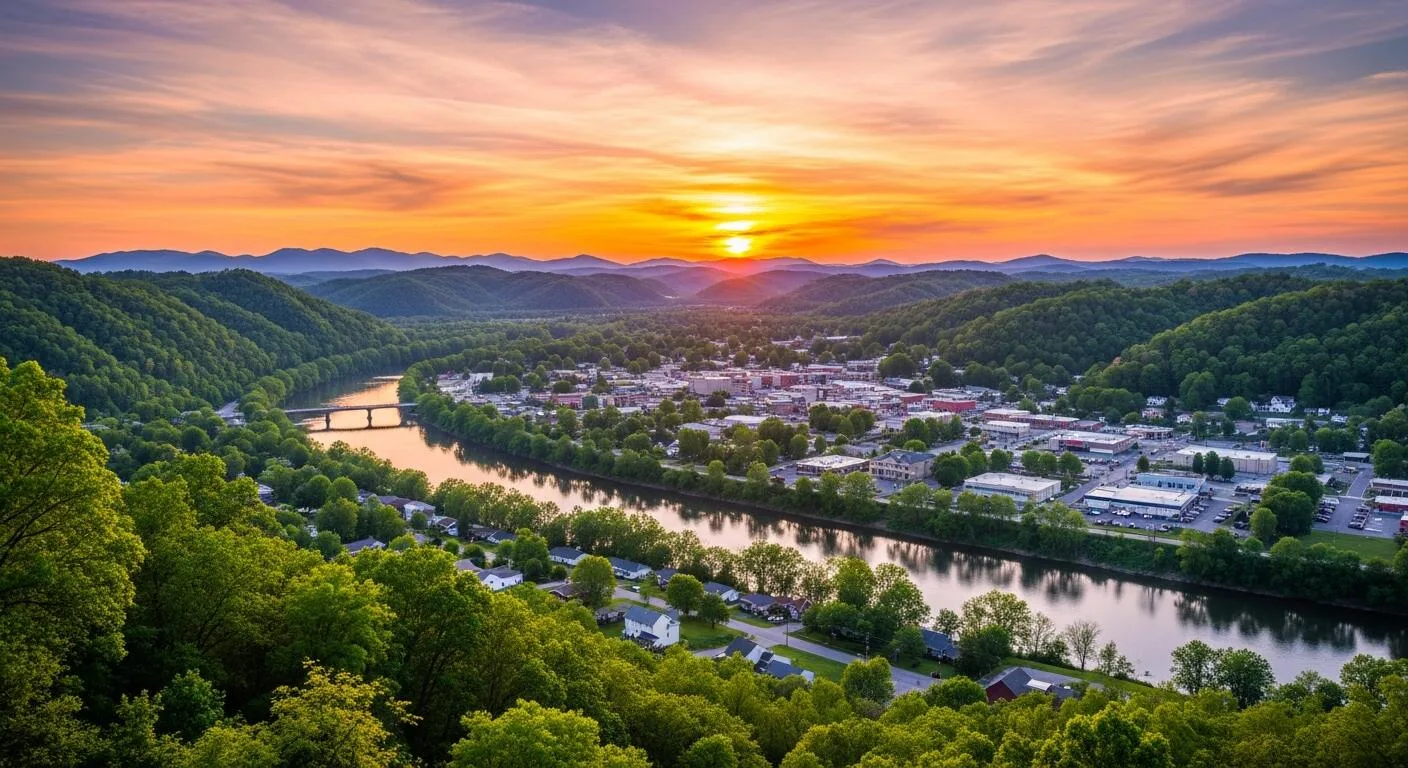
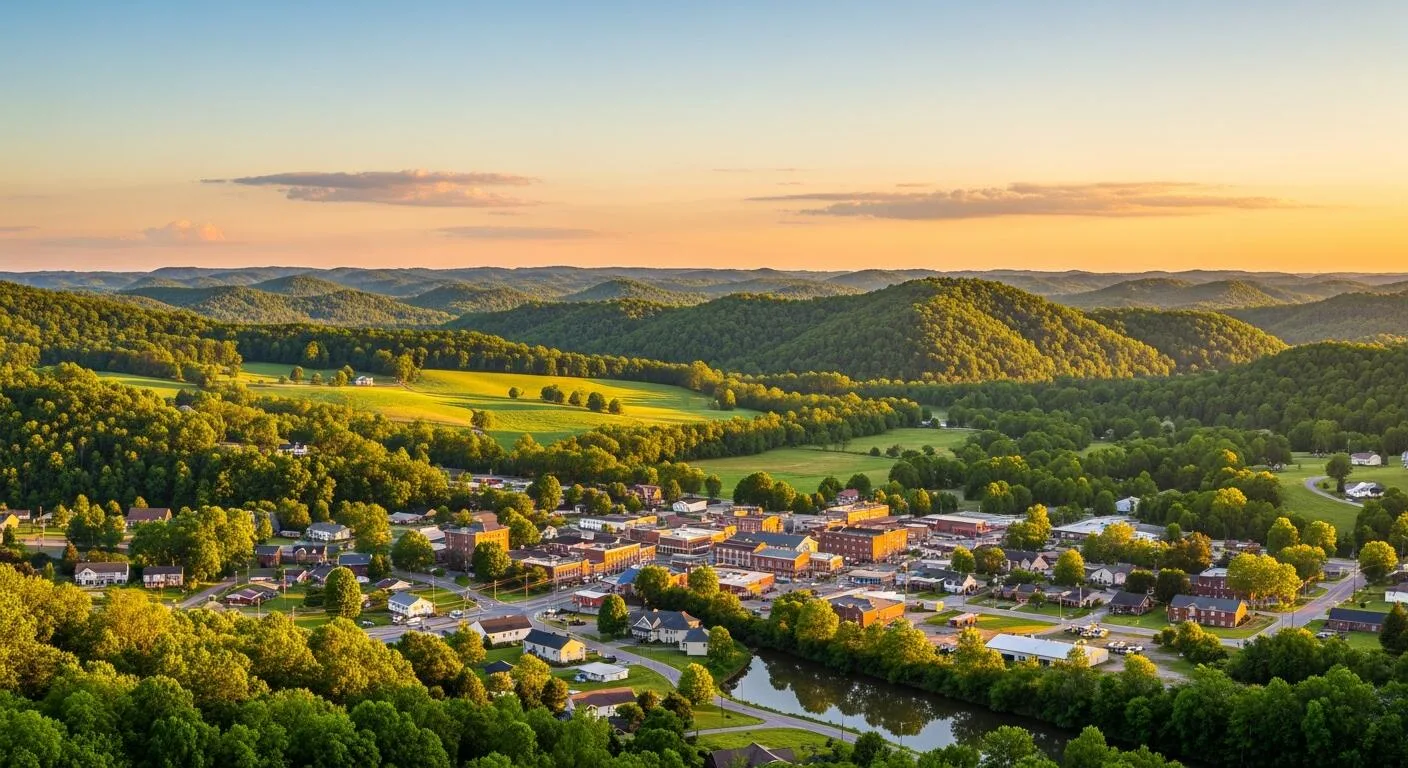
Monroe County stretches from the Tennessee River valley near Vonore up into the Cherokee National Forest and the Unicoi Mountains. That range of elevation, soil, and building age produces a distinct mix of restoration problems.
Frequent Local Causes of Damage
- Spring thunderstorms and remnant tropical systems dropping several inches of rain in hours, overwhelming yard drainage and basement footing drains
- Creek and river rise along the Little Tennessee, Tellico, and Sweetwater Creek watersheds affecting low-lying homes and outbuildings
- Winter pipe freezes in crawl spaces, unheated garages, and lake homes left vacant between visits
- Septic system failures and backups on rural properties where drain fields sit in slow-draining clay soil
- Wood stove, fireplace, and chimney fires during cold months in older farmhouses and cabins
- Lightning strikes on ridge-top and open pasture properties, causing attic and electrical fires
Warning Signs Worth Acting On
- Musty odors in a basement or crawl space that intensify after rain
- Cupping hardwood, blistering paint, or brown ceiling rings
- Efflorescence - white chalky residue - on block foundation walls
- Slow drains, gurgling toilets, or soggy patches over a drain field
- A lingering smoke smell that returns on humid days after a small fire
- Unexplained allergy symptoms that ease when occupants leave the building
Catching any of these early usually means drying rather than demolition.
Neighborhoods We Serve in Monroe County
Our crews respond throughout the county and its surrounding communities, including:
- Madisonville - the county seat, with historic downtown buildings and established residential streets
- Sweetwater - homes and commercial corridors along Highway 68 and near the I-75 interchange
- Vonore - lakefront and near-lake properties around Tellico Lake and the Fort Loudoun area
- Tellico Plains - mountain cabins, cottages, and homes near the Cherohala Skyway
- Rural communities such as Coker Creek, Ballplay, Belltown, Notchey Creek, Citico Creek, and Mount Vernon
- Tellico Village and Rarity Bay corridors along the Loudon County line
We also serve adjacent areas in Loudon, McMinn, Blount, and Polk counties. Whether the property is a downtown storefront, a farm outbuilding, or a seasonal lake home reached by a gravel drive, our equipment and crews are set up for the trip.
Seasonal Damage Patterns in Monroe County
Damage types follow a fairly predictable rhythm across the year:
- December through February - Frozen and burst pipes lead the calls, especially in crawl spaces and vacant lake homes. Heating equipment, space heaters, and chimney fires drive fire and smoke damage work.
- March through May - Heavy rain and severe storms produce flooded basements, wind-driven roof leaks, and creek overflow. Sewage and septic backups spike as saturated ground stops absorbing.
- June through August - Humidity does the damage. Mold growth accelerates in crawl spaces, basements, and closets. Air conditioning condensate line clogs and failed water heaters add to water losses.
- September through October - Remnants of tropical systems occasionally stall over East Tennessee, bringing sudden flooding. Grilling and outdoor burning contribute to fire calls.
- November - First hard freezes catch unwinterized outdoor spigots and lines. Fireplaces come back into use before annual chimney cleaning happens.
Smoke odor complaints often surface weeks after a fire, when warm humid air reactivates soot residue left in ductwork and porous materials.
Housing Characteristics & Restoration Considerations
Monroe County housing spans more than a century of construction styles, and each type reacts differently to water, fire, and mold.
Common Construction Types
- Early to mid-century farmhouses with balloon framing, plaster walls, and shallow crawl spaces - fire and smoke travel quickly through open wall cavities, and plaster holds moisture longer than drywall
- 1960s-1990s ranch homes on block foundations with partial basements - prone to seepage at the cove joint and mold behind finished basement paneling
- Lakefront and Tellico-area homes with walkout basements, extensive glazing, and finished lower levels that hold high-value contents
- Mountain cabins near Tellico Plains and Coker Creek with log or timber construction, wood stoves, and well and septic systems
- Newer subdivision builds on slabs with engineered flooring and tight envelopes that trap humidity when drying is incomplete
- Manufactured homes where belly insulation and vapor barriers hold water long after the visible surface dries
How That Shapes the Work
- Vented crawl spaces need targeted dehumidification, not just fans, to avoid moving moisture into the living space
- Older homes may contain asbestos-bearing floor tile, mastic, or lead paint requiring careful handling during demolition
- Log and timber structures need moisture meters calibrated for thick wood assemblies and slow, monitored drying
- Finished basements often require selective removal of drywall bottom sections and insulation rather than full gutting
- Sewage losses in homes on septic call for coordination with the drain field repair before rebuild starts
Environmental Conditions & Damage Implications
The local environment influences how quickly damage spreads and how drying must be approached.
Climate
- Roughly 50-plus inches of annual precipitation, with the wettest stretch in late winter and early spring
- Summer dew points frequently in the upper 60s and low 70s, which is enough to sustain mold growth without any leak at all
- Freeze-thaw cycling through winter that stresses foundation mortar joints and outdoor plumbing
Soil and Water
- Clay-heavy valley soils drain slowly and press hydrostatic water against basement walls after prolonged rain
- Karst limestone geology in parts of the county creates sinkholes and unpredictable subsurface water movement
- Many rural properties rely on private wells and septic systems, so contaminated water events require well testing and disinfection as part of recovery
- Iron and mineral content in some well water can stain materials during extraction, affecting salvage decisions
Air Quality Implications
- Wooded terrain and valley inversions can trap smoke from wood heat and nearby brush burning, complicating odor assessment after a fire
- Elevated summer humidity slows natural off-gassing of smoke residues, making mechanical odor treatment and HVAC cleaning more important
- Mold spore loads in shaded, tree-covered lots stay high, so containment during remediation protects unaffected areas
Every drying plan accounts for outdoor conditions - what works in a dry January will not work in a humid July.
Protecting Lake Homes, Farms, and Businesses Between Visits
A large share of Monroe County property sits empty part of the year - Tellico Lake second homes, mountain cabins near the Cherohala Skyway, hunting camps, barns, and seasonal commercial space. Damage in an unoccupied building is not usually worse at the moment it starts; it is worse because nobody finds it for weeks.
What Unattended Damage Looks Like
- A supply line that fails in January and runs until a neighbor notices water in the driveway
- Mold covering an entire lower level because the HVAC was shut off through August
- A septic backup that saturates subflooring and framing before anyone opens the door
- Smoke residue from a minor electrical fire that etches metal fixtures and glass over months
Steps That Reduce Risk
- Shut off the main water supply and drain lines whenever the property will sit empty for more than a few days in winter.
- Keep a dehumidifier or conditioned air running through summer rather than closing the building up entirely.
- Install water leak sensors near water heaters, washing machines, and under sinks, paired with a monitored alarm.
- Have septic tanks pumped on schedule and keep vehicles and livestock off drain fields.
- Clean chimneys and wood stove flues before each heating season.
- Ask a trusted neighbor or property manager to walk the interior regularly and photograph anything unusual.
Commercial Considerations
For businesses in Madisonville, Sweetwater, and Vonore, downtime costs more than the repair itself. Our commercial approach starts with stabilizing the property, isolating the damaged area so unaffected departments keep working, and sequencing drying and rebuild around your operating hours. We document conditions thoroughly for insurance carriers and keep ownership informed at each stage, from the first moisture reading to the final clearance check.