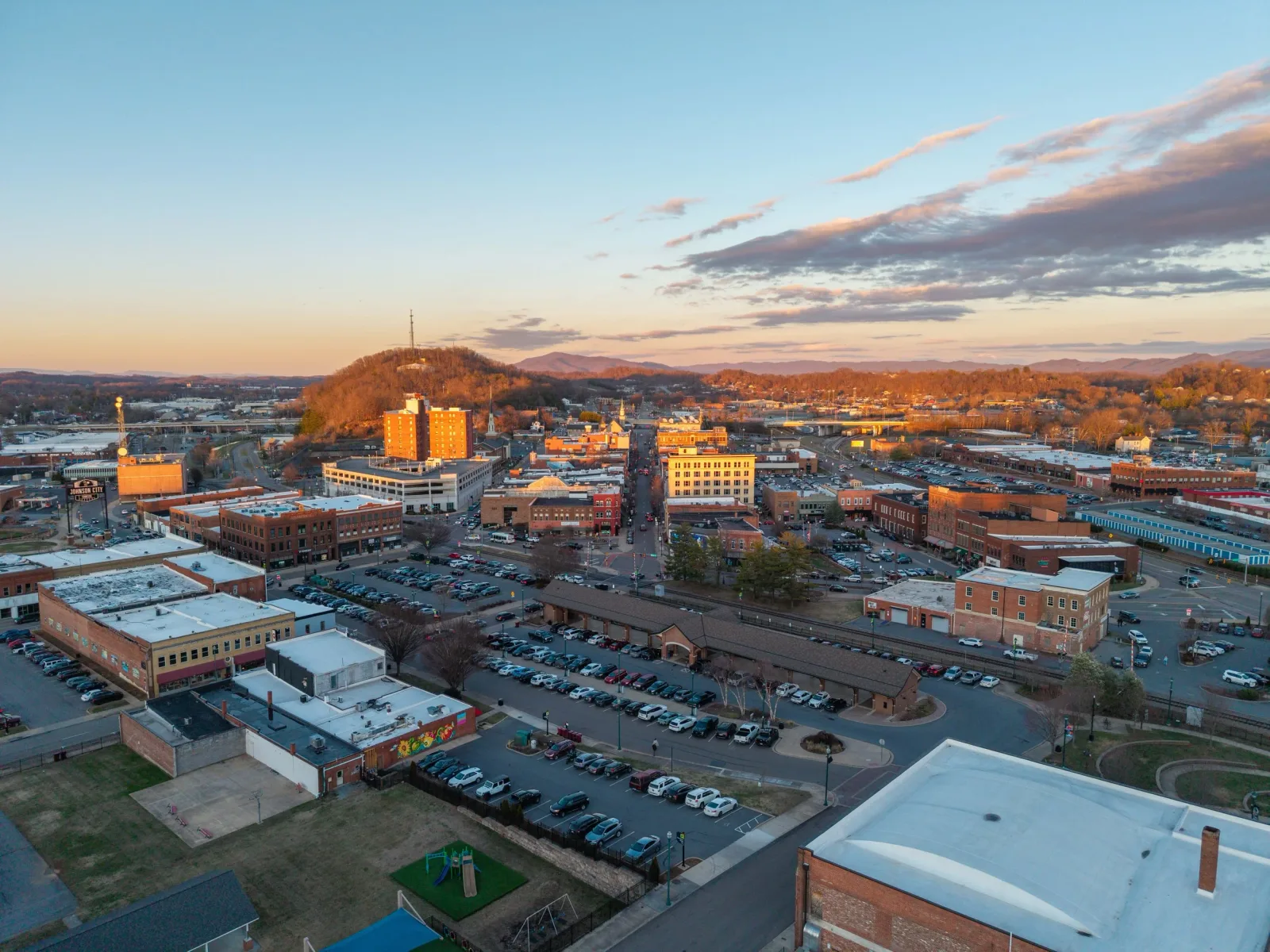
Damage Restoration in Washington County, TN
- Damage Restoration Services Overview
- Common Damage Restoration Issues in Washington County, Tennessee
- Neighborhoods We Serve in Washington County
- Seasonal Damage Patterns in Washington County
- Seasonal Damage Patterns in Washington County
- Housing Characteristics & Restoration Considerations
- Environmental Conditions & Damage Implications
- Basement and Crawl Space Moisture Control in Appalachian Highlands Homes
Damage Restoration Services Overview
Water spreads through drywall, subfloor, and insulation within minutes, and smoke residues begin etching metal and glass within hours. In Washington County, Tennessee, the speed of the first response often determines whether materials are dried and saved or demolished and replaced.
Property owners across Johnson City, Jonesborough, Gray, and Limestone rely on a connected set of restoration services that address both the visible mess and the hidden moisture, soot, and contamination behind it.
- Water Damage Restoration - extraction, structural drying, moisture mapping, and monitoring of framing, flooring, and cavity spaces.
- Flooded Basement - pump-out of standing water, sump pump failure response, drying of block and poured foundation walls.
- Sewage Cleanup - containment of Category 3 water, removal of porous materials, and antimicrobial treatment of affected surfaces.
- Fire Damage Restoration - board-up, debris removal, structural cleaning, and coordination of rebuild work after suppression.
- Smoke Damage Restoration - soot removal, thermal fogging, HVAC cleaning, and odor neutralization in contents and structure.
- Mold Removal - containment barriers, HEPA filtration, removal of colonized materials, and correction of the moisture source.
Benefits for local homeowners include documented moisture readings for insurance claims, reduced secondary damage, protection of indoor air quality, and a clear path from mitigation through reconstruction.
Common Damage Restoration Issues in Washington County, Tennessee
Washington County sits in the Appalachian Highlands where steep terrain, clay-heavy soils, and heavy seasonal rainfall push water toward foundations rather than away from them. That geography drives most of the restoration calls in the region.
Frequent Causes of Loss
- Storm runoff from hillside lots overwhelming footing drains in Gray, Boones Creek, and Fall Branch neighborhoods.
- Sump pump failures during multi-day rain events, leading to flooded basements and saturated finished lower levels.
- Frozen and burst supply lines in crawl spaces and unheated garages during January cold snaps.
- Aging cast iron and clay sewer laterals in older Johnson City and Jonesborough properties causing backups.
- Water heater, washing machine, and dishwasher supply line failures that run undetected in vacant or second homes.
- Kitchen grease fires, wood stove and fireplace incidents, and electrical faults in older wiring systems.
- Chimney and flue issues that push smoke through wall cavities and HVAC returns.
Warning Signs to Watch
- Musty odor in a basement or crawl space that intensifies after rain.
- Cupping hardwood, bubbling paint, or dark staining along baseboards.
- Efflorescence - white powdery deposits - on block foundation walls.
- Gurgling floor drains or slow tub drainage, often the first hint of a sewer backup.
- Persistent smoke odor returning on humid days after a small fire was cleaned up.
- Visible surface growth behind furniture on exterior-facing walls.
Left alone, minor moisture becomes microbial growth within roughly two days under Tennessee humidity levels.
Neighborhoods We Serve in Washington County
Coverage spans the full county and the surrounding Tri-Cities region, with response to both dense residential districts and rural properties on gravel access roads.
- Johnson City - downtown, Tree Streets, Boones Creek, Knob Creek, and neighborhoods near ETSU and the medical district.
- Jonesborough - historic district homes, Persimmon Ridge, and outlying farm properties.
- Gray and Sulphur Springs - newer subdivisions with finished basements and walkout lower levels.
- Limestone, Telford, and Fall Branch - rural acreage with wells, septic systems, and older farmhouses.
- Lamar, Harmony, and Cherokee communities - mixed residential and agricultural structures.
Nearby service extends to Kingsport, Bristol TN and VA, Blountville, Piney Flats, Bluff City, Colonial Heights, Elizabethton, Erwin, Greeneville, Church Hill, Rogersville, and across Sullivan, Carter, Unicoi, Greene, and Johnson counties.
Seasonal Damage Patterns in Washington County
Seasonal Damage Patterns in Washington County
Each season in Northeast Tennessee brings a different dominant loss type, and knowing the pattern helps property owners prepare before the call becomes an emergency.
- Winter (December - February) - burst pipes in crawl spaces, ice damming on low-slope roofs, and heating-related fire and smoke damage from space heaters, wood stoves, and chimney buildup.
- Spring (March - May) - the heaviest season for flooded basements and water damage as saturated clay soils, snowmelt from higher elevations, and frequent thunderstorms combine. Sewer backups spike when municipal lines take on infiltration.
- Summer (June - August) - humidity above comfortable levels fuels mold growth in crawl spaces, basements, and behind vinyl wallpaper. Air conditioning condensate line clogs cause slow ceiling leaks, and severe storms bring wind-driven rain intrusion.
- Fall (September - November) - remnants of tropical systems tracking up the Appalachians deliver sustained rainfall. Clogged gutters overflow against foundations, and the first furnace runs release accumulated dust and smoke odors.
Year-round, appliance failures and roof leaks stay steady, which is why moisture inspections after any storm event pay off regardless of the month.
Housing Characteristics & Restoration Considerations
Washington County housing stock ranges from pre-1900 structures in the Jonesborough historic district to post-2010 subdivisions in Gray - and each construction era changes the restoration approach.
Common Construction Types and Their Challenges
- Historic homes (pre-1940) - plaster and lath, balloon framing, and original hardwood. Water and smoke travel vertically through open wall cavities, so drying and soot cleaning must extend well beyond the visible damage.
- Mid-century ranches (1950s - 1970s) - block foundations, unconditioned crawl spaces, and original galvanized or cast iron plumbing prone to leaks and sewer backups.
- Split-levels and walkouts (1980s - 1990s) - partially below-grade finished rooms where carpet pad, paneling, and fiberglass batt insulation absorb water quickly.
- Modern builds (2000s - present) - tight envelopes and engineered materials that dry slowly and hold humidity, raising mold risk after even a modest loss.
How This Shapes the Work
- Moisture mapping with thermal imaging before any demolition, since original hardwood and trim are often salvageable.
- Selective removal - drilling weep holes and using injection drying rather than tearing out historic plaster where possible.
- Crawl space assessment on nearly every water call, since vapor barriers and insulation trap moisture beneath the living space.
- HVAC duct evaluation after fire and smoke events, because soot recirculates through the whole home.
- Documentation formatted for insurance carriers, including material-specific drying logs.
Environmental Conditions & Damage Implications
The Appalachian Highlands climate - roughly 44 inches of annual rainfall, humid summers, and freeze-thaw winters - creates conditions that accelerate nearly every category of property damage.
Regional Conditions That Matter
- Clay and shale soils - drain slowly, hold water against foundations, and expand and contract with moisture, opening cracks in block and poured walls.
- Karst limestone geology - sinkholes, springs, and unpredictable groundwater movement that can flood a basement with no visible surface source.
- Sloped lots - hillside properties around Boones Creek and Knob Creek channel runoff toward walkout doors and window wells.
- Summer dew points - sustained high humidity keeps crawl spaces and basements above the moisture threshold where mold colonizes.
- Hard water with mineral content - contributes to scaling in supply lines and water heaters, shortening appliance life.
- Valley air stagnation - traps smoke odor and particulates indoors after a fire, requiring air scrubbing rather than ventilation alone.
Practical Implications
- Dehumidification sizing must account for regional humidity, not just the square footage affected.
- Mold remediation without correcting drainage, grading, or crawl space vapor control leads to repeat growth.
- Sewage cleanup on properties with septic systems requires checking whether the drain field has failed under saturated soil conditions.
- Post-fire cleaning includes HEPA air filtration and sealing of framing to lock down residual odor.
Basement and Crawl Space Moisture Control in Appalachian Highlands Homes
The single most repeated restoration problem in Washington County is water returning to the same lower level - because the original event was treated as a cleanup rather than a drainage failure. Solving it means pairing emergency mitigation with a diagnosis of why the water arrived.
Why Lower Levels Fail Here
- Hydrostatic pressure builds against block walls when clay soil stays saturated for days after a storm.
- Footing drains installed decades ago silt up and stop functioning.
- Gutter downspouts discharge within a few feet of the foundation instead of well beyond it.
- Negative grading develops as backfill settles around newer construction.
- Single sump pumps operate without battery backup during the power outages that accompany severe storms.
- Vented crawl spaces pull humid summer air across cool surfaces, producing condensation that mimics a leak.
A Problem-Solving Sequence
- Stabilize - extract standing water, remove contaminated porous materials, and set containment if sewage or suspected mold is present.
- Map - use moisture meters and thermal imaging to trace how far water traveled into walls, framing, and adjacent rooms.
- Dry - place air movers and dehumidifiers based on cubic footage and material type, then log readings until targets are met.
- Diagnose - inspect grading, gutters, sump discharge, foundation cracks, and crawl space vapor barriers to identify the entry point.
- Correct - recommend encapsulation, drainage improvements, pump upgrades, or sealing so the next storm does not repeat the loss.
- Restore - rebuild flooring, drywall, and finishes with materials suited to below-grade conditions.
The same logic applies after fire and smoke events, where water used in suppression soaks lower levels and combines with soot. Addressing both contamination types together prevents odor and microbial growth from surfacing weeks later.