Damage Restoration in Blount County, TN
- Damage Restoration Services Overview
- Common Damage Restoration Issues in Blount County, Tennessee
- Neighborhoods We Serve in Blount County
- Seasonal Damage Patterns in Blount County
- Housing Characteristics & Restoration Considerations
- Environmental Conditions & Damage Implications
- Crawl Spaces, Karst Terrain, and Insurance Documentation in Blount County
Damage Restoration Services Overview
What would you do if you walked into your Maryville basement tomorrow morning and found three inches of standing water covering the floor? For homeowners across Blount County, that scenario plays out more often than most people expect - and how quickly you respond shapes everything that follows.
Restoration work covers a wide span of emergencies, and each one demands a different approach:
- Water Damage Restoration - extraction, structural drying, and moisture mapping after burst pipes, appliance failures, or roof leaks
- Flooded Basement - pump-outs, sump system evaluation, and drying of below-grade spaces common in foothill neighborhoods
- Sewage Cleanup - containment, removal of contaminated materials, and antimicrobial treatment of Category 3 water losses
- Fire Damage Restoration - debris removal, structural stabilization, and rebuilding of fire-affected rooms
- Smoke Damage Restoration - soot cleaning from walls and framing, contents care, and thorough deodorization
- Mold Removal - source identification, containment barriers, and remediation following IICRC protocols
Benefits for Blount County residents go beyond a clean floor. Fast response limits secondary damage, protects indoor air quality, preserves belongings that matter, and produces the documentation insurance adjusters need. Certified technicians licensed and insured to work throughout the county bring the equipment and training that turn a chaotic day into a manageable project.
Common Damage Restoration Issues in Blount County, Tennessee
Sitting at the foot of the Great Smoky Mountains, Blount County catches mountain rainfall, sudden temperature swings, and persistent humidity - a combination that keeps restoration crews busy year-round.
Local Causes of Damage
- Frozen and burst supply lines during January cold snaps, especially in crawl spaces and unheated garages
- Heavy runoff from mountain storms overwhelming French drains and grading around foundations
- Rising groundwater pushing through basement wall cracks and floor joints in older Maryville and Alcoa homes
- Sewer backups when saturated ground and aging clay laterals collide during multi-day rain events
- Wood stove, fireplace, and space heater fires during long heating seasons in rural Townsend and Walland
- Damp crawl spaces feeding mold colonies under floor systems throughout the humid months
Warning Signs Worth Acting On
- Musty odors that grow stronger near floor vents, closets, or basement stairs
- Buckling hardwood, cupped laminate, or drywall that feels soft near the baseboard
- Water stains on ceilings that change shape or darken after rainfall
- Gurgling floor drains or slow tub drainage signaling a partial sewer blockage
- Lingering smoke odor that returns on humid days even after surface cleaning
- Condensation on ductwork, rusting fasteners, or visible growth on crawl-space joists
Catching any of these early keeps a small water loss from becoming a full mold remediation project weeks later.
Neighborhoods We Serve in Blount County
Coverage extends across the county, from riverside subdivisions to mountain cabins:
- Maryville - downtown historic districts, Everett Hills, Sandy Springs, and neighborhoods near Pistol Creek
- Alcoa - Springbrook, Hunt Road corridor, and homes near the airport
- Louisville and Rockford - waterfront and near-water properties along Fort Loudoun Lake and the Little River
- Townsend and Walland - cabins, rentals, and seasonal homes at the park boundary
- Friendsville, Greenback, and Eagleton Village - established residential streets and rural acreage
- Seymour and Wildwood - growing subdivisions along the Sevier County line
Commercial clients across Blount County - restaurants, medical offices, churches, retail spaces, and rental properties - receive the same response, with scheduling built around keeping doors open and downtime short.
Seasonal Damage Patterns in Blount County
Winter (December - February)
- Frozen pipe bursts in crawl spaces, exterior walls, and vacant cabins
- Peak season for fire and smoke damage from heating equipment and chimneys
- Ice dam leaks along north-facing rooflines
Spring (March - May)
- Heaviest rainfall period, driving flooded basement and crawl-space calls
- Sewage backups as saturated soil stresses older laterals and septic fields
- Mold growth accelerating as temperatures climb into the sixties and seventies
Summer (June - August)
- High humidity fueling mold removal projects, especially in unconditioned crawl spaces
- Air conditioning condensate line clogs causing hidden ceiling and wall water damage
- Afternoon thunderstorms bringing wind-driven rain and roof intrusion
Fall (September - November)
- Remnants of tropical systems delivering multi-inch rainfall totals
- First heating cycles revealing furnace and flue problems that lead to smoke damage
- Clogged gutters from leaf fall redirecting water toward foundations
Housing Characteristics & Restoration Considerations
Blount County housing stock spans more than a century, and each construction era responds differently when water, fire, or mold arrives.
Common Construction Types
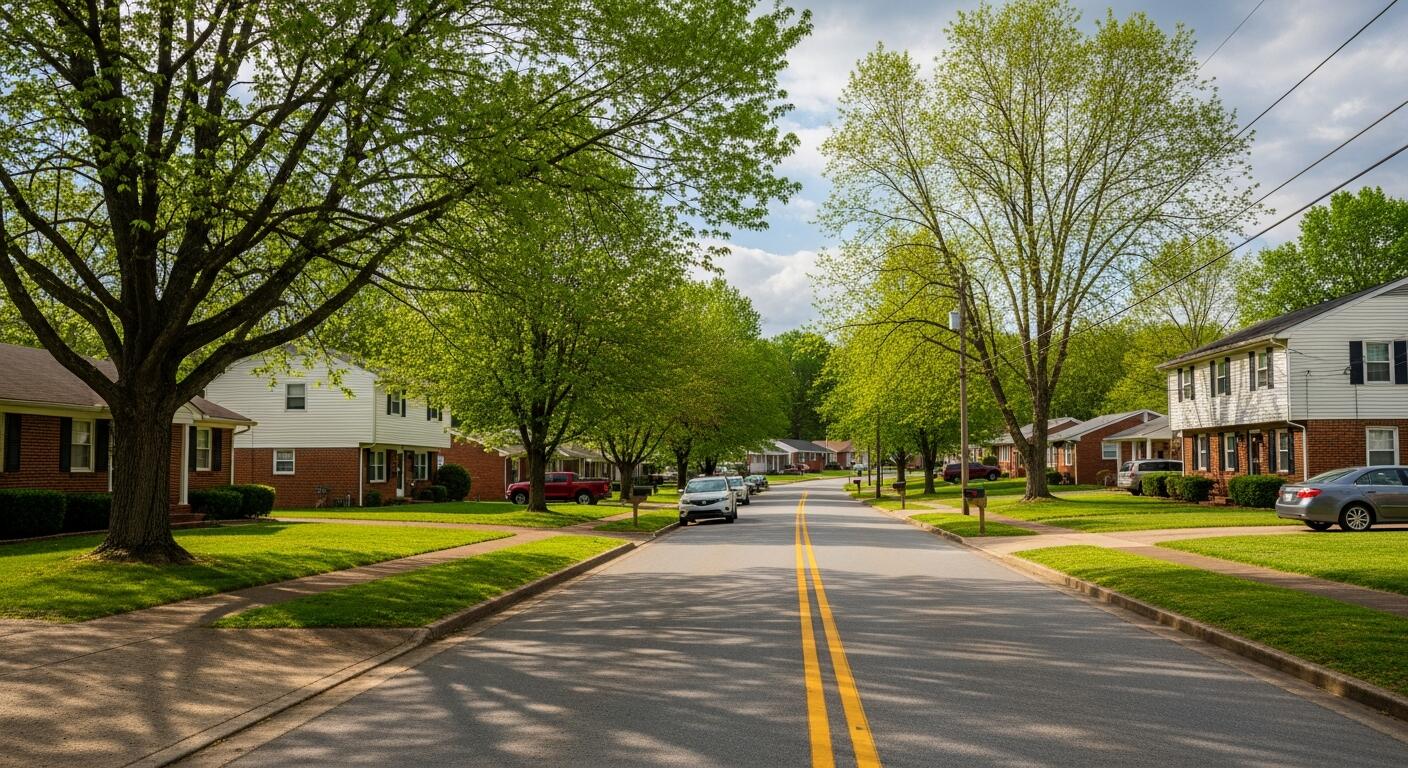
- Pre-1950 homes in central Maryville and Alcoa - plaster walls, balloon framing, original hardwood, and often knob-and-tube remnants
- Mid-century ranches - block foundations, crawl spaces, and finished basements added later without proper vapor control
- 1980s - 2000s subdivisions - slab-on-grade and vinyl-sided two-story homes with attic HVAC systems
- Recent builds and mountain cabins - engineered lumber, tight envelopes, and log or timber construction near Townsend
How Age Affects Restoration
- Plaster and lath hold moisture far longer than drywall, requiring extended drying and careful monitoring before rebuild.
- Balloon framing lets smoke and fire travel vertically through wall cavities, so soot cleaning reaches spaces that look untouched from the room.
- Vented crawl spaces under older homes trap humidity, making them the most frequent starting point for mold remediation.
- Finished basements with paneling or carpet over concrete conceal standing water and demand selective demolition to dry properly.
- Homes built before the late 1970s may contain asbestos-bearing materials or lead paint, requiring testing before any demolition.
- Log and timber structures need specialized moisture readings, since surface dryness rarely reflects the core.
Matching drying strategy to construction type protects original materials that give Blount County homes their character.
Environmental Conditions & Damage Implications
The county's location between the Tennessee Valley and the Smokies creates conditions that influence every restoration decision.
Climate and Moisture
- Annual rainfall well above the national average, with mountain-enhanced totals in the southeastern portion of the county
- Summer relative humidity frequently above 70 percent, keeping indoor materials near mold-supporting moisture levels
- Mild winters punctuated by sharp freezes - the exact pattern that ruptures unprotected plumbing
Soil and Drainage
- Clay-heavy valley soils that drain slowly and hold water against foundation walls
- Karst limestone geology producing sinkholes, springs, and unpredictable groundwater movement
- Steep slopes near Chilhowee Mountain funneling runoff toward homes at the base
- Floodplain exposure along the Little River, Pistol Creek, and Fort Loudoun Lake shoreline
Air and Water Considerations
- Valley air stagnation traps smoke odor and particulate inside homes after a fire, extending deodorization work
- Pollen and seasonal haze add to indoor air burdens already stressed by mold spores
- Well and septic systems in rural areas raise contamination risk during sewage cleanup and flood events
- Mineral content in local water can leave residue that complicates surface cleaning after extraction
Understanding these conditions shapes dehumidifier sizing, containment planning, and how long drying equipment stays in place before clearance readings confirm the job is finished.
Crawl Spaces, Karst Terrain, and Insurance Documentation in Blount County
Two things separate a smooth restoration from a frustrating one in this county: knowing where the moisture hides, and getting the paperwork right the first time.
Why Crawl Spaces Deserve Attention
A majority of Blount County homes sit over vented crawl spaces, and that dark, humid area under the floor is where small problems grow.
- Groundwater seeps through karst-influenced soil and pools on the vapor barrier
- Warm outdoor air condenses on cool ductwork and subfloor sheathing
- Insulation falls, holds moisture, and becomes a growth surface
- Odors migrate upward through floor penetrations into living areas
What a Thorough Response Looks Like
- Moisture mapping with meters and thermal imaging to define the true wet footprint, not just what is visible
- Extraction or pump-out, followed by removal of unsalvageable materials under containment when contamination is present
- Placement of air movers and dehumidifiers sized to the cubic footage and material load
- Daily monitoring with logged readings until materials reach dry standard
- Antimicrobial application and, where mold is confirmed, negative-air containment and HEPA filtration
- Reconstruction - drywall, flooring, trim, paint - returning the space to pre-loss condition
Insurance Coordination
Carriers serving Blount County, including Tennessee Farmers, Farm Bureau, and State Farm, expect specific evidence before approving a claim. Certified technicians supply it as work progresses:
- Photo documentation of affected areas before demolition begins
- Daily moisture logs and equipment placement records
- Itemized scopes written in the estimating language adjusters use
- Direct communication with the adjuster so homeowners are not caught in the middle
Locally owned crews who understand how mountain rain and crawl-space humidity move through a Maryville home handle both the physical work and the administrative side, so the day gets easier instead of harder.