Damage Restoration in Gibson County, TN
- Damage Restoration Services Overview
- Common Damage Restoration Issues in Gibson County, Tennessee
- Neighborhoods We Serve in Gibson County
- Seasonal Damage Patterns in Gibson County
- Housing Characteristics & Restoration Considerations
- Environmental Conditions & Damage Implications
- Storm Response and Commercial Recovery Across Gibson County
Damage Restoration Services Overview
What happens to your home in the hours after a pipe bursts, a storm pushes water into the basement, or smoke settles into every soft surface in the house? In Gibson County, the answer usually depends on how quickly trained help arrives.
Property damage rarely stays in one category. Water becomes mold. Fire leaves behind smoke residue and firefighting water. Sewage backups create both a sanitation hazard and a structural drying problem. That is why full-service restoration matters more than any single repair.
- Water Damage Restoration - extraction, structural drying, moisture mapping, and repair of affected materials
- Flooded Basement Cleanup - pump-out, contents handling, dehumidification, and foundation moisture control
- Sewage Cleanup - contaminated water removal, disinfection, and safe disposal of porous materials
- Fire Damage Restoration - debris removal, structural stabilization, and rebuilding of damaged areas
- Smoke Damage Restoration - soot removal, odor neutralization, HVAC cleaning, and contents care
- Mold Removal - inspection, containment, remediation, and correction of the underlying moisture source
Gibson County homeowners and business owners benefit from one team handling the full sequence - from the first water reading to the final coat of paint - so nothing falls through the gaps between contractors.
Common Damage Restoration Issues in Gibson County, Tennessee
West Tennessee weather drives most of the restoration calls in Gibson County, and severe storms are the leading trigger. Local storm reports have described rolled trailers, damaged outbuildings, and downed trees - all of which open roofs and walls to water intrusion.
Frequent Causes of Damage
- Spring thunderstorms and straight-line winds tearing shingles loose above Humboldt, Trenton, and Milan
- Heavy rainfall overwhelming yard drainage and pushing water through basement walls and crawl space vents
- Aging cast iron and clay sewer laterals in older neighborhoods backing up during saturated ground conditions
- Winter pipe freezes in unheated crawl spaces, garages, and vacant rental properties
- Kitchen fires, wood stove and space heater incidents, and electrical faults in older wiring
- Rural burn piles and grass fires spreading to sheds, barns, and detached structures
Warning Signs Worth Acting On
- A musty odor in a basement or closet that returns after airing out the space
- Cupping hardwood, bubbling vinyl, or floor tile releasing from the subfloor
- Brown ceiling rings that darken or spread after rain
- Gurgling floor drains or slow tubs during heavy downpours
- Sooty film on window glass, lampshades, or the return air grille after a small fire
- Visible dark speckling on drywall paper, sill plates, or joists
Catching these signals early keeps a limited water problem from turning into structural repair and mold remediation weeks later.
Neighborhoods We Serve in Gibson County
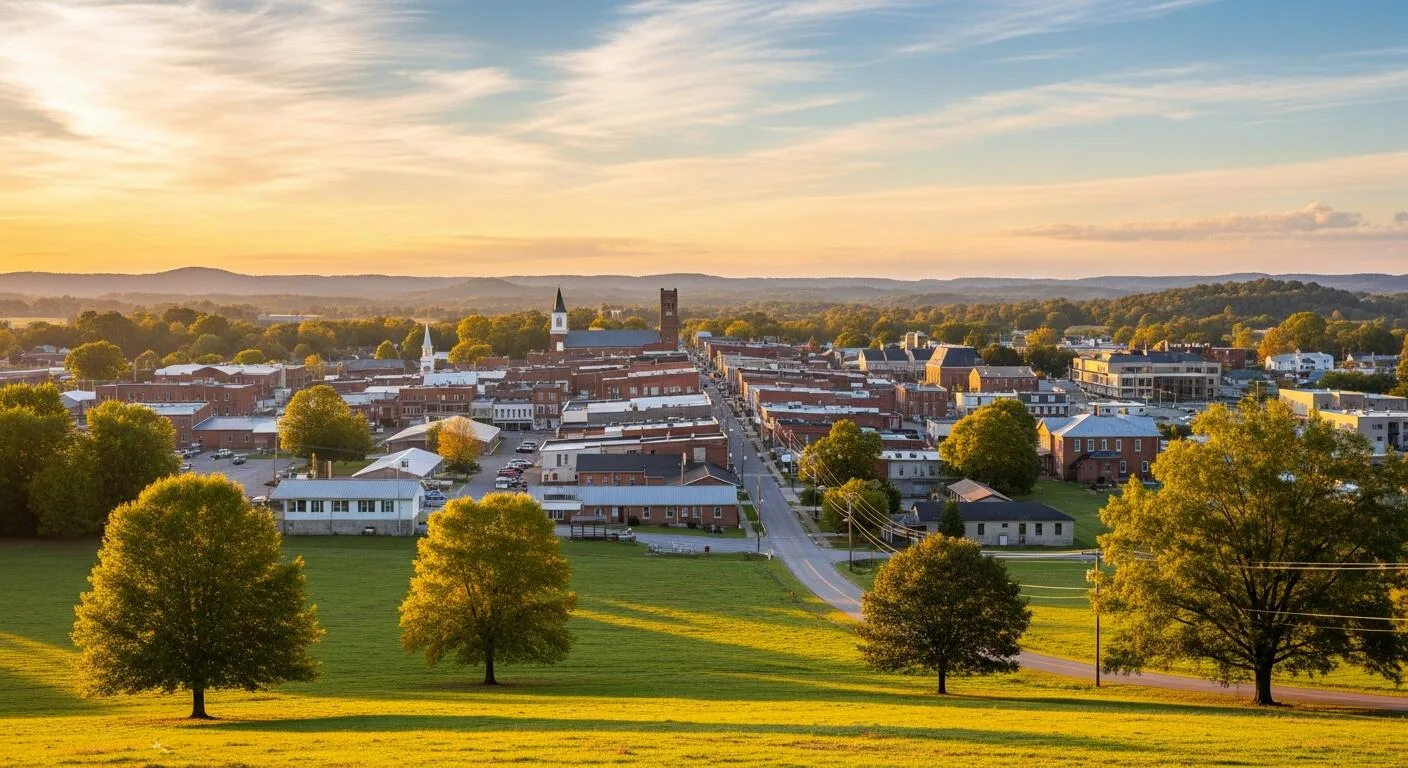
Coverage extends across the entire county, from established in-town neighborhoods to farmsteads on the county roads.
- Humboldt - older brick homes, downtown commercial buildings, and industrial properties
- Milan - residential subdivisions plus warehouse and light manufacturing sites
- Trenton - the county seat, with historic housing stock and municipal facilities
- Dyer, Rutherford, Kenton, and Yorkville - small-town homes and rural acreage
- Bradford, Gibson, Medina, and Idlewild - growing residential pockets and newer builds
- Surrounding areas including Three Way, Fruitland, and communities along Highway 45W and Highway 79
Rural addresses often sit farther from municipal sewer and public water, which changes how flooded basement, sewage cleanup, and mold removal projects are handled. Being familiar with those differences - septic systems, well water, long gravel drives for equipment access - keeps response practical rather than theoretical.
Seasonal Damage Patterns in Gibson County
Each season brings a different mix of restoration work, and knowing the pattern helps property owners prepare instead of react.
- Winter (December - February): Frozen and burst supply lines top the list, especially in crawl spaces and outbuildings. Heating equipment, fireplaces, and space heaters drive fire and smoke damage calls.
- Spring (March - May): Peak severe weather season. Wind-driven rain, hail, and tornado activity lead to roof breaches, flooded basements, and saturated crawl spaces. Sewage backups climb as ground saturation stresses older lines.
- Summer (June - August): Humidity keeps indoor moisture high, making this the busiest stretch for mold removal. Air conditioning condensate line clogs and water heater failures add steady water damage volume. Storm-related electrical surges spark occasional fires.
- Fall (September - November): Clogged gutters and leaf-packed downspouts redirect water toward foundations. Furnace startups after months of idle time produce puff-back soot and smoke odor complaints.
Year-round, appliance failures - washing machine hoses, dishwashers, refrigerator lines - remain a constant source of unexpected water damage regardless of the calendar.
Housing Characteristics & Restoration Considerations
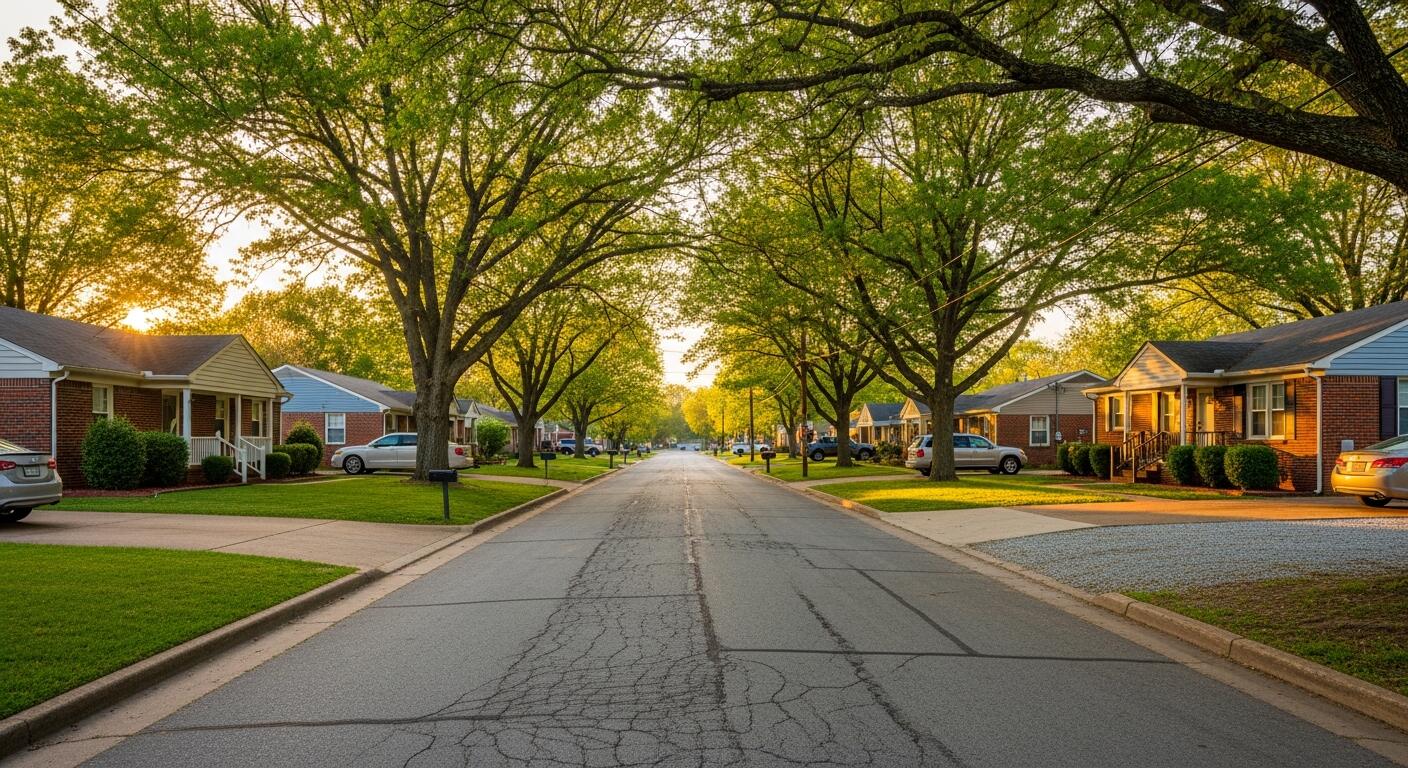
Gibson County housing skews older than the national average, with a large share of homes built between the 1940s and 1980s alongside newer construction in Medina and around Three Way. That age range shapes nearly every restoration decision.
Construction Types and What They Mean
- Crawl space foundations: Extremely common locally. Vented crawl spaces trap humidity, hide plumbing leaks, and become the first place mold takes hold under insulation and subflooring.
- Partial and full basements: Less frequent but present in older in-town homes. Block walls and floor drains make them vulnerable to groundwater intrusion and sewer backflow.
- Slab-on-grade builds: Newer subdivisions where water travels laterally under flooring, requiring careful moisture mapping rather than surface drying.
- Brick veneer over wood frame: Traps moisture behind the masonry when flashing fails, delaying visible symptoms.
- Manufactured and mobile homes: Widespread in rural Gibson County, with belly wrap and underfloor insulation that holds water and demands specialized drying methods.
Age-Related Factors
- Plaster and lath in pre-1950 homes responds differently to water than modern drywall
- Knob-and-tube or aluminum wiring raises fire risk and requires electrical review after any water event
- Asbestos-containing floor tile, mastic, and pipe wrap must be identified before demolition
- Original ductwork holds smoke odor and soot long after visible cleanup is finished
- Galvanized supply lines corrode from the inside, producing slow leaks inside wall cavities
Environmental Conditions & Damage Implications
Gibson County sits in a humid subtropical zone with hot summers, mild winters, and roughly fifty inches of annual rainfall - conditions that favor mold growth and slow natural drying.
Climate and Moisture
- Summer relative humidity often stays high enough that opening windows adds moisture rather than removing it
- Wet materials in an unconditioned space can support visible mold growth within a couple of days
- Effective drying here depends on dehumidification and containment, not fans alone
Soil and Groundwater
- West Tennessee loess and silt loam soils drain slowly once saturated, holding water against foundations
- Shallow water tables near the Forked Deer River drainage and area creeks raise hydrostatic pressure on basement walls
- Erosion around downspout outlets creates channels that funnel stormwater straight to the foundation
Air and Water Quality Factors
- Agricultural dust and pollen load indoor air, complicating post-fire smoke particle removal
- Well water and septic systems on rural properties require different containment protocols during sewage cleanup
- Mineral-heavy water leaves staining that must be addressed separately from structural drying
- Rural burning practices contribute to seasonal smoke odor intrusion in nearby structures
These conditions mean restoration plans built for drier climates fall short locally. Moisture readings, containment, and verified drying targets do the work that ventilation cannot.
Storm Response and Commercial Recovery Across Gibson County
When severe weather crosses Gibson County, damage rarely arrives in isolation - a single system can drop trees on roofs, roll outbuildings, and flood basements across Trenton, Humboldt, and Milan within the same hour. Restoration in that environment requires triage, sequencing, and equipment staged close to home.
How a Storm Response Unfolds
- Stabilize the structure - board-up, roof tarping, and shutting down compromised utilities to stop further intrusion
- Remove standing water - extraction from basements, crawl spaces, and finished living areas before materials wick further
- Assess contamination category - clean rainwater, groundwater, and sewage each demand different handling and disposal
- Set drying systems - air movers, dehumidifiers, and containment sized to the actual moisture load, monitored daily
- Address secondary damage - mold remediation, smoke odor treatment, and material removal where drying is not enough
- Rebuild - drywall, flooring, trim, and finishes returning the property to pre-loss condition
Commercial Properties Need a Different Plan
Gibson County's manufacturing plants, agricultural operations, retail storefronts, restaurants, and medical offices cannot simply close for weeks. Business restoration works around operations.
- Phased work zones so unaffected departments stay open
- After-hours and overnight scheduling where production allows
- Document, inventory, and equipment recovery prioritized early
- Coordination with property managers, insurance adjusters, and local code officials
- Written drying logs and documentation supporting the claim file
Familiarity with local building stock, county permitting, and the way West Tennessee soils and humidity behave shortens the path from damage to reopening. That local knowledge is what separates a plan that works in Gibson County from one that only works on paper.