Damage Restoration in Maury County, TN
- Damage Restoration Services Overview
- Common Damage Restoration Issues in Maury County, Tennessee
- Neighborhoods We Serve in Maury County
- Seasonal Damage Patterns in Maury County
- Housing Characteristics & Restoration Considerations
- Environmental Conditions & Damage Implications
- The First 48 Hours: What Maury County Homeowners Should Do After Damage
Damage Restoration Services Overview
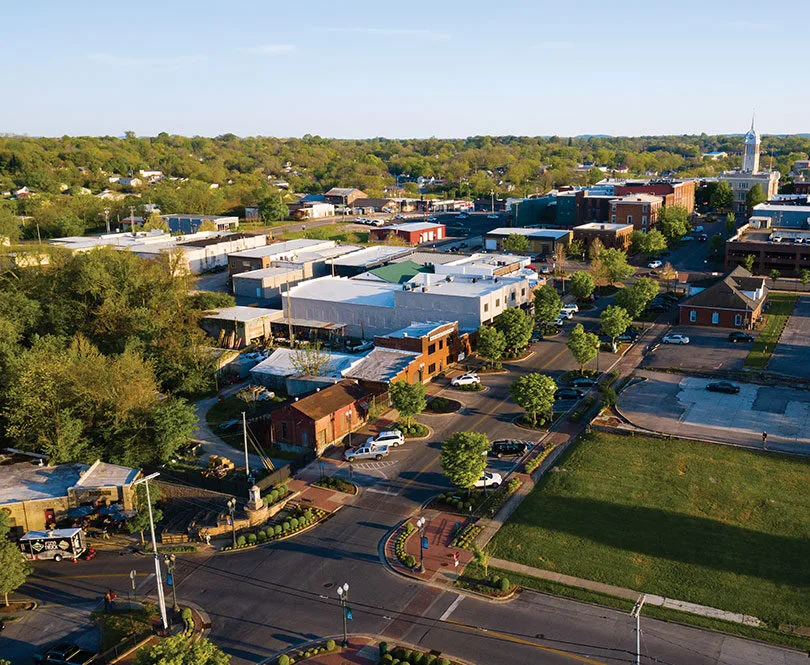
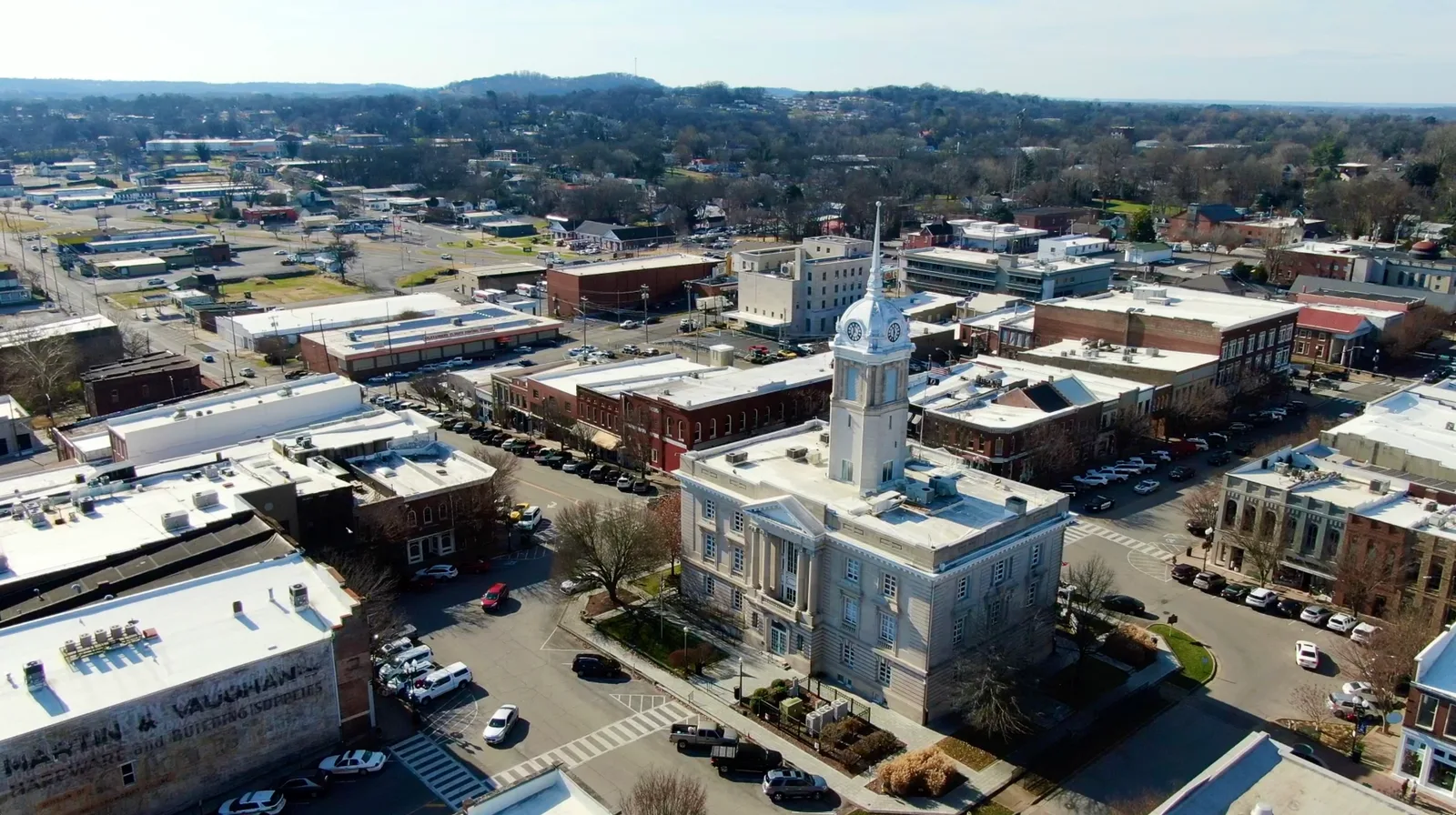
Maury County sits where the Duck River winds through limestone bluffs and rolling farmland, and that geography shapes nearly every restoration call in the area. Homes in Columbia, Spring Hill, Mount Pleasant, and the rural stretches between them face saturated clay soils, karst drainage, and humid summers that push moisture into places it does not belong.
Property owners here rely on a connected set of restoration disciplines rather than a single fix:
- Water Damage Restoration - extraction, structural drying, and moisture mapping after pipe breaks, appliance failures, and storm intrusion
- Flooded Basement - pumping, sump and drain evaluation, and drying of below-grade walls and slabs
- Sewage Cleanup - removal of contaminated material, disinfection, and safe disposal after backups and septic failures
- Fire Damage Restoration - debris removal, structural cleaning, and rebuild coordination
- Smoke Damage Restoration - soot removal from surfaces and HVAC systems plus odor neutralization
- Mold Removal - containment, controlled removal, and correction of the moisture source
Key benefits for local residents include faster drying before secondary damage sets in, documentation that supports insurance claims, and licensed contractors who understand Maury County permitting and older housing stock. Established providers such as SERVPRO of Maury/Giles Counties on E James Campbell Blvd in Columbia and CAMCO Construction & Restoration serve the roughly 40,000 residents of Columbia and the surrounding county.
Common Damage Restoration Issues in Maury County, Tennessee
Middle Tennessee weather delivers heavy rainfall bursts, occasional ice, and long humid stretches - a combination that produces recurring damage patterns across the county.
Frequent Causes of Loss
- Duck River and creek flooding affecting low-lying properties near Columbia and Godwin Creek corridors
- Clay soil expansion pushing water through foundation cracks and basement joints
- Frozen and burst supply lines during January cold snaps, especially in crawlspace-built homes
- Aging cast iron and clay sewer laterals in older Columbia neighborhoods causing backups
- Septic system saturation on rural parcels after prolonged rain
- Kitchen fires, space heater incidents, and electrical faults in older wiring
- Lightning strikes and grass fires during dry late-summer weeks
Warning Signs Worth Acting On
- Musty odors in crawlspaces, closets, or finished basements
- Buckling hardwood, cupped laminate, or bubbling paint on lower walls
- Efflorescence - white mineral crusting - on block foundation walls
- Slow drains, gurgling toilets, or wastewater odor near floor drains
- Yellow-brown staining on ceilings after storms
- Lingering smoke smell that returns when the HVAC cycles on
- Visible dark spotting around window frames and behind furniture on exterior walls
After any major storm event, county guidance urges caution around weakened structures, downed power lines, and traffic near damaged property. Generators belong outdoors, at least 20 feet from the home. Hire only licensed contractors, and report contractor concerns to the Maury County Sheriff's Department at (931) 380-5733.
Neighborhoods We Serve in Maury County
Restoration crews cover the full county footprint, from dense city blocks to farm properties down gravel roads.
- Columbia - Historic District, West 7th Street, Riverside, Northside, Graymere, Cherry Glen, and Sunnyside
- Spring Hill - Wyngate, Campbell Station, Autumn Ridge, and neighborhoods along Port Royal Road
- Mount Pleasant - downtown residential blocks and surrounding phosphate-country homesteads
- Culleoka, Hampshire, Santa Fe, Williamsport, and Theta - rural communities with well and septic systems
- Neapolis, Bear Creek, and Duck River corridor properties along Highway 50 and Highway 7
Service also extends toward neighboring Giles, Marshall, Lawrence, and southern Williamson County lines, where many households share the same soil, weather, and construction conditions found across Maury County.
Seasonal Damage Patterns in Maury County
- January - February: Pipe freezes and burst supply lines top the list. Crawlspace plumbing and unheated garage lines are the usual failure points, followed by water damage restoration calls once thawing begins. Heating equipment drives fire and smoke damage claims.
- March - May: Peak severe weather. Heavy rain saturates clay soils, producing flooded basement calls, roof leaks from wind and hail, and sewer backups when municipal lines take on stormwater.
- June - August: High humidity and air conditioning condensation make this the strongest season for mold removal. Storm-driven power outages and generator misuse also raise fire risk.
- September - October: Drier spells bring brush and outdoor fire concerns, while the first furnace cycles push dust and residual smoke odor through duct systems.
- November - December: Holiday cooking, fireplaces, and candles drive smoke damage restoration needs. Early freezes begin the plumbing cycle again.
Septic saturation and sewage cleanup calls cluster in late winter and early spring when groundwater sits high and drain fields cannot absorb additional volume.
Housing Characteristics & Restoration Considerations
Maury County housing spans two centuries, and the construction era of a property largely determines how restoration proceeds.
Common Construction Types
- Pre-1940 homes in Columbia's historic districts - brick, plaster over lath, heart pine floors, and stone or brick foundations
- Mid-century ranch homes - block crawlspace foundations, original galvanized or cast iron plumbing, limited insulation
- 1990s - 2010s subdivisions in Spring Hill and north Columbia - slab or vented crawlspace, engineered lumber, drywall throughout
- Rural farmhouses and manufactured homes - well water, septic systems, and long utility runs
How Age Affects the Work
- Plaster walls hold moisture longer than drywall and need slower, monitored drying to avoid cracking
- Hardwood floors in older homes often can be dried in place with mat systems rather than replaced
- Vented crawlspaces trap humidity, making them a primary mold removal target countywide
- Pre-1980 materials may contain asbestos in floor tile, mastic, and pipe wrap - testing before demolition is standard practice
- Knob-and-tube or aluminum branch wiring raises fire risk and requires electrical evaluation after any fire loss
- Finished basements with carpet and paneling rarely dry successfully without partial removal
- Older sewer laterals of clay or cast iron crack under root pressure, driving repeat backups until replaced
Documentation matters for insurers, so moisture readings, photos, and material inventories are captured throughout the process.
Environmental Conditions & Damage Implications
Local geology and climate combine to keep moisture in play year-round.
Soil and Geology
- Limestone bedrock with karst features - sinkholes, springs, and unpredictable subsurface drainage
- Silty clay loam topsoil that swells when wet and shrinks in drought, stressing foundations
- Phosphate-rich deposits near Mount Pleasant with variable drainage characteristics
- High water tables in bottomland near the Duck River and its tributaries
Climate Factors
- Annual rainfall well above the national average, concentrated in spring storms
- Summer dew points frequently in the 70s, pushing indoor humidity past mold-growth thresholds
- Freeze-thaw cycling in winter that widens foundation cracks and stresses plumbing
- Pollen and agricultural dust that load HVAC filters and complicate post-fire air cleaning
Restoration Implications
- Drying plans must account for outdoor humidity - open windows often slow progress rather than help
- Dehumidification, not airflow alone, does the heavy lifting in Maury County summers
- Karst drainage means groundwater can enter basements from unexpected directions, so water sourcing comes before repairs
- Well-water properties require testing after any sewage event that could reach the wellhead
- Smoke particulate settles into porous limestone-dusted surfaces and HVAC returns, requiring duct cleaning alongside surface work
- Mold spores from crawlspaces travel upward through stack effect into living space
The First 48 Hours: What Maury County Homeowners Should Do After Damage
What happens immediately after discovery often determines whether a loss stays contained or spreads into a larger rebuild. These steps apply whether the trigger is a burst line, a basement full of stormwater, a sewer backup, or a kitchen fire.
Immediate Safety Steps
- Confirm the structure is safe to enter - watch for sagging ceilings, weakened floors, and collapse risk after fire or prolonged saturation.
- Shut off electricity to affected areas at the breaker if water has reached outlets or panels, and stay clear of downed power lines.
- Stop the water source - main shutoff, appliance valve, or sump discharge - before anything else.
- Keep people and pets away from sewage-affected areas entirely; category three water carries bacteria that no household cleaner fully addresses.
- Wear gloves, boots, and respiratory protection if you must enter an impacted space.
- Run generators outdoors only, at least 20 feet from the house, never in a garage or crawlspace.
Protecting Your Claim
- Photograph and video everything before moving items or removing water
- List damaged contents with approximate purchase dates
- Save receipts for tarps, fans, lodging, and emergency purchases
- Contact your insurer early and request the claim number in writing
- Avoid discarding damaged materials until they have been documented
Choosing a Contractor Locally
- Verify Tennessee licensing and current liability and workers' compensation coverage
- Ask about moisture monitoring - reputable crews record daily readings until targets are met
- Request written scope documents rather than verbal estimates
- Be wary of unsolicited door-to-door offers after county-wide storm events
- Report contractor concerns to the Maury County Sheriff's Department at (931) 380-5733
Local companies including SERVPRO of Maury/Giles Counties at 222 E James Campbell Blvd in Columbia, reachable at (931) 388-4248, and WFM Restoration respond throughout the county. Acting within the first day or two keeps water damage from becoming mold removal, and keeps smoke residue from permanently setting into porous materials.