
Damage Restoration in Columbia, TN
- Damage Restoration Services Overview
- Common Damage Restoration Issues in Columbia, Tennessee
- Neighborhoods We Serve in Columbia
- Seasonal Damage Patterns in Columbia
- Housing Characteristics & Restoration Considerations
- Environmental Conditions & Damage Implications
- Duck River Flooding and Below-Grade Water Response in Maury County
Damage Restoration Services Overview
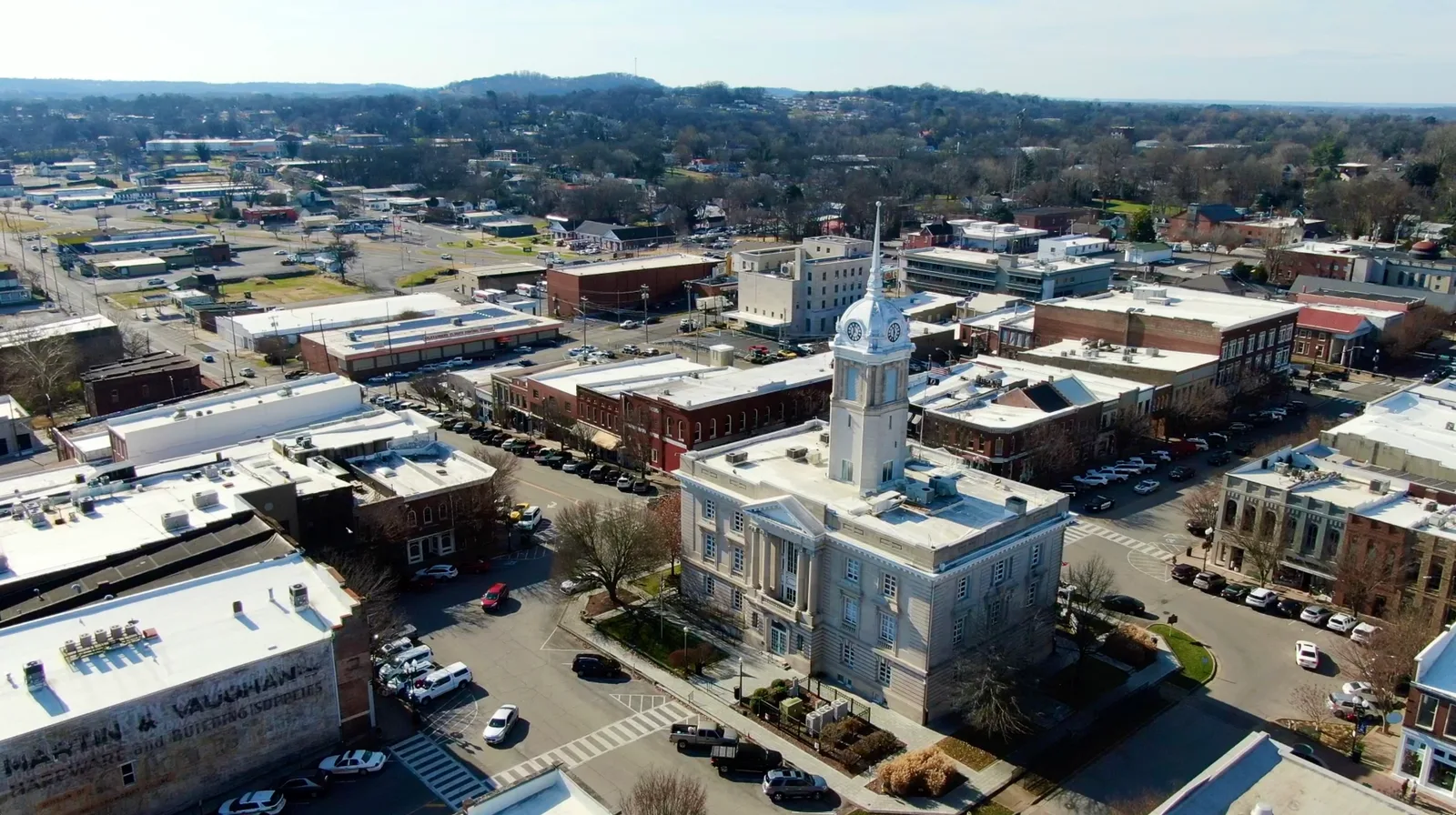
Water spreads through drywall, subfloor, and insulation within hours, and smoke residue turns acidic on metal and glass almost as quickly. In Columbia, where Duck River flooding and Middle Tennessee storm systems put homes at risk, the window between discovery and response shapes how much of a property can be saved.
Restoration work in Maury County covers a connected set of services, each addressing a different form of loss:
- Water Damage Restoration - extraction, moisture mapping, and structural drying after pipe failures, appliance leaks, and roof intrusion
- Flooded Basement Cleanup - pumping standing water, drying foundation walls, and treating below-grade humidity
- Sewage Cleanup - removal of contaminated material, disinfection, and safe disposal after backups and septic failures
- Fire Damage Restoration - debris removal, structural stabilization, and rebuilding of charred framing and finishes
- Smoke Damage Restoration - soot removal from surfaces and HVAC systems, plus odor neutralization through thermal fogging and hydroxyl treatment
- Mold Removal - containment, air filtration, material removal, and correction of the moisture source
Benefits for Columbia property owners include documented moisture readings for insurance claims, containment that protects unaffected rooms, and drying protocols that reduce the odds of secondary mold growth in humid Tennessee summers.
Common Damage Restoration Issues in Columbia, Tennessee
Columbia sits along the Duck River corridor with roughly 40,000 residents, and its mix of historic housing stock and newer subdivisions creates distinct restoration patterns.
Frequent Causes of Loss
- Duck River rises and flash flooding in low-lying neighborhoods after heavy rainfall bands
- Aging cast iron and clay sewer laterals in older parts of town that crack, sag, or fill with tree roots
- Sump pump failure during multi-day rain events, leading to flooded basements and crawl spaces
- Frozen and burst supply lines during Middle Tennessee cold snaps, especially in uninsulated crawl spaces
- Kitchen grease fires, space heater incidents, and electrical faults in older knob-and-tube or aluminum-wired homes
- Lightning strikes and wind-driven rain from spring severe weather
Warning Signs Worth Acting On
- Musty odor in a basement or hallway closet that lingers after ventilation
- Cupping hardwood, bubbling paint, or a soft spot in the subfloor near a bathroom
- Gurgling floor drains or slow tub drainage, both early indicators of a sewer line backup
- Yellow-brown ceiling staining that grows between rain events
- Persistent smoke odor that returns on humid days after a small fire was cleaned up
- Visible surface growth on crawl space joists or behind furniture on exterior walls
Small leaks rarely stay small in this climate. A slow supply line drip behind a vanity can support mold colonization within days once summer humidity climbs.
Neighborhoods We Serve in Columbia
Coverage extends across Columbia proper and the surrounding Maury County communities:
- Historic Downtown and the Athenaeum District - older brick and balloon-frame homes with basements and original plaster
- Northside and Riverside - properties nearer the Duck River floodplain
- Graymere and Country Club areas - mid-century ranch homes with crawl spaces
- Southside and Highland Park - established neighborhoods with aging sewer laterals
- Hampshire Pike and Bear Creek Pike corridors - mixed rural and suburban parcels
- Newer subdivisions off Trotwood Avenue and Nashville Highway - slab-on-grade construction
Service also reaches Spring Hill, Mount Pleasant, Culleoka, Santa Fe, Hampshire, Williamsport, and unincorporated areas throughout Maury and northern Giles counties. Commercial work covers storefronts along West 7th Street, warehouse and light industrial space near Industrial Park Road, and multi-unit residential buildings across the city.
Seasonal Damage Patterns in Columbia
- December through February - Frozen pipe bursts dominate, particularly in crawl spaces and exterior walls. Heating equipment, fireplaces, and space heaters drive the yearly peak in fire and smoke damage calls.
- March through May - Severe storm season brings wind damage, roof intrusion, and Duck River flooding. Flooded basements and sump pump failures cluster here, along with lightning-related structure fires.
- June through August - Humidity above 70 percent turns any unresolved moisture into mold growth. AC condensate line clogs, water heater failures, and crawl space condensation generate steady calls. Sewer backups increase when heavy thunderstorm runoff overwhelms lines.
- September through November - Falling leaves clog gutters and downspouts, sending water against foundations. Grading problems become obvious during fall rains. Early heating system startup produces puff-back soot events in oil and gas furnaces.
Year-round, tree root intrusion in older clay sewer laterals causes backups without regard to season, though root activity accelerates during warm growing months.
Housing Characteristics & Restoration Considerations
Columbia's housing stock spans nearly two centuries, and construction era dictates restoration approach more than almost any other factor.
Older Homes - Pre-1960
- Plaster over wood lath holds water far longer than drywall and often requires controlled demolition rather than surface drying
- Original hardwood over plank subfloor traps moisture between layers, calling for floor drying mats and extended dry-down
- Full or partial basements with stone and block foundations wick groundwater through masonry
- Renovation-era materials may contain asbestos or lead paint, requiring testing before fire debris removal or mold demolition
- Balloon framing allows smoke and fire to travel vertically through wall cavities, spreading soot to upper floors
Mid-Century and Ranch Housing
- Vented crawl spaces collect humidity and become the primary mold source in the home
- Cast iron drain lines reaching end of service life, contributing to sewage backups
- Limited attic insulation allows condensation on ductwork
Newer Subdivision Construction
- Slab-on-grade means water spreads laterally across large open floor plans instead of draining down
- Engineered wood flooring and MDF trim swell irreversibly and typically need replacement
- Tighter building envelopes hold smoke odor and moisture in, making air scrubbing and negative pressure containment more important
- PEX manifolds reduce burst risk but fitting failures still occur behind finished walls
Documenting pre-existing conditions matters in older Columbia homes, since insurers scrutinize claims where deferred maintenance intersects with sudden loss.
Environmental Conditions & Damage Implications
Middle Tennessee's humid subtropical climate shapes every stage of restoration work in Maury County.
Climate and Moisture
- Annual rainfall well above the national average, concentrated in spring and late fall
- Summer dew points regularly in the low 70s, which slows evaporative drying and demands dehumidification capacity beyond standard air movers
- Freeze-thaw cycling in winter that opens foundation cracks and stresses supply lines
Soil and Groundwater
- Limestone bedrock with karst features under much of Maury County - water travels quickly through fissures and can surface in basements far from the rainfall entry point
- Clay-heavy topsoil that swells when saturated, pressing hydrostatic force against foundation walls
- Shallow water table in Duck River bottomland areas keeping crawl spaces damp for extended periods
Air and Water Quality Effects
- High ambient humidity extends the survival window for airborne mold spores after any water event
- Hard water with elevated mineral content leaves scale that accelerates water heater and supply line failures
- Septic systems on rural properties outside city sewer service fail during saturated soil conditions, producing Category 3 contamination requiring full sanitizing
- Pollen and agricultural dust load HVAC filters, and those same systems distribute soot throughout a home after a fire
Drying targets in Columbia are set against local seasonal humidity baselines rather than fixed numbers, so equipment stays in place until materials reach genuine equilibrium.
Duck River Flooding and Below-Grade Water Response in Maury County
The Duck River is the longest river entirely within Tennessee, and its corridor through Columbia defines flood risk for a meaningful share of the city's properties. When upstream rainfall arrives in a short window, river levels climb faster than many homeowners expect, and basements and crawl spaces take on water before anyone notices.
What Makes River-Adjacent Flooding Different
- Floodwater carries silt, agricultural runoff, fuel residue, and septic contamination - treated as Category 3 regardless of appearance
- Contents that contacted floodwater usually cannot be salvaged through cleaning alone
- Insulation, drywall, and carpet padding below the water line come out rather than dry in place
- Foundation masonry absorbs water deeply, requiring extended dehumidification after visible water is gone
Response Sequence for a Flooded Basement
- Confirm electrical safety and shut off power to affected circuits before entry
- Extract standing water with truck-mounted or portable pumps
- Remove saturated contents and unsalvageable building materials
- Clean and apply antimicrobial treatment to all contacted surfaces
- Set air movers and low-grain refrigerant dehumidifiers, monitoring daily with moisture meters
- Verify dry standard against unaffected reference materials before rebuilding
Reducing Repeat Exposure
- Battery backup or water-powered secondary sump pumps for outage protection
- Backwater valves on sewer laterals to block street-side backups during flood events
- Extended downspout discharge and regraded soil sloping away from the foundation
- Encapsulated crawl spaces with conditioned air to break the humidity cycle
- Elevated placement of HVAC equipment, water heaters, and electrical panels in flood-prone basements
Properties that have flooded once in the Duck River corridor tend to flood again, so restoration work here pairs cleanup with mitigation planning for the next event.





