Damage Restoration in Loudon County, TN
- Damage Restoration Services Overview
- Common Damage Restoration Issues in Loudon County, Tennessee
- Neighborhoods We Serve in Loudon County
- Seasonal Damage Patterns in Loudon County
- Housing Characteristics & Restoration Considerations
- Environmental Conditions & Damage Implications
- From Emergency Response to Rebuild: The Loudon County Restoration Process
Damage Restoration Services Overview
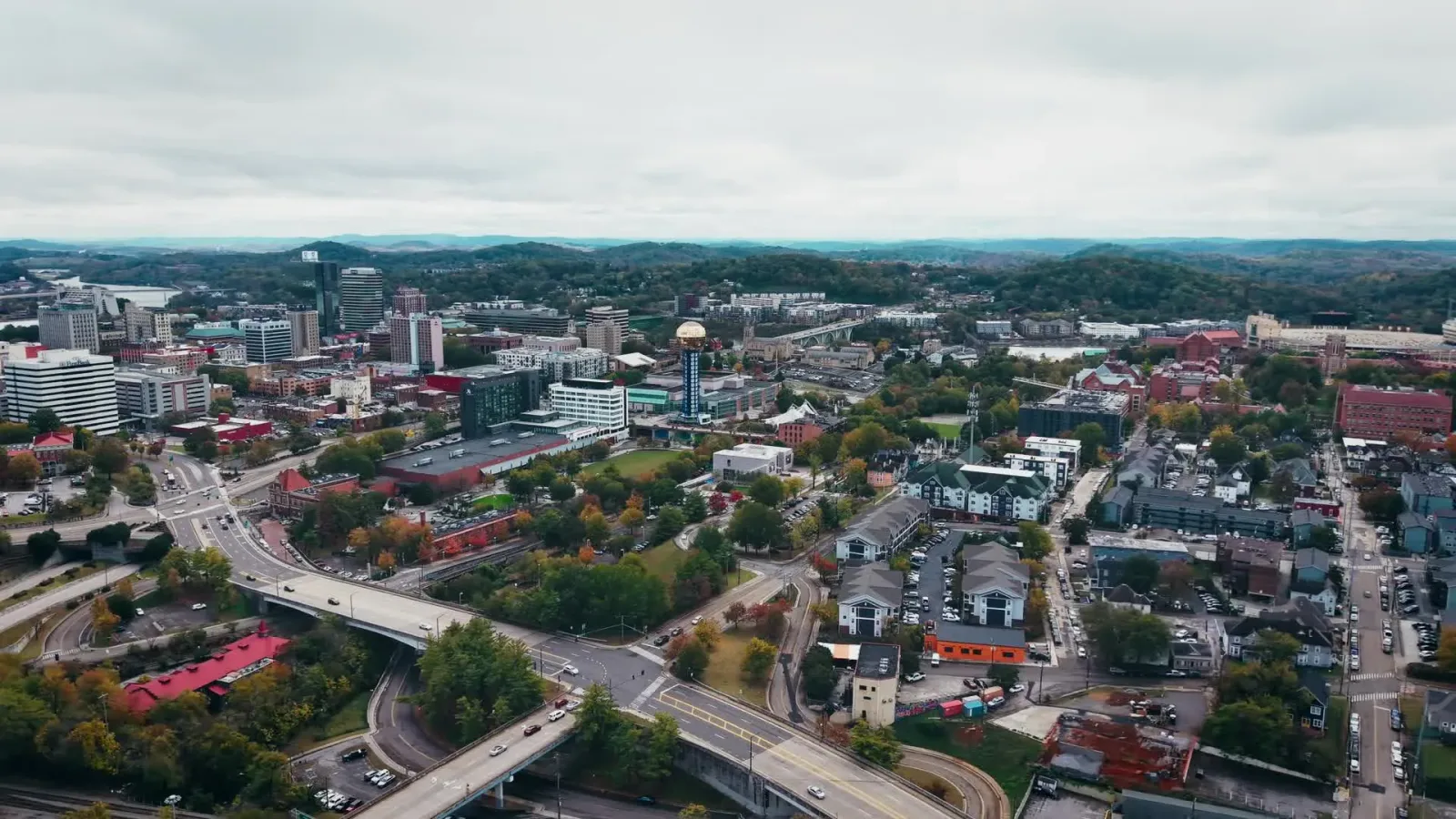
Loudon County sits where the Tennessee River widens into Fort Loudoun and Tellico Lakes, giving property owners waterfront beauty alongside a real exposure to flooding, humidity, and storm-driven damage. Homes in Lenoir City, Loudon, Greenback, and Philadelphia face everything from spring river rise to winter pipe bursts in older farmhouses.
Full-service restoration in this county typically spans six connected disciplines:
- Water Damage Restoration - extraction, structural drying, and dehumidification after supply line breaks, appliance failures, roof leaks, or river backwater.
- Flooded Basement Recovery - pumping standing water, drying block and poured foundations, and treating below-grade humidity.
- Sewage Cleanup - safe removal of Category 3 contaminated water from septic backups and municipal line failures.
- Fire Damage Restoration - board-up, debris removal, structural cleaning, and reconstruction after kitchen, chimney, or electrical fires.
- Smoke Damage Restoration - soot removal, HVAC decontamination, and odor neutralization in areas untouched by flame.
- Mold Removal - containment, controlled removal of colonized materials, and moisture-source correction.
The benefit of handling these under one roof is continuity: the same team that documents the initial loss carries the project through drying, cleaning, and rebuild, so nothing falls through the gaps between contractors and insurance adjusters.
Common Damage Restoration Issues in Loudon County, Tennessee
Tennessee averages roughly 54 inches of rainfall a year, and Loudon County catches its share through flash flooding along creek drainages, saturated clay soils, and lake-influenced humidity that keeps materials from drying on their own.
Frequent Causes of Loss
- Flash flooding along Sweetwater Creek, Pond Creek, and low-lying river frontage after heavy convective storms.
- Hydrostatic pressure pushing groundwater through basement wall cracks and cove joints.
- Septic system saturation in rural areas, forcing sewage back into lower-level fixtures.
- Frozen and burst pipes in crawl spaces and unheated garages during January cold snaps.
- Chimney, woodstove, and space heater fires in older homes heated supplementally through winter.
- Grease and appliance fires that spread smoke and soot through open-plan floor layouts.
Warning Signs Worth Acting On
- Musty odors in basements or crawl spaces that intensify when the HVAC runs.
- Buckling laminate, cupping hardwood, or soft baseboards along exterior walls.
- Efflorescence - white chalky residue - on block foundation walls.
- Persistent smoke odor that returns on humid days after a fire has been cleaned.
- Slow drains or gurgling fixtures preceding a full septic backup.
- Visible discoloration behind toilets, under sinks, or at HVAC plenum seams.
Catching these early usually keeps a mitigation job from becoming a reconstruction job.
Neighborhoods We Serve in Loudon County
Coverage spans the full county and its surrounding communities, with attention to the distinct building stock in each.
- Lenoir City - established downtown homes, waterfront properties along Fort Loudoun Lake, and newer subdivisions off Highway 321.
- Loudon - historic district residences near the river plus industrial and commercial buildings along Highway 11.
- Greenback - rural acreage, farmhouses, and septic-served properties.
- Philadelphia - small-town homes and outbuildings near Sweetwater Creek drainage.
- Tellico Village - lakefront and golf-community homes with finished basements and crawl spaces.
- Rarity Bay, Lakeside, and Eaton's Crossroads - shoreline neighborhoods with elevation and drainage concerns.
Nearby response also extends into Farragut, Sweetwater, Vonore, Friendsville, and the western Knox County line, which matters when a regional storm system generates simultaneous calls across multiple counties.
Seasonal Damage Patterns in Loudon County
Restoration demand in East Tennessee follows a predictable rhythm, and knowing it helps property owners prepare instead of react.
- January - February: Frozen pipe bursts in crawl spaces and exterior walls; heating-related fires from woodstoves, chimneys, and portable heaters; smoke damage from improperly drafting flues.
- March - May: Peak severe weather. Heavy rain, wind-driven roof leaks, hail damage, and flooded basements as saturated clay soils lose absorption capacity.
- June - August: High humidity drives mold growth in crawl spaces, attics, and basements. Afternoon thunderstorms cause sudden flash flooding and lightning-related electrical fires.
- September - October: Slower period, but a smart window for moisture inspections, sump pump testing, and gutter correction before winter.
- November - December: Cooking fires around the holidays, early cold snaps stressing plumbing, and septic strain from increased household occupancy.
Sewage backups can occur year-round but cluster after prolonged rain, when saturated drain fields cannot accept additional volume.
Housing Characteristics & Restoration Considerations
Loudon County's housing mix ranges from pre-1950 farmhouses to lakefront construction built in the last two decades, and each type responds differently to water, fire, and microbial damage.
Older Homes (pre-1980)
- Plaster walls and solid hardwood floors hold moisture longer and need slower, monitored drying.
- Original cast iron and galvanized drain lines are prone to corrosion and sewage backups.
- Balloon framing lets smoke and soot travel vertically between floors through open wall cavities.
- Possible asbestos-containing floor tile, mastic, or pipe wrap requiring testing before demolition.
Crawl Space Construction
- Extremely common countywide and the leading site for hidden mold colonization.
- Vented crawl spaces pull in humid summer air that condenses on cool subfloor framing.
- Insulation batts trap moisture against joists and often need removal after any water event.
Finished Basements and Lakefront Builds
- Below-grade drywall, carpet pad, and cabinetry absorb water fast and rarely dry in place.
- Walkout basements on sloped lots face surface water intrusion at door thresholds.
- Modern tight envelopes hold smoke odor in longer, making HVAC and duct cleaning necessary after fires.
Restoration work involving structural repair or reconstruction falls under contractor licensing overseen by the Tennessee Department of Commerce and Insurance, so verifying credentials before demolition begins protects both the property and any insurance claim.
Environmental Conditions & Damage Implications
The local environment shapes how quickly damage spreads and how aggressively drying must be managed.
Climate and Humidity
- Humid subtropical conditions with warm, moisture-heavy summers keep indoor relative humidity elevated.
- Mold can establish on wet cellulose materials within 24 to 48 hours under these conditions.
- Winter freeze-thaw cycles crack foundation mortar and open new water entry points.
Soil and Drainage
- Clay-heavy East Tennessee soils drain slowly and expand when saturated, pressing against foundation walls.
- Karst limestone geology creates unpredictable subsurface water movement and occasional sinkhole activity.
- Sloped lots near the lakes concentrate runoff toward lower-elevation structures.
Water and Air Quality Factors
- Rural septic systems on clay drain fields back up more readily during extended wet periods, producing Category 3 contamination.
- Lake-adjacent properties experience higher ambient moisture that slows natural evaporation.
- Pollen, wood smoke, and agricultural dust load HVAC filters, and post-fire soot compounds indoor air problems until ducts are cleaned.
These conditions mean equipment selection matters. Dehumidification capacity must exceed what a comparable job would require in a drier climate, and moisture readings should be tracked daily until materials reach documented dry standards rather than simply appearing dry to the touch.
From Emergency Response to Rebuild: The Loudon County Restoration Process
A water, sewage, fire, or mold loss creates two problems at once - the physical damage and the coordination burden. Handling both from a single point of contact keeps a Loudon County property moving toward completion instead of stalling between a mitigation crew, a mold contractor, and a rebuild carpenter.
How a Complete Project Unfolds
- Emergency response and stabilization - stopping the source, extracting standing water, tarping roofs, or boarding openings after a fire.
- Documented assessment - moisture mapping, thermal imaging, soot and smoke residue evaluation, and photo records for the insurance file.
- Containment and safe removal - negative-air containment for mold and sewage work, controlled demolition of unsalvageable drywall, insulation, and flooring.
- Cleaning and decontamination - antimicrobial application, soot removal by residue type, ultrasonic contents cleaning, and HVAC decontamination.
- Structural drying - air movers and commercial dehumidifiers with daily moisture logs until materials hit target readings.
- Odor neutralization - hydroxyl or thermal fogging treatment for smoke, sewage, and mold odors trapped in porous surfaces.
- Reconstruction - drywall, trim, paint, flooring, cabinetry, and finish work returning the home to pre-loss condition.
Why Single-Source Matters Here
- One documentation trail simplifies claim review for adjusters handling multiple East Tennessee losses at once.
- Drying data proves the structure was properly dried before walls were closed, preventing hidden mold later.
- Crews already familiar with local crawl space construction, septic patterns, and lakefront drainage waste less time diagnosing.
- Rebuild scheduling begins during mitigation rather than after, shortening total displacement for the household.
For Lenoir City, Loudon, Greenback, Philadelphia, and Tellico Village property owners, that continuity is the difference between a repaired house and a fully restored one.