
Damage Restoration in Tellico Village, TN
- Damage Restoration Services Overview
- Common Damage Restoration Issues in Tellico Village, Tennessee
- Neighborhoods We Serve in Tellico Village
- Seasonal Damage Patterns in Tellico Village
- Housing Characteristics & Restoration Considerations
- Environmental Conditions & Damage Implications
- Protecting Seasonal and Second Homes in a Lakeside Retirement Community
Damage Restoration Services Overview
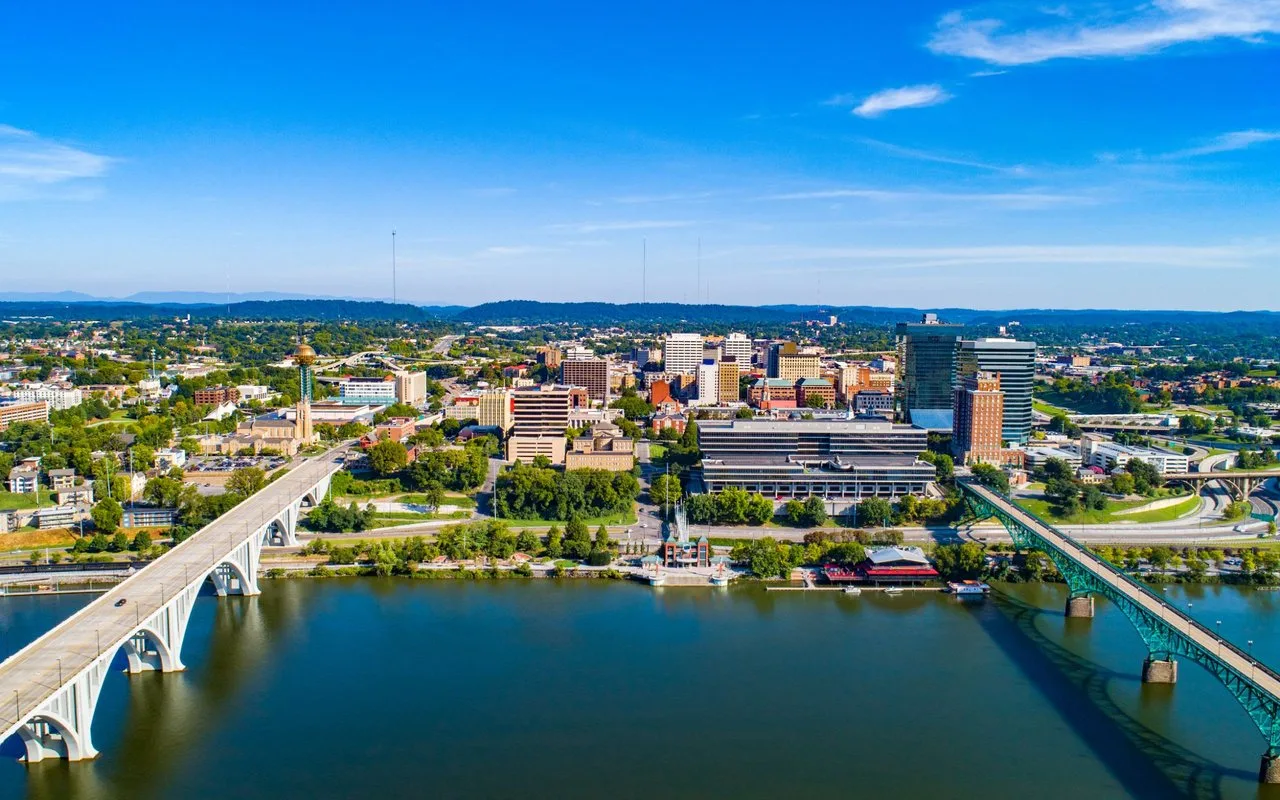
Discovering water spreading across a hardwood floor, smelling smoke in a custom kitchen, or finding sewage backing into a lower level ranks among the most unsettling moments a homeowner can face. In Tellico Village, where properties often feature premium finishes and lakefront exposure, the response in the first hours shapes what can be saved.
Restoration work here spans a connected set of services, each addressing a different stage of property damage:
- Water Damage Restoration - extraction, structural drying, and moisture mapping after pipe failures, appliance leaks, and storm intrusion
- Flooded Basement Recovery - pumping standing water from lower levels and walkout basements common in elevated Village homes
- Sewage Cleanup - containment, removal, and antimicrobial treatment of contaminated Category 3 water
- Fire Damage Restoration - structural stabilization, debris removal, and rebuilding of damaged assemblies
- Smoke Damage Restoration - soot removal from surfaces, HVAC systems, and textiles, plus odor neutralization
- Mold Removal - containment, source correction, and remediation of colonies fed by lakeside humidity
Benefits for Village residents go beyond cleanup. Documented moisture readings support insurance claims, controlled drying protects hardwood and specialty millwork, and early intervention keeps a single water event from becoming a mold problem months later.
Common Damage Restoration Issues in Tellico Village, Tennessee
Tellico Village sits along Tellico Lake in Loudon County, and that setting drives most of the damage patterns technicians encounter here.
Frequent Causes of Property Damage
- Lakefront property flooding during high water periods and heavy release cycles
- Basement and crawlspace flooding in elevated homes after seasonal thunderstorms
- Burst supply lines in larger homes with long, complex plumbing runs and seldom-used guest wings
- Roof leaks at flashing intersections on the multi-plane rooflines typical of Village architecture
- Sewer and septic backups after saturating rainfall overwhelms drainage
- Kitchen fires, fireplace and chimney fires, and grill fires on covered lakeside decks
- Sustained elevated humidity feeding mold behind cabinetry, under flooring, and inside HVAC returns
Warning Signs Worth Acting On
- Cupping, crowning, or darkening along hardwood seams
- Musty odor that intensifies when the HVAC cycles on
- Efflorescence, staining, or chalky residue on basement foundation walls
- Gurgling floor drains or slow lower-level fixtures during storms
- Yellowing or greasy film on ceilings and walls after any smoke event
- Heavier-than-expected granule accumulation in gutters, plus algae or moss on shingle surfaces signaling retained moisture
- Rust staining at flashing joints where two roof planes meet
Many Village homes have reached an age where roofing systems, water heaters, and supply lines are all approaching the end of their service life at roughly the same time - which is why a leak that appears sudden often has a long, quiet history behind it.
Neighborhoods We Serve in Tellico Village
Coverage extends across the full Village footprint and into the surrounding Loudon and Monroe County communities.
- Tanasi - lakefront and golf-course-adjacent homes with walkout lower levels
- Toqua - established sections with mature landscaping and aging drainage
- Kahite - the Vonore-side neighborhoods along the southern shoreline
- Chota, Chota Hills, and Chota Shores - some of the Village's earliest built homes
- Mialaquo, Coyatee, and Chatuga areas - mixed waterfront and interior lots
- Village Center, Chota Recreation Center, and Yacht Club corridors - commercial and amenity buildings
Service also reaches nearby Loudon, Lenoir City, Vonore, Greenback, Madisonville, and the Fort Loudoun Lake communities. Familiarity with Village road layouts, gate access, and property manager protocols shortens response time when minutes matter.
Seasonal Damage Patterns in Tellico Village
Damage calls in the Village follow a predictable annual rhythm shaped by lake levels, humidity, and heating cycles.
- December through February - frozen and burst pipes in unheated garages, crawlspaces, and vacant seasonal homes; chimney and space heater fires; furnace puffback smoke events
- March through May - peak severe storm season bringing flooded basements, roof leaks, storm-driven water intrusion, and sewer backups from saturated ground
- June through August - highest humidity of the year, driving mold growth in basements, closets, and HVAC systems; summer lake levels raise groundwater against foundations; grill and outdoor kitchen fires increase
- September through November - remnant tropical systems deliver heavy rain; leaf-clogged gutters push water behind fascia; first fireplace use of the season produces smoke and soot damage
Snowbird and seasonal residents face added exposure, since a supply line failure in an unoccupied home can run for weeks before discovery.
Housing Characteristics & Restoration Considerations
Tellico Village developed largely from the mid-1980s onward, so the housing stock ranges from homes now well past thirty years old to recent custom builds. That spread changes how each restoration job is planned.
Construction Features That Shape the Work
- Walkout and daylight basements - built into sloping lakeside lots, they collect water first and dry slowest
- Crawlspace foundations - vented crawls trap humid air and become mold reservoirs that feed the living space above
- Hardwood, engineered wood, and stone flooring - requires controlled, gradual drying rather than aggressive heat to prevent permanent cupping or delamination
- Custom cabinetry and specialty millwork - benefits from injection drying and cavity ventilation instead of demolition
- Complex rooflines with numerous valleys and flashing joints - multiple intrusion points feeding attic and wall cavity moisture
- Multi-zone HVAC systems - carry smoke, soot, and mold spores between levels unless isolated early
- Original supply lines, water heaters, and shutoff valves - reaching failure age across many older Village sections at once
How That Affects Restoration Decisions
- Salvage-first drying protects finishes that would be difficult or slow to match
- Containment barriers keep sewage and mold work isolated from finished living areas
- Moisture meters and thermal imaging locate hidden water behind trim and inside insulated cavities
- Detailed documentation separates sudden storm damage from long-term humidity deterioration - the distinction insurers scrutinize most closely in Loudon County
Environmental Conditions & Damage Implications
The Village sits between Tellico Lake and Fort Loudoun Lake in the Tennessee Valley, and that dual-water setting defines local drying conditions.
Climate and Moisture Factors
- Annual rainfall well above the national average, concentrated in spring and late fall
- Summer relative humidity that regularly stays elevated overnight, slowing natural evaporation
- Warm, humid air meeting cool basement slabs, producing condensation on walls and ductwork
- Freeze-thaw cycles in winter that stress foundation joints and outdoor plumbing
- Lake level fluctuations that raise the water table beneath shoreline lots
Soil, Water, and Air Considerations
- Clay-heavy East Tennessee soils drain slowly and hold water against foundation walls
- Karst limestone geology in parts of Loudon and Monroe counties creates unpredictable subsurface water movement
- Mineral-rich water leaves scale in supply lines and water heaters, accelerating leaks
- Pollen-heavy spring air combines with post-fire soot to worsen indoor air quality
- Homes on septic systems face backup risk when saturated drain fields cannot accept flow
What This Means for Equipment
Commercial-grade dehumidifiers and air movers are positioned to protect hardwood, stone, and custom surfaces rather than simply pushing air through a room. Because ambient humidity near the lake works against drying, equipment often runs longer and in greater numbers than in drier regions, with daily moisture readings confirming progress before anything is removed.
Protecting Seasonal and Second Homes in a Lakeside Retirement Community
Tellico Village includes many residents who travel for extended periods, plus second homes occupied only part of the year. An unattended leak in an empty house is the single most expensive scenario in local restoration work - what would be a one-room extraction becomes a whole-floor rebuild plus mold remediation.
Steps That Reduce Absence Risk
- Shut off the main water supply before any trip longer than a few days
- Install a smart leak detection system with automatic shutoff and phone alerts
- Place water sensors near the water heater, washing machine, dishwasher, refrigerator line, and every lower-level bathroom
- Set the thermostat no lower than the mid-fifties in winter to keep pipe cavities above freezing
- Run a dehumidifier with a permanent drain in basements and crawlspaces through the humid months
- Arrange for a neighbor, Village service, or property manager to walk the home weekly
- Clear gutters and downspout extensions before leaving for fall and spring travel
What Happens When Damage Is Found Late
- Standing water migrates under hardwood and into wall cavities, expanding the affected area
- Clean water degrades to contaminated water within days, changing the cleanup category
- Mold colonies establish quickly in warm, still air, requiring containment and remediation
- Smoke odor from an unventilated fire event sets deeper into porous materials and textiles
- Insurance carriers may question coverage when damage clearly progressed over weeks
Response Priorities on Arrival
- Stop the source and stabilize the structure
- Photograph and meter every affected area for the claim file
- Extract, contain, and establish controlled drying zones
- Coordinate directly with adjusters and, where needed, out-of-state owners by phone and photo updates
Emergency response operates around the clock, because water and smoke do not wait for business hours - and neither should the first call.





