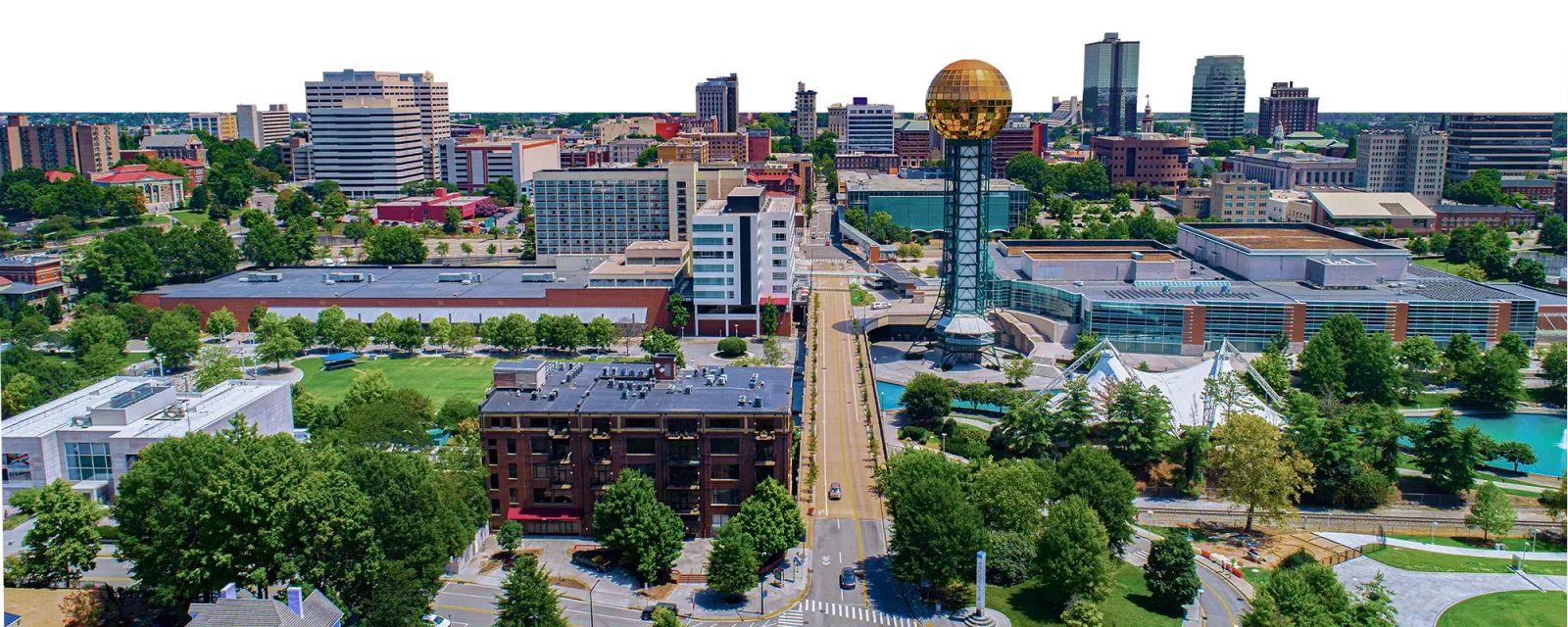
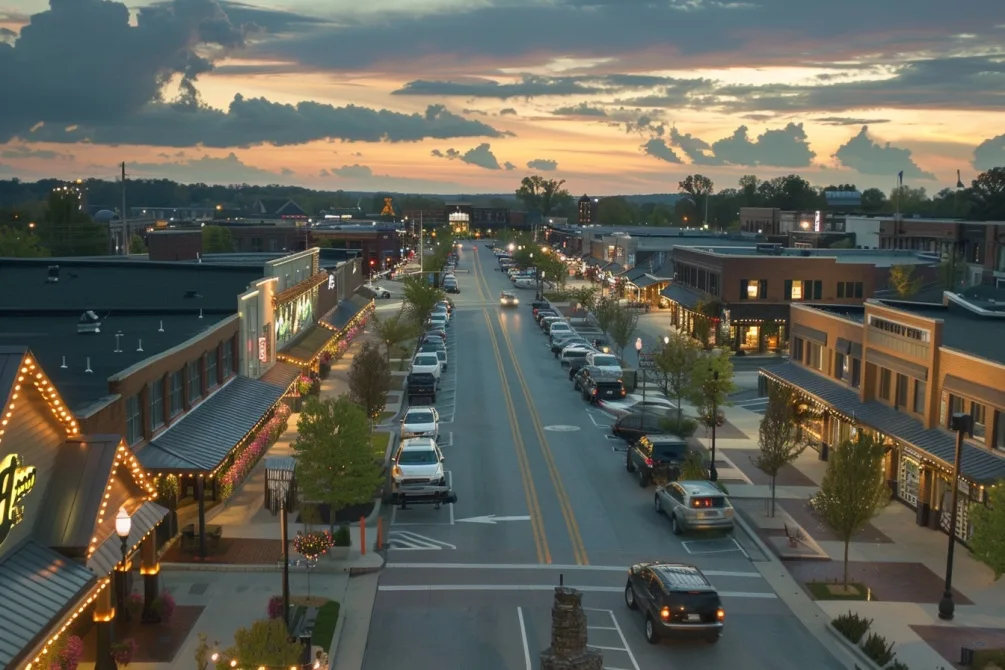
Damage Restoration in Rutherford County, TN
- Damage Restoration Services Overview
- Common Damage Restoration Issues in Rutherford County, Tennessee
- Neighborhoods We Serve in Rutherford County
- Seasonal Damage Patterns in Rutherford County
- Housing Characteristics & Restoration Considerations
- Environmental Conditions & Damage Implications
- Working With Insurance and Local Requirements After Rutherford County Storms
Damage Restoration Services Overview
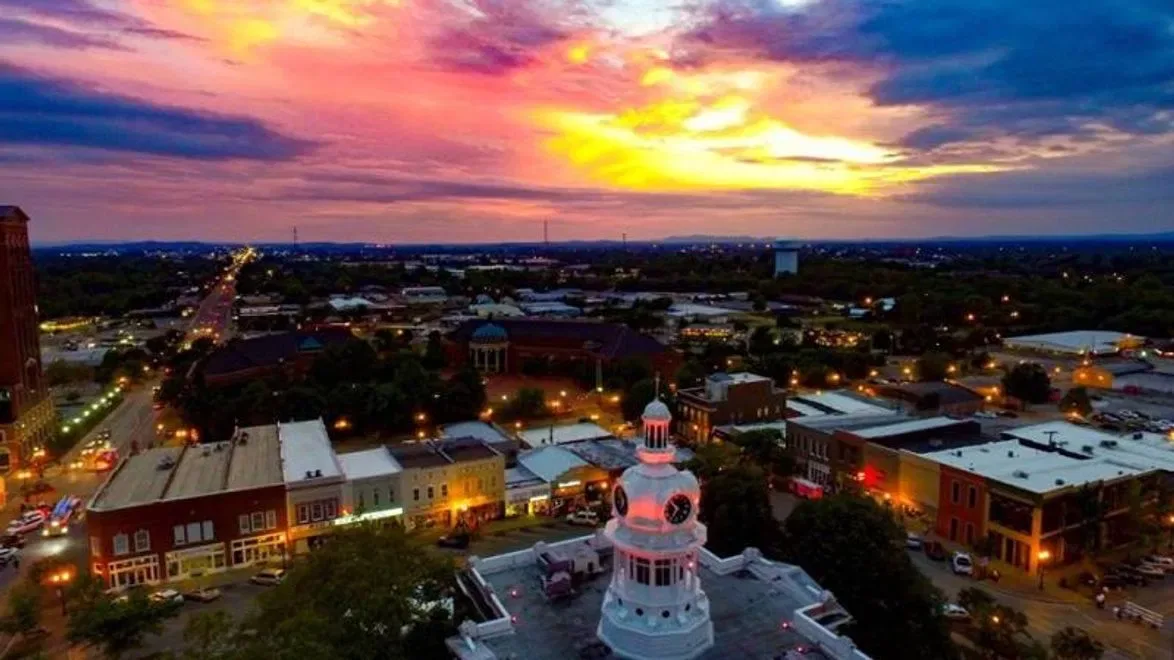
Water that sits for a weekend does not simply dry out - it migrates into wall cavities, swells subfloor seams, and creates the humid pocket where mold colonies take hold. The same delay principle applies to fire and smoke residue, which turns acidic within days and permanently etches glass, metal fixtures, and finished surfaces throughout a Rutherford County home.
Fast, coordinated response keeps a contained problem from becoming a full reconstruction project. Property owners across Murfreesboro, Smyrna, and La Vergne rely on a connected set of services rather than a patchwork of separate contractors.
- Water Damage Restoration - extraction, structural drying, moisture mapping, and monitoring until materials return to normal readings.
- Flooded Basement - pump-out, sump and drainage evaluation, and drying of below-grade framing, insulation, and stored belongings.
- Sewage Cleanup - containment, removal of contaminated porous materials, and antimicrobial treatment of affected surfaces.
- Fire Damage Restoration - board-up, debris removal, soot cleaning, and coordination of structural repairs.
- Smoke Damage Restoration - residue removal from contents and HVAC systems plus odor neutralization at the source.
- Mold Removal - containment barriers, negative air pressure, controlled removal, and correction of the moisture source.
Emergency response runs around the clock, because storm and plumbing failures rarely wait for business hours.
Common Damage Restoration Issues in Rutherford County, Tennessee
Middle Tennessee's mix of heavy spring rainfall, clay-heavy soils, and winter ice events drives most of the damage calls in Rutherford County. The county's rapid growth also means a wide spread of housing ages, from century-old farmhouses to slab-on-grade subdivisions built in the last decade.
Frequent Causes of Loss
- Flash flooding along the Stones River, Overall Creek, and Lytle Creek corridors after intense rain bands.
- Frozen and burst supply lines during winter storms - the same events that prompt county EMA damage reporting.
- Sump pump failures and hydrostatic pressure pushing water through basement wall cracks.
- Sewer backups when municipal lines surcharge during saturated conditions, or when older lateral lines fail.
- Kitchen fires, space heater incidents, and electrical faults in aging panels.
- Storm-driven roof and tree damage that opens the building envelope to rain intrusion.
Warning Signs Worth Acting On
- Musty odors in closets, crawl spaces, or finished basements - often the first indicator of hidden mold.
- Bubbling paint, cupping hardwood, or soft baseboards along exterior walls.
- Slow floor drains or gurgling toilets that hint at a compromised sewer line.
- Persistent smoke odor that returns when humidity rises, signaling residue left inside ductwork.
- Unexplained spikes in water usage, pointing to a concealed supply leak under slab.
Neighborhoods We Serve in Rutherford County
Coverage extends across the entire county and into adjoining communities, with crews positioned for quick arrival to both urban and rural addresses.
- Murfreesboro - historic downtown, Gateway, Blackman, Salem Creek, Cason Lane, and the MTSU campus area.
- Smyrna - Almaville, Nissan Drive corridor, Stewart Creek, and Sam Ridley communities.
- La Vergne - Waldron Road, Lake Forest, and neighborhoods bordering Percy Priest Lake.
- Eagleville and Rockvale - rural properties, farmsteads, and outbuildings on well and septic systems.
- Christiana, Lascassas, Milton, and Walter Hill - homes along the Stones River branches and county roads.
- Barfield, Blackman, and Siegel - newer subdivisions with slab foundations and attached garages.
Commercial work covers retail centers, warehouses, medical offices, schools, and multi-family properties throughout the county and neighboring Williamson, Cannon, and Bedford County lines.
Seasonal Damage Patterns in Rutherford County
Each season brings a distinct pattern of loss, and knowing the calendar helps property owners prepare before the call becomes an emergency.
Winter (December - February)
- Burst pipes in crawl spaces, attics, and unheated garages during hard freezes.
- Ice dam and roof leak intrusion following snow events like the winter storms the county EMA tracks.
- Heating equipment, fireplace, and space heater fires driving smoke damage calls.
Spring (March - May)
- Peak flooded basement season as saturated clay soils force groundwater inward.
- Severe thunderstorms and tornado activity causing wind-driven rain and structural breaches.
- Sewer backups when heavy rain overwhelms collection systems.
Summer (June - August)
- High humidity accelerating mold growth in crawl spaces and behind vinyl wallcoverings.
- AC condensate line clogs flooding hallways, closets, and ceilings below air handlers.
- Lightning strikes igniting attic and electrical fires.
Fall (September - November)
- Clogged gutters and leaf-packed downspouts directing water against foundations.
- First furnace runs releasing dust and smoke odor from neglected systems.
- Ideal window for moisture inspections before winter freezes arrive.
Housing Characteristics & Restoration Considerations
Rutherford County's housing stock splits sharply between pre-1980 construction and the enormous wave of building that followed the region's growth boom - and those two groups fail in very different ways.
Older Homes (pre-1980)
- Crawl space foundations with limited vapor barriers, encouraging chronic mold in floor joists and insulation.
- Cast iron or clay sewer laterals prone to root intrusion and collapse, raising sewage cleanup risk.
- Plaster, lath, and solid wood trim that hold smoke residue deeply and require specialized cleaning.
- Knob-and-tube or early aluminum wiring remnants that elevate fire risk.
- Potential asbestos-containing floor tile and mastic requiring careful handling before removal.
Newer Construction (1990s - present)
- Slab-on-grade foundations where supply line leaks travel unseen beneath flooring for weeks.
- Tightly sealed envelopes that trap humidity and concentrate smoke odor in ductwork.
- Engineered wood I-joists and OSB sheathing that lose strength quickly once saturated.
- Finished basements and bonus rooms with carpet, drywall, and stored contents at the lowest point.
- Open floor plans that let water and soot spread across large uninterrupted areas.
What This Means for Restoration
- Moisture mapping identifies the true extent of migration rather than only what is visible.
- Drying plans are built around the specific materials present - hardwood, tile over slab, or engineered subfloor.
- Containment protects unaffected rooms during removal of contaminated or fire-damaged materials.
- Reconstruction steps are coordinated with local building code and permitting requirements.
Environmental Conditions & Damage Implications
The county's humid subtropical climate keeps indoor moisture in play nearly year-round, which shapes every drying and mold decision made on site.
Climate and Humidity
- Annual rainfall well above the national average, concentrated in spring storm systems.
- Summer dew points that make passive drying ineffective - dehumidification equipment is required.
- Freeze-thaw cycles in winter that widen foundation cracks and stress plumbing.
Soil and Groundwater
- Limestone bedrock with shallow topsoil, producing rapid runoff instead of absorption.
- Karst features and sinkholes that redirect groundwater in unpredictable ways.
- Expansive clay soils that swell against basement walls and footings after heavy rain.
- High water tables in low-lying areas near the Stones River and its tributaries.
Air Quality Implications
- Seasonal pollen and agricultural dust that combine with post-fire soot to irritate airways.
- Crawl space air drawn upward through the stack effect, carrying mold spores into living space.
- Smoke particulate that settles in HVAC systems and recirculates until the ducts are cleaned.
Because of these conditions, drying targets are set against local baseline readings, and post-remediation verification confirms the structure is genuinely stable rather than simply surface-dry.
Working With Insurance and Local Requirements After Rutherford County Storms
The paperwork side of a loss frustrates homeowners as much as the damage itself. Clear documentation from the first hour makes claims move faster and keeps expectations honest.
How Documentation Is Handled
- Photograph and video the affected areas before anything is moved or removed.
- Record moisture readings, temperature, and humidity levels at established monitoring points.
- Inventory damaged contents room by room, separating salvageable from non-salvageable items.
- Log daily drying progress so adjusters can see measurable change over time.
- Share findings directly with the property owner, not only with the carrier.
County Storm Damage Reporting
After major weather events, Rutherford County EMA asks residents to submit damage reports covering downed trees, damaged fences, barns, sheds, driveways, and outbuildings. These reports help local and state officials assess impacts and determine whether the county may qualify for state or federal assistance. Filing does not guarantee reimbursement, but it supports recovery planning. Reports typically request name, address, a description of the damage, whether property insurance is in place, and photos when available.
Our Commitment to Transparency
- Listening first, so the plan reflects what matters most to your family or team.
- Explaining scope, sequence, and next steps before equipment goes in.
- Protecting unaffected areas with floor coverings, containment, and orderly work zones.
- Planning around your routines and flagging temporary disruptions in advance.
- Coordinating permits and code requirements so you are not chasing multiple parties.
Emergency response is available 24/7 across Murfreesboro, Smyrna, La Vergne, and the surrounding Rutherford County communities.