Damage Restoration in Roane County, TN
- Damage Restoration Services Overview
- Common Damage Restoration Issues in Roane County, Tennessee
- Neighborhoods We Serve in Roane County
- Seasonal Damage Patterns in Roane County
- Housing Characteristics & Restoration Considerations
- Environmental Conditions & Damage Implications
- Protecting Roane County Businesses While Keeping the Doors Open
Damage Restoration Services Overview
Damage spreads on its own schedule. Water damage claims from Harriman and Roane County properties follow a predictable pattern: the smaller the initial response, the larger the eventual claim. A slow supply line behind a laundry wall becomes swollen subfloor, then warped joists, then mold colonies inside insulation.
Restoration work in Roane County covers a connected group of emergencies, each requiring different equipment and different sequencing:
- Water damage restoration - extraction, structural drying, moisture mapping, and repair of pipe bursts, appliance failures, and roof leaks.
- Flooded basement recovery - pumping standing water, drying block and poured walls, and salvaging stored belongings.
- Sewage cleanup - containment and disinfection of Category 3 contamination from backups, septic failures, and lift station overflows.
- Fire damage restoration - board-up, debris removal, structural stabilization, and rebuilding of charred framing and finishes.
- Smoke damage restoration - soot removal from surfaces, odor neutralization, HVAC cleaning, and content care.
- Mold removal - containment, HEPA filtration, safe material removal, and correction of the moisture source feeding growth.
Homeowners in Kingston, Rockwood, and Oliver Springs benefit from a single team handling the full arc - emergency response through reconstruction - so nothing falls through the gap between mitigation and repair. Commercial clients get the same coordination with a focus on keeping operations running.
Common Damage Restoration Issues in Roane County, Tennessee
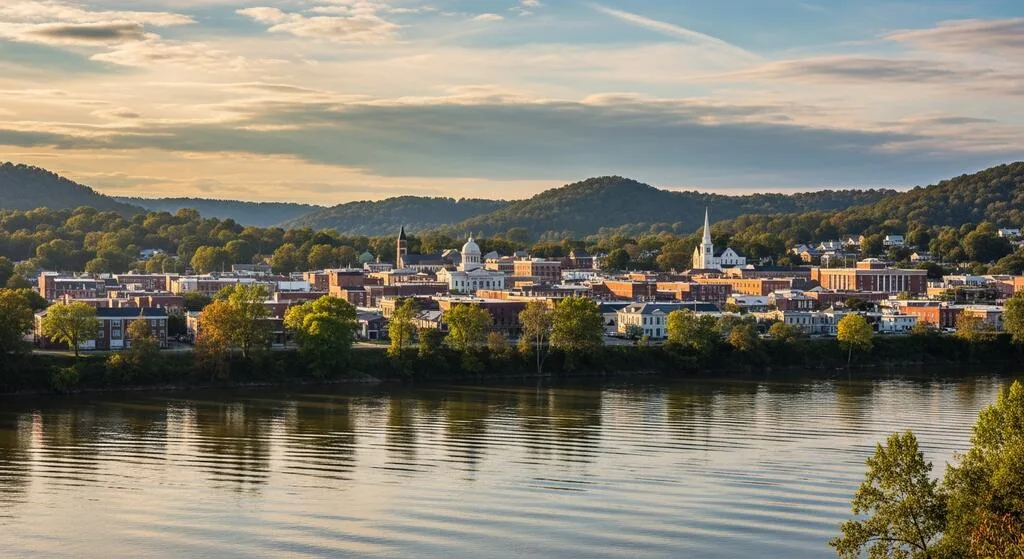
Roane County sits where the Clinch, Emory, and Tennessee Rivers converge around Watts Bar Lake, and that geography shapes nearly every restoration call in the area.
Water and Basement Problems
- Hydrostatic pressure pushing groundwater through block basement walls in low-lying Kingston and Midtown properties
- Sump pump failures during multi-day rain events, especially when power drops
- Frozen and burst pipes in unconditioned crawl spaces during January cold snaps
- Failed water heaters and washing machine hoses in finished basements
Sewage and Drainage Concerns
- Septic system saturation on rural parcels where clay soil limits drain field absorption
- Municipal line backups when heavy rain overloads combined stormwater capacity
- Tree root intrusion into older clay sewer laterals in established Harriman neighborhoods
Fire and Smoke
- Wood stove and fireplace chimney fires in outlying homes heated with supplemental sources
- Electrical faults in mid-century wiring that was never fully updated
- Kitchen grease fires that push oily soot residue through entire floor plans and ductwork
Warning Signs Worth Acting On
- Musty odor in a crawl space or lower level that intensifies in humid weather
- Cupping hardwood, bubbling paint, or tape seams separating on drywall
- Slow drains in multiple fixtures at once, which often precedes a full backup
- Persistent smoke smell that returns when the HVAC system cycles on
Neighborhoods We Serve in Roane County
Coverage extends across the county's incorporated cities, unincorporated communities, and lakefront developments:
- Kingston - downtown, Ladd Landing, and Watts Bar waterfront properties
- Harriman - Cornstalk Heights, South Harriman, and Walnut Hill
- Rockwood - the Roane Street corridor and Whites Creek area
- Oliver Springs - shared border neighborhoods with Anderson and Morgan counties
- Midtown and Dyllis - residential and light commercial along the Highway 70 corridor
- Ten Mile, Paint Rock, and Bluff Road - rural and lakeside properties on septic systems
- Emory Valley and Caney Creek - homes near the Emory River floodplain
Nearby service reaches into Loudon, Lenoir City, Crossville, and the western edge of Oak Ridge. Rural addresses off Highway 27, Highway 61, and the I-40 interchanges receive the same response as in-town properties.
Seasonal Damage Patterns in Roane County
Damage types cluster by season in East Tennessee, and knowing the calendar helps property owners prepare.
- December through February - Pipe freezes lead the call volume. Fire and smoke damage climb with space heaters, wood stoves, and holiday cooking. Chimney fires peak in this window.
- March through May - Spring rainfall and river rise drive flooded basements, crawl space saturation, and sump pump overload. Septic drain fields struggle with sustained groundwater.
- June through August - Humidity does the damage. Mold growth accelerates in crawl spaces, basements, and behind vinyl wall coverings. Afternoon thunderstorms bring roof leaks and lightning-related electrical fires.
- September through November - Remnants of tropical systems produce heavy multi-day rain and sewer backups. Falling leaves clog gutters and downspouts, redirecting roof runoff against foundations. Heating systems fired up for the first time release soot and smoke odors from dirty ducts.
Two transition periods deserve extra attention: the first hard freeze and the first furnace startup. Both catch properties unprepared and generate a burst of emergency calls across the county.
Housing Characteristics & Restoration Considerations
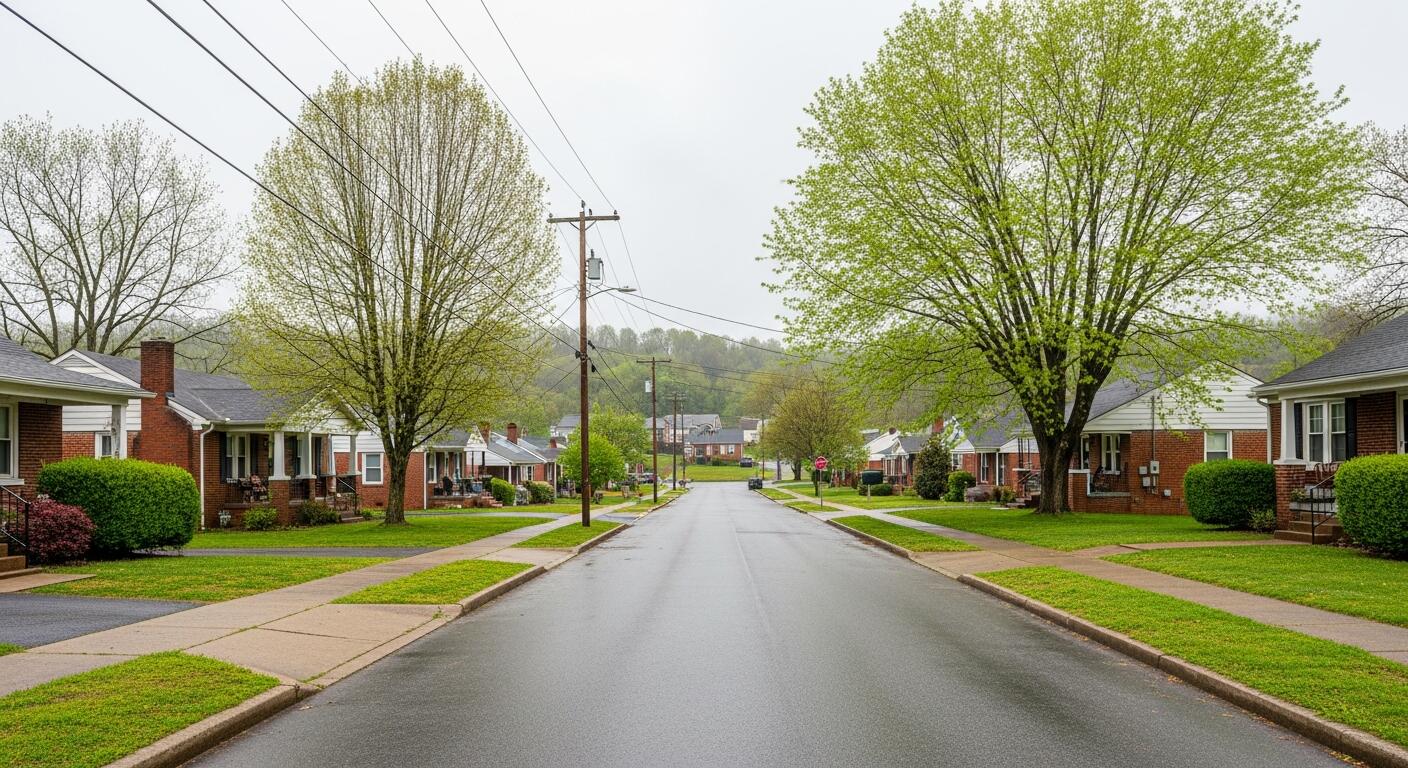
Roane County housing stock leans older than the state average, with large concentrations of homes built between the 1940s and 1980s alongside newer lakefront and subdivision construction.
Construction Types and What They Mean
- Post-war brick ranches - plaster or early drywall over wood lath, vented crawl spaces, and original cast iron drain lines prone to corrosion and backup
- Victorian and early 20th century homes - common in Cornstalk Heights, with balloon framing that lets smoke and fire travel vertically inside wall cavities
- Block-foundation basements - porous concrete masonry units that absorb and hold water, requiring extended drying with targeted airflow rather than surface extraction alone
- Manufactured and modular homes - belly wrap insulation traps water beneath the floor and hides mold growth from view
- Lakefront and hillside builds - walkout basements and daylight lower levels that take on runoff from uphill grades
How Age Shapes the Restoration Plan
- Homes built before 1980 may contain asbestos in floor tile, mastic, popcorn ceilings, and pipe wrap - testing precedes demolition
- Lead-based paint requires certified containment practices during fire and water repairs
- Knob-and-tube or ungrounded wiring found during fire restoration often needs replacement to pass inspection
- Original hardwood floors can frequently be dried in place and refinished when extraction begins quickly
- Undersized or absent vapor barriers in crawl spaces make mold remediation incomplete without encapsulation work
Environmental Conditions & Damage Implications
The Ridge and Valley setting around Watts Bar Lake creates a specific set of moisture pressures on buildings.
Climate
- Roughly 50 inches of annual rainfall, heaviest in late winter and spring
- Summer relative humidity routinely above 70 percent, keeping indoor dew points elevated
- Freeze-thaw cycling that opens cracks in foundations and masonry
- Occasional straight-line wind and hail events that compromise roofs and siding, allowing water intrusion
Soil and Water
- Clay-heavy and shale-derived soils that shed water slowly and hold it against foundation walls
- Karst limestone in parts of the county, producing sinkholes and unpredictable subsurface water movement
- High seasonal water tables near the Clinch and Emory Rivers that push moisture up through slabs
- Well and spring water systems in rural areas, where contamination risk rises after any sewage event
Effects on Restoration Work
- Drying timelines run longer than in dry climates - dehumidification must outpace ambient humidity, not just remove standing water
- Mold spore counts stay elevated outdoors through summer, making negative-pressure containment necessary during remediation
- Smoke odor lingers longer in humid air because moisture reactivates soot residue on porous surfaces
- Septic-related sewage events on saturated clay soil require both structural cleanup and coordination on the drain field problem
- Encapsulated crawl spaces with conditioned air perform far better than vented designs in this climate
Protecting Roane County Businesses While Keeping the Doors Open
Commercial restoration in Roane County carries a different pressure than residential work. A closed restaurant on Kingston's Race Street or an idle manufacturing floor near the I-40 corridor loses revenue every hour, and the repair plan has to account for that.
Sectors We Support
- Retail storefronts and restaurants in downtown Kingston, Harriman, and Rockwood
- Medical and dental offices with strict contamination and documentation standards
- Churches, schools, and municipal buildings with large open volumes that are difficult to dry
- Warehouses and light industrial facilities along Highway 27 and the interstate
- Marinas, campgrounds, and hospitality properties on Watts Bar Lake
- Multi-unit apartment and senior living communities where one unit's failure affects many
How a Commercial Response Unfolds
- Immediate stabilization - stop the water source, secure the building, and establish safe zones so unaffected areas stay operational
- Containment - poly barriers and negative air machines isolate the work zone from customers, staff, and inventory
- Assessment and documentation - moisture readings, thermal imaging, and photo records prepared for the insurance carrier
- Phased drying and cleanup - work sequenced by department or wing so partial operations continue where possible
- Content and equipment care - electronics, inventory, and records cleaned or relocated before secondary damage sets in
- Reconstruction - finishes, fixtures, and mechanical systems rebuilt to code with scheduling around business hours
After-hours and overnight crews are standard for commercial jobs, particularly for sewage cleanup and smoke deodorization where occupancy cannot resume until air quality clears. Business owners get a single point of contact, daily progress updates, and paperwork organized for adjusters - so the focus stays on running the operation while the building gets put back together.