
Damage Restoration in Murfreesboro, TN
- Damage Restoration Services Overview
- Common Damage Restoration Issues in Murfreesboro, Tennessee
- Neighborhoods We Serve in Murfreesboro
- Seasonal Damage Patterns in Murfreesboro
- Housing Characteristics & Restoration Considerations
- Environmental Conditions & Damage Implications
- Insurance Documentation and Industry Standards for Murfreesboro Restoration Projects
Damage Restoration Services Overview
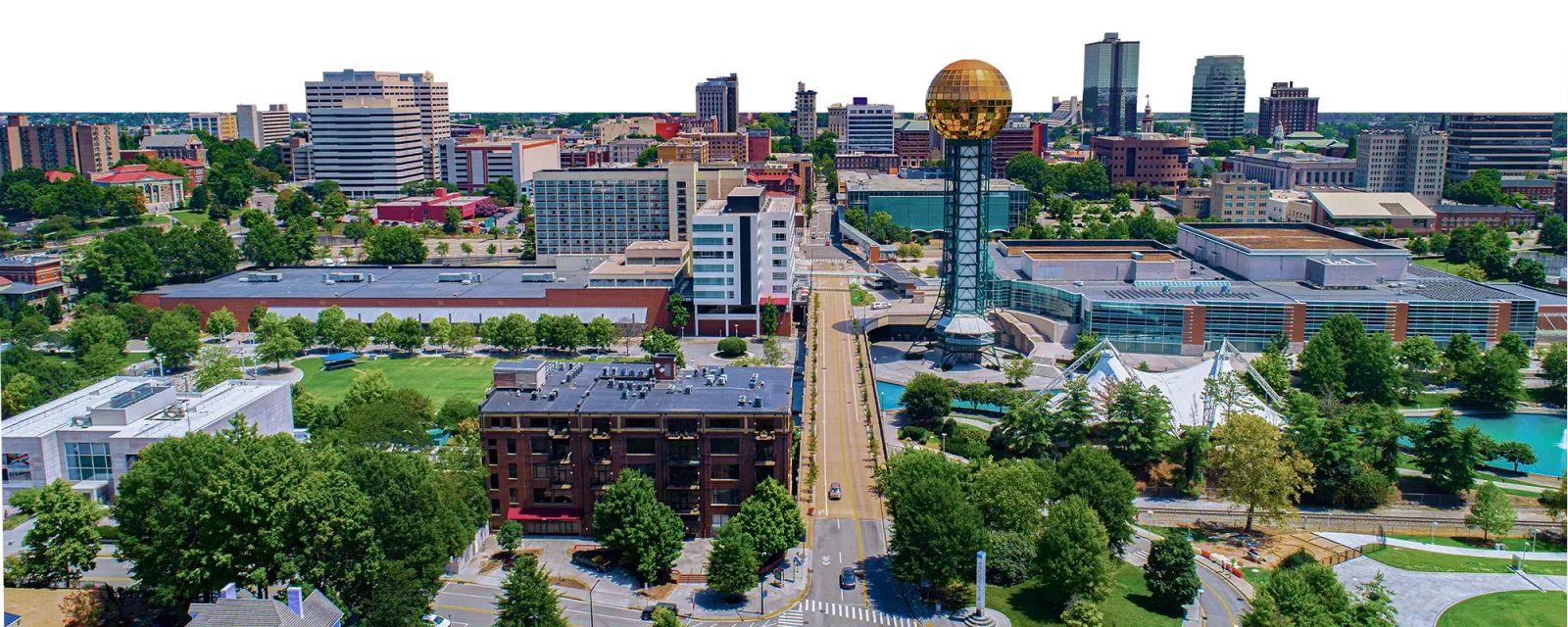
Murfreesboro sits in the heart of Rutherford County, where humid summers, heavy spring rainfall, and clay-heavy soil create conditions that push moisture toward foundations, crawl spaces, and basements. Restoration work here rarely stops at drying a carpet - it involves managing humidity, protecting structural framing, and preventing microbial growth in the weeks that follow.
A full-service restoration response for Murfreesboro properties typically covers:
- Water Damage Restoration - extraction, structural drying, and moisture mapping after burst pipes, appliance failures, and roof leaks
- Flooded Basement - pump-out, dehumidification, and treatment of below-grade walls and flooring
- Sewage Cleanup - removal of contaminated materials, disinfection, and safe disposal following backups and septic failures
- Fire Damage Restoration - debris removal, structural stabilization, content handling, and rebuild coordination
- Smoke Damage Restoration - soot removal, thermal fogging, HVAC cleaning, and odor neutralization
- Mold Removal - containment, air filtration, affected material removal, and moisture source correction
Key benefits for local property owners include faster drying before mold takes hold, documentation that supports insurance claims, and repairs that address the underlying cause rather than the surface symptom.
Common Damage Restoration Issues in Murfreesboro, Tennessee
Middle Tennessee weather drives most of the emergency calls in this area. Severe thunderstorm lines, saturated ground, and long stretches of high humidity combine to stress residential and commercial buildings alike.
Local Causes of Property Damage
- Heavy spring rainfall overwhelming gutters, downspouts, and grading around foundations
- Wind-driven storms lifting shingles and opening roof decking to water intrusion
- Stones River and creek-adjacent flooding affecting low-lying lots and crawl spaces
- Municipal sewer surcharges and septic backups during prolonged rain events
- Winter pipe bursts in garages, attics, and uninsulated exterior walls during cold snaps
- Kitchen fires, electrical faults, and space heater incidents producing smoke and soot spread through HVAC systems
Warning Signs Worth Acting On
- Musty odors in crawl spaces, closets, or finished basements
- Ceiling stains that darken or expand after each rainfall
- Buckling hardwood, cupping laminate, or soft spots in subfloor
- Efflorescence or white chalky residue on block foundation walls
- Gurgling drains or slow floor drains, often the first hint of a sewer issue
- Lingering smoke odor that returns when the HVAC system runs or humidity rises
- Visible surface growth behind furniture placed against exterior walls
Small signals tend to precede large losses. Addressing a slow leak early often prevents a full mold remediation project later.
Neighborhoods We Serve in Murfreesboro
Restoration crews cover the full city footprint and the surrounding Rutherford County communities.
- Historic Downtown and East Main - older homes with plaster walls, wood framing, and original crawl spaces
- Blackman and Salem Creek - newer subdivisions with slab and crawl construction
- Gateway and Medical Center Parkway - commercial buildings, offices, and multi-tenant properties
- Siegel and North Murfreesboro - established family neighborhoods near Overall Creek drainage
- Barfield, Cason Lane, and Rutherford Boulevard corridors
- MTSU-area rentals and student housing where multi-unit water losses spread quickly
Service also extends to Smyrna, La Vergne, Christiana, Rockvale, Eagleville, Woodbury, and nearby Nashville-area suburbs. Familiarity with local building stock, permitting, and drainage patterns shortens the gap between the first call and the first piece of drying equipment on site.
Seasonal Damage Patterns in Murfreesboro
Winter (December - February)
- Frozen and burst supply lines in crawl spaces and exterior walls
- Heating-related fire and smoke damage from fireplaces, furnaces, and portable heaters
- Ice dam melt entering attics and upper ceilings
Spring (March - May)
- Peak season for flooded basements and crawl space standing water
- Storm-driven roof leaks after severe weather outbreaks
- Sewage backups when saturated ground overwhelms drainage systems
Summer (June - August)
- Mold growth accelerates as indoor humidity climbs
- Condensation damage around HVAC units, ductwork, and water heaters
- Lightning strikes causing electrical fires and smoke residue
Fall (September - November)
- Clogged gutters from leaf fall redirecting water to foundations
- Remnant tropical systems delivering sustained rainfall
- Early-season heating equipment fires as systems restart after months idle
Seasonal prevention - gutter clearing, sump pump testing, and HVAC inspections - reduces the frequency of emergency restoration calls throughout the year.
Housing Characteristics & Restoration Considerations
Murfreesboro's housing stock spans more than a century, and each construction era responds differently to water, fire, and mold.
Older Homes (pre-1970)
- Plaster and lath walls hold moisture longer than drywall and require slower, controlled drying
- Original hardwood floors often benefit from specialized floor drying mats rather than removal
- Cast iron and galvanized plumbing is prone to corrosion, pinhole leaks, and sewage line failure
- Knob-and-tube or aging wiring raises fire risk and complicates post-fire assessment
Mid-Century and 1980s - 1990s Homes
- Vented crawl spaces that trap humidity and support mold on floor joists and insulation
- Block foundations vulnerable to hydrostatic pressure and seepage during heavy rain
- Original HVAC ducts in crawl spaces that circulate musty air and smoke odor
Newer Subdivision Construction (2000s - present)
- Tighter building envelopes trap moisture when a leak goes undetected
- Engineered wood products and OSB subfloor degrade quickly once saturated
- Slab-on-grade layouts push water laterally beneath flooring and into wall cavities
- Second-floor laundry rooms and upstairs water heaters create multi-level losses
Restoration planning accounts for these differences - drying strategy, containment placement, and material removal decisions all shift based on the age and assembly of the structure.
Environmental Conditions & Damage Implications
Local climate and geology shape how damage develops and how long recovery takes.
Climate and Humidity
- Roughly 50 inches of annual precipitation, concentrated in spring and late fall
- Summer relative humidity frequently exceeding 70 percent, sustaining mold activity indoors
- Wide temperature swings that create condensation on ductwork, windows, and crawl space vapor barriers
Soil and Drainage
- Clay-rich soils that expand when wet and hold water against foundation walls
- Shallow limestone bedrock and karst features that limit absorption and speed surface runoff
- Sinkhole-prone terrain in parts of Rutherford County affecting drainage predictability
- Flat lots and poor grading in some subdivisions directing water toward the structure
Air and Water Quality Factors
- High pollen loads in spring that combine with soot and smoke residue to worsen indoor air quality
- Hard water contributing to appliance scale, water heater failure, and supply line leaks
- Septic systems in outlying areas that back up during saturated soil conditions
These conditions mean drying targets must reach documented moisture content levels, not simply feel dry. Dehumidification, containment, and post-remediation verification carry more weight in this climate than in drier regions.
Insurance Documentation and Industry Standards for Murfreesboro Restoration Projects
Most restoration work in Murfreesboro involves an insurance claim, and the quality of documentation often determines how smoothly that claim moves. Restoration professionals follow recognized industry standards - including IICRC S500 for water damage, S520 for mold remediation, and S700 for fire and smoke - to produce defensible records of conditions, categories, and drying progress.
What Proper Documentation Includes
- Photographic record of pre-existing conditions and damage at first response
- Moisture meter and thermal imaging readings identifying hidden saturation in walls and subfloor
- Water category classification - clean, gray, or black - which drives sewage cleanup protocols
- Daily drying logs recording temperature, relative humidity, and material moisture content
- Equipment placement diagrams and run-time records
- Scope of removed materials, disposal manifests, and antimicrobial application notes
- Post-remediation verification or clearance testing for mold projects
How the Process Typically Unfolds
- Emergency response, source control, and safety assessment including electrical and structural hazards
- Water extraction, sewage removal, or debris and soot removal depending on loss type
- Containment setup with negative air machines and HEPA filtration for mold and smoke work
- Structural drying with air movers and commercial dehumidifiers, monitored daily
- Cleaning, deodorizing, and content restoration - including HVAC duct cleaning after fires
- Verification that materials have returned to established dry standards
- Reconstruction of drywall, flooring, cabinetry, and finishes
Coordination with adjusters throughout keeps the scope aligned with policy coverage. For Murfreesboro homeowners facing a flooded basement or a smoke-filled kitchen, that structured approach removes guesswork and shortens the path back to a safe, dry, usable property.





