
Damage Restoration in Lenoir City, TN
- Damage Restoration Services Overview
- Common Damage Restoration Issues in Lenoir City, Tennessee
- Neighborhoods We Serve in Lenoir City
- Seasonal Damage Patterns in Lenoir City
- Housing Characteristics & Restoration Considerations
- Environmental Conditions & Damage Implications
- Why Fast Response Matters for Lake-Area Properties
Damage Restoration Services Overview
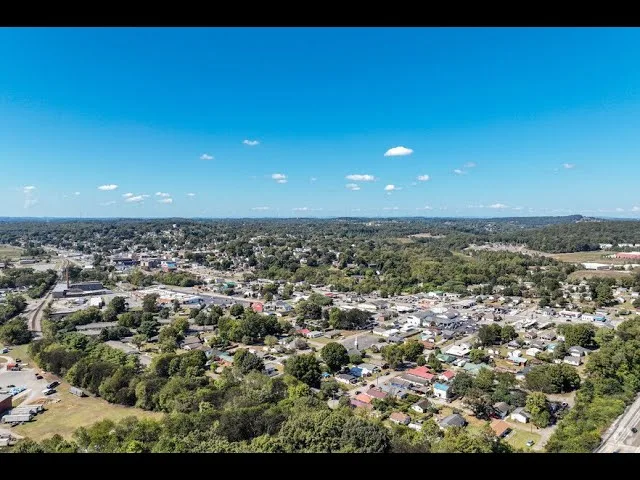
What would you do if you walked into your Lenoir City home tomorrow morning and found two inches of standing water across the basement floor? Property damage rarely announces itself in advance, and the hours immediately following discovery shape how much of your structure and belongings can be saved.
Restoration work in Loudon County covers a wide span of situations, from a slow supply line leak behind a kitchen wall to a kitchen fire that pushes soot through an entire floor plan.
- Water Damage Restoration - moisture mapping, extraction, structural drying, and documentation of affected materials
- Flooded Basement Cleanup - water removal, contents evaluation, drying of concrete and framing, and drainage assessment
- Sewage Cleanup - containment, removal of contaminated porous materials, cleaning, and antimicrobial treatment
- Fire Damage Restoration - debris removal, structural stabilization, surface cleaning, and material salvage decisions
- Smoke Damage Restoration - soot evaluation by residue type, odor treatment, and cleaning methods matched to each surface
- Mold Removal - source identification, containment, controlled removal, and moisture correction
For property owners near Fort Loudoun Lake, these services share a common thread: humidity and moisture behave differently here than they do inland, and drying plans have to account for that reality.
Common Damage Restoration Issues in Lenoir City, Tennessee
Lenoir City sits where lake-area moisture meets fast-changing East Tennessee weather, and that combination produces recognizable damage patterns year after year.
Frequent Causes of Property Damage
- Lakefront and low-lying flooding during high water periods on Fort Loudoun Lake
- Basement and crawl space water intrusion in hillside homes where slopes channel runoff toward foundations
- Burst or failed supply lines in older downtown buildings and long-established residences
- Storm-driven rain entering through compromised roofing, flashing, and garage thresholds
- Sewer backups when heavy rainfall overloads lines or when tree roots block laterals
- Kitchen and appliance fires, plus heating equipment issues during cold snaps
- Chronic mold growth in crawl spaces, closets, and behind bathroom fixtures
Warning Signs Worth Acting On
- Musty odor that grows stronger on humid days or after rain
- Cupping hardwood, bubbling paint, or drywall that feels soft near the baseboard
- Efflorescence or white powdery residue on basement block walls
- Slow drains, gurgling fixtures, or wastewater surfacing at floor drains
- Persistent smoke odor that returns when the HVAC system runs
- Condensation on ductwork, windows, or cold water lines inside crawl spaces
- Unexplained increases in water usage suggesting a hidden leak
Small signals often precede large losses. A crawl space that smells damp in June is telling you something about how the structure will handle August humidity and a September thunderstorm.
Neighborhoods We Serve in Lenoir City
Coverage extends across Lenoir City proper and the surrounding Loudon and Roane County communities where lake access, ridge terrain, and older housing stock all shape restoration needs.
- Downtown Lenoir City and the Broadway corridor, with its older commercial buildings and established residences
- Neighborhoods near Lenoir City Park and the waterfront
- Communities along Highway 321 and Highway 11 toward Loudon
- Areas surrounding Fort Loudoun Dam and Tellico Parkway
- Rarity Bay, Tellico Village, and lakefront subdivisions nearby
- Greenback, Philadelphia, and rural Loudon County properties
- Kingston, Harriman, and Roane County communities
- Farragut and west Knox County lines bordering Lenoir City
Each area presents different access, drainage, and construction conditions, so equipment staging and drying plans are adjusted property by property rather than applied from a template.
Seasonal Damage Patterns in Lenoir City
East Tennessee weather cycles create fairly predictable calls throughout the year.
- January through February - frozen and burst pipes in crawl spaces, unheated garages, and older downtown plumbing; heating-related fire and smoke damage rises with furnace and space heater use.
- March through May - the heaviest season for storm water intrusion, flooded basements, and rising lake levels; saturated ground pushes water through foundation cracks and window wells.
- June through August - lake-area humidity drives mold growth in crawl spaces, closets, and behind furniture; afternoon thunderstorms bring roof leaks and sudden runoff events.
- September through October - remnants of tropical systems can deliver several inches of rain in a day, triggering sewage backups when municipal lines and septic fields reach capacity.
- November through December - cooking fires increase around holidays, and the first hard freezes expose insulation gaps in plumbing runs.
Mold cases follow water events by two to six weeks, which is why documented drying after any spring or summer loss matters more here than in drier climates.
Housing Characteristics & Restoration Considerations
Lenoir City's building stock ranges from early twentieth century downtown structures to lakefront construction completed within the last two decades. That mix changes how each loss is handled.
Older Homes and Downtown Buildings
- Plaster over wood lath holds moisture longer than modern drywall and requires slower, monitored drying
- Original hardwood floors may be salvageable with mat drying systems if addressed quickly
- Galvanized or aging copper supply lines fail without warning, often inside wall cavities
- Knob-and-tube remnants and undersized panels raise fire risk and complicate post-fire electrical assessment
- Cast iron drain lines corrode and crack, creating hidden sewage contamination beneath floors
Crawl Space and Hillside Construction
- Vented crawl spaces draw humid lake air across cool framing, feeding mold on joists and subfloor
- Block foundations on slopes take on hydrostatic pressure during extended rain
- Insulation batts fall when saturated and generally need replacement rather than drying
Newer Lakefront and Suburban Homes
- Finished basements with carpet, drywall, and cabinetry raise the cost and complexity of any flooding event
- Tighter building envelopes trap smoke odor and moisture, demanding stronger air filtration and dehumidification
- Engineered flooring and MDF trim swell quickly and rarely return to original condition
- Multi-zone HVAC systems can distribute soot and spores well beyond the origin room
Knowing which assembly you are drying, cleaning, or removing determines equipment choices from the first hour on site.
Environmental Conditions & Damage Implications
The physical setting around Fort Loudoun Lake shapes nearly every restoration decision made in Lenoir City.
Climate and Humidity
- Warm, humid summers keep outdoor dew points high, limiting how much drying can be accomplished with ventilation alone
- Commercial dehumidification carries most of the load, with air movers positioned to break the boundary layer on wet materials
- Annual rainfall well above the national average keeps soils near saturation for extended stretches
- Freeze-thaw swings crack masonry, mortar, and slab edges, opening new water paths each winter
Soil, Water, and Terrain
- Clay-heavy East Tennessee soils drain slowly and hold water against foundation walls
- Underlying limestone and karst features create unpredictable subsurface water movement and occasional sinkhole activity
- Ridge-and-valley topography funnels runoff toward properties sitting at the base of slopes
- Lake level management influences groundwater height in shoreline neighborhoods
Air Quality Considerations
- Valley conditions can trap smoke and particulates, extending odor issues after a fire
- Seasonal pollen and elevated humidity compound indoor air complaints during mold remediation
- HEPA filtration and negative air containment protect unaffected areas during removal work
These conditions explain why drying targets set for a dry climate simply do not apply along the Tennessee River corridor.
Why Fast Response Matters for Lake-Area Properties
Water that sits for a day in Lenoir City behaves differently than water that sits for a day somewhere arid. Ambient humidity slows evaporation, and porous materials stay wet longer, which shortens the window before microbial growth begins.
What Happens During the First Response
- Safety and source control - electrical hazards, structural concerns, and the water source itself are addressed before anything else
- Water category assessment - clean supply water, gray water, and sewage each require different handling and disposal protocols
- Moisture mapping - thermal imaging and penetrating meters locate water inside wall cavities, under flooring, and beneath insulation
- Extraction - standing water is removed before drying equipment is placed, since pumping is far faster than evaporating
- Controlled demolition - unsalvageable drywall, carpet pad, and insulation are removed to expose wet framing
- Drying setup - dehumidifiers and air movers are sized and positioned according to affected square footage and material type
- Daily monitoring - readings are logged until materials reach dry standard, creating documentation for insurance
Steps Property Owners Can Take Before Help Arrives
- Shut off the water supply at the main if a plumbing failure is the source
- Avoid entering standing water where outlets or panels may be submerged
- Keep everyone away from sewage-contaminated areas, especially children and pets
- Lift furniture legs onto blocks or foil to prevent stain transfer to carpet
- Photograph conditions from several angles before anything is moved
- Leave soot and smoke residue undisturbed - wiping can drive particles deeper into surfaces
- Do not run the HVAC system after a fire, since it spreads soot through the ductwork
Property damage creates uncertainty about what is wet, what is safe, and what can be cleaned. Sorting those questions early keeps a manageable loss from becoming a much larger one.





