
Damage Restoration in Johnson City, TN
- Damage Restoration Services Overview
- Common Damage Restoration Issues in Johnson City, Tennessee
- Neighborhoods We Serve in Johnson City
- Seasonal Damage Patterns in Johnson City
- Housing Characteristics & Restoration Considerations
- Environmental Conditions & Damage Implications
- Protecting Basements and Crawl Spaces in the Appalachian Valley
Damage Restoration Services Overview
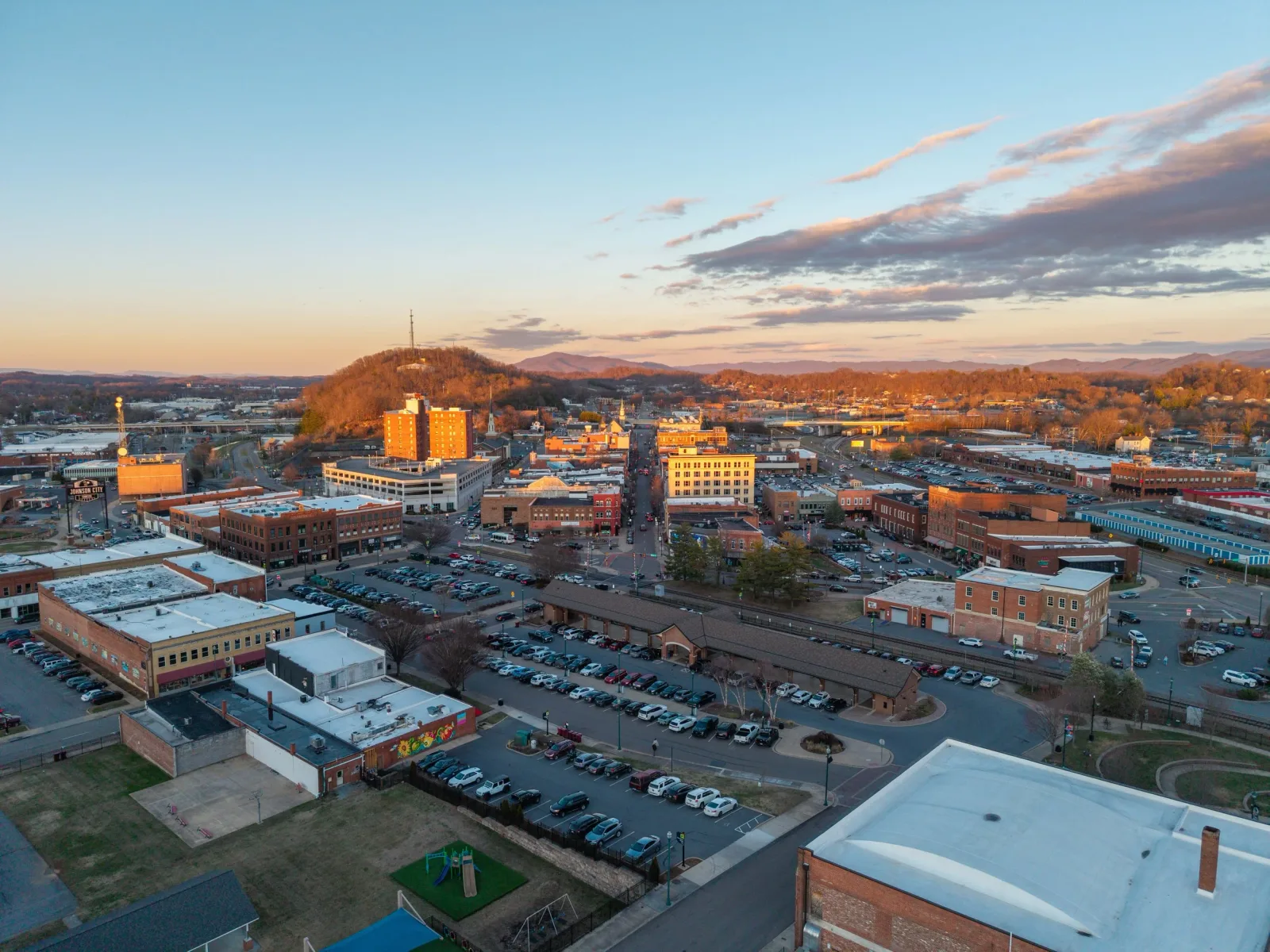
Water spreads through drywall, subfloor, and framing within hours - and microbial growth can begin shortly after. Fast action protects your Johnson City property, your belongings, and your budget.
Our team responds to residential and commercial losses across Washington County with equipment, training, and a licensed general contractor's ability to rebuild what has to come out.
- Water Damage Restoration - extraction, structural drying, moisture mapping, and monitoring until materials reach dry standard
- Flooded Basement Cleanup - submersible pumping, content removal, sanitizing, and dehumidification of below-grade spaces
- Sewage Cleanup - Category 3 water handling, containment, disposal of porous materials, and antimicrobial treatment
- Fire Damage Restoration - board-up, debris removal, structural cleaning, and full reconstruction
- Smoke Damage Restoration - soot removal, HVAC cleaning, thermal deodorization, and contents restoration
- Mold Removal - containment, HEPA filtration, affected material removal, and moisture-source correction
Benefits Johnson City property owners see from a single-source restoration partner:
- One point of contact from emergency mitigation through final rebuild
- Documentation and photos formatted for insurance carriers
- Pack-out and contents cleaning so belongings aren't discarded unnecessarily
- Coverage extending to Kingsport, Bristol, Elizabethton, Greeneville, and surrounding East Tennessee communities
Common Damage Restoration Issues in Johnson City, Tennessee
Johnson City sits in a valley ringed by Appalachian ridgelines. That geography channels rainwater downhill and holds humidity in low-lying neighborhoods.
Frequent Causes of Loss
- Spring storm runoff overwhelming basement drains and window wells
- Burst supply lines in older buildings and student rentals near ETSU during hard freezes
- Failed water heaters, washing machine hoses, and refrigerator supply lines
- Sewer backups when heavy rain surcharges municipal lines or a lateral clogs with roots
- Roof and flashing failures during wind-driven rain in residential areas
- Commercial losses in the downtown business district and area medical facilities
- Kitchen grease fires, chimney and wood stove fires, and electrical faults in older wiring
Warning Signs Worth Investigating
- Musty or earthy odor in a crawl space, basement, or closet
- Buckling hardwood, cupping laminate, or soft spots in subfloor
- Tape seams lifting or paint bubbling along baseboards
- Condensation on ductwork, windows, or foundation walls
- Recurring allergy symptoms that improve when you leave the house
- Lingering smoke odor that returns on warm, humid days after a small fire
- Slow drains on multiple fixtures at once - often the first sign of a sewer issue
Small signals matter. A slow leak behind a vanity can produce the same mold problem as a burst pipe, just over a longer timeline.
Neighborhoods We Serve in Johnson City
Our crews know local streets and traffic patterns, which shortens response time when minutes affect the size of the loss.
- Indian Ridge - established homes with finished basements and mature tree cover
- Boones Creek - newer subdivisions plus older rural properties on septic
- Downtown and Tree Streets - historic housing stock and commercial storefronts
- ETSU area and University Parkway - student rentals, duplexes, and multi-unit buildings
- Med-Tech corridor - medical offices and clinical facilities requiring careful containment
- Gray, Lamar, Sunnyside, and Knob Creek - mixed residential and agricultural properties
We also serve Kingsport, Bristol, Elizabethton, Jonesborough, Erwin, and Greeneville. If your town isn't listed, reach out - our service footprint extends across East Tennessee and into western North Carolina.
Seasonal Damage Patterns in Johnson City
Each season brings a predictable pattern of calls. Knowing what's coming helps property owners get ahead of it.
- December - February: Freeze-thaw cycles split supply lines and outdoor spigots. Space heaters, fireplaces, and wood stoves drive fire and smoke damage calls.
- March - May: Peak season for flooded basements. Saturated ground, snowmelt from higher elevations, and heavy Appalachian rainfall push water through foundation cracks and overwhelm sump pumps.
- June - August: Humidity climbs and mold growth accelerates in crawl spaces, basements, and closed-up rental units. Severe thunderstorms bring wind damage and roof leaks. HVAC condensate line clogs create hidden ceiling and wall water damage.
- September - November: Remnants of tropical systems can dump rain across the region. Sewer backups increase as leaf debris blocks drains. Heating systems fire up for the first time, and dust burn-off or unswept flues produce smoke incidents.
Two constants run year-round: appliance failures and plumbing leaks. Those don't follow a calendar, which is why emergency response availability matters.
Housing Characteristics & Restoration Considerations
Johnson City's housing stock spans more than a century, from early 1900s homes in the Tree Streets to subdivisions built in the last decade. Each era restores differently.
Older Homes (pre-1970)
- Plaster and lath walls hold water longer than drywall and need specialized drying
- Galvanized and older copper plumbing is prone to pinhole leaks and freeze failures
- Knob-and-tube or aging wiring raises electrical fire risk
- Original hardwood may be salvageable with in-place drying if we get there quickly
- Asbestos-containing materials and lead paint require testing before demolition
Mid-Century and Ranch Homes
- Block foundations and partially finished basements are common flood points
- Vented crawl spaces pull humid valley air under the floor, feeding mold
- Cast iron drain lines corrode and contribute to sewage backups
Newer Construction and Multi-Family
- Tighter building envelopes trap moisture when a leak goes unnoticed
- Engineered wood subfloor and OSB swell rapidly and often need replacement
- Shared walls in student housing and apartments allow water to migrate between units
- Sprinkler discharges affect multiple floors at once in commercial buildings
Because we are a licensed general contractor, mitigation and reconstruction stay under one roof - drywall, flooring, cabinetry, paint, and trim handled by the same team that dried the structure.
Environmental Conditions & Damage Implications
Restoration in the Tri-Cities isn't the same as restoration in a dry climate. Local conditions dictate how we set equipment and how long drying takes.
Climate and Humidity
- Warm, humid summers push indoor relative humidity above the range where mold thrives
- Valley locations trap moisture, slowing natural evaporation
- Annual rainfall in the region is well above the national average
- Open-air drying often fails here - closed-drying systems with commercial dehumidifiers work better
Soil and Groundwater
- Clay-heavy soils hold water against foundation walls and expand after rain
- Karst limestone geology creates sinkholes and unpredictable subsurface drainage
- Sloped lots direct runoff toward basements and crawl space vents
- High water tables in low areas keep sump pumps cycling through spring
Air Quality and Contaminants
- Smoke residue combines with humidity to bond soot tighter to surfaces, making rapid cleaning important
- Pollen and dust load HVAC systems, which then redistribute mold spores after a water event
- Sewage backups introduce bacteria that require Category 3 protocols and full removal of porous materials
- Radon is present across parts of East Tennessee - basement work should account for it
We monitor moisture content with meters and thermal imaging rather than guessing, then adjust dehumidifier and air mover placement based on daily readings.
Protecting Basements and Crawl Spaces in the Appalachian Valley
Below-grade space is where most Johnson City water losses start. Foundations sit in clay soil that swells, hillside lots funnel runoff toward the house, and crawl spaces stay damp for months at a time.
Why Below-Grade Areas Fail
- Downspouts discharging within a few feet of the foundation
- Grading that slopes toward the house instead of away
- Sump pumps without battery backup during storm-related power outages
- Window wells lacking drains or covers
- Foundation cracks that widen through freeze-thaw cycles
- Missing or torn vapor barriers in crawl spaces
- Floor drains connected to sewer lines that surcharge in heavy rain
How We Handle a Flooded Basement
- Confirm electrical safety and identify water category - clean, gray, or sewage
- Extract standing water with truck-mounted and portable equipment
- Remove saturated carpet pad, base cabinets, and wet insulation
- Make controlled flood cuts in drywall to expose wall cavities
- Apply antimicrobial treatment to affected framing and slab
- Set dehumidifiers and air movers sized to the cubic footage and humidity load
- Monitor daily with moisture meters until materials return to dry standard
- Rebuild - drywall, trim, flooring, and paint by our in-house crews
Prevention Steps Worth Taking
- Extend downspouts at least six feet from the foundation
- Test the sump pump before spring storm season and add a backup unit
- Encapsulate crawl spaces and add a dehumidifier rather than relying on vents
- Insulate exposed pipes in unconditioned basements before the first freeze
- Store belongings on shelving instead of directly on the floor
- Install a backwater valve if your home has a history of sewer backups
If water has already come in, call us. Documentation starts the moment we arrive, and that record supports your insurance claim from the first photo forward.





