
Damage Restoration in Sevierville, TN
- Damage Restoration Services Overview
- Common Damage Restoration Issues in Sevierville, Tennessee
- Neighborhoods We Serve in Sevierville
- Seasonal Damage Patterns in Sevierville
- Housing Characteristics & Restoration Considerations
- Environmental Conditions & Damage Implications
- Protecting Smoky Mountain Cabins and Short-Term Rentals from Hidden Damage
Damage Restoration Services Overview
Few things rattle a homeowner like walking into a basement filled with water or smelling smoke long after the flames are out. Property damage in Sevierville rarely happens at a convenient hour, and the hours immediately after discovery shape how much of your home can be saved.
Restoration work in Sevier County covers a connected set of services, each one addressing a different form of loss:
- Water Damage Restoration - extraction, structural drying, moisture mapping, and monitoring of walls, subfloors, and cavities
- Flooded Basement - pump-out, sump and drainage evaluation, content removal, and dehumidification of below-grade spaces
- Sewage Cleanup - removal of contaminated material, antimicrobial treatment, and safe disposal following Category 3 water protocols
- Fire Damage Restoration - debris removal, soot and char cleaning, structural stabilization, and reconstruction
- Smoke Damage Restoration - odor neutralization, HVAC cleaning, and treatment of porous surfaces and textiles
- Mold Removal - containment, source correction, remediation, and post-cleanup verification
The benefit of handling these under one coordinated response is simple: water problems become mold problems, and fire problems become water problems from suppression efforts. Addressing them together protects both the structure and the health of everyone living in it.
Common Damage Restoration Issues in Sevierville, Tennessee
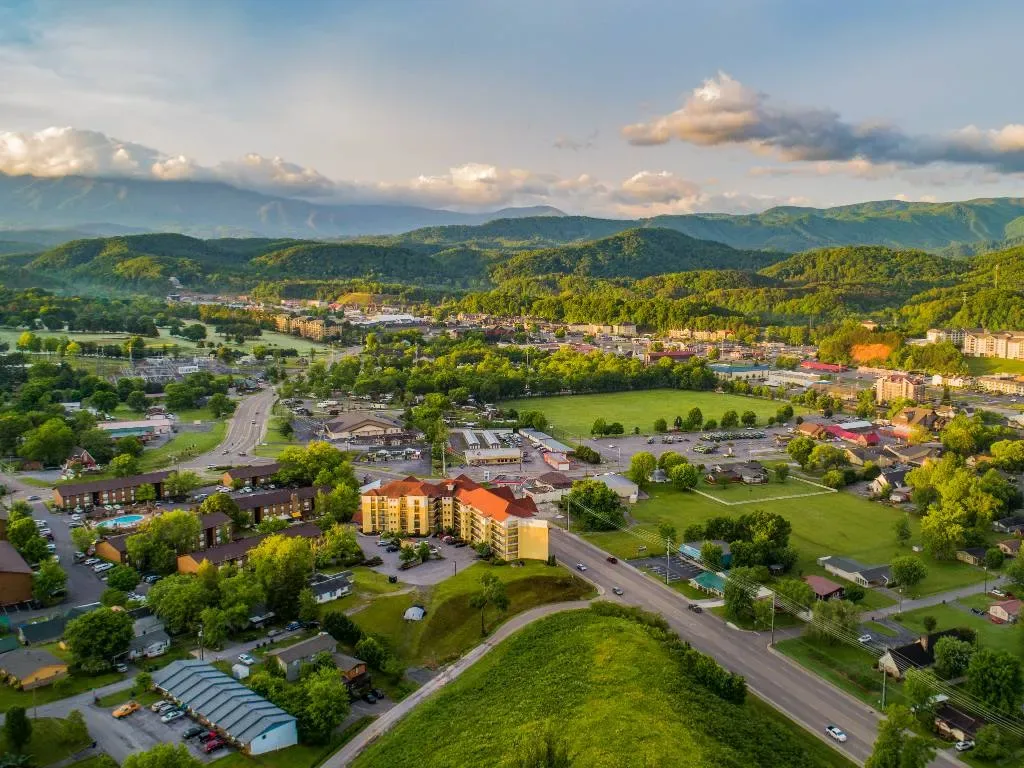
Sevierville sits in the Tennessee River valley at the foot of the Smokies, where the West Prong and Little Pigeon River systems drain steep mountain terrain directly toward town. That geography drives most of the damage patterns local crews see.
Frequent Causes of Loss
- Heavy convective thunderstorms dumping several inches of rain in short windows, overwhelming yard grading and gutter systems
- River and creek rise along the Little Pigeon after upstream mountain rainfall
- Sump pump failure during power outages, leading to flooded basements and crawl spaces
- Frozen or burst supply lines in January and February, especially in vacation properties left unoccupied
- Sewer backups when saturated ground and heavy inflow pressure municipal and septic systems
- Chimney, wood stove, and outdoor fire pit incidents in cabins and older farmhouses
- Kitchen grease fires in rental cabins with high guest turnover
Warning Signs Worth Acting On
- Musty odor in a crawl space, closet, or finished basement that never quite clears
- Cupping hardwood, bubbling paint, or a soft spot in a subfloor
- Tide lines or discoloration along the bottom several inches of drywall
- Slow drains across multiple fixtures, gurgling toilets, or sewage odor near cleanouts
- Smoke odor returning on humid days after a small fire was cleaned up superficially
- Visible growth behind baseboards, under sinks, or on joists visible from the crawl space
Because Sevierville's humidity stays high through much of the year, minor moisture intrusions here escalate faster than they would in a drier climate. What looks like a small stain in June can be an active mold colony within days.
Neighborhoods We Serve in Sevierville
Restoration response covers the full spread of Sevier County and neighboring communities, including:
- Downtown Sevierville and the Bruce Street and Court Avenue historic areas
- Kodak and Strawberry Plains along the Highway 66 and I-40 corridor
- Boyds Creek, Seymour, and the New Center community
- Wears Valley, Pittman Center, and the cabin communities along Upper Middle Creek Road
- Douglas Lake shoreline properties and Dandridge-side neighborhoods
- Pigeon Forge, Gatlinburg, and the Great Smoky Mountains gateway corridor
- Surrounding service areas reaching toward Knoxville, Maryville, Clinton, and Jefferson City
Coverage extends to both primary residences and the large stock of short-term rental cabins scattered across the ridges, where absentee ownership means damage is often discovered by a cleaning crew rather than an occupant.
Seasonal Damage Patterns in Sevierville
Each part of the year brings a different mix of calls:
- December through February - frozen and burst pipes top the list, particularly in unoccupied cabins and homes with plumbing in uninsulated crawl spaces. Heating equipment, space heaters, and fireplace use push fire and smoke damage to a seasonal peak.
- March through May - the wettest stretch of the year. Snowmelt from higher elevations combines with spring storms to produce flooded basements, saturated crawl spaces, and sewer backups.
- June through August - humidity above 80 percent for long stretches drives mold growth. Air conditioning condensate line clogs, refrigerator supply line leaks, and afternoon thunderstorm flooding are common.
- September through October - remnants of tropical systems occasionally track inland over East Tennessee, bringing sustained rainfall and river rise. Chimney and flue season begins as first fires are lit.
- November - holiday cooking fires, candle incidents, and the first hard freezes create an overlap of fire, smoke, and water calls.
Mold remediation requests tend to lag other events by two to six weeks, since growth follows the moisture that caused it.
Housing Characteristics & Restoration Considerations
Sevierville's building stock is unusually varied for a city its size, and that variety changes how restoration is approached property by property.
Common Construction Types
- Mid-century and older farmhouses - often with plaster walls, original hardwood, and limited insulation. Plaster holds water differently than drywall and requires slower, monitored drying.
- 1970s-1990s ranch homes - vented crawl spaces are the norm, making them prone to ground moisture, condensation, and joist-level mold.
- Log and timber cabins - heavy porous wood absorbs smoke odor deeply and holds moisture in checking cracks, demanding specialized cleaning and drying.
- Newer subdivision builds - engineered flooring, OSB subfloor, and tight envelopes that trap humidity when a leak occurs.
- Manufactured and modular homes - underbelly insulation traps water and typically must be removed rather than dried in place.
How This Shapes the Work
- Full basements are less common than crawl spaces here, so flooded basement work often means encapsulation repair, vapor barrier replacement, and sump installation
- Older cast iron and clay sewer laterals raise the odds of backups requiring Category 3 cleanup protocols
- Knob-and-tube or aging wiring in historic properties factors into fire damage assessments and reconstruction planning
- Cathedral ceilings and open lofts in cabins allow smoke to travel and settle across large surface areas
- Hillside builds on piers or stem walls need drainage correction, not just water removal, to prevent repeat events
Environmental Conditions & Damage Implications
The environment around Sevierville actively works against a wet building. Understanding those conditions explains why drying here takes deliberate equipment and monitoring rather than open windows and fans.
Climate and Air
- Annual rainfall commonly exceeds 50 inches, with the Smokies immediately upslope receiving far more and funneling runoff toward the valley
- Summer dew points regularly sit in the upper 60s and low 70s, meaning outside air adds moisture rather than removing it
- Valley inversions trap smoke and particulates, which prolongs odor complaints after a fire and complicates air scrubbing
- Elevated pollen and organic dust loads give mold spores abundant food sources indoors
Soil and Water
- Clay-heavy valley soils drain slowly and hold water against foundations after storms, pressuring basement walls and crawl space vents
- Limestone and karst geology across Sevier County creates springs, seeps, and unpredictable subsurface water movement
- Hard, mineral-rich groundwater accelerates corrosion in older galvanized supply lines, contributing to pinhole leaks
- Many outlying properties on septic systems face backup risk when the drain field saturates during prolonged rain
What This Means for Restoration
- Closed drying systems with commercial dehumidification outperform ventilation in this climate
- Moisture meters and thermal imaging are used throughout drying, not just at the start
- Post-remediation verification matters because ambient humidity can restart growth if the source was missed
- Drainage and grading correction is often recommended alongside repair to break the cycle
Protecting Smoky Mountain Cabins and Short-Term Rentals from Hidden Damage
Sevierville and the surrounding ridges hold thousands of vacation cabins, and these properties present restoration challenges that a typical owner-occupied home does not. Damage often goes unnoticed for days or weeks between bookings.
Why Rental Properties Are Higher Risk
- Vacancy gaps mean a burst supply line can run unnoticed across multiple floors
- Guests unfamiliar with hot tubs, wood stoves, and grills increase fire and water incident rates
- Thermostats set low or off in winter allow crawl space plumbing to freeze
- Steep gravel driveways can delay emergency access during ice or heavy rain
- Log walls and heavy textiles absorb smoke odor that lingers and generates guest complaints
- Well and septic systems on remote lots are more prone to backups than municipal connections
Steps Owners and Managers Can Take
- Install water leak sensors near water heaters, washing machines, dishwashers, and under sinks, with alerts routed to a phone
- Add a smart thermostat that reports temperature drops, so freezing conditions trigger a warning before pipes burst
- Have the crawl space inspected annually for standing water, vapor barrier gaps, and joist-level growth
- Schedule chimney and dryer vent cleaning before the fall and winter booking rush
- Keep gutters and downspouts clear and discharging well away from the foundation on sloped lots
- Document the property with photos and an inventory so an insurance claim moves faster after a loss
- Store a written emergency contact list where cleaning crews and guests can find it
When a loss does occur, the priority sequence stays consistent: stop the source, secure and stabilize the structure, extract and dry, clean and deodorize, then rebuild. For rentals, moving through those stages efficiently also limits cancelled bookings, which is why coordinated water, fire, smoke, sewage, and mold response under one plan tends to serve Sevierville property owners better than piecing the work together.





