
Damage Restoration in Bristol, TN
- Damage Restoration Services Overview
- Common Damage Restoration Issues in Bristol, Tennessee
- Neighborhoods We Serve in Bristol
- Seasonal Damage Patterns in Bristol
- Housing Characteristics & Restoration Considerations
- Environmental Conditions & Damage Implications
- Industry Standards and the Restoration Process in Bristol Properties
Damage Restoration Services Overview
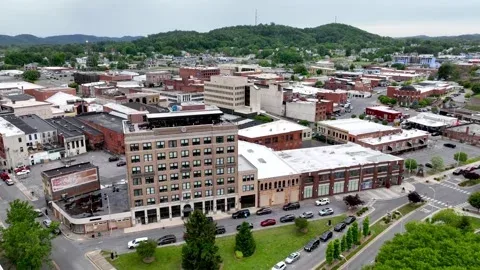
Bristol sits where the Appalachian foothills meet the Tennessee Valley, and that geography shapes almost every restoration call in the area. Steep terrain pushes stormwater toward foundations, older housing stock hides aging plumbing, and humid summers give mold spores an open invitation.
Restoration here is rarely a single-issue job. A burst supply line in a Bristol split-level can turn into saturated subfloor, a soaked basement, and microbial growth within days if drying is incomplete.
- Water Damage Restoration - extraction, structural drying, and moisture mapping after pipe breaks, appliance failures, and roof leaks
- Flooded Basement - pump-out, content triage, and dehumidification for below-grade spaces hit by mountain storm runoff
- Sewage Cleanup - containment, removal of porous materials, and antimicrobial treatment after backups and septic failures
- Fire Damage Restoration - debris removal, structural cleaning, and coordination with board-up and reconstruction
- Smoke Damage Restoration - soot removal, thermal fogging, HVAC cleaning, and odor neutralization
- Mold Removal - containment barriers, HEPA filtration, material removal, and humidity correction
The benefit for Bristol property owners is straightforward: faster stabilization, documented moisture readings for insurance, and fewer surprises months later when hidden dampness would otherwise surface as buckled flooring or musty odors.
Common Damage Restoration Issues in Bristol, Tennessee
Local topography and building age drive most emergencies. Water rolls downhill fast in Sullivan County, and homes built into slopes collect what the yard cannot absorb.
Frequent Causes of Loss
- Heavy mountain thunderstorms overwhelming gutters, window wells, and foundation drains
- Frozen and burst pipes during cold snaps in crawl spaces and unheated garages
- Water heater ruptures, washing machine hose failures, and dishwasher supply leaks
- Toilet overflows and main line backups sending contaminated water into finished basements
- Septic system saturation on rural properties outside the city limits
- Kitchen fires, wood stove and fireplace incidents, and electrical faults in older wiring
- Chronic humidity feeding mold behind baseboards, under carpet pad, and inside wall cavities
Warning Signs Bristol Homeowners Should Not Ignore
- Musty or earthy odors that intensify after rain or when the HVAC runs
- Efflorescence, chalky white staining, or dark streaks on basement block walls
- Floors that feel spongy, tile that sounds hollow, or vinyl plank lifting at seams
- Peeling paint, bubbling drywall tape, or ceiling stains that change shape over time
- Gurgling drains or slow floor drains, often the first hint of a sewer issue
- Lingering smoke odor weeks after a small fire, usually a sign soot settled in ductwork
- Increased allergy symptoms among household members with no seasonal explanation
Catching these early keeps a drying project from becoming demolition and rebuild.
Neighborhoods We Serve in Bristol
Response covers the full Bristol area on both sides of State Street, plus surrounding Sullivan County communities.
- Downtown Bristol and the historic district near State Street
- Fairmount, Anderson Park, and the neighborhoods around Sullivan East
- Steele Creek, Holston View, and Piney Flats corridor properties
- Avoca and areas along Weaver Pike
- Neighborhoods near Bristol Motor Speedway and Volunteer Parkway
- Bluff City, Blountville, and Bristol Caverns Highway communities
- Rural acreage along Beaver Creek and the South Holston River
Each area presents different challenges. Downtown structures often feature masonry walls and shared party walls that transfer moisture and smoke between units. Suburban subdivisions closer to the Speedway typically have poured or block basements vulnerable to hydrostatic pressure. Rural properties depend on wells and septic systems, which changes how sewage cleanup and water testing are handled.
Seasonal Damage Patterns in Bristol
Restoration needs in Bristol follow a fairly predictable annual rhythm tied to Appalachian weather.
- December through February - Freeze-thaw cycles crack pipes in crawl spaces and exterior walls. Space heaters, fireplaces, and holiday cooking push fire and smoke damage calls to their yearly peak.
- March through May - Spring rain and snowmelt from higher elevations saturate soil. Flooded basements, sump pump failures, and groundwater seepage dominate. Sewer systems can surcharge during prolonged downpours.
- June through August - Humidity climbs and afternoon thunderstorms arrive. Mold growth accelerates in basements, crawl spaces, and closets. Air conditioning condensate line clogs cause quiet, slow ceiling leaks.
- September through November - Remnants of tropical systems occasionally reach the region with sustained rainfall. Clogged gutters filled with leaves send water against foundations. Heating systems fire up for the first time, sometimes releasing puff-back soot.
Knowing the pattern helps property owners schedule gutter cleaning, pipe insulation, sump pump testing, and dehumidifier maintenance before the risky window opens.
Housing Characteristics & Restoration Considerations
Bristol's housing mix spans century-old downtown homes, mid-century brick ranches, 1970s and 1980s split-levels, and newer subdivision construction. Each era responds differently to water, fire, and microbial damage.
Older Homes (pre-1960)
- Plaster and lath walls hold moisture longer than drywall and require careful cavity drying
- Hardwood over plank subfloor can cup quickly but often responds to controlled drying instead of replacement
- Galvanized and cast iron plumbing is prone to pinhole leaks and drain line collapse
- Knob-and-tube or early wiring raises fire risk and complicates demolition safety
- Coal chutes, dirt-floor cellars, and stone foundations invite persistent dampness
Mid-Century and Split-Level Homes
- Finished basements with paneling and carpet trap water against block walls
- Crawl spaces with failing vapor barriers become mold reservoirs feeding the living space
- Original ductwork in crawl spaces spreads both smoke odor and spores throughout the home
Newer Construction
- Tighter building envelopes hold moisture in when drying is not mechanically assisted
- Engineered flooring and MDF trim swell fast and rarely recover
- Multi-level plumbing means an upstairs leak can affect three floors before discovery
Restoration planning starts with identifying construction type, then matching extraction, containment, and drying equipment to the materials actually present.
Environmental Conditions & Damage Implications
Bristol's humid subtropical climate, mountain drainage, and clay-heavy soils combine to create conditions that favor moisture problems.
Climate Factors
- Roughly 45 inches of annual rainfall, much of it in intense spring and summer bursts
- Summer relative humidity that routinely stays high overnight, slowing natural drying
- Winter freeze-thaw swings that stress plumbing and open foundation cracks
- Valley fog and shaded lots that keep exterior walls damp longer
Soil and Groundwater
- Clay-rich soils drain slowly and expand when saturated, pressing against basement walls
- Karst limestone geology in parts of the region creates unpredictable subsurface water movement
- Sloped lots channel runoff toward foundations without proper grading and downspout extensions
Air and Water Quality Implications
- Sustained indoor humidity above roughly 60 percent supports mold colonization within days
- Smoke residue bonds more aggressively in humid conditions, making odor removal harder
- Sewage backups in clay soil areas can involve prolonged contact with contaminated water
- Well-served rural properties may need water testing after sewage or flooding events
Effective work here means controlling humidity, not just removing standing water. Dehumidification, negative air machines, and post-drying verification readings protect against the secondary damage this environment quietly encourages.
Industry Standards and the Restoration Process in Bristol Properties
The difference between a job that holds up and one that resurfaces as a mold complaint six months later comes down to documentation and adherence to recognized standards. Bristol property owners dealing with insurance carriers benefit when moisture data is recorded from the first hour.
How a Structured Restoration Project Unfolds
- Emergency assessment - Identify the water source or fire origin, categorize water contamination level, and check for electrical and structural hazards.
- Containment and safety setup - Erect barriers for mold or sewage work, establish negative pressure, and protect unaffected areas from cross-contamination.
- Extraction and debris removal - Remove standing water, unsalvageable porous materials, soot-laden contents, and contaminated flooring.
- Moisture mapping - Use thermal imaging and penetrating meters to trace migration into wall cavities, sill plates, and subfloor.
- Structural drying - Position air movers and dehumidifiers based on affected cubic footage and material type, adjusting daily.
- Cleaning and deodorization - Apply antimicrobial treatments, HEPA vacuuming, soot-specific cleaning agents, and odor counteractants including HVAC treatment.
- Verification and documentation - Confirm materials have reached dry standard, then compile readings, photos, and scope notes for the claim file.
Why Standards Matter Locally
- Bristol's humidity means "feels dry" is unreliable - meter readings are the only honest measure
- Category 3 water from sewage requires specific PPE, disposal, and material removal protocols
- Smoke residue varies by fuel source, and using the wrong cleaning method can set stains permanently
- Mold remediation without containment simply relocates spores to clean areas of the home
- Thorough documentation shortens back-and-forth with adjusters and supports the full scope of work
Applying that discipline consistently is what allows Bristol homes and businesses to return to normal use with confidence rather than lingering doubt.





