
Damage Restoration in Kingsport, TN
- Damage Restoration Services Overview
- Common Damage Restoration Issues in Kingsport, Tennessee
- Neighborhoods We Serve in Kingsport
- Seasonal Damage Patterns in Kingsport
- Housing Characteristics & Restoration Considerations
- Environmental Conditions & Damage Implications
- The Kingsport Drying and Documentation Process, Step by Step
Damage Restoration Services Overview
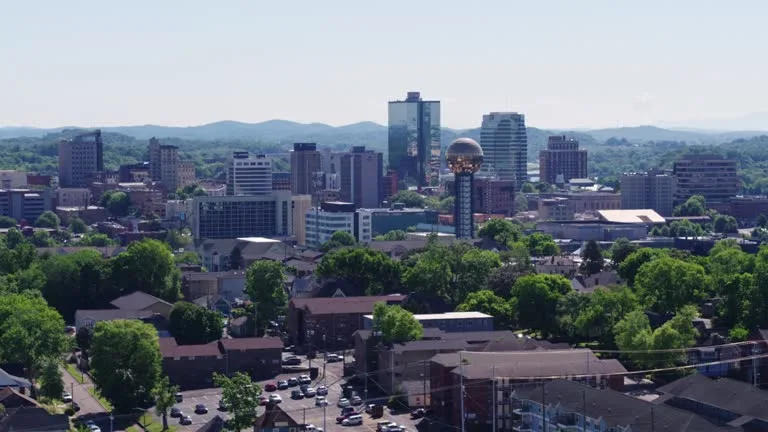
When water pours through a ceiling or smoke settles into every fabric in the house, the fastest relief comes from knowing trained hands are already on the way. Professional restoration in Kingsport pairs industrial drying equipment with careful documentation, so property owners can focus on their families and businesses instead of guessing what dries and what has to go.
Kingsport properties - from the original planned community streets to newer subdivisions and industrial buildings - each present different challenges. A single response plan covers the full range of losses:
- Water Damage Restoration - extraction, structural drying, moisture mapping, and monitoring until materials reach dry standard.
- Flooded Basement - pump-out, removal of saturated storage and finishes, and dehumidification of below-grade spaces.
- Sewage Cleanup - containment, removal of contaminated porous materials, antimicrobial treatment, and disinfection.
- Fire Damage Restoration - debris removal, structural cleaning, soot residue removal, and coordination of rebuild work.
- Smoke Damage Restoration - odor neutralization, HVAC cleaning, and content cleaning for textiles and hard surfaces.
- Mold Removal - containment barriers, HEPA filtration, source moisture correction, and clearance-focused cleaning.
Benefits Kingsport residents notice most: fewer secondary losses, cleaner indoor air, insurance-ready photo and moisture logs, and a clear path back to pre-loss condition.
Common Damage Restoration Issues in Kingsport, Tennessee
Kingsport sits in the Appalachian Valley, where humidity, heavy seasonal rain, and sharp winter temperature swings combine to create predictable - and preventable - restoration calls.
Frequent Causes of Loss
- Basement flooding during heavy storms in low-lying pockets of Ridgefields and Lynn Garden
- Burst supply lines and frozen pipes in older homes and converted industrial buildings
- Failed sump pumps, clogged floor drains, and municipal line backups causing sewage intrusion
- Roof and window leaks from wind-driven rain and hail
- Kitchen fires, chimney and wood stove issues, and electrical faults in aging panels
- Crawl space moisture feeding mold growth under first-floor framing
Warning Signs Worth Acting On
- Musty odors that intensify on humid days or after running the HVAC system
- Cupping hardwood, bubbling paint, or tape seams separating on drywall
- Efflorescence or chalky white residue on block foundation walls
- Unexplained spikes in water usage pointing to a hidden slab or wall leak
- Soot film on light fixtures, air returns, or the top edges of doorframes after a small fire
- Gurgling drains or slow toilets - often the first hint of a sewer line problem
Ignoring these signals rarely saves money. Water travels along framing and wicks into insulation, mold can begin colonizing damp materials quickly, and smoke residues become acidic and etch metal and glass the longer they sit.
Neighborhoods We Serve in Kingsport
Service covers the city core and the surrounding Sullivan and Hawkins County communities, with route planning that accounts for river crossings and hillside access.
- Ridgefields - established homes with finished basements and mature tree cover
- Lynn Garden - older housing stock with crawl spaces and legacy plumbing
- Colonial Heights - suburban subdivisions with slab and basement foundations
- Bloomingdale - mixed rural and residential properties on well and septic systems
- Downtown and Church Circle - historic planned-city architecture and mixed-use buildings
- Rock Springs, Preston Forest, Orebank, and Fall Branch
- Surrounding areas - Church Hill, Mount Carmel, Blountville, Gray, and the greater Tri-Cities region
Commercial coverage includes industrial facilities, warehouses, medical offices, restaurants, and multi-tenant retail throughout the Kingsport area.
Seasonal Damage Patterns in Kingsport
Winter (December - February)
- Frozen and burst pipes in crawl spaces, garages, and exterior walls
- Ice dam leaks along eaves after snow followed by a warm spell
- Heating-related fires from space heaters, flues, and overloaded circuits
- Smoke damage from fireplaces and wood stoves with poor draft
Spring (March - May)
- Peak season for flooded basements as saturated valley soils shed runoff
- Sewage backups when heavy rain overloads drainage systems
- Storm-driven roof and window water intrusion
Summer (June - August)
- Mold growth accelerated by high humidity and cool air-conditioned surfaces
- Condensation and drain-line failures at HVAC air handlers
- Lightning strikes causing attic and electrical fires
Fall (September - November)
- Clogged gutters from leaf fall pushing water against foundations
- First-use furnace and chimney incidents producing soot and odor
- Remnant tropical systems bringing sustained rainfall
Scheduling gutter cleaning, chimney inspection, and sump pump testing ahead of each shift in season prevents a large share of these losses.
Housing Characteristics & Restoration Considerations
Kingsport's housing reflects its history as a planned industrial city. Many neighborhoods date to the 1920s through the 1960s, with post-war ranches, brick colonials, and mid-century split-levels sharing streets with newer construction on the outskirts.
How Construction Type Shapes the Work
- Block and stone foundations - porous walls hold moisture, requiring longer dehumidification cycles and sometimes drilled weep holes to release water trapped behind finishes.
- Finished basements - carpet pad, paneling, and framed walls trap water; controlled demolition is often the fastest route to a dry structure.
- Vented crawl spaces - humid valley air condenses on cool joists, feeding mold on subfloor sheathing and insulation.
- Plaster and lath walls in older homes - dry slower than drywall and demand injection drying rather than removal when possible.
- Galvanized and polybutylene plumbing - a common source of sudden pipe failures in mid-century homes.
- Balloon framing in historic properties - allows smoke and water to travel vertically between floors, so inspection must extend well beyond the visible damage.
- Slab-on-grade newer builds - hidden supply line leaks under concrete require thermal imaging and specialized drying mats.
Older properties may also hide asbestos-containing floor tile, mastic, or pipe wrap and lead-based paint. Testing before demolition keeps a water or fire cleanup from becoming a contamination event, and it protects both occupants and technicians during sewage and mold work.
Environmental Conditions & Damage Implications
The Appalachian Valley climate around Kingsport shapes nearly every drying decision. Annual rainfall is substantial, summers run humid, and winter cold snaps arrive quickly between mild stretches.
Climate and Moisture
- High summer dew points slow evaporation, so open-window drying often makes conditions worse - closed drying chambers with commercial dehumidifiers work better.
- Freeze-thaw cycling opens cracks in foundation walls and driveways, creating new entry points for groundwater.
- Rapid temperature swings drive condensation inside wall cavities and duct chases.
Soil and Groundwater
- Clay-heavy valley soils drain slowly and exert hydrostatic pressure on basement walls after prolonged rain.
- Karst limestone geology in parts of the region means groundwater moves unpredictably and can surface in crawl spaces.
- Sloped lots common to hillside neighborhoods concentrate runoff toward foundations without proper grading.
Air Quality Implications
- Valley terrain can trap airborne particulates, worsening indoor conditions after a fire until HEPA filtration and duct cleaning are completed.
- Elevated humidity keeps mold spores viable on damp materials, making moisture source correction the deciding factor in remediation success.
- Sewage events introduce bacteria and endotoxins that require negative-pressure containment rather than surface cleaning alone.
Equipment placement, dehumidifier sizing, and drying timelines are calculated against these local conditions - not a generic template.
The Kingsport Drying and Documentation Process, Step by Step
Thoroughness separates a property that dries completely from one that develops mold three weeks later. Every Kingsport project follows a documented sequence that can be handed to an insurance adjuster without gaps.
- Emergency contact and safety assessment - power, gas, and structural hazards are checked before entry, and the water category (clean, gray, or sewage) is identified.
- Moisture mapping - thermal imaging and penetrating meters trace water behind baseboards, under flooring, and inside wall cavities, with readings logged by room.
- Extraction and containment - standing water is removed from basements with submersible pumps and truck-mounted units; contaminated areas receive plastic containment and negative air machines.
- Controlled demolition - only unsalvageable materials come out, with cut lines set above the documented moisture line.
- Structural drying - air movers and LGR dehumidifiers are sized to the cubic footage and load, then adjusted daily as readings change.
- Antimicrobial and odor treatment - applied after sewage, mold, and fire losses, including HVAC cleaning and thermal fogging or hydroxyl treatment for smoke odor.
- Contents handling - furniture, textiles, documents, and keepsakes are inventoried, cleaned, and stored off-site when needed.
- Daily monitoring - temperature, relative humidity, and material moisture content are recorded until dry standard is reached.
- Reconstruction - drywall, trim, flooring, paint, and cabinetry restore the space to pre-loss condition.
What makes this work in Kingsport specifically is attention to the building itself. A plaster wall in a downtown historic home dries differently than modern drywall in a Colonial Heights ranch. A block foundation in Lynn Garden holds moisture long after the carpet feels dry underfoot. Technicians verify with instruments rather than assumptions - and they keep the homeowner informed at each reading, so nothing about the process feels like a black box.





