Damage Restoration in DeKalb County, IN
- Damage Restoration Services Overview
- Common Damage Restoration Issues in DeKalb County, Indiana
- Neighborhoods We Serve in DeKalb County
- Seasonal Damage Patterns in DeKalb County
- Housing Characteristics & Restoration Considerations
- Environmental Conditions & Damage Implications
- Round-the-Clock Emergency Response Across DeKalb County
Damage Restoration Services Overview

Few things rattle a homeowner like walking downstairs to standing water, or opening a door to the smell of smoke. Property damage disrupts routines, threatens belongings, and rarely waits for a convenient moment. Fast, organized action makes the difference between a contained problem and a full rebuild.
Property owners across DeKalb County, Indiana rely on a full slate of restoration services that work together rather than in isolation:
- Water Damage Restoration - extraction, structural drying, and moisture mapping after burst pipes, appliance failures, or storm intrusion
- Flooded Basement Cleanup - pumping out water, drying foundation walls and slabs, and salvaging stored contents
- Sewage Cleanup - removal of contaminated material, antimicrobial treatment, and safe disposal following backups
- Fire Damage Restoration - board-up, debris removal, soot cleaning, and structural repair coordination
- Smoke Damage Restoration - odor neutralization, HVAC cleaning, and treatment of surfaces that absorbed residue
- Mold Removal - containment, source correction, removal of affected materials, and post-remediation verification
The benefit of a single restoration partner is continuity. Water events frequently become mold problems. Fires almost always involve water from suppression efforts. Handling those overlapping issues under one plan shortens the timeline, reduces secondary damage, and keeps insurance documentation consistent from the first walkthrough to the final inspection.
Common Damage Restoration Issues in DeKalb County, Indiana
Northeast Indiana geography shapes the kinds of calls restoration crews take in Auburn, Garrett, Butler, and the surrounding townships. Flat glacial terrain, heavy clay subsoil, and a network of waterways create predictable pressure points.
Local Factors Behind Property Damage
- Clay-heavy soils that drain slowly, holding water against foundation walls after prolonged rain
- High seasonal water tables near the St. Joseph River, Cedar Creek, Fish Creek, and Big Run corridors
- Aging clay and cast iron sewer laterals in older Auburn and Garrett neighborhoods, prone to root intrusion and backups
- Combined stormwater surcharge during cloudbursts, pushing wastewater into floor drains and basement fixtures
- Freeze-thaw cycling that opens hairline cracks in block foundations and splits uninsulated supply lines
- Wood stoves, fireplaces, and space heaters used heavily on rural properties during long winters
- Farm outbuildings and detached garages where fuel, equipment, and electrical loads increase fire risk
Warning Signs Worth Acting On
- Efflorescence or chalky white staining on basement block walls
- A musty odor that intensifies when the HVAC system runs
- Gurgling floor drains or slow toilets during heavy rainfall
- Buckling laminate, cupped hardwood, or soft baseboard trim
- Yellow-brown staining on ceilings below bathrooms or attics
- Lingering smoke odor weeks after a small kitchen or furnace puffback
- Rust at the base of the water heater or furnace cabinet
Neighborhoods We Serve in DeKalb County
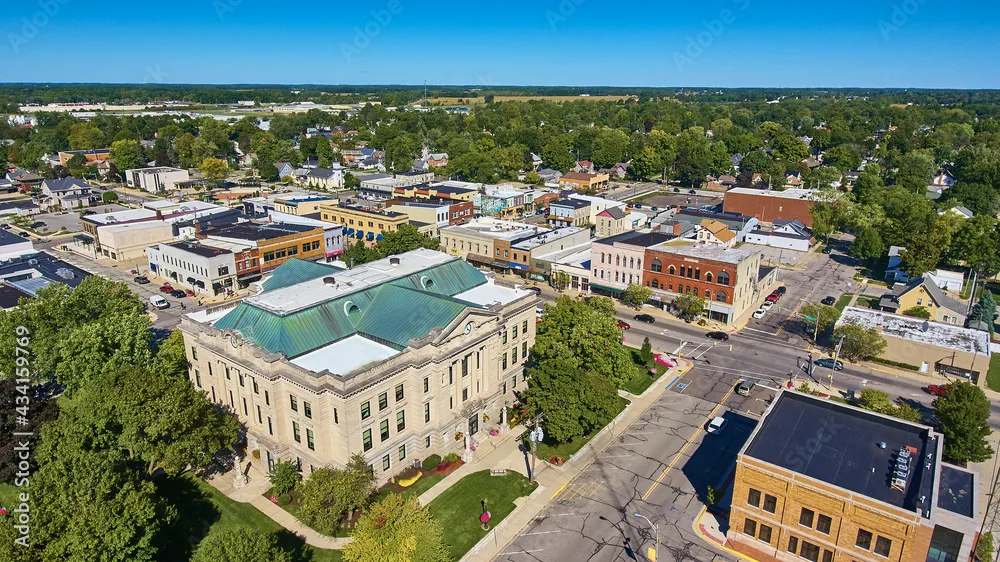
Response covers the entire county, from the courthouse square to the far township roads. Communities served include:
- Auburn - downtown historic district, Eckhart Park area, Bridgewater, and the Auburn Cord Duesenberg corridor
- Garrett - older railroad-era housing stock along Randolph and King streets
- Butler - residential blocks near the Fish Creek watershed
- Waterloo and Ashley - homes along the I-69 and US 6 corridors
- St. Joe, Spencerville, and Newville - riverside and rural properties along the St. Joseph River
- Corunna, Altona, Hamilton, and Hudson - small-town and lake-area residences
- Concord, Jackson, Union, Smithfield, and Richland townships - farmsteads, acreage homes, and outbuildings
Commercial clients in DeKalb County - manufacturing plants, retail storefronts, medical offices, schools, and agricultural facilities - receive the same coverage, with attention to keeping operations running during cleanup.
Seasonal Damage Patterns in DeKalb County
Restoration demand in northeast Indiana follows a fairly reliable rhythm across the calendar.
- December through February: Frozen and burst supply lines top the list. Heating equipment, wood stoves, and holiday cooking drive fire and smoke damage calls. Furnace puffbacks coat interiors in oily soot.
- March and April: Snowmelt combined with spring rain saturates clay soil, producing flooded basements, seepage through block walls, and sump pump overload.
- May and June: Severe thunderstorms and straight-line winds bring roof intrusion, wind-driven rain, and sewer backups when systems surcharge.
- July and August: Humidity climbs, and hidden moisture from spring events turns into visible mold growth in basements, crawl spaces, and behind finished walls.
- September and October: Steady autumn rain plus clogged gutters and downspouts push water toward foundations. Grilling and fire pit season contributes to exterior fire damage.
- November: First hard freezes catch unwinterized hose bibs, crawl space plumbing, and vacant properties off guard.
Mold remediation stays steady year round, because indoor humidity and unaddressed leaks keep growth active regardless of the outdoor forecast.
Housing Characteristics & Restoration Considerations
DeKalb County's housing mix spans more than a century of construction, and each era carries its own restoration wrinkles.
Common Construction Types
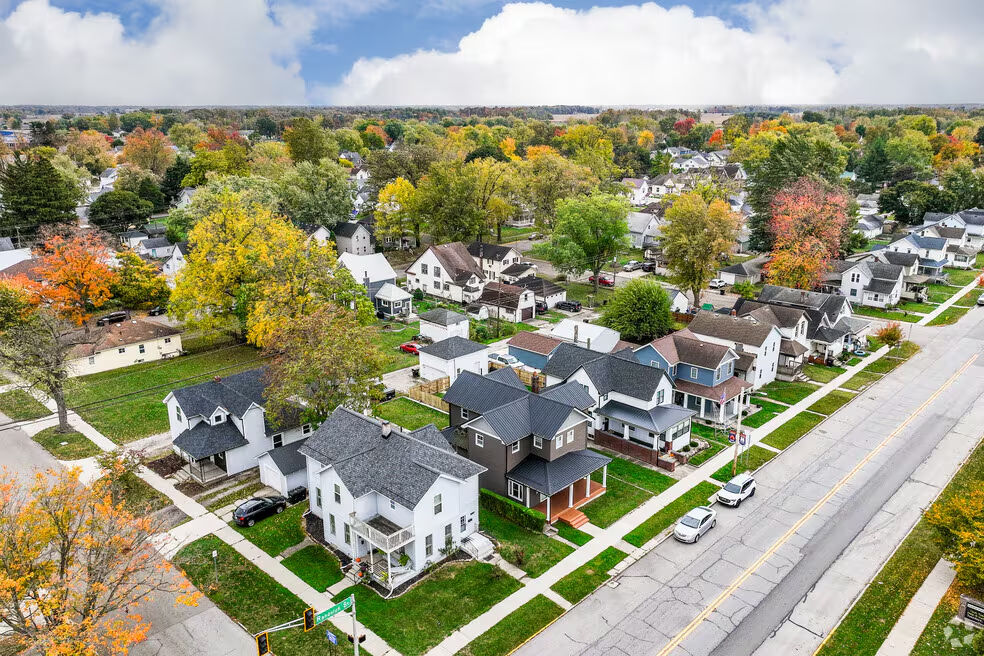
- Pre-1940 farmhouses and Victorian homes in Auburn, Garrett, and Butler - balloon framing lets fire and smoke travel vertically through wall cavities, and plaster over wood lath dries slowly after water intrusion
- Mid-century ranches with concrete block basements - mortar joints and cold joints are frequent seepage points
- 1970s-1990s split levels - below-grade bedrooms and family rooms mean flooded basements damage finished living space, carpet pad, and drywall
- Newer subdivision homes with poured walls and engineered lumber - tighter envelopes trap moisture and hold smoke odor longer
- Rural properties on well and septic systems - septic failures create sewage cleanup scenarios distinct from municipal backups
How Age Shapes the Restoration Plan
- Homes built before 1980 may contain asbestos in floor tile, mastic, or pipe wrap, requiring testing before demolition
- Lead paint considerations affect how fire-damaged surfaces are cleaned and prepared
- Knob-and-tube or aging aluminum wiring raises electrical fire risk and complicates post-loss reconstruction
- Fieldstone and unsealed block foundations wick moisture, so drying targets differ from poured concrete
- Crawl spaces with dirt floors or failed vapor barriers are frequent mold sources beneath otherwise dry homes
Long-term prevention matters as much as cleanup. Basement waterproofing, exterior grading, and sump system upgrades protect the foundation and cut the odds of a repeat loss.
Environmental Conditions & Damage Implications
The environment around Auburn and the rest of DeKalb County directly influences how damage develops and how restoration is executed.
Climate
- Humid continental climate with hot, muggy summers and cold winters
- Roughly 37 to 40 inches of annual precipitation, plus significant snowfall influenced by Lake Michigan systems
- Summer indoor humidity regularly exceeds the 60 percent threshold where mold thrives
- Sharp freeze-thaw swings that stress foundations, roofing, and plumbing
Soil and Groundwater
- Glacial till with heavy clay content that resists infiltration and holds water against footings
- Flat topography with limited natural drainage in many townships
- Elevated water tables near the St. Joseph River, Cedar Creek, and Fish Creek
- Hydrostatic pressure that forces water through cracks, cove joints, and block cores
Water and Air Quality Effects
- Hard, mineral-rich water accelerates corrosion in water heaters, valves, and supply lines - a leading cause of sudden indoor flooding
- Well water on rural properties means sewage backups may involve septic contamination requiring specialized disinfection
- Agricultural dust and pollen loads increase HVAC filter burden, and smoke residue bonds readily to those existing deposits
- Tightly sealed modern homes hold smoke odor and elevated spore counts unless air scrubbing and HVAC cleaning are included
These conditions explain why drying in DeKalb County often requires dehumidification beyond what a simple fan-and-wait approach delivers.
Round-the-Clock Emergency Response Across DeKalb County
Water spreads through building materials within minutes, and mold can begin colonizing damp drywall in a day or two. Sewage and smoke both introduce health hazards that worsen the longer they sit. That is why emergency restoration in DeKalb County is built around 24/7 availability rather than business hours.
What Happens After You Call
- Immediate intake - a live response gathers details about the loss type, affected areas, and safety concerns
- Dispatch - crews route to Auburn, Garrett, Butler, Waterloo, Ashley, St. Joe, or rural township addresses
- Safety and stabilization - electrical hazards addressed, board-up and tarping installed after fire or storm damage
- Inspection and documentation - moisture meters, thermal imaging, and photo records establish the scope
- Extraction and containment - standing water removed, contaminated zones isolated with negative air
- Drying and cleaning - air movers and dehumidifiers set, soot and residue treated by surface type
- Monitoring - daily readings confirm materials reach dry standard before equipment comes out
- Reconstruction coordination - drywall, flooring, trim, and paint restore the space
What to Do Before Help Arrives
- Shut off the water supply if a plumbing failure caused the loss
- Stay clear of any standing water near outlets or panels
- Avoid entering areas affected by sewage without protective gear
- Do not run a household vacuum on soot or wipe smoke residue from walls - improper cleaning drives it deeper
- Move photos, documents, and electronics to a dry, unaffected room if safe to do so
- Photograph conditions for your insurance claim before anything is moved
- Prop interior doors open to encourage airflow between rooms
Decades of restoration work in northeast Indiana translate into crews who know local building styles, county drainage patterns, and how regional carriers document claims - which keeps your project moving instead of stalling.