Damage Restoration in Hancock County, IN
- Damage Restoration Services Overview
- Common Damage Restoration Issues in Hancock County, Indiana
- Neighborhoods We Serve in Hancock County
- Seasonal Damage Patterns in Hancock County
- Housing Characteristics & Restoration Considerations
- Environmental Conditions & Damage Implications
- Sump Pumps, Sewer Backups and Basement Protection in Hancock County
Damage Restoration Services Overview
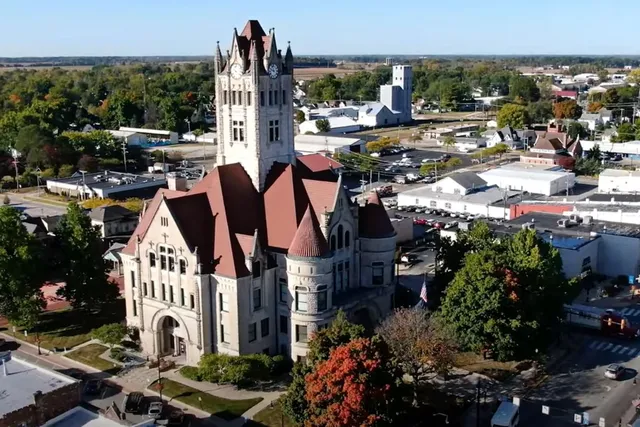
Hancock County sits on some of the flattest terrain in central Indiana - a landscape shaped by glacial till that drains slowly and holds water close to the surface. That geology, combined with an average of roughly 42 inches of annual precipitation, means basement seepage and saturated crawl spaces are routine facts of life from Greenfield to New Palestine.
Restoration work here spans far more than pumping out water. Property owners across the county rely on a full slate of emergency and rebuild services:
- Water damage restoration - burst supply lines, failed water heaters, appliance overflows, roof leaks and storm intrusion
- Flooded basement recovery - sump pump failures, hydrostatic pressure through block walls, window well overflow
- Sewage cleanup - backed-up floor drains, septic surcharge, sanitary line blockages and Category 3 contamination
- Fire damage restoration - structural cleaning, content pack-out, debris removal and reconstruction
- Smoke damage restoration - soot removal, thermal fogging, HVAC decontamination and odor neutralization
- Mold removal - containment, HEPA filtration, affected material removal and moisture-source correction
The benefit of local crews is speed. Water migrates through drywall and subfloor within hours, and mold colonies can establish quickly in humid Indiana summers. Round-the-clock response is available at (765) 676-3491 or (317) 548-2490, with technicians positioned just east of Indianapolis for fast arrival throughout the county.
Common Damage Restoration Issues in Hancock County, Indiana
Losses in Hancock County follow recognizable patterns tied to weather, soil and housing stock. Brandywine Creek, Sugar Creek and the Big Blue River all thread through the county, and heavy rain events push groundwater into basements well away from mapped floodplains.
Leading Causes of Damage
- Spring thunderstorm complexes that overwhelm sump pumps and downspout systems
- Clay-heavy soil that shrinks in drought, then swells and pressures foundation walls when rain returns
- Aging cast iron and clay sanitary laterals in older Greenfield neighborhoods
- Septic system saturation on rural acreage east and south of the county seat
- Winter pipe freezes in unheated crawl spaces, garages and vacation-empty homes
- Kitchen grease fires, wood stove malfunctions and space heater incidents during cold months
- Electrical faults in barns, pole buildings and older farmhouse wiring
Warning Signs Worth Acting On
- Musty or earthy odor in a basement or crawl space, even when floors look dry
- Efflorescence - white chalky residue - on block foundation walls
- Buckling laminate, cupping hardwood or tile that sounds hollow underfoot
- Gurgling floor drains or slow toilets, often the first hint of a sewer backup
- Yellow-brown staining bleeding through ceiling paint after a storm
- Lingering smoke odor that intensifies on humid days after a small fire
- Unexplained allergy symptoms that improve when occupants leave the house
Any of these signals warrant inspection before hidden moisture turns into structural rot or a mold remediation project.
Neighborhoods We Serve in Hancock County
Coverage extends across the entire county and into adjoining communities on the Indianapolis fringe.
- Greenfield - historic downtown near the courthouse square, Riley Park, Brandywine, and newer subdivisions along State Road 9
- New Palestine - Sugar Creek Township neighborhoods and surrounding farmland
- Fortville - Vernon Township homes and the Maxwell corridor
- McCordsville - fast-growing developments off Mt. Comfort Road and CR 600W
- Cumberland - properties straddling the Marion County line along US 40
- Wilkinson, Shirley, Charlottesville, Willow Branch and Eden - rural and small-town properties on septic and well systems
- Mt. Comfort and Buck Creek Township - warehouse, logistics and light industrial facilities near the airport
Crews also respond to commercial buildings along the I-70 corridor, where distribution centers and small businesses face their own water intrusion and fire recovery challenges.
Seasonal Damage Patterns in Hancock County
- January - February: Frozen and burst pipes dominate. Sub-zero snaps crack supply lines in crawl spaces and exterior walls. Heating equipment and fireplace incidents drive fire and smoke damage calls.
- March - April: Snowmelt combines with spring rain, saturating clay soil. Sump pump failures and flooded basements peak. Sewer laterals surcharge when infiltration overloads mains.
- May - June: Severe thunderstorms and straight-line winds cause roof damage and wind-driven rain intrusion. Lightning strikes trigger attic fires.
- July - August: Heat and humidity accelerate mold growth in previously wet materials. Air conditioning condensate line clogs flood ceilings and closets.
- September - October: Remnant tropical systems bring extended rain. Seasonal properties and rarely used basements reveal hidden moisture problems.
- November - December: Furnace startup releases dust and puff-back soot. Holiday cooking, candles and dry trees increase fire and smoke damage restoration needs.
Anticipating the calendar helps homeowners schedule sump pump testing in late winter and chimney service before first burn.
Housing Characteristics & Restoration Considerations
Hancock County housing splits sharply between century-old structures in Greenfield and Fortville and the subdivision boom that followed I-70 access and Indianapolis growth. Each era brings distinct restoration requirements.
Pre-1950 Homes
- Fieldstone or unreinforced block foundations that weep under hydrostatic pressure
- Plaster and lath walls that trap moisture behind an intact surface
- Balloon framing that lets smoke and fire travel vertically between floors
- Possible asbestos-containing floor tile, pipe wrap and mastic requiring testing before demolition
- Lead-based paint considerations during fire and water damage rebuild work
1960s - 1990s Ranches and Split-Levels
- Poured concrete basements with finished rec rooms - carpet, paneling and framed walls that hold water
- Original cast iron drain lines nearing the end of service life, raising sewage backup risk
- Limited attic ventilation contributing to condensation and mold growth
2000s - Present Construction
- Tight building envelopes that hold humidity when drying is incomplete
- Engineered wood subfloor and I-joists that delaminate quickly once saturated
- Large open floor plans that allow water and smoke to spread across broad areas
- Deep basements and egress window wells vulnerable to surface runoff
Restoration planning accounts for these differences - moisture mapping in plaster walls looks nothing like drying an engineered subfloor, and containment for mold removal in a balloon-framed farmhouse takes a different approach than a modern sealed home.
Environmental Conditions & Damage Implications
Central Indiana's humid continental climate creates a wide swing between January freezes and July dew points in the seventies. Those extremes shape every phase of restoration work in Hancock County.
Soil and Groundwater
- Glacial till with high clay content drains poorly, keeping water against foundation walls after storms
- Shallow water tables in low-lying areas near Brandywine Creek and Sugar Creek push moisture through slab cracks
- Seasonal soil movement opens hairline foundation cracks that become active leak points
Humidity and Mold Risk
- Summer indoor humidity frequently exceeds the 60 percent threshold where mold thrives
- Crawl spaces with exposed dirt floors act as constant moisture sources
- Drying plans rely on dehumidification capacity, not just air movement, to hit target moisture content
Water and Air Quality Factors
- Hard groundwater accelerates scale buildup and corrosion in supply lines and water heaters
- Rural septic systems in saturated clay can surcharge, creating Category 3 contamination requiring full sanitization
- Agricultural dust and pollen load HVAC filters, which then recirculate smoke particulate after a fire if not replaced and cleaned
These conditions mean drying standards must be verified with meters rather than assumed, and post-fire cleaning must address the HVAC system alongside visible soot on surfaces.
Sump Pumps, Sewer Backups and Basement Protection in Hancock County
Ask any Greenfield contractor what fails most often during a spring storm, and the answer is the sump pump. In a county where clay soil funnels rainwater straight toward foundation footings, that single pump is often the only thing standing between a finished basement and several inches of standing water.
Why Basements Flood Here
- Pump motor burnout after continuous cycling during multi-day rain events
- Power outages during the same storms that make the pump necessary
- Discharge lines that freeze shut or terminate too close to the foundation
- Clogged or collapsed perimeter drain tile in older homes
- Sanitary sewer surcharge in neighborhoods where storm infiltration overwhelms mains
Steps Taken on a Flooded Basement Call
- Determine water category - clean supply water, gray water from an appliance, or contaminated sewage requiring full PPE and containment
- Extract standing water with truck-mounted or portable equipment
- Remove saturated carpet pad, base trim and drywall to the appropriate cut line
- Apply antimicrobial treatment to affected framing and concrete when contamination is present
- Set air movers and commercial dehumidifiers, then monitor moisture readings daily until dry standards are met
- Reconstruct - drywall, trim, flooring and paint - through the rebuild division
Prevention Measures Worth Adopting
- Install a battery backup or water-powered secondary sump pump
- Add a backwater valve on the sanitary lateral if backups have occurred before
- Extend downspouts at least six feet from the foundation
- Regrade soil so it slopes away from the house, accounting for clay settling
- Keep stored items on shelving rather than directly on the basement slab
Local crews know which Hancock County neighborhoods flood first and which sewer lines surcharge under heavy rain - knowledge that shortens response time when a basement is filling. Emergency lines stay open around the clock at (765) 676-3491 and (317) 548-2490.