Damage Restoration in Marion, IN
- Damage Restoration Services Overview
- Common Damage Restoration Issues in Marion, Indiana
- Neighborhoods We Serve in Marion
- Seasonal Damage Patterns in Marion
- Housing Characteristics & Restoration Considerations
- Environmental Conditions & Damage Implications
- Historic District Restoration Challenges in Marion
Damage Restoration Services Overview
When disaster strikes your Marion home - whether it's a burst pipe flooding your basement at 2 AM or discovering smoke damage after a kitchen fire - you need immediate, professional help. These emergencies don't wait for convenient times, and the longer damage sits untreated, the more extensive and costly repairs become.
Marion residents have access to comprehensive restoration services that address every type of property damage:
- Water Damage Restoration - From burst pipes to storm flooding
- Flooded Basement - Specialized equipment for below-grade water removal
- Sewage Cleanup - Safe, sanitary removal of contaminated water
- Fire Damage Restoration - Structural repairs and content restoration
- Smoke Damage Restoration - Odor elimination and surface cleaning
- Mold Removal - Complete remediation and prevention strategies
Local restoration companies like ServiceMaster by Restoration Contractors, AdvantaClean, and Enviro Decon of Indiana bring decades of experience to Marion properties. These services work together - water damage often leads to mold growth, fire damage includes smoke issues, and sewage backups require specialized water extraction techniques.
Common Damage Restoration Issues in Marion, Indiana
Marion's location in north-central Indiana creates specific challenges for property owners throughout the year. The area's variable weather patterns and aging infrastructure contribute to recurring damage scenarios.
Water-related problems dominate local restoration calls:
- Basement flooding from heavy spring rains and snowmelt
- Pipe bursts during winter freeze-thaw cycles
- Sewage backups from overwhelmed municipal systems during storms
- Foundation seepage in older homes with settling issues
- HVAC condensation problems in humid summer months
Fire and smoke damage incidents spike during specific periods:
- Holiday cooking accidents between November and January
- Heating system malfunctions during cold snaps
- Electrical fires from overloaded circuits during peak AC usage
- Chimney fires from creosote buildup in wood-burning homes
Mold growth accelerates in Marion's humid climate, especially after water damage events. Warning signs include musty odors, visible growth on walls or ceilings, and increased allergy symptoms among family members. Properties with poor ventilation or previous water damage face higher risks.
Neighborhoods We Serve in Marion
Restoration services cover all Marion neighborhoods, from historic downtown districts to newer suburban developments. Each area presents unique challenges based on housing age, construction methods, and infrastructure conditions.
Primary service areas include:
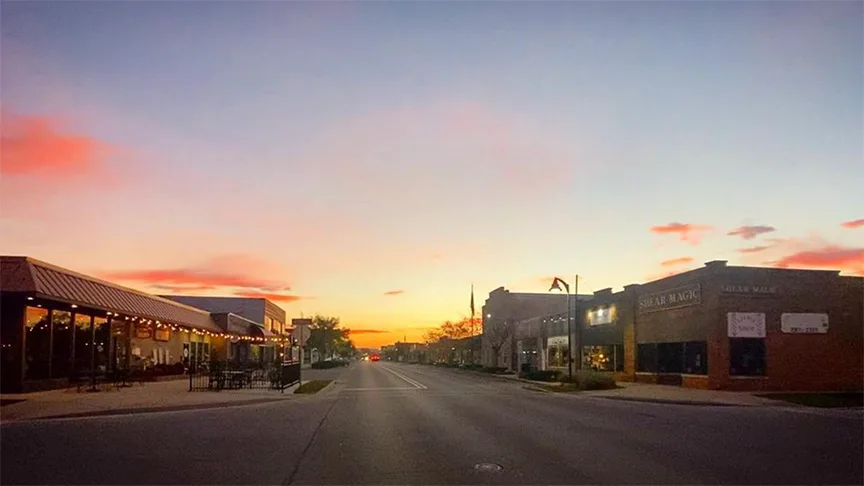
- Downtown Marion - Historic buildings with unique restoration needs
- Riverside neighborhoods along the Mississinewa River
- South Marion residential areas near Indiana Wesleyan University
- Industrial corridor properties requiring commercial-grade services
- Rural properties in surrounding Grant County areas
- Mobile home communities with specialized restoration requirements
Teams also serve nearby communities including Gas City, Upland, Fairmount, and Van Buren. Rural properties often face longer response times but receive the same comprehensive restoration services as urban locations.
Seasonal Damage Patterns in Marion
Marion's restoration needs follow predictable seasonal patterns that help property owners prepare for potential issues throughout the year.
Winter (December - February):
- Frozen pipe emergencies peak during cold snaps
- Ice dam formation causes roof leaks and water damage
- Heating system fires increase from overuse and poor maintenance
- Carbon monoxide incidents from blocked vents
Spring (March - May):
- Basement flooding from rapid snowmelt and heavy rains
- Sewage backups from overwhelmed storm systems
- Mold growth from winter moisture accumulation
- Storm damage from severe weather events
Summer (June - August):
- HVAC-related water damage from condensation issues
- Electrical fires from air conditioning overload
- Severe weather damage from tornadoes and hail
- Mold proliferation in humid conditions
Fall (September - November):
- Chimney and fireplace preparation fires
- Leaf-clogged gutters causing water damage
- Holiday cooking accidents and kitchen fires
- Final mold remediation before winter
Housing Characteristics & Restoration Considerations
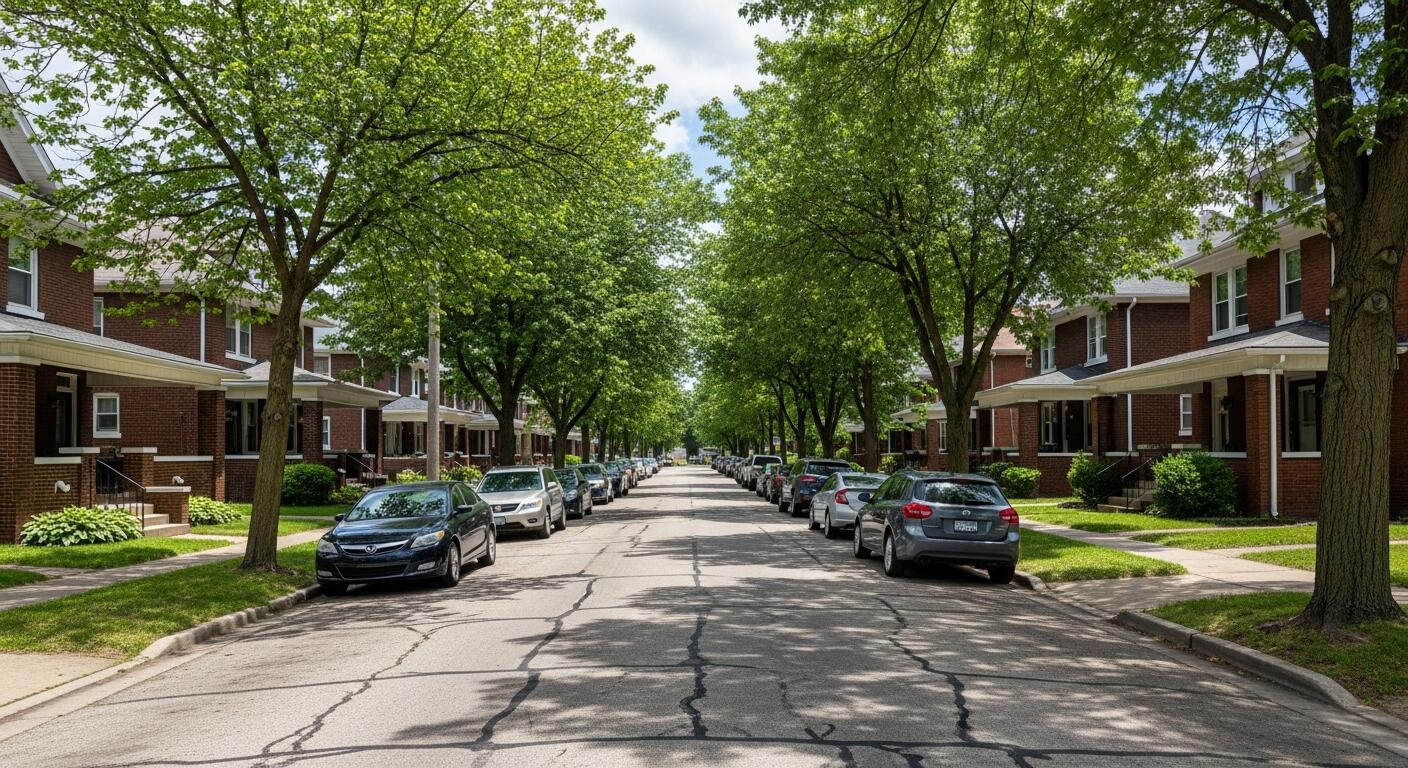
Marion's housing stock reflects over a century of construction, with each era presenting distinct restoration challenges. The city's mix of architectural styles and building materials requires specialized knowledge for effective damage restoration.
Housing Age Distribution:
- Pre-1940 homes (25%) - Historic properties with plaster walls, knob-and-tube wiring
- 1940-1970 construction (35%) - Post-war homes with asbestos considerations
- 1970-2000 builds (30%) - Modern materials with improved insulation
- Post-2000 construction (10%) - Contemporary homes with advanced systems
Common Construction Types:
- Brick and stone foundations requiring specialized water extraction methods
- Balloon frame construction in older homes creating fire spread risks
- Crawl space foundations prone to moisture and mold issues
- Basement foundations with varying waterproofing effectiveness
Older Marion homes often feature original hardwood floors, plaster walls, and cast iron plumbing that require careful restoration techniques. Water damage in these properties demands immediate attention to prevent irreversible damage to historic materials. Fire damage restoration must account for potential lead paint and asbestos in pre-1980 construction.
Newer construction typically features drywall, modern HVAC systems, and improved moisture barriers, but can still suffer extensive damage from water intrusion or fire events.
Environmental Conditions & Damage Implications
Marion's continental climate creates specific conditions that influence damage patterns and restoration approaches throughout the year. Understanding these environmental factors helps property owners recognize risks and restoration professionals develop effective treatment strategies.
Climate Characteristics:
- Average humidity: 65-75% during summer months
- Temperature extremes: -10°F to 95°F annual range
- Precipitation: 38 inches annually with spring/summer peaks
- Freeze-thaw cycles: 40-50 per winter season
Soil and Drainage Conditions:
- Clay-rich soils with poor drainage in many neighborhoods
- High water table areas near the Mississinewa River
- Seasonal groundwater fluctuations affecting basement moisture
- Urban runoff challenges from aging storm sewer systems
High humidity levels accelerate mold growth after water damage events, requiring aggressive dehumidification and air circulation during restoration. The area's frequent freeze-thaw cycles stress plumbing systems and building materials, leading to unexpected failures.
Marion's clay soils expand and contract with moisture changes, creating foundation movement that can crack basement walls and allow water intrusion. Properties in flood-prone areas near waterways require specialized basement waterproofing and rapid response protocols for sewage cleanup when municipal systems overflow.
Historic District Restoration Challenges in Marion
Marion's historic downtown and surrounding residential districts present unique restoration challenges that require specialized expertise and careful attention to preservation standards. These properties, many dating to the late 1800s and early 1900s, house irreplaceable architectural features that demand careful restoration techniques.
Historic Property Restoration Considerations:
- Original hardwood floors requiring specialized drying and refinishing techniques
- Plaster and lath walls needing careful water extraction to prevent collapse
- Cast iron and galvanized plumbing prone to corrosion and sudden failure
- Knob-and-tube electrical systems creating fire hazards during restoration
- Lead paint and asbestos materials requiring certified removal procedures
Water damage in historic Marion properties often reveals underlying issues like foundation settlement, outdated plumbing, or inadequate moisture barriers. Restoration teams must balance modern drying techniques with preservation of original materials and architectural integrity.
Fire Damage Restoration in Historic Buildings:
- Immediate structural assessment for safety and stability
- Careful removal of damaged materials while preserving salvageable elements
- Specialized cleaning of smoke damage from ornate woodwork and fixtures
- Reconstruction using period-appropriate materials and techniques
- Integration of modern safety systems without compromising historic character
Local restoration companies with experience in Marion's historic districts understand the importance of maintaining architectural authenticity while ensuring modern safety standards. These projects often require coordination with historic preservation specialists and may involve special permits or approvals for certain restoration approaches.