Damage Restoration in Kosciusko County, IN
- Damage Restoration Services Overview
- Common Damage Restoration Issues in Kosciusko County, Indiana
- Neighborhoods We Serve in Kosciusko County
- Seasonal Damage Patterns in Kosciusko County
- Housing Characteristics & Restoration Considerations
- Environmental Conditions & Damage Implications
- What to Expect: Clear Communication Through Your Kosciusko County Restoration Project
Damage Restoration Services Overview
What would you do if you walked downstairs tomorrow morning and found three inches of water covering the basement floor? For property owners across Kosciusko County, that scenario is far more common than most people expect - and the clock starts ticking immediately.
Restoration work covers a wide span of emergencies, and each one demands a different approach, different equipment, and different safety protocols.
- Water Damage Restoration - extraction, structural drying, and moisture mapping after burst pipes, appliance failures, or roof leaks
- Flooded Basement - pump-out, sump pit evaluation, and drying of foundation walls, framing, and stored belongings
- Sewage Cleanup - containment, removal of contaminated materials, and antimicrobial treatment of affected surfaces
- Fire Damage Restoration - board-up, debris removal, soot cleaning, and coordination of structural repairs
- Smoke Damage Restoration - odor neutralization, HVAC cleaning, and treatment of walls, textiles, and contents
- Mold Removal - containment barriers, HEPA filtration, affected material removal, and moisture source correction
The benefits for Kosciusko County residents are practical: faster drying means less material replacement, and early intervention keeps a small water loss from becoming a widespread mold problem.
Emergency response teams operate around the clock, because damage does not wait for business hours in Warsaw, Winona Lake, or anywhere else in the county.
Common Damage Restoration Issues in Kosciusko County, Indiana
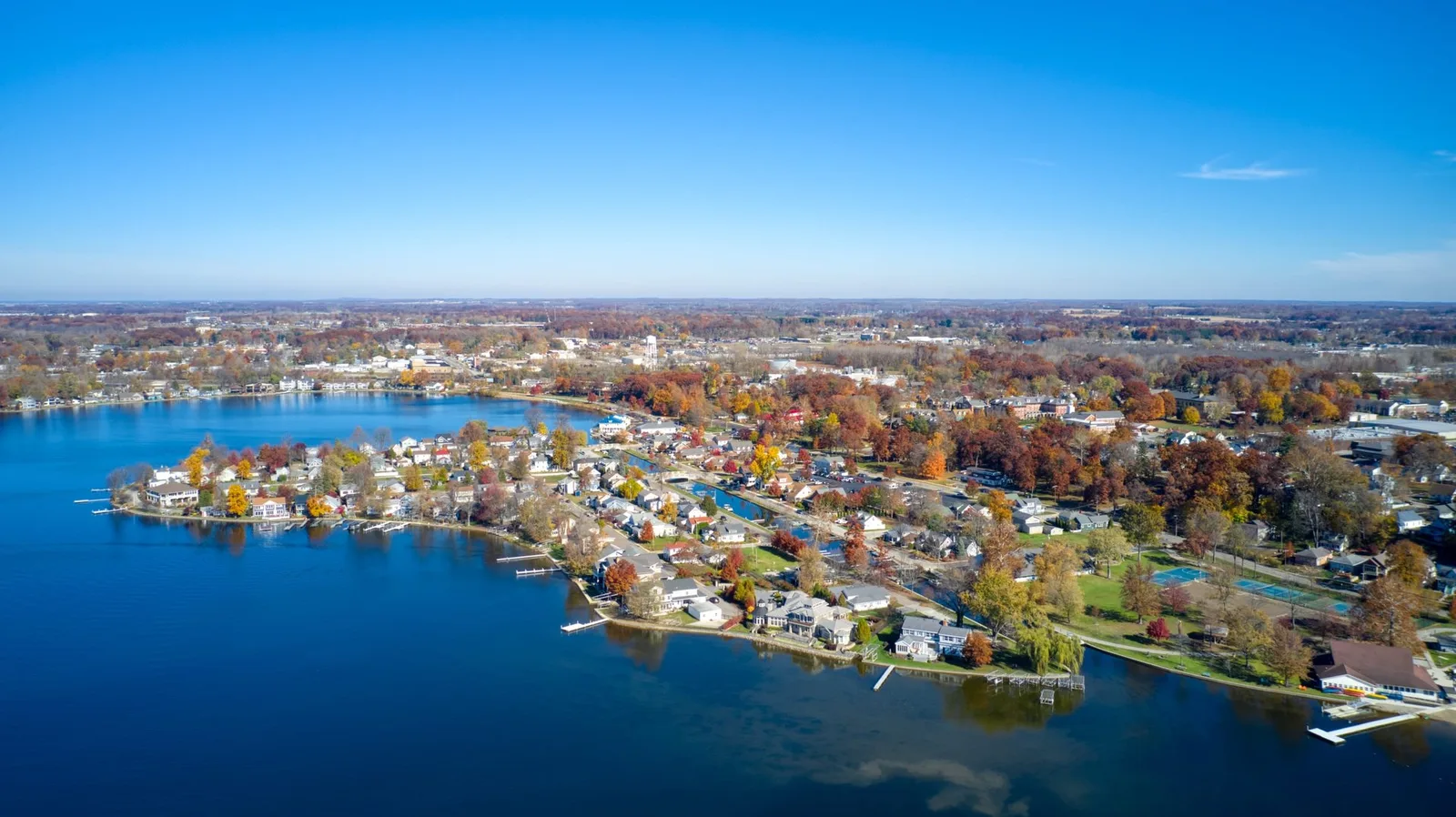
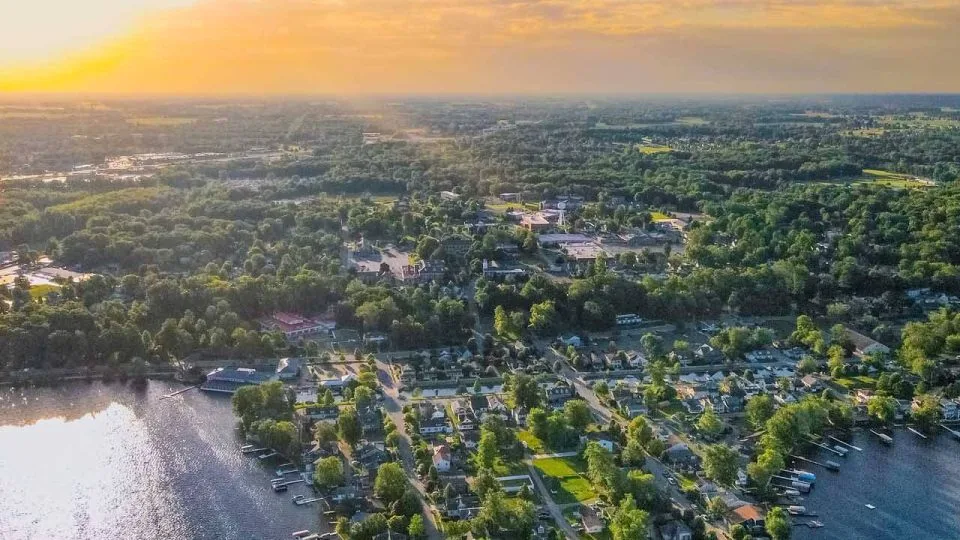
Kosciusko County sits in Indiana's lake country, with more than 100 lakes shaping the landscape and the water table. That geography influences nearly every category of property damage here.
Local Causes of Damage
- High groundwater near Wawasee, Tippecanoe, Webster, and Winona lakes pushing moisture through foundation walls
- Frozen and burst supply lines during hard January and February cold snaps
- Sump pump failures during heavy spring rain events
- Aging clay and cast iron sewer laterals in older Warsaw neighborhoods, leading to backups
- Combined stress on municipal systems during rapid snowmelt
- Space heaters, wood stoves, and fireplace use in rural farmhouses during winter
- Grain dust, barn, and outbuilding fires on agricultural properties
- Lightning strikes and downed power lines during summer thunderstorms
Warning Signs Worth Acting On
- Musty odors in basements, crawl spaces, or closets that never fully fade
- Efflorescence - white chalky residue - on block foundation walls
- Buckling laminate, cupping hardwood, or soft spots in subfloor
- Staining on ceiling tiles or drywall seams below bathrooms
- Gurgling floor drains or slow-draining fixtures signaling a sewer issue
- Persistent smoke odor that returns when the furnace or AC cycles on
- Allergy-like symptoms that improve when occupants leave the building
Any one of these signs deserves a professional moisture reading before finishes are repaired or repainted.
Neighborhoods We Serve in Kosciusko County
Coverage extends across the entire county, from lakefront communities to farm properties on county roads.
- Warsaw - downtown historic district, Center Lake and Pike Lake areas, and newer subdivisions on the north and east sides
- Winona Lake - the Village at Winona, campus-area housing, and lakefront cottages
- Syracuse and Lake Wawasee - seasonal homes, boathouses, and year-round residences
- North Webster - Webster Lake and Backwater properties
- Milford, Leesburg, Claypool, Pierceton, Silver Lake, Mentone, Etna Green, Burket, Sidney, and Atwood
- Rural townships - Tippecanoe, Turkey Creek, Van Buren, Plain, Prairie, and Wayne
Surrounding regions including Noble County, Whitley County, and the greater Fort Wayne area also fall within reach, which matters when a large storm event stretches local resources thin.
Seasonal Damage Patterns in Kosciusko County
Winter (December - February)
- Frozen and burst pipes in crawl spaces, exterior walls, and unheated outbuildings
- Ice dams forcing meltwater under shingles and into ceilings
- Peak season for heating-related fire and smoke damage
Spring (March - May)
- Snowmelt combined with rain producing flooded basements countywide
- Sump pump overload and battery backup failures
- Sewage backups when saturated soils stress older laterals
- Mold growth beginning in areas that stayed damp through winter
Summer (June - August)
- Severe thunderstorms, wind-driven rain, and lightning-related fires
- Humidity above 70% feeding mold in basements and crawl spaces
- Condensation damage around undersized or neglected HVAC systems
Fall (September - November)
- Clogged gutters directing water toward foundations
- First furnace cycles releasing dust and smoke odors
- Chimney and flue fires as fireplaces and wood stoves return to use
- Ideal window for pre-winter moisture inspections and pipe insulation
Housing Characteristics & Restoration Considerations
Kosciusko County housing stock is varied, and each construction era brings its own restoration challenges.
Common Property Types
- Pre-1940 farmhouses and Warsaw historic homes - balloon framing, plaster over lath, stone or brick foundations, and dirt-floor cellars
- Mid-century ranches - poured or block basements, original galvanized supply lines, and finished rec rooms below grade
- Lake cottages - crawl spaces, seasonal plumbing, and additions built in stages over decades
- 1990s-present subdivisions - engineered joists, vinyl siding, and attached garages
How Construction Affects the Work
- Balloon framing lets fire, smoke, and odor travel vertically through wall cavities, requiring inspection well beyond the visible burn area
- Plaster holds moisture longer than drywall and may need injection drying rather than removal
- Block foundations wick water horizontally, so drying often includes cavity ventilation behind finished walls
- Crawl spaces under lake cottages need vapor barrier evaluation after any water loss
- Homes built before 1980 may contain asbestos or lead paint, requiring testing before demolition
- Engineered I-joists lose strength quickly when saturated or fire-exposed and need structural review
- Finished basements hide moisture behind paneling and carpet pad - infrared scanning and probe meters locate it
Documenting these conditions before work begins protects both the property owner and the insurance claim.
Environmental Conditions & Damage Implications
The county's climate and soils shape how quickly damage spreads and how drying plans are built.
Climate Factors
- Roughly 38 inches of annual precipitation, with spring carrying the heaviest totals
- Lake-effect snow bands from Lake Michigan adding winter accumulation and spring melt volume
- Summer dew points frequently in the 60s and 70s, slowing evaporation without dehumidification
- Freeze-thaw cycling that cracks foundations, mortar joints, and driveway slabs
Soil and Groundwater
- Glacial till, sand, and gravel deposits with pockets of dense clay
- Clay-heavy lots hold water against foundation walls after storms
- High water tables near lakes and wetlands keep hydrostatic pressure on basement floors year-round
- Rural septic systems that surcharge in saturated ground, creating sanitary cleanup needs
What This Means for Restoration
- Mold can colonize damp materials within a couple of days at typical summer humidity - drying speed matters
- Dehumidifier sizing must account for local outdoor conditions, not generic calculations
- Sewage and septic events require full PPE, containment, and disposal of porous materials
- Smoke residues bond faster to surfaces in humid air, making prompt cleaning more effective
- Well water systems need testing after flooding or backflow events
Post-drying verification with moisture meters and documented readings confirms the structure is truly dry, not just dry to the touch.
What to Expect: Clear Communication Through Your Kosciusko County Restoration Project
Property damage is stressful enough without wondering what is happening in your own home. Transparency throughout the process removes most of that uncertainty.
The Typical Project Sequence
- Emergency call and dispatch - a crew is assigned and given directions to your Warsaw, Syracuse, Pierceton, or rural county address
- On-site assessment - moisture mapping, thermal imaging, and identification of the damage source and its full extent
- Scope review with the property owner - what will be removed, what can be saved, and why each decision was made
- Mitigation - water extraction, sewage removal, soot cleaning, containment setup, or mold remediation depending on the loss
- Structural drying and monitoring - daily readings logged and shared so progress is visible, not assumed
- Repairs and rebuild - drywall, flooring, trim, paint, and cabinetry coordinated as one project
- Final cleaning and content return - a deep clean, restored belongings placed back, and the space ready for re-occupancy
Questions Worth Asking Any Restoration Company
- Who is my point of contact, and how do I reach that person directly?
- Will you document moisture readings and photograph conditions daily?
- What materials are being removed, and what is the reasoning behind each?
- How do you coordinate with my insurance adjuster?
- Are technicians certified for water, fire, and mold work?
- Will the same company handle both mitigation and rebuild?
How Property Owners Can Help
- Photograph damage before anything is moved
- Locate your policy number and start a claim early
- Keep receipts for temporary lodging and emergency supplies
- Identify irreplaceable items so they receive priority handling
- Stay out of areas with standing water, sewage, or fire damage until cleared
Experience and compassion both matter after a serious loss. Kosciusko County property owners deserve straight answers, documented work, and a crew that treats the home like it belongs to someone.