
Damage Restoration in Winona Lake, IN
- Damage Restoration Services Overview
- Common Damage Restoration Issues in Winona Lake, Indiana
- Neighborhoods We Serve in Winona Lake
- Seasonal Damage Patterns in Winona Lake
- Housing Characteristics & Restoration Considerations
- Environmental Conditions & Damage Implications
- Protecting Winona Lake Waterfront and Seasonal Properties
Damage Restoration Services Overview
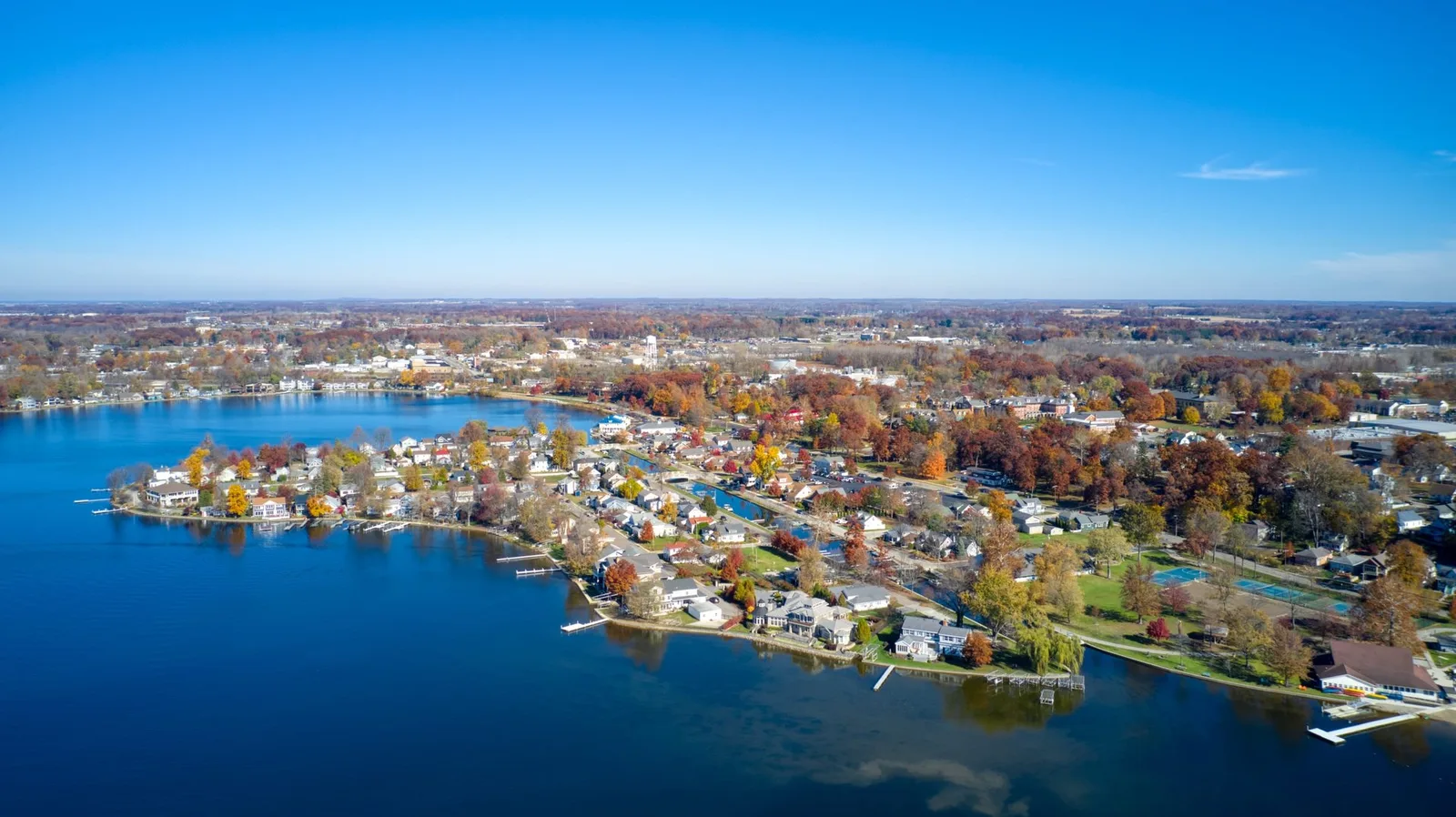
Water spreads through drywall, subfloor, and insulation within minutes, and smoke residues become acidic enough to etch metal and glass in a matter of hours. In Winona Lake, where lakefront humidity meets older housing stock, the window between a manageable cleanup and a full reconstruction project is narrow.
Restoration work here covers a connected set of emergency and remediation services:
- Water Damage Restoration - extraction, structural drying, moisture mapping, and antimicrobial treatment after supply line breaks, appliance failures, roof leaks, or storm intrusion.
- Flooded Basement - pump-out, contents removal, sump and drain evaluation, and drying of block or poured foundation walls.
- Sewage Cleanup - Category 3 contamination response, including removal of porous materials, disinfection, and odor control.
- Fire Damage Restoration - board-up, debris removal, soot cleanup, and coordination of structural repairs.
- Smoke Damage Restoration - deodorization, HVAC cleaning, contents cleaning, and treatment of protein or puffback residues.
- Mold Removal - containment, HEPA filtration, affected material removal, and correction of the moisture source.
The benefit for Winona Lake property owners is straightforward: faster stabilization, fewer materials lost, cleaner indoor air, and documentation that supports an insurance claim from the first day.
Common Damage Restoration Issues in Winona Lake, Indiana
Winona Lake sits in Kosciusko County's glacial lake district, where high water tables, clay-heavy soils, and a dense network of lakes and ditches shape the risk profile for nearly every property.
Local Causes of Damage
- Groundwater pressure against basement walls after prolonged rain or rapid snowmelt
- Sump pump failure or discharge lines that freeze during January and February
- Sanitary line backups in older neighborhoods where roots invade clay laterals
- Frozen and burst pipes in crawl spaces, unheated cottages, and seasonal lake homes
- Ice dams on steep-pitched roofs common to Winona Lake's historic district
- Kitchen and heating-related fires, plus furnace puffbacks in older oil and gas systems
- Persistent summer humidity feeding mold in closed-up basements and shoreline properties
Warning Signs Worth Acting On
- Musty odor that intensifies when the HVAC system cycles
- Efflorescence, chalky white powder, or dark staining on foundation walls
- Cupping hardwood, bubbling paint, or soft spots in flooring near exterior walls
- Gurgling floor drains or slow drainage on the lowest level
- Sooty film on window glass, lampshades, or the return air grille after a fire event
- Allergy-type symptoms that improve when occupants leave the building
Erosion studies along local ditches have highlighted how much surface water this watershed moves during heavy events - and that same water finds its way toward basements and crawl spaces on lower-lying lots.
Neighborhoods We Serve in Winona Lake
Coverage extends across the town and the surrounding Kosciusko County communities that share the same lake-driven conditions.
- The Village at Winona and the surrounding historic cottage district
- Lakefront and Park Avenue properties along the Winona Lake shoreline
- Chinworth and Pierceton Road corridors with newer subdivision construction
- Grace College campus area rentals, student housing, and adjacent residences
- Kings Highway and Canal Street neighborhoods near the greenway
- Warsaw, including downtown, Center Lake, and Pike Lake areas
- Pierceton, Leesburg, Claypool, Silver Lake, and Syracuse
- Rural properties along State Road 15, US 30, and CR 250
Response teams familiar with local street layouts, lake access points, and municipal utility contacts reach these areas quickly, which matters most for sewage backups and active water losses.
Seasonal Damage Patterns in Winona Lake
Winter (December - February)
- Frozen and burst supply lines in crawl spaces and vacant lake cottages
- Ice dam leaks into attics and second-floor ceilings
- Heating-related fires and furnace puffbacks producing heavy smoke residue
- Sump discharge lines freezing and backing water into basements
Spring (March - May)
- Peak flooded basement season as snowmelt combines with spring rain
- Sewage backups when saturated ground overloads sanitary lines
- Storm-driven roof and window water intrusion
- First mold growth appearing from winter leaks that went unnoticed
Summer (June - August)
- Mold blooms in humid basements and closed-up seasonal properties
- Severe thunderstorm and hail damage leading to water entry
- Air conditioning condensate line overflows
- Grilling and outdoor fire incidents affecting decks and exterior walls
Fall (September - November)
- Clogged gutters directing water against foundations
- Chimney and fireplace fires as heating systems restart
- Smoke odor complaints from first-use wood stoves and furnaces
- Pre-winter pipe insulation gaps setting up December failures
Housing Characteristics & Restoration Considerations
Winona Lake's building stock spans more than a century, and each era of construction responds differently to water, smoke, and microbial growth.
Historic Cottages and Chautauqua-Era Homes
- Wood lath and plaster that absorbs water deeply and dries slowly
- Balloon framing that lets smoke and fire travel vertically between floors
- Original wood siding, trim, and porches requiring careful soot cleaning rather than aggressive abrasion
- Potential for lead paint and asbestos in flooring, insulation, and pipe wrap - tested before demolition begins
Mid-Century Ranches and Split-Levels
- Block foundations vulnerable to lateral seepage and hollow-core water retention
- Finished basements with paneling, carpet pad, and framed walls that trap moisture behind them
- Cast iron and galvanized plumbing nearing end of service life
- Ductwork in slabs or crawl spaces that spreads smoke odor throughout the home
Newer Subdivision Construction
- Poured walls with sump systems that fail without battery backup
- Tight building envelopes that hold humidity and accelerate mold after a loss
- Engineered wood flooring and OSB subfloor that delaminate quickly when saturated
- Multi-zone HVAC requiring full duct cleaning after any smoke event
Crawl space foundations are widespread throughout the area. These spaces need vapor barrier inspection, dehumidification, and joist moisture readings during any water or mold project, since damage there often shows up first as odor or springy floors above.
Environmental Conditions & Damage Implications
Northern Indiana's climate and glacial geology create conditions that both cause damage and complicate drying.
Climate
- Roughly 38 - 40 inches of annual precipitation, heavily weighted toward spring and early summer
- Lake-effect snow contributing to significant melt volume in late winter
- Summer dew points regularly in the upper 60s, slowing evaporation and feeding mold
- Deep winter freezes that drive frost below shallow utility lines
Soil and Groundwater
- Glacial till with clay lenses that hold water against foundations rather than draining it
- Shallow water tables near the lake and Cherry Creek drainage that keep basements damp year-round
- Sandy pockets that allow rapid infiltration during heavy storms
- Erosion-prone ditch banks that shift stormwater flow toward adjacent properties
Air and Water Quality Effects
- High summer humidity requires larger dehumidification capacity and longer drying cycles
- Hard well water leaves mineral scale that traps soot and complicates surface cleaning
- Septic systems on rural parcels raise contamination risk during backups and flooding
- Smoke particulates settle into porous lake-house materials such as wicker, rugs, and unfinished wood
Drying plans built around these conditions - using moisture meters, thermal imaging, and controlled airflow rather than fixed schedules - prevent the hidden pockets that later become mold complaints.
Protecting Winona Lake Waterfront and Seasonal Properties
Lakefront and part-time-occupied homes carry a different risk profile than year-round residences. A pipe that bursts in an occupied house is noticed in minutes; the same failure in a closed-up cottage can run for weeks before anyone opens the door.
Why Lake Properties Need Extra Attention
- Elevated groundwater beneath shoreline lots pressures foundations continuously
- Crawl spaces and walkout lower levels sit close to the water table
- Extended vacancy delays discovery of leaks, sump failures, and sewage backups
- Boathouses, docks, and detached structures often lack heat or monitoring
- Older seasonal construction was rarely built with vapor control or continuous insulation
Steps That Reduce Loss Severity
- Install a battery or water-powered backup sump pump and test it each spring and fall.
- Add water sensors near water heaters, washing machines, sump pits, and lower-level bathrooms.
- Shut off and drain supply lines before extended winter absences.
- Have a neighbor or property manager check the interior after major storms and hard freezes.
- Keep gutters clear and extend downspouts well past the foundation.
- Run a dehumidifier in basements and crawl spaces through the humid months.
- Photograph contents and finishes annually so claim documentation is ready if it is needed.
What Happens During a Response
- Emergency contact, hazard assessment, and source containment.
- Moisture mapping with meters and thermal imaging to define the affected area.
- Extraction, pump-out, or soot and debris removal depending on the loss type.
- Removal of unsalvageable porous materials under containment when contamination or mold is present.
- Structural drying, HEPA filtration, disinfection, and deodorization.
- Verification readings, clearance documentation, and handoff to repairs.
Certified technicians serving Winona Lake and the greater Warsaw area handle each of these phases with the same documentation standards insurers expect, so property owners are not left assembling paperwork during an already difficult week.





