Damage Restoration in Dubois County, IN
- Damage Restoration Services Overview
- Common Damage Restoration Issues in Dubois County, Indiana
- Neighborhoods We Serve in Dubois County
- Seasonal Damage Patterns in Dubois County
- Housing Characteristics & Restoration Considerations
- Environmental Conditions & Damage Implications
- What to Do in the First Hours After Storm, Fire, or Flood Damage in Dubois County
Damage Restoration Services Overview
When water pours through a basement wall at 2 a.m. or smoke settles into every room after a kitchen fire, having a trained restoration team on the way changes everything. Property owners across Dubois County rely on full-service residential and commercial restoration backed by 24/7 emergency response, so recovery starts within hours rather than days.
A single event rarely causes just one type of damage. A storm can flood a basement, back up a sewer line, and create the humid conditions mold needs. That is why our work spans the full range of property damage:
- Water Damage Restoration - extraction of standing water, structural drying, and locating hidden moisture behind walls and under flooring
- Flooded Basement - pump-outs, content handling, sanitizing, and dehumidification of below-grade spaces
- Sewage Cleanup - safe removal of contaminated water, disinfection, and disposal of unsalvageable porous materials
- Fire Damage Restoration - debris removal, structural stabilization, soot cleaning, and rebuilding
- Smoke Damage Restoration - odor neutralization, HVAC cleaning, and treatment of residues on walls, ceilings, and belongings
- Mold Removal - containment, air filtration, affected material removal, and moisture source correction
The benefit for Dubois County homeowners and business operators is simple: faster mitigation limits secondary damage, protects indoor air quality, and shortens the path back to normal operations.
Common Damage Restoration Issues in Dubois County, Indiana
Southern Indiana weather and older building stock create a recurring set of restoration problems throughout Jasper, Huntingburg, Ferdinand, and the surrounding countryside.
Local Causes of Property Damage
- Heavy spring rain along the Patoka River corridor overwhelming yard drainage and sump systems
- Straight-line winds and severe thunderstorms that damage utility poles, down lines, and close roads while crews work
- Ice storms and hard freezes that split supply lines in crawl spaces and unheated garages
- Municipal sewer surcharges and rural septic backups during saturated ground conditions
- Heating equipment, wood stoves, and shop fires common to farm and workshop properties
- Aging galvanized or polybutylene plumbing in mid-century homes
Warning Signs Worth Acting On
- Musty odors in basements, closets, or along exterior walls that intensify after rain
- Efflorescence, chalky white streaks, or dark staining on block foundation walls
- Buckling laminate, cupping hardwood, or tile that sounds hollow underfoot
- Soot ghosting - dark shadows around outlets, vents, and picture frames after any fire
- Persistent smoke odor that returns when the furnace or air conditioner cycles on
- Slow drains or gurgling fixtures signaling a partial sewer blockage
- Unexplained allergy symptoms that improve when occupants leave the building
Because many county homes sit on wooded lots with mature trees and clay-heavy soil, drainage problems often develop gradually before a single storm exposes them.
Neighborhoods We Serve in Dubois County
Our crews respond throughout the county and into neighboring communities across southern Indiana:
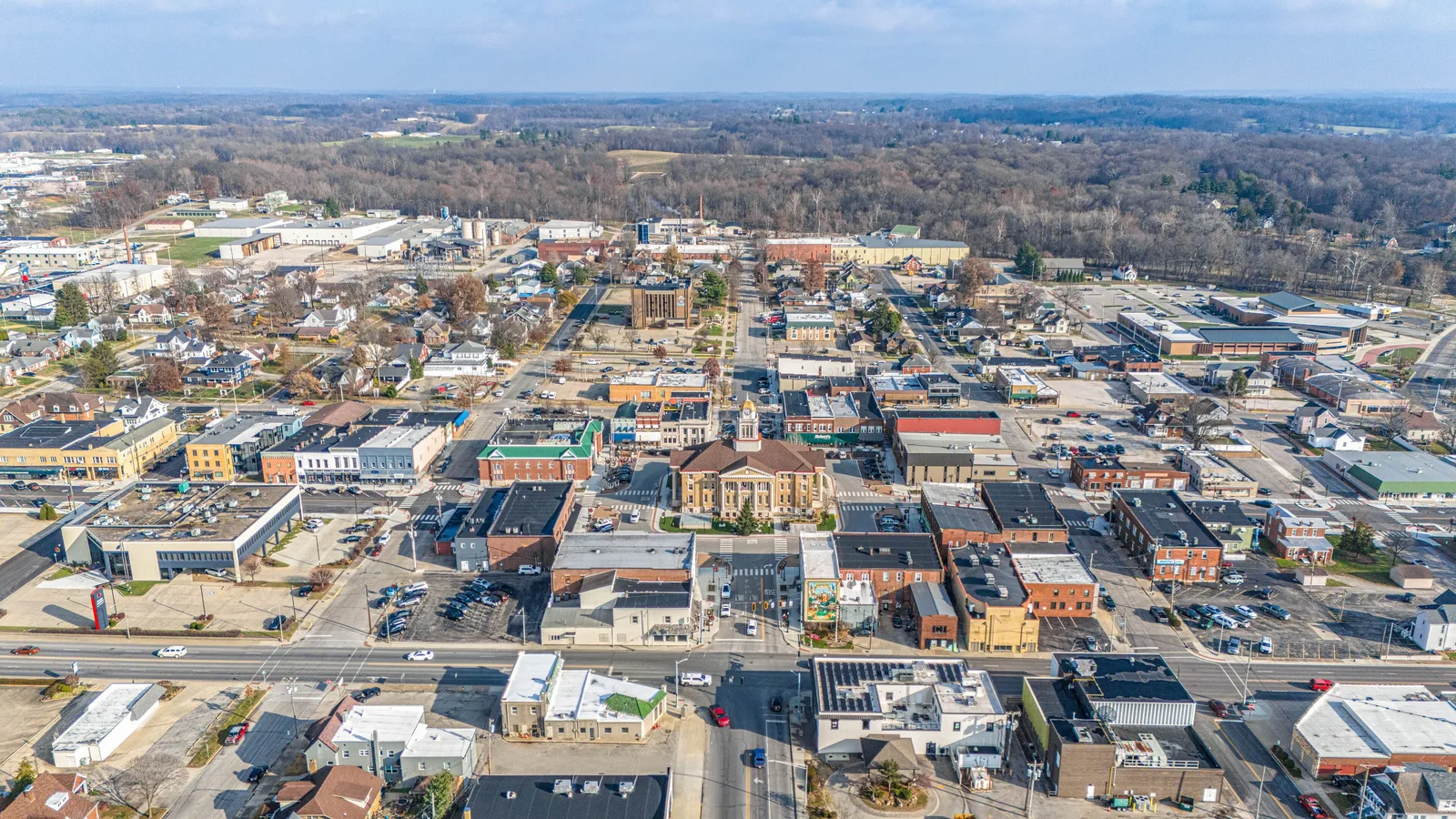
- Jasper - downtown Riverwalk district, historic neighborhoods near the courthouse square, and newer subdivisions on the north and west sides
- Huntingburg - Fourth Street historic district, League Stadium area, and surrounding residential blocks
- Ferdinand - homes near the Monastery Immaculate Conception and Ferdinand State Forest
- Holland, Birdseye, and Schnellville - small-town and rural properties on well and septic systems
- Ireland, Haysville, Dubois, Celestine, St. Anthony, and Kyana - farmsteads, older frame homes, and outbuildings
We also serve commercial clients including manufacturing plants, wood and furniture shops, medical offices, restaurants, schools, and multi-tenant buildings. Surrounding areas in Spencer, Perry, Pike, Daviess, Martin, and Orange counties fall within our response footprint as well.
Seasonal Damage Patterns in Dubois County
Restoration calls follow a predictable rhythm here. Knowing what season brings helps property owners prepare.
- January - February: Frozen and burst pipes lead the call volume, along with furnace puffbacks and chimney-related fire damage. Ice dams push meltwater under shingles into attics.
- March - April: Snowmelt combined with spring rain saturates clay soils. Flooded basements, sump pump failures, and sewage backups peak.
- May - June: Severe thunderstorms, hail, and tornado-producing systems bring wind-driven rain, roof breaches, and downed utility poles across the county.
- July - August: High humidity turns any lingering moisture into active mold growth. Lightning strikes cause attic and electrical fires.
- September - October: Remnants of tropical systems occasionally track through, and the first furnace startups reveal smoke and soot issues.
- November - December: Cooking fires, space heaters, holiday decorations, and early freezes drive fire and water damage together.
Mold removal requests, notably, arrive year-round because hidden moisture from a winter pipe break often surfaces as a summer odor complaint.
Housing Characteristics & Restoration Considerations
Dubois County housing spans more than a century of construction, and each era responds differently to water, fire, and smoke.
Common Construction Types
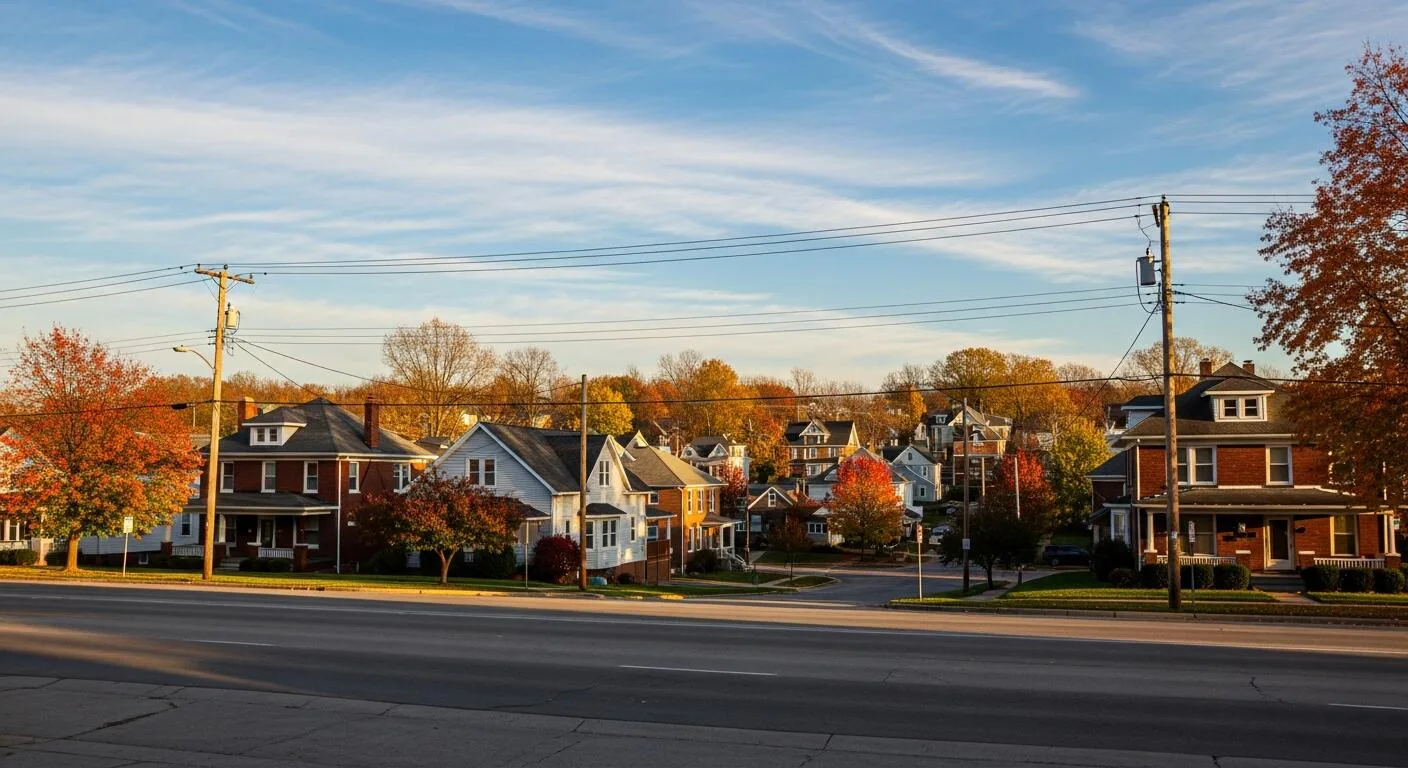
- Pre-1940 frame and brick homes in Jasper and Huntingburg with plaster-and-lath walls, balloon framing, and unfinished stone or block basements
- Post-war ranch homes with shallow crawl spaces, hardwood subfloors, and original cast-iron drain lines
- 1970s - 1990s split-levels and two-stories with finished lower levels, carpeted basements, and forced-air HVAC
- Newer subdivision builds using engineered lumber, OSB sheathing, and poured concrete foundations
- Rural farmhouses and outbuildings with metal roofs, pole-barn construction, and well-and-septic service
How Age Affects the Work
- Balloon framing lets fire, smoke, and odor travel vertically between floors, so inspection must extend well beyond the visible burn area
- Plaster holds water far longer than drywall and requires extended drying or controlled removal
- Finished basements hide moisture behind paneling and insulation - a primary source of mold complaints
- Older homes may contain asbestos-bearing floor tile, mastic, or pipe wrap that requires testing before demolition
- Crawl spaces with dirt floors and no vapor barrier stay damp long after a flooding event
- Cast-iron and clay sewer laterals crack and root-intrude, leading to repeat backups until the line is repaired
We document construction details during the initial inspection so drying plans, containment, and rebuild scopes match the actual building.
Environmental Conditions & Damage Implications
Local climate and geology shape how quickly damage spreads and how drying is approached.
Climate and Humidity
- Humid continental climate with hot, sticky summers regularly above 70 percent relative humidity
- Roughly 45 inches of annual precipitation, much of it in intense spring downpours
- Freeze-thaw cycling through winter that stresses foundations, mortar joints, and buried lines
- Summer dew points that make open-window drying counterproductive - closed-drying with dehumidification works better
Soil, Water, and Air
- Clay-rich soils with slow percolation hold water against foundation walls and push it through hairline cracks
- Karst features and limestone bedrock in parts of southern Indiana create unpredictable subsurface drainage
- Proximity to the Patoka River and its tributaries raises groundwater tables after sustained rain
- Hard well water leaves mineral scale that stresses water heaters and supply fittings
- Agricultural dust, pollen, and wood-processing particulate already burden indoor air, so smoke residue and mold spores compound existing sensitivities
What This Means for Restoration
- Mold colonies can establish within 24 to 48 hours in unconditioned summer air
- Basement drying requires sustained dehumidification rather than fans alone
- Sewage events on saturated ground demand full disinfection because contaminated water wicks into porous materials quickly
- Post-fire cleaning includes HVAC and duct work to keep soot from recirculating
What to Do in the First Hours After Storm, Fire, or Flood Damage in Dubois County
After a fire, flood, or severe storm, every minute matters. Dubois County residents have watched storms take down utility poles across the county, closing roads while crews restore lines - conditions that delay help and increase the risk of secondary damage. A clear plan keeps everyone safe and speeds the response.
Immediate Steps
- Confirm that everyone - family, employees, pets - is safe and away from harm.
- Contact emergency services if there is fire, injury, structural collapse, or a gas odor.
- Stay out of the property until it has been cleared for safety. Treat every downed line as energized.
- Avoid standing water that may be contaminated or in contact with electrical circuits.
- Photograph and video visible damage from a safe distance before anything is moved.
- Contact your insurance provider to open a claim and record the claim number.
- Call a professional restoration team so mitigation can begin immediately.
What Happens When Our Crew Arrives
- Safety assessment, utility verification, and tarping or board-up if the structure is open to weather
- Moisture mapping with meters and thermal imaging to find water behind walls and under floors
- Extraction, controlled demolition of unsalvageable materials, and placement of drying equipment
- Antimicrobial and disinfectant application where sewage or Category 3 water is involved
- Soot and smoke residue cleaning, content inventory, and odor treatment after fire events
- Daily monitoring with documented readings shared with you and your adjuster
Project Timelines
Timelines vary by damage type and severity. Minor water damage may be resolved in a few days, while fire or mold restoration can extend over several weeks depending on the rebuild scope. We provide a clear project timeline upfront and keep you informed at every stage, from first extraction through final reconstruction.