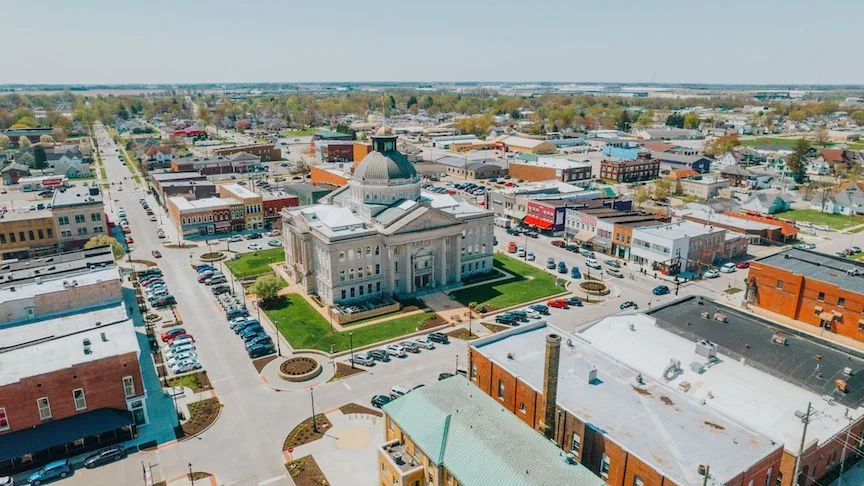
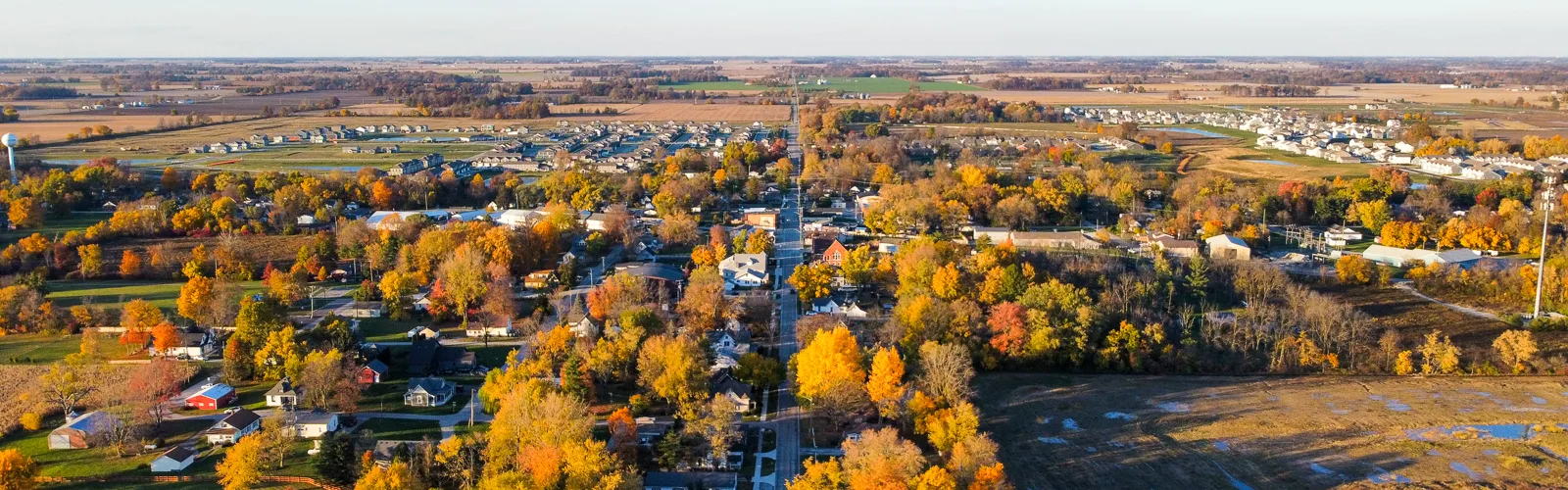
Damage Restoration in Boone County, IN
- Damage Restoration Services Overview
- Common Damage Restoration Issues in Boone County, Indiana
- Neighborhoods We Serve in Boone County
- Seasonal Damage Patterns in Boone County
- Housing Characteristics & Restoration Considerations
- Environmental Conditions & Damage Implications
- Advanced Drying, Deodorization, and Reconstruction Technology in Boone County
Damage Restoration Services Overview
Few things rattle a household like walking into standing water in the basement, smelling smoke long after the flames are out, or spotting dark growth spreading behind a baseboard. Property damage arrives without warning, and the hours that follow shape how much of your home and belongings can be saved.
Boone County property owners have access to a full spectrum of restoration work, delivered by crews that respond around the clock and handle recovery from the first extraction hose to the final coat of paint.
- Water Damage Restoration - extraction, structural drying, moisture mapping, and documentation for insurance claims
- Flooded Basement Cleanup - pump-out, sump and drain evaluation, content removal, and dehumidification of below-grade spaces
- Sewage Cleanup - removal of contaminated material, antimicrobial treatment, and safe disposal of Category 3 waste
- Fire Damage Restoration - emergency board-up, site stabilization, debris removal, structural repairs, and full rebuilds
- Smoke Damage Restoration - soot and residue cleanup, odor elimination, air purification, and contents cleaning
- Mold Removal - containment, air filtration, affected material removal, and moisture source correction
The benefit of a single team covering all six disciplines is continuity. Fire suppression leaves water behind; water left standing breeds mold; sewage backups combine both contamination and saturation. One crew that carries inventory, packing, cleaning, and reconstruction capability keeps your recovery moving instead of stalling between contractors, and coordinates directly with your insurance carrier throughout.
Common Damage Restoration Issues in Boone County, Indiana
Boone County sits on the flat, poorly draining till plains northwest of Indianapolis, where heavy clay soil sheds rainfall rather than absorbing it. That single geographic fact drives a large share of the restoration calls placed in Zionsville, Lebanon, and Whitestown each year.
Water and Basement Problems
- Saturated clay soil pressing against foundation walls, forcing water through cracks and cove joints
- Sump pump failure during multi-day rain events or power outages
- Frozen and burst supply lines in unheated crawl spaces and garages during January cold snaps
- Water heater and washing machine hose failures in finished lower levels
- Backed-up floor drains and sanitary sewer surcharges after intense storms
Fire, Smoke, and Mold Triggers
- Kitchen grease fires - the leading residential cause across central Indiana
- Electrical shorts in older Lebanon and Thorntown homes with aging panels or knob-and-tube remnants
- Chimney and wood stove issues in rural farmhouses during heating season
- Space heater and dryer vent ignitions in winter months
- Hidden mold behind drywall following slow supply-line leaks or unaddressed basement seepage
Warning Signs Worth Acting On
- Musty odor that intensifies after rainfall or when the HVAC runs
- Efflorescence, white chalky residue, or bubbling paint on foundation walls
- Cupping hardwood, soft subfloor spots, or staining at the base of drywall
- Gurgling drains or slow toilets signaling a partial sewer blockage
- Smoke odor returning on humid days, indicating residue still embedded in porous materials
Neighborhoods We Serve in Boone County
Crews cover the county's fast-growing suburban corridors and its rural townships alike.
- Zionsville - Village district historic homes, Holliday Farms, Austin Oaks, Cobblestone, and Stonegate
- Lebanon - downtown historic district, Prairie Ridge, Wynne Farms, and neighborhoods near Witham Health Services
- Whitestown - Anson, Walker Farms, Harvest Park, and the I-65 commercial and warehouse corridor
- Advance, Jamestown, Thorntown, and Ulen - smaller towns with older housing stock and well-and-septic properties
- Rural townships - Perry, Sugar Creek, Eagle, Union, Center, Marion, Washington, Worth, Clinton, Jefferson, Harrison, and Jackson
Service also extends to adjacent communities in Hamilton, Hendricks, Montgomery, and Clinton counties, plus northwest Marion County near the Zionsville line. Familiarity with local building departments, drainage patterns, and municipal sewer systems in each jurisdiction speeds permitting for reconstruction work.
Seasonal Damage Patterns in Boone County
Winter (December - February)
- Burst pipes during hard freezes, especially in crawl spaces and exterior walls
- Peak fire and smoke damage from heating equipment, fireplaces, and holiday cooking
- Ice damming on low-slope roof sections pushing meltwater into ceilings
Spring (March - May)
- Highest volume of flooded basements as saturated clay soil raises the water table
- Sump pump overload and sewer surcharge backups during thunderstorm clusters
- Mold colonies activating as indoor temperatures climb above 60 degrees
Summer (June - August)
- Storm-driven roof and window damage from straight-line winds
- Mold growth accelerating in humid, poorly ventilated basements and crawl spaces
- Condensation damage around undersized or oversized air conditioning systems
- Electrical fires tied to grid strain and lightning strikes
Fall (September - November)
- Clogged gutters and downspouts redirecting roof runoff against foundations
- First-use furnace and chimney fires when heating systems restart
- Ideal window for sump pump testing, drain cleaning, and moisture inspections before winter
Housing Characteristics & Restoration Considerations
Boone County's housing stock splits sharply between century-old structures and construction completed within the last two decades - and each group fails in different ways.
Older Homes (pre-1960, common in Lebanon, Thorntown, Jamestown, and Zionsville Village)
- Stone, brick, or block foundations with mortar joints that weep under hydrostatic pressure
- Plaster and lath walls that hold moisture far longer than drywall and require careful drying rather than demolition
- Original hardwood, trim, and millwork worth restoring instead of replacing
- Aging cast iron and galvanized drain lines prone to sewage backups
- Balloon framing that lets smoke and heat travel vertically through wall cavities
Newer Subdivisions (Whitestown, Anson, Holliday Farms, Prairie Ridge)
- Poured concrete basements finished as living space - drywall, carpet pad, and cabinetry absorb water immediately
- Engineered floor joists and OSB subfloor that lose structural integrity faster when saturated
- Tight building envelopes that trap humidity and smoke odor without mechanical intervention
- Second-floor laundry rooms where a failed supply hose damages three levels at once
Rural Properties
- Septic systems that surcharge into basements when drain fields saturate
- Well water supply with iron and sediment content that complicates extraction and cleaning
- Detached outbuildings and pole barns requiring separate stabilization after fire
- Longer response distances that make emergency board-up and tarping a priority
Restoration plans account for these differences from the start, with moisture readings taken behind plaster, under engineered flooring, and inside wall cavities before any drying strategy is set.
Environmental Conditions & Damage Implications
Central Indiana's climate creates a year-round moisture challenge that shapes every restoration decision made in Boone County.
Climate and Humidity
- Roughly 40 inches of annual precipitation, concentrated in spring and early summer
- Summer dew points frequently in the upper 60s and low 70s, keeping indoor relative humidity above the 60 percent mold threshold without dehumidification
- Freeze-thaw cycling that widens foundation cracks each winter
- Temperature swings that drive condensation inside wall cavities and on cold water lines
Soil and Groundwater
- Dense glacial till and Crosby-Brookston clay soils with slow percolation rates
- Shallow water tables in low-lying areas near Eagle Creek, Sugar Creek, and Prairie Creek
- Expansive clay that swells when wet, pressing against basement walls and reopening sealed cracks
- Drain fields and agricultural tile that back up during prolonged wet stretches
Air and Water Quality Effects
- Hard, mineral-rich groundwater that leaves residue and can accelerate pipe corrosion
- Agricultural dust and seasonal pollen loading HVAC filters, worsening post-fire particulate circulation
- Smoke residue that becomes acidic in humid conditions, etching glass, metal, and finished surfaces if cleanup is delayed
- Sewage contamination that spreads bacteria and endotoxins through porous materials within hours
These conditions mean drying targets in Boone County must be verified with meters rather than assumed, and mold prevention has to be built into every water and fire response - not treated as a separate job later.
Advanced Drying, Deodorization, and Reconstruction Technology in Boone County
Older restoration methods relied on fans, open windows, and guesswork. That approach leaves moisture trapped in wall cavities and smoke odor embedded in porous materials, which is why so many homeowners find problems resurfacing months later. Modern equipment solves what surface-level cleanup cannot.
Detection and Documentation Tools
- Thermal imaging cameras that reveal moisture migration behind drywall and under flooring without demolition
- Penetrating and non-penetrating moisture meters for baseline and daily progress readings
- Thermo-hygrometers tracking grain depth and relative humidity in each drying chamber
- Digital moisture mapping and photo logs that support insurance documentation
- Air sampling and surface swab testing to confirm mold conditions before and after remediation
Drying and Remediation Equipment
- Low-grain refrigerant and desiccant dehumidifiers sized to the affected cubic footage
- Axial and centrifugal air movers positioned for directed airflow across saturated assemblies
- Injectidry systems that force air into wall cavities, under hardwood, and beneath cabinetry
- Negative air machines with HEPA filtration for containment during mold and sewage work
- Truck-mounted and portable extraction units for high-volume basement pump-out
Odor and Contamination Control
- Hydroxyl generators and ozone treatment for smoke odor at the molecular level
- Thermal fogging to reach residue in the same pathways smoke originally traveled
- Soda and abrasive media blasting for charred framing and structural members
- EPA-registered antimicrobials applied after sewage extraction and affected material removal
- Ultrasonic cleaning for salvageable contents, electronics, and household items
Recovery Sequence
- Emergency response, site security, and hazard assessment
- Board-up, tarping, and structural stabilization
- Extraction, debris removal, and containment setup
- Soot, smoke, and odor treatment with industrial equipment
- Structural drying verified by daily moisture readings
- Contents inventory, packing, cleaning, and storage
- Rebuild and reconstruction to pre-loss condition
The payoff for Boone County homeowners is measurable: fewer materials thrown away, less secondary mold growth, cleaner indoor air after a fire, and a documented file that moves the insurance claim forward without repeated disputes.