
Damage Restoration in Whitestown, IN
- Damage Restoration Services Overview
- Common Damage Restoration Issues in Whitestown, Indiana
- Neighborhoods We Serve in Whitestown
- Seasonal Damage Patterns in Whitestown
- Seasonal Damage Patterns in Whitestown
- Housing Characteristics & Restoration Considerations
- Environmental Conditions & Damage Implications
- Sump Pumps, Sewer Laterals and Basement Protection in Boone County
Damage Restoration Services Overview
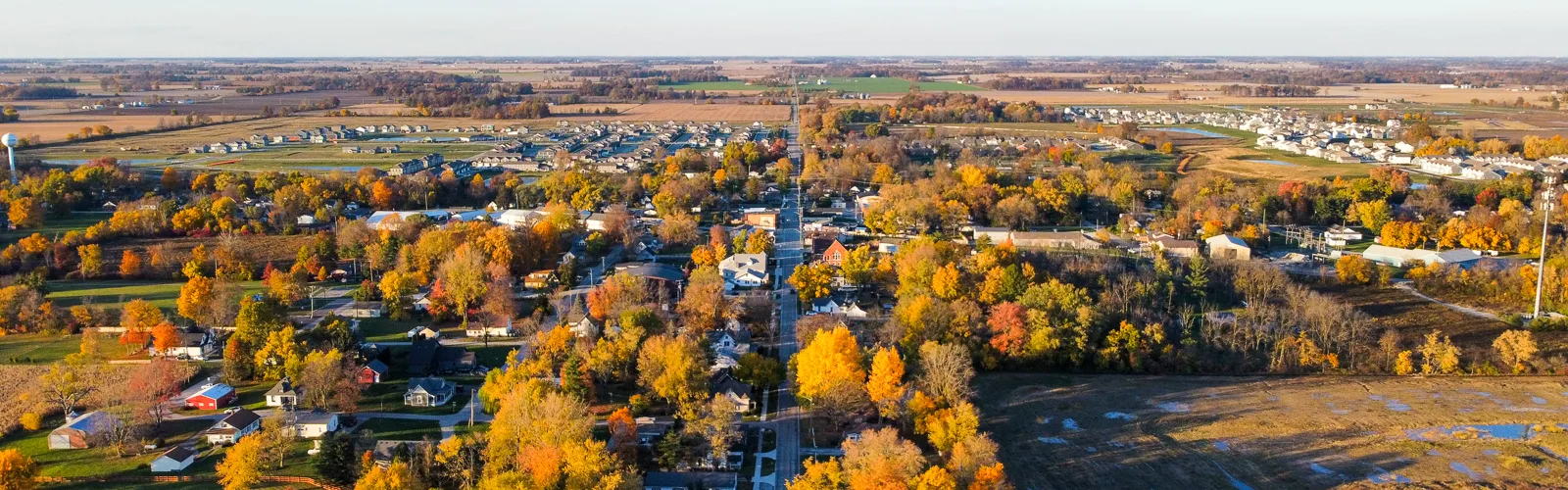
Whitestown sits in Boone County along the I-65 corridor, where rapid subdivision growth, flat farmland drainage and Indiana's swing between freezing winters and humid summers create a distinct set of property risks. New construction and older farmhouse-era homes sit side by side, and each responds differently when water, smoke or mold takes hold.
Property owners here rely on a full spectrum of restoration work, handled by technicians who follow IICRC drying, cleaning and remediation standards:
- Water Damage Restoration - extraction, structural drying and moisture mapping after supply line breaks, appliance failures and roof leaks.
- Flooded Basement - pump-out, content removal and dehumidification for below-grade spaces hit by sump pump failure or groundwater intrusion.
- Sewage Cleanup - Category 3 black water removal, disinfection and safe disposal of porous materials after backups.
- Fire Damage Restoration - debris removal, soot cleaning, structural stabilization and rebuild of damaged framing and finishes.
- Smoke Damage Restoration - odor neutralization, HVAC cleaning and treatment of surfaces far from the burn area.
- Mold Removal - containment, HEPA filtration, material removal and correction of the moisture source feeding growth.
Acting quickly protects framing, drywall, flooring and indoor air quality - and keeps a small loss from becoming a whole-home project.
Common Damage Restoration Issues in Whitestown, Indiana
Boone County's clay-heavy soil sheds water slowly, so heavy rain often ends up against foundations rather than soaking away. That single factor drives a large share of the calls in this area.
Frequent Causes of Loss
- Sump pump failures and power outages during spring thunderstorm cells moving across the I-65 corridor
- Frozen and burst supply lines in unheated garages, crawl spaces and bonus rooms
- Municipal and private lateral sewer backups after saturating rainfall
- Water heater, dishwasher and washing machine hose failures in second-floor laundry rooms
- Kitchen grease fires, chimney fires and holiday electrical overloads
- Lightning strikes and storm-driven roof damage that lets water into attics
Warning Signs Worth Investigating
- Musty odor in a finished basement, closet or along an exterior wall
- Efflorescence, chalky white staining or damp block at the base of foundation walls
- Buckling laminate, cupping hardwood or soft spots in subfloor
- Persistent smoke smell that returns when the furnace or air conditioner cycles
- Slow floor drains, gurgling toilets or backups in a basement bathroom
- Ceiling stains that change shape or grow after each rainfall
- Allergy-like symptoms that ease when occupants leave the house
Sewage and mold issues in particular tend to hide behind finished surfaces, which is why moisture meters and thermal imaging are used before demolition decisions get made.
Neighborhoods We Serve in Whitestown
Restoration crews respond throughout Whitestown and the surrounding Boone County communities, covering both established streets near the historic town center and the newer subdivisions expanding west of the interstate.
- Anson and the Perry Worth Road corridor
- Walker Farms and adjacent newer residential phases
- Harvest Park and nearby family neighborhoods
- Downtown Whitestown and the older homes near Main Street
- Maple Grove and surrounding platted developments
- Whitestown Parkway and Albert S. White Drive commercial districts
- Warehouse and distribution facilities along the I-65 industrial corridor
Service also extends to neighboring Zionsville, Lebanon, Brownsburg, Jamestown, Advance and the northwest edge of Marion County. Familiarity with local building stock, county permitting and utility layouts helps crews reach affected properties and begin extraction or containment without delay.
Seasonal Damage Patterns in Whitestown
Seasonal Damage Patterns in Whitestown
Indiana's weather calendar shapes which restoration service dominates each part of the year.
- December through February - Pipe freezes and burst lines top the list. Furnace, space heater and fireplace use raises fire and smoke damage risk, and puffback from oil or poorly maintained systems spreads soot through ductwork.
- March through May - Snowmelt combined with spring rain overwhelms sump pits and floor drains. Flooded basements and sewage backups peak, followed weeks later by the first mold complaints.
- June through August - Humidity above 60 percent indoors feeds mold on crawl space joists, basement drywall and behind vinyl wallpaper. Severe storms bring wind-driven rain, roof breaches and lightning-related fires.
- September through November - Cooling temperatures cause condensation on cold surfaces. Clogged gutters and downspouts send water toward foundations, while chimney and heating system startup drives early-season smoke incidents.
Off-season inspections - testing the sump pump before spring, having the chimney swept before fall, and checking supply lines before the first hard freeze - prevent a large share of these losses.
Housing Characteristics & Restoration Considerations
Whitestown has grown dramatically over the past two decades, so the housing stock splits into distinct groups that each restore differently.
- Newer subdivision homes (2005-present) - Tight building envelopes, engineered lumber, OSB sheathing and spray or blown insulation. Tight construction traps moisture, so mechanical drying and dehumidification matter more than open-air ventilation. Engineered joists lose strength quickly when saturated or fire-exposed.
- Late-century homes (1970s-1990s) - Poured or block foundations with finished basements, aging galvanized or polybutylene plumbing, and original sump systems nearing end of life. Common sources of flooded basement calls.
- Older town-center and farmhouse properties - Stone or block foundations, dirt or partial crawl spaces, balloon framing that lets smoke and fire travel vertically, and possible asbestos or lead in pre-1980 materials requiring testing before demolition.
How Construction Affects the Work
- Finished basements require removal of carpet pad, base trim and lower drywall after Category 2 or 3 water intrusion.
- Crawl spaces with vapor barrier gaps are recurring mold sources and often need liner replacement.
- Attached garages and shared attic spaces allow smoke to migrate into living areas, so odor treatment covers the whole structure.
- Open floor plans spread soot broadly, increasing the surface area needing cleaning after even a contained fire.
- Multi-level HVAC systems distribute mold spores and smoke particulate, making duct cleaning a standard step.
Environmental Conditions & Damage Implications
Local climate and ground conditions influence both how damage occurs and how drying is approached.
Climate
- Roughly 42 inches of annual precipitation, with the heaviest totals in spring and early summer
- Summer dew points regularly in the upper 60s, pushing indoor humidity into mold-friendly range
- Winter lows below freezing for extended stretches, with freeze-thaw cycles stressing foundations and plumbing
- Severe thunderstorm and tornado activity from April through July
Soil and Water
- Glacial till with high clay content - poor percolation, hydrostatic pressure against foundation walls
- Flat terrain and agricultural drainage tile that can surcharge during heavy rain
- Relatively hard water, contributing to scale in water heaters and appliance valves that eventually fail
- Seasonally high water tables in low-lying developments, keeping sump pumps cycling frequently
Air Quality Implications
- Elevated pollen and agricultural particulate in spring and fall compounds respiratory irritation from mold spores
- Tight modern envelopes limit natural air exchange, so post-fire smoke odor lingers without HEPA filtration and hydroxyl or ozone treatment
- Sewage backups introduce bacteria and endotoxins that require antimicrobial application and containment, not just water removal
Drying plans account for these conditions by monitoring grain-per-pound readings rather than relying on surface appearance alone.
Sump Pumps, Sewer Laterals and Basement Protection in Boone County
Because so much Whitestown restoration work starts below grade, understanding the systems that keep basements dry pays off before an emergency happens.
What Typically Fails
- Primary sump pump motor burnout during extended runtime
- No battery backup or water-powered backup during storm-related outages
- Discharge lines that freeze, clog or terminate too close to the foundation
- Check valve failure allowing water to cycle back into the pit
- Aging clay or cast iron laterals in older sections invaded by tree roots
- Missing backwater valve on basement fixtures
How Professional Response Unfolds
- Safety assessment - electrical hazards, contamination category and structural stability are evaluated first.
- Water extraction using truck-mounted or portable units, with contents inventoried and moved.
- Category determination - clean water, gray water or sewage - which dictates what can be salvaged and what must be disposed of.
- Controlled demolition of unsalvageable drywall, insulation and carpet pad, with flood cuts placed above the wick line.
- Antimicrobial application and, for sewage events, containment with negative air pressure and HEPA scrubbing.
- Structural drying with air movers and low-grain refrigerant dehumidifiers, documented with daily moisture readings.
- Clearance verification, then reconstruction of walls, flooring and trim.
Technicians document each stage for insurance carriers, including psychrometric logs, photos and material inventories. That record supports claims for water, sewage, fire and mold losses alike. Homeowners who add a backup pump, extend discharge lines well away from the foundation, install a backwater valve and keep gutters clear give themselves the strongest defense against the next heavy Indiana rainfall.





