Damage Restoration in LaPorte County, IN
- Damage Restoration Services Overview
- Common Damage Restoration Issues in LaPorte County, Indiana
- Neighborhoods We Serve in LaPorte County
- Seasonal Damage Patterns in LaPorte County
- Housing Characteristics & Restoration Considerations
- Environmental Conditions & Damage Implications
- Basement Water Protection and Sump System Readiness in LaPorte County
Damage Restoration Services Overview
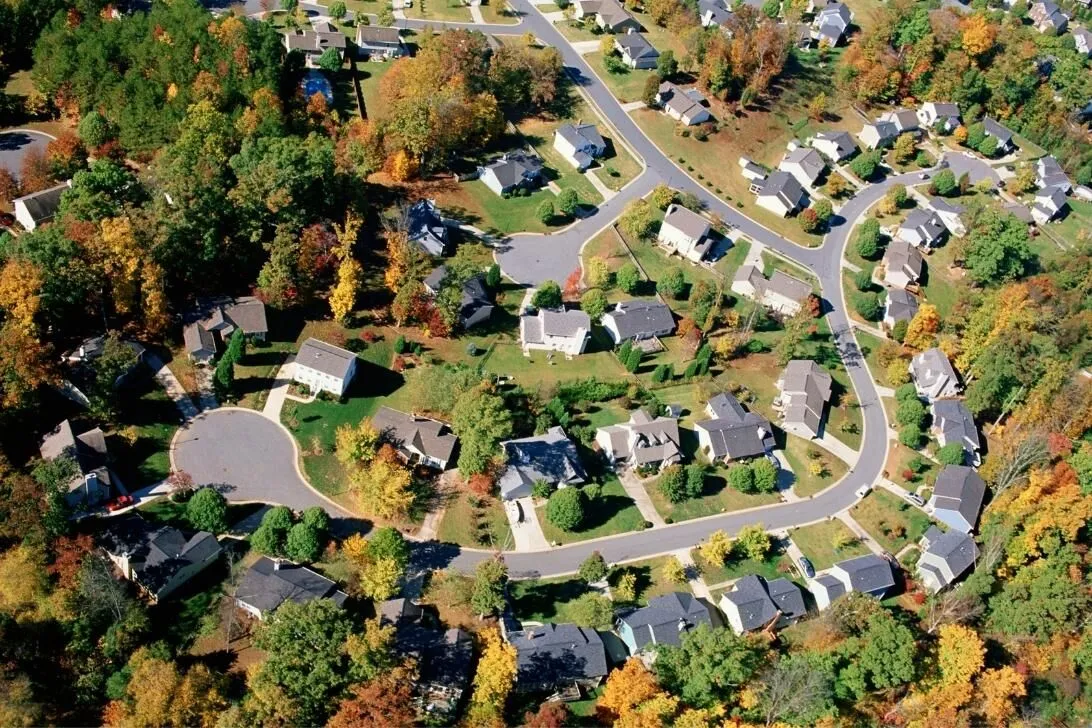
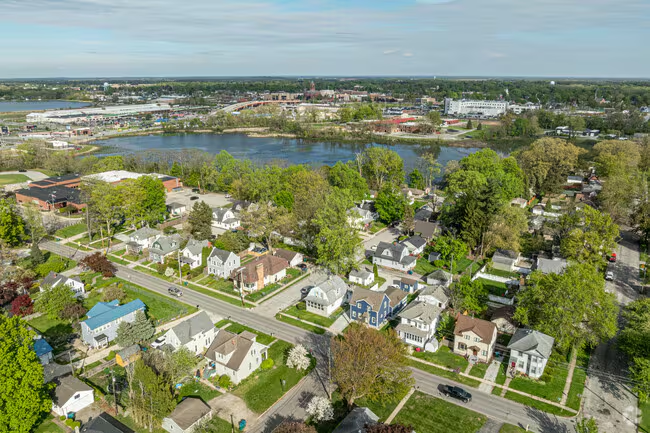
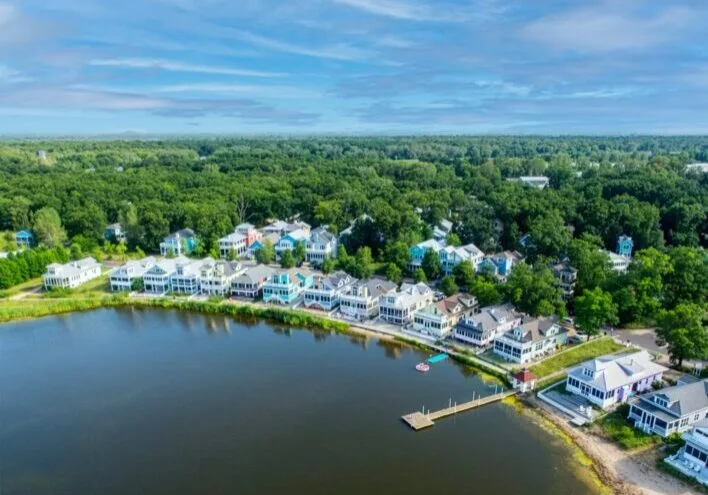
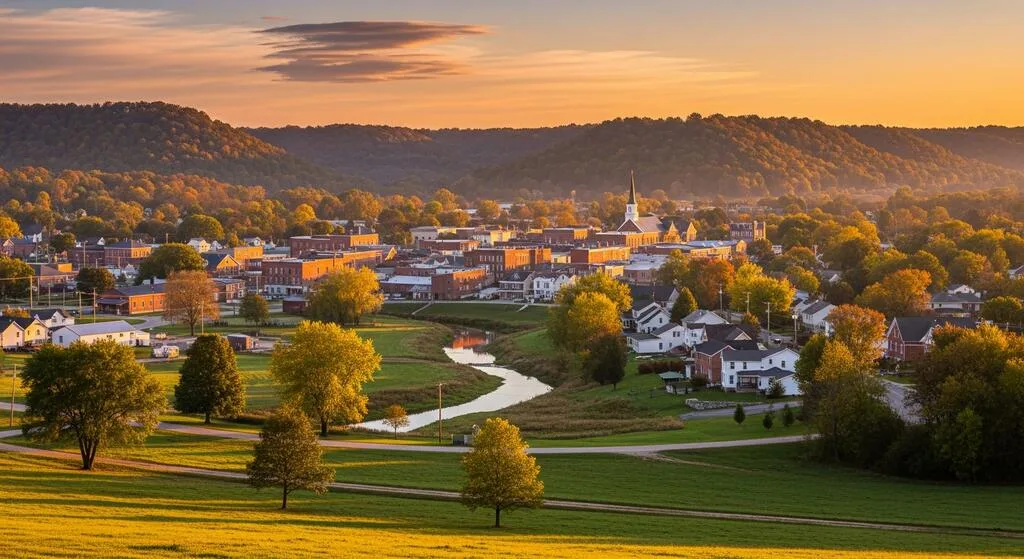
LaPorte County sits between Lake Michigan's shoreline and the flat farmland of northern Indiana, a combination that produces lake-effect snow, saturated spring soils, and humid summer air. Property owners in Michigan City, La Porte, Westville, and the rural townships in between face damage patterns that differ from those in central Indiana - and restoration work here has to account for that.
Local and regional providers, from independent contractors to franchise operations like SERVPRO and Rytech Restoration serving Lake and LaPorte counties, handle a full spread of emergency and remediation work:
- Water damage restoration - extraction, structural drying, and moisture mapping after pipe breaks, appliance failures, and roof leaks
- Flooded basement cleanup - pump-out, content removal, and drying for below-grade spaces common across older county housing stock
- Sewage cleanup - containment and sanitizing after backups from municipal lines, septic failures, or floor drain overflows
- Fire damage restoration - debris removal, structural cleaning, and rebuild coordination
- Smoke damage restoration - soot removal from surfaces, HVAC systems, and porous contents plus odor neutralization
- Mold removal - containment, affected material removal, and correction of the moisture source feeding growth
Acting quickly limits secondary damage. Wet drywall wicks moisture upward, soot becomes acidic and etches surfaces, and mold colonies expand within days when humidity stays elevated.
Common Damage Restoration Issues in LaPorte County, Indiana
The county's weather swings drive most of the emergency calls restoration crews respond to each year.
Primary Local Causes
- Frozen and burst pipes - lake-effect cold snaps hit unheated crawl spaces, garages, and exterior walls in older homes with thin insulation
- Spring thaw saturation - as frost leaves the ground, meltwater pushes against foundations and overwhelms sump systems
- Heavy summer downpours - fast rainfall exceeds storm sewer capacity in older neighborhoods, backing water into basements
- Septic and sewer backups - rural properties on aging septic fields and city homes on combined lines both see overflows during saturated conditions
- Heating-season fires - furnaces, wood stoves, space heaters, and chimney buildup account for a large share of winter fire calls
- Humidity-driven mold - July and August dew points near the lake keep basements and crawl spaces above the threshold where mold thrives
Warning Signs Worth Acting On
- Musty or earthy odor in a basement, closet, or crawl space
- Efflorescence - white chalky residue - on block foundation walls
- Bubbling paint, cupped hardwood, or soft spots in subfloor
- Slow floor drains or gurgling from fixtures when appliances discharge
- Rust staining at the base of water heaters or furnace stands
- Lingering smoke odor that returns when humidity rises or the HVAC runs
- Visible discoloration on joists, sill plates, or the back side of insulation
Neighborhoods We Serve in LaPorte County
Coverage extends across the county's cities, towns, and unincorporated areas:
- Michigan City - lakefront homes, Washington Park area, Long Beach, Sheridan Beach, and Duneland Beach
- La Porte - downtown, the lakes district around Pine Lake, Stone Lake, and Clear Lake, plus surrounding subdivisions
- Westville and Kingsbury - residential blocks and properties near the industrial park
- New Carlisle, Rolling Prairie, and Union Mills - small-town and farmstead properties
- Trail Creek, Pottawattamie Park, and Kingsford Heights
- Wanatah, Hanna, Mill Creek, and Springville
- Rural township properties throughout Center, Coolspring, Michigan, Scipio, and Cass townships
Adjacent service reaches into Porter and St. Joseph counties, including Chesterton, Valparaiso, and the western edge of the South Bend area.
Seasonal Damage Patterns in LaPorte County
Winter (December - February)
- Burst supply lines in crawl spaces and exterior walls during subzero stretches
- Ice dams on north-facing roof planes pushing water under shingles
- Peak fire and smoke damage season from heating equipment and chimney issues
Spring (March - May)
- Thaw and frost-leaving-the-ground conditions saturating soil around foundations
- Highest volume of flooded basement calls countywide
- Sewage backups as groundwater infiltrates lines and septic fields stay waterlogged
Summer (June - August)
- Storm-driven water intrusion from wind-damaged roofs and clogged gutters
- Mold growth accelerating in humid basements and crawl spaces
- Condensation damage where cooled air meets uninsulated ductwork
Fall (September - November)
- Leaf-clogged downspouts redirecting water toward foundations
- Early-season furnace startup fires and puff-back soot events
- Ideal window for sump pump testing, grading corrections, and moisture inspections
Housing Characteristics & Restoration Considerations
LaPorte County's building stock spans well over a century, and each era carries its own restoration challenges.
Common Construction Types
- Pre-1940 homes in downtown La Porte and Michigan City - balloon framing, plaster-and-lath walls, fieldstone or brick foundations
- Mid-century ranches - block basements, original cast iron drain lines, minimal wall insulation
- Lakefront cottages near Long Beach and the Pine Lake area - many converted from seasonal use, often with shallow crawl spaces
- Farmhouses and outbuildings in the rural townships - dirt-floor cellars, septic systems, and well water
- Newer subdivisions - poured foundations with finished basements holding carpet, drywall, and stored contents
How Age Affects the Work
- Balloon-framed walls let fire, smoke, and water travel vertically between floors, so crews open cavities and check upper levels even when damage appears contained.
- Plaster holds moisture longer than drywall and requires extended drying with targeted airflow rather than immediate demolition.
- Block foundations absorb water through their cores, often needing drilled weep holes for interior drying.
- Pre-1980 materials may contain asbestos or lead-based paint, requiring testing before demolition begins.
- Finished basements demand fast content removal and flood-cut drywall work to prevent mold behind the wall assembly.
- Septic-served properties need the drain field evaluated alongside interior sewage cleanup.
Environmental Conditions & Damage Implications
Climate
- Lake Michigan moderates temperatures but drives heavy lake-effect snowfall across the northern county
- Summer dew points frequently climb into the upper 60s and low 70s, keeping indoor relative humidity elevated
- Freeze-thaw cycling stresses foundations, masonry, and buried plumbing each winter
Soil and Groundwater
- Sandy dune soils near the lakeshore drain fast but shift and undermine footings
- Clay-heavy soils inland hold water against foundation walls and slow drainage
- Shallow water tables in low-lying areas push groundwater through cracks and cove joints
- Poorly draining lots make septic fields sluggish during wet stretches
Air and Water Quality Factors
- Well water in rural areas is often high in iron and hardness, leaving staining that complicates cleanup assessment
- Elevated indoor humidity supports mold species that colonize framing, insulation, and stored cardboard
- Smoke residue behaves differently by fuel source - protein soot from kitchen fires is nearly invisible but intensely odorous, while synthetic materials leave sticky black film
What This Means for Restoration
- Dehumidification runs longer here than in drier climates, especially July through September.
- Moisture meters and thermal imaging locate hidden water behind block and plaster before it feeds mold.
- Sewage cleanup includes antimicrobial treatment and disposal of porous materials that cannot be sanitized.
- Odor work often requires HVAC cleaning, sealing, and hydroxyl or ozone treatment after surface cleaning.
Basement Water Protection and Sump System Readiness in LaPorte County
Basements take the brunt of damage in this county. Between spring thaw, clay soils, and summer cloudbursts, the sump pump is often the single component standing between a dry finished basement and thousands of dollars in loss.
Annual Maintenance Checklist
- Pour a bucket of water into the sump pit and confirm the float triggers and the pump discharges fully.
- Inspect the discharge line for frozen sections, crushed pipe, or an outlet terminating too close to the foundation.
- Clear the pit of gravel, silt, and debris that can jam the impeller.
- Verify the check valve holds so water does not drain back into the pit.
- Test any battery backup and replace the battery on a regular schedule.
- Confirm gutters discharge at least several feet from the foundation and that grading slopes away.
Reducing Sewage Backup Risk
- Install a backwater valve on the main line if the home sits low relative to the street sewer
- Keep grease, wipes, and hygiene products out of drains that feed older cast iron or clay laterals
- Have septic tanks pumped on schedule and avoid heavy laundry loads during saturated ground conditions
- Watch for root intrusion in yards with mature maples and silver maples - common in older La Porte neighborhoods
If Water Enters Anyway
- Cut power to the affected area at the breaker before stepping into standing water.
- Treat any water contacting sewage as contaminated and keep people and pets out.
- Photograph conditions and contents before removal for insurance documentation.
- Move undamaged belongings to a dry level to prevent wicking.
- Call a restoration team so extraction and drying equipment can be placed while materials are still salvageable.
Requesting estimates from multiple local providers gives you a clearer picture of scope, equipment, and rebuild coordination before committing to a plan.