
Damage Restoration in La Porte, IN
- Damage Restoration Services Overview
- Common Damage Restoration Issues in La Porte, Indiana
- Neighborhoods We Serve in La Porte
- Seasonal Damage Patterns in La Porte
- Housing Characteristics & Restoration Considerations
- Environmental Conditions & Damage Implications
- What to Do in the First 24 Hours After Damage in La Porte
Damage Restoration Services Overview
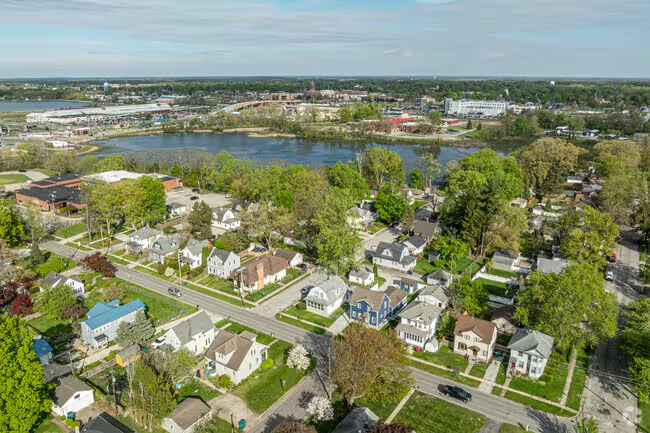
La Porte sits in a landscape shaped by water - lakes on nearly every side, clay-heavy soil, and lake-effect weather rolling in off Lake Michigan. That combination puts local homes and businesses at steady risk for basement flooding, saturated crawl spaces, and the hidden moisture problems that follow.
Restoration work here covers the full arc of a loss, from stopping the source to rebuilding what was lost. A broken supply line or burned-out sump pump has to be addressed before drying can begin - otherwise water keeps returning.
- Water Damage Restoration - extraction, structural drying, moisture mapping, and repair of affected materials
- Flooded Basement - pump failures, foundation seepage, storm surcharge, and frozen pipe breaks
- Sewage Cleanup - contaminated water removal, disinfection, and safe disposal of porous materials
- Fire Damage Restoration - structural cleaning, debris removal, plus the water damage created while the fire was fought
- Smoke Damage Restoration - soot removal, odor neutralization, HVAC and content cleaning
- Mold Removal - containment, remediation, and correction of the moisture source feeding growth
Benefits for La Porte property owners include faster drying before secondary damage sets in, documentation that supports insurance claims, and healthier indoor air once the work is finished.
Common Damage Restoration Issues in La Porte, Indiana
Local geography drives most of the calls. Properties near West Lake, Pine Lake, Stone Lake, and Clear Lake sit on ground with a high water table, so basements take on water even without a dramatic storm.
Frequent Causes of Loss
- Sump pump failure during heavy spring rain or a power outage
- Frozen and burst supply lines in uninsulated crawl spaces and exterior walls
- Foundation cracks and clay soil pressure pushing groundwater through basement walls
- Sanitary sewer backups when combined lines surcharge during downpours
- Failed water heaters, washing machine hoses, and dishwasher supply lines
- Kitchen fires, space heaters, chimney and wood stove issues during cold months
- Electrical faults in older knob-and-tube or aging service panels
Warning Signs Worth Acting On
- Musty odor in a basement or lower level that never fully clears
- Efflorescence, chalky white staining, or bubbling paint on foundation walls
- Cupping or darkening hardwood near exterior doors and appliances
- Soft drywall at the baseboard, or trim pulling away from the wall
- Slow floor drains, gurgling toilets, or backup at the lowest fixture in the house
- Lingering smoke odor that returns when the furnace or air conditioning runs
- Allergy-like symptoms that ease when occupants leave the property
Delay is the biggest multiplier of cost. Mold can begin colonizing damp organic material within a day or two, and soot becomes acidic as it sits, etching metal, glass, and finished surfaces.
Neighborhoods We Serve in La Porte
Coverage spans the city and the surrounding La Porte County communities, including lakefront properties, historic in-town districts, and rural acreage on well and septic systems.
- Downtown and the Lincolnway corridor - older commercial buildings and upper-floor apartments
- Pine Lake and Stone Lake shorelines - seasonal cottages, converted year-round homes, and walkout lower levels
- West Lake and Fox Memorial Park area - established residential streets with mature trees and older service lines
- East side near Beechwood Golf Course - postwar and newer subdivisions
- Neighborhoods around the Long Live La Porte mural and historic district - century-old homes with plaster and stone foundations
- Surrounding areas - Michigan City, Michiana Shores, Beverly Shores, Kingsbury, Rolling Prairie, Westville, Wanatah, Union Mills, Chesterton, and Valparaiso
Familiarity with local building stock and county drainage patterns shortens the diagnostic stage on every job.
Seasonal Damage Patterns in La Porte
Winter (December - February)
- Frozen and burst pipes during deep lake-effect cold snaps
- Ice dams forcing meltwater under shingles and into ceilings
- Peak season for fire and smoke damage from heating equipment and chimneys
Spring (March - May)
- Snowmelt plus rain overwhelming sump pumps and drain tile
- Flooded basements and sewage backups during saturated-ground storms
- Mold growth accelerating as temperatures climb into the humid range
Summer (June - August)
- Severe thunderstorms, wind-driven rain, and power outages disabling pumps
- High humidity feeding mold in crawl spaces and unconditioned basements
- Grill, fire pit, and electrical fires around outdoor living areas
Fall (September - November)
- Clogged gutters and leaf-packed downspouts sending water to the foundation
- First furnace runs circulating dust and revealing old smoke odor
- Ideal window for pre-winter inspection of pumps, hoses, and shutoff valves
Housing Characteristics & Restoration Considerations
La Porte's housing stock skews older than the national average, with a strong core of pre-1940 homes near downtown and a large band of postwar construction built out through the 1960s and 1970s. Newer subdivisions ring the edges of the city.
How Construction Age Shapes the Work
- Fieldstone and rubble foundations - highly porous, prone to seepage, and slow to dry without targeted airflow
- Plaster and lath walls - hold moisture behind the surface, often requiring cavity drying rather than demolition
- Balloon framing - lets water and smoke travel vertically between floors through open wall cavities
- Original hardwood floors - salvageable with specialty drying mats if addressed quickly
- Finished basements and rec rooms - carpet pad, paneling, and framed walls trap water against concrete
- Crawl spaces with dirt floors - constant vapor source that drives mold in the floor system above
- Older galvanized and cast iron plumbing - corrosion, pinhole leaks, and sluggish drains that lead to backups
Practical Implications
- Asbestos and lead considerations apply in pre-1980 materials, so testing precedes demolition
- Smoke odor lodges deeply in plaster, wood trim, and old ductwork and needs more than surface cleaning
- Insulation in older attics compacts when wet and rarely dries in place
- Lakefront and seasonal properties often sit unoccupied, letting small leaks become major losses
Environmental Conditions & Damage Implications
La Porte's climate is humid continental with a heavy lake-effect influence. Snow totals run high, summers are muggy, and swing seasons bring repeated freeze-thaw cycles that work on foundations.
Soil and Groundwater
- Glacial till with clay-rich layers holds water against foundation walls instead of draining it away
- Sandy pockets near the lakes and moraine areas allow fast infiltration and high water tables
- Low-lying parcels near lake outlets and creeks see hydrostatic pressure through slab joints and cracks
- Freeze-thaw movement widens existing cracks each winter
Humidity, Air, and Water
- Summer dew points regularly push indoor humidity past the level where mold thrives
- Unconditioned basements stay cool, so warm humid air condenses on walls, ducts, and stored items
- Hard water and mineral content contribute to appliance and water heater failures
- Rural properties on septic systems face backup risk when drain fields saturate
- Agricultural dust and pollen load HVAC filters, worsening air quality after a smoke event
Restoration Response
- Measure moisture in materials and monitor ambient humidity throughout drying
- Use dehumidification sized to the space rather than fans alone
- Contain affected zones with negative air pressure and HEPA filtration
- Correct the underlying moisture source - grading, drain tile, pump, or vapor barrier
- Verify dryness with documented readings before rebuilding
What to Do in the First 24 Hours After Damage in La Porte
The choices made in the first day usually decide whether a loss stays contained or spreads. Local crews familiar with La Porte's older foundations and lake-influenced humidity can move straight to the likely source instead of guessing.
Immediate Steps for Water and Basement Flooding
- Shut off the water supply at the main valve if a pipe or appliance is the source
- Cut power to affected areas at the breaker before stepping into standing water
- Move furniture, boxes, and documents to a dry level
- Photograph everything before anything is removed - this supports the claim
- Call for extraction rather than waiting to see if the water recedes on its own
Sewage Backups
- Keep people and pets out of the area entirely - Category 3 water carries pathogens
- Stop using fixtures upstream of the backup
- Expect porous materials such as carpet, pad, and drywall to be removed rather than cleaned
- Allow full disinfection and antimicrobial treatment before any rebuild
After a Fire
- Wait for the fire department to release the structure before re-entry
- Address firefighting water immediately - it often causes more damage than the flames
- Avoid wiping soot from walls, which grinds particles deeper into finishes
- Leave the HVAC system off so soot is not redistributed through the ductwork
- Set aside undamaged contents for off-site cleaning and deodorization
Why Local Response Matters
Crews working La Porte County know which neighborhoods sit on stone foundations, where sanitary lines surcharge in a hard rain, and how quickly lakefront humidity turns a small leak into a mold problem. That knowledge shortens the path from first call to a dry, clean, restored property - day or night, year-round.





