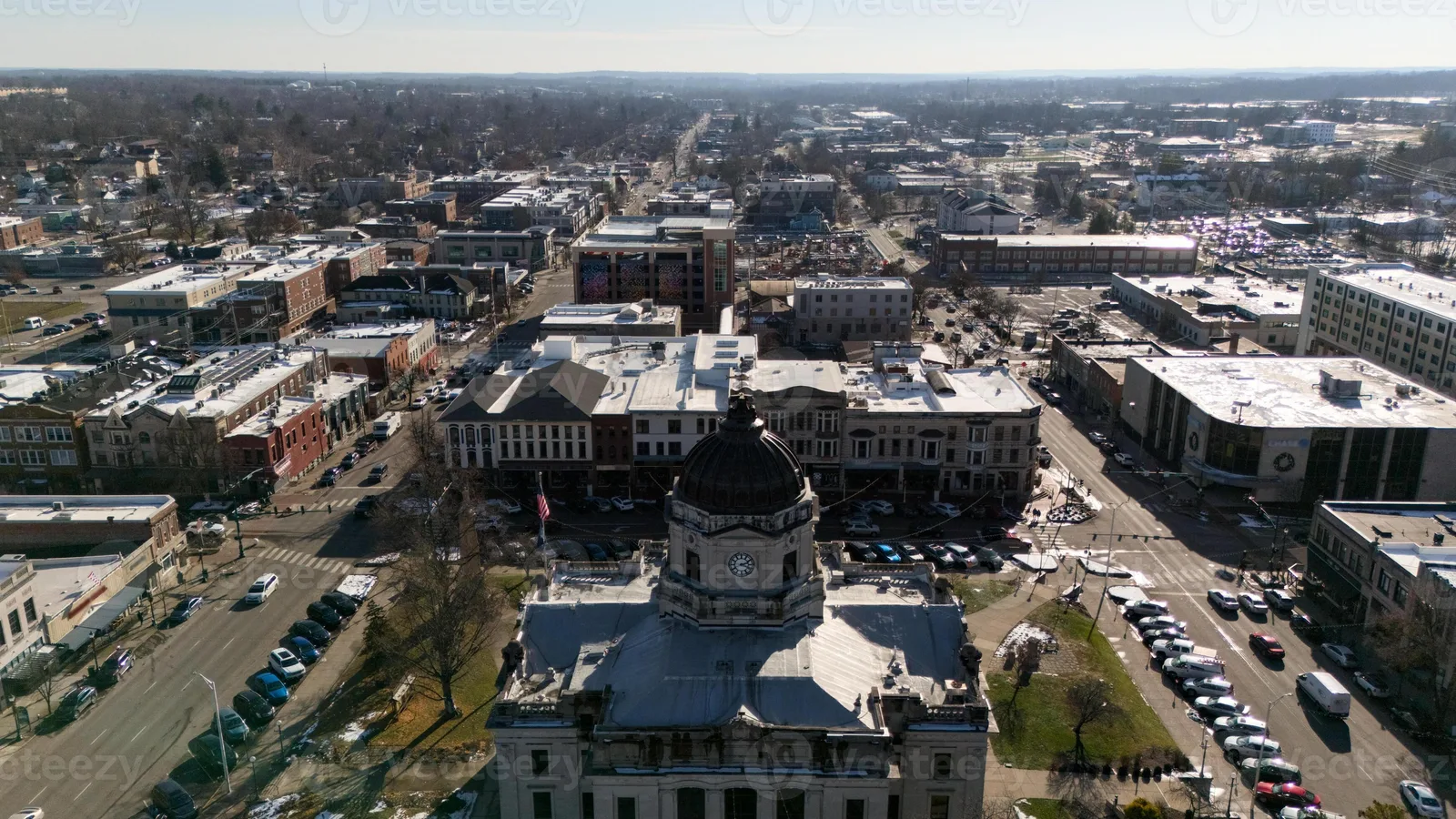
Damage Restoration in Monroe County, IN
- Damage Restoration Services Overview
- Common Damage Restoration Issues in Monroe County, Indiana
- Neighborhoods We Serve in Monroe County
- Seasonal Damage Patterns in Monroe County
- Housing Characteristics & Restoration Considerations
- Environmental Conditions & Damage Implications
- Fire, Smoke, and Storm Recovery: From Board-Up to Rebuild in Monroe County
Damage Restoration Services Overview
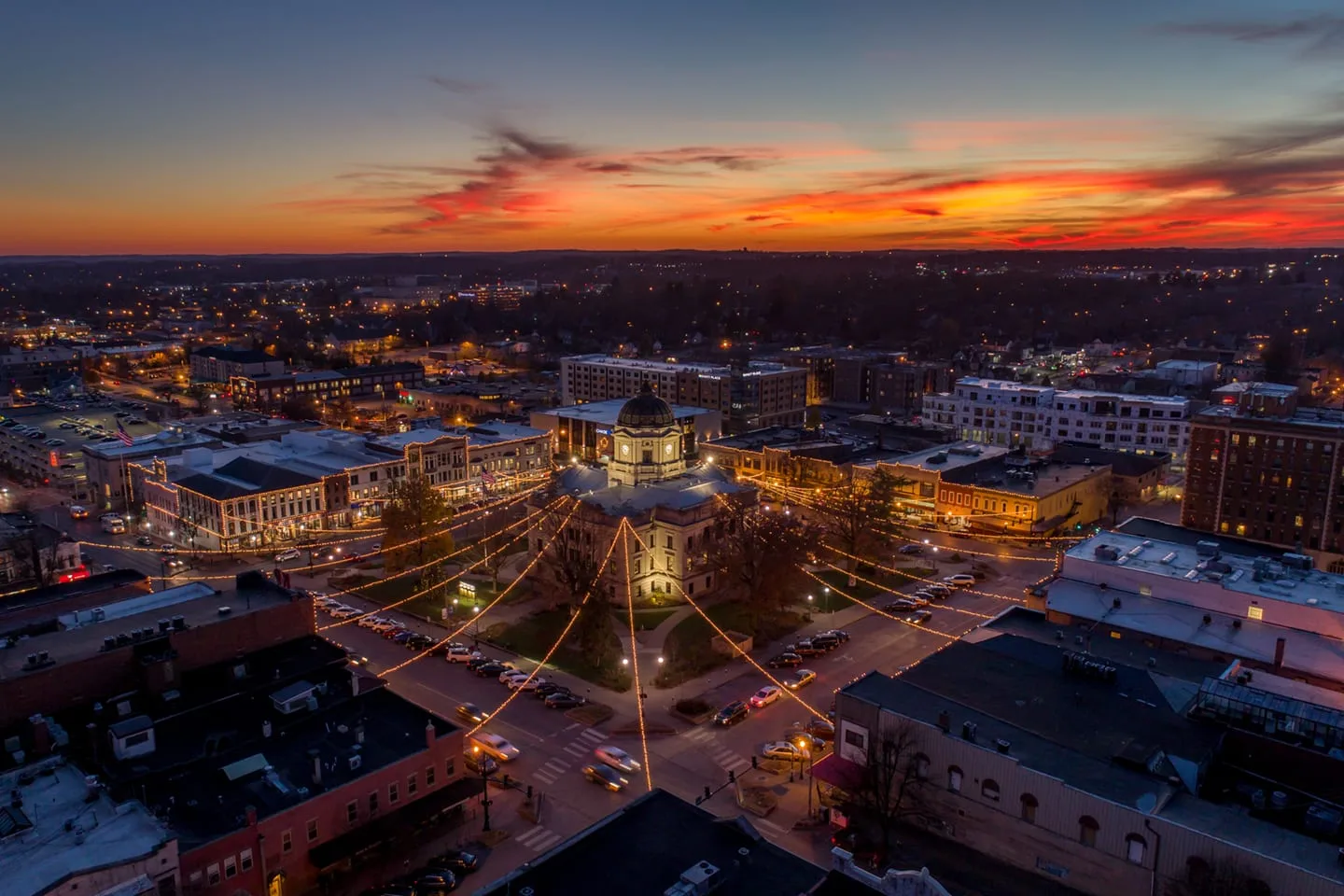
Damage that sits untreated rarely stays contained. A damp subfloor in a Bloomington bungalow becomes a warped joist, then a mold colony, then a structural repair that touches half the house. Soot left on painted drywall etches permanently within days, and sewage residue continues releasing bacteria and odor long after standing water is gone.
Acting early is what separates a straightforward cleanup from a full reconstruction. Monroe County property owners have access to a complete range of restoration work under one coordinated process:
- Water Damage Restoration - extraction, infrared moisture mapping, controlled drying, and structural repair
- Flooded Basement Cleanup - pump-out, content removal, foundation drying, and dehumidification
- Sewage Cleanup - containment, contaminated material removal, antimicrobial treatment, and sanitizing
- Fire Damage Restoration - board-up, debris removal, soot cleaning, and rebuild by certified technicians
- Smoke Damage Restoration - surface cleaning, HVAC decontamination, and odor neutralization
- Mold Removal - spore testing, containment barriers, remediation, and moisture source correction
Benefits for local homeowners and business owners include reduced repair scope, better documentation for insurance claims, preserved personal property, and healthier indoor air for families, students, and employees across the county.
Common Damage Restoration Issues in Monroe County, Indiana
Monroe County sits on limestone karst terrain with rolling hills, quick-draining ridges, and low areas that collect runoff fast. That geology drives a distinctive mix of restoration calls.
Frequent Local Causes
- Heavy spring rain overwhelming hillside drainage in neighborhoods around Clear Creek and Salt Creek
- Groundwater intrusion through limestone block and poured foundations after saturated soil events
- Sump pump failure during multi-day storms, leading to flooded basements
- Aging clay and cast-iron sewer laterals in older Bloomington neighborhoods, causing backups
- Frozen and burst supply lines in unheated crawl spaces and rental properties over winter break
- Kitchen fires, space heater fires, and chimney flue issues in older homes with original wiring
- Wind and hail damage from severe weather that opens roofs to secondary water intrusion
Warning Signs Worth Acting On
- Musty odor in a basement or crawl space that lingers after the weather clears
- Cupping hardwood, peeling baseboard paint, or tile that sounds hollow underfoot
- Efflorescence, white chalky streaks, or dark staining on foundation walls
- Gurgling floor drains or slow toilets - often the first hint of a sewer backup
- Yellow-brown ceiling rings after storms, indicating roof or flashing failure
- Soot film on windows, lampshades, or return air vents after any small fire
- Allergy-style symptoms that improve when occupants leave the building
Neighborhoods We Serve in Monroe County
Coverage spans the entire county, from dense in-town blocks to rural properties on well and septic systems.
- Bloomington - Downtown, Prospect Hill, Bryan Park, Elm Heights, Near West Side, Sherwood Oaks, Winslow Farm, and the areas surrounding Indiana University
- Ellettsville and the Richland Township corridor along State Road 46
- Unionville, Bean Blossom, and Lake Monroe shoreline communities
- Smithville, Sanders, Clear Creek, and Harrodsburg in the southern half of the county
- Stinesville, Gosport edge properties, and rural Bean Blossom Township
- Van Buren, Perry, Bloomington, Indian Creek, Polk, Salt Creek, and Benton Townships
Service also extends to nearby Owen, Greene, and Brown County properties, along with commercial buildings, student rentals, churches, and small businesses throughout the region.
Seasonal Damage Patterns in Monroe County
Winter (December - February)
- Burst pipes in crawl spaces, garages, and vacant student housing during hard freezes
- Peak fire and smoke damage season from furnaces, wood stoves, and space heaters
- Ice dams pushing meltwater under shingles and into attic insulation
Spring (March - May)
- Highest volume of flooded basements as saturated karst soil forces water through foundations
- Sewer backups when heavy rain overloads older collection lines
- Storm damage from wind, hail, and downed limbs opening roofs
Summer (June - August)
- Mold growth accelerates in humid crawl spaces and closed-up basements
- AC condensate line clogs and overflowing drain pans causing ceiling damage
- Water heater and appliance supply line failures in vacant summer rentals
Fall (September - November)
- Chimney and flue fires during the first cold snap
- Clogged gutters from leaf fall redirecting water against foundations
- Residual mold discovered as heating systems circulate spores through the home
Housing Characteristics & Restoration Considerations
Monroe County housing stock ranges widely, and each type responds differently to water, fire, and microbial damage.
Older Homes (pre-1950)
- Common in Elm Heights, Prospect Hill, and near-campus blocks
- Limestone and stone foundations with mortar joints that wick moisture
- Plaster-and-lath walls that hold water far longer than drywall and require slower, monitored drying
- Original wiring and older heating equipment that raise fire risk
- Balloon framing that allows smoke and fire to travel vertically between floors
Mid-Century and Suburban Homes (1950s - 1990s)
- Block or poured basements and vented crawl spaces prone to standing water
- Finished basements with carpet pad, paneling, and insulation that must be removed after contaminated water
- Cast-iron and clay sewer laterals nearing the end of service life
Newer Construction and Multifamily
- Tighter building envelopes trap humidity and hold smoke odor in HVAC systems
- Engineered wood subfloors and OSB that swell quickly when wet
- Stacked units where one supply line failure affects multiple apartments
Rural Properties
- Private wells and septic systems - backups require septic assessment alongside sewage cleanup
- Longer response distances make board-up and tarping a priority to prevent secondary damage
Environmental Conditions & Damage Implications
The local environment shapes how damage develops and how restoration must be handled.
Climate and Humidity
- Warm, humid summers keep indoor relative humidity elevated, feeding mold growth in crawl spaces
- Freeze-thaw cycling stresses foundations, pipes, and mortar joints each winter
- Annual rainfall arrives in heavy bursts, spiking flooded basement calls
Karst Geology and Soils
- Limestone bedrock with sinkholes, springs, and underground conduits moves water unpredictably
- Clay-heavy surface soils drain slowly and press hydrostatic pressure against foundation walls
- Sinkhole-connected drainage means contaminated water can affect groundwater quickly, making sewage cleanup a public health concern, not just a cleanup task
Air Quality Considerations
- High pollen and mold spore counts in spring and fall compound indoor air issues after water damage
- Smoke residue combines with humidity to reactivate odors on warm days, requiring thermal fogging or hydroxyl treatment
- Negative air machines and HEPA filtration keep spores and soot from spreading to unaffected rooms
Water Conditions
- Hard water and mineral deposits shorten the life of water heaters, valves, and supply lines
- Lake Monroe proximity raises humidity and flood exposure for shoreline properties
Fire, Smoke, and Storm Recovery: From Board-Up to Rebuild in Monroe County
After a fire or a severe storm, the damage that shows up on day one is only part of the story. Water from suppression efforts soaks into framing, soot migrates into ductwork, and an open roof invites rain, animals, and further loss. Coordinated cleanup and rebuild by certified technicians keeps those secondary problems from multiplying.
How the Process Typically Unfolds
- Emergency response - crews stabilize the structure, shut off utilities as needed, and assess safety
- Board-up and tarping - openings are secured to protect against weather and unauthorized entry
- Water extraction and drying - suppression water is removed before it feeds mold growth
- Debris and content removal - unsalvageable materials are documented and hauled out
- Packout and property restoration - electronics, artwork, textiles, and keepsakes are cleaned and stored off-site
- Soot and smoke cleaning - surfaces, framing, and HVAC systems are cleaned with residue-specific methods
- Odor neutralization - sealing, fogging, and air scrubbing address smells trapped in porous materials
- Reconstruction - framing, drywall, flooring, cabinetry, and finish work return the property to pre-loss condition
Why Storm Work Overlaps With Every Other Service
- Wind-damaged roofs lead directly to water damage restoration and ceiling replacement
- Power outages disable sump pumps, turning a storm into a flooded basement claim
- Overwhelmed sewer lines during the same event create sanitation hazards requiring sewage cleanup
- Delayed drying after any of the above triggers mold removal weeks later
Handling all of it through one team means documentation stays consistent for insurance, moisture readings are tracked from start to finish, and Monroe County property owners are not left coordinating separate contractors during an already difficult stretch.