
Damage Restoration in Bloomington, IN
- Damage Restoration Services Overview
- Common Damage Restoration Issues in Bloomington, Indiana
- Neighborhoods We Serve in Bloomington
- Seasonal Damage Patterns in Bloomington
- Housing Characteristics & Restoration Considerations
- Environmental Conditions & Damage Implications
- Working With Insurance and Campus-Area Property Owners in Bloomington
Damage Restoration Services Overview
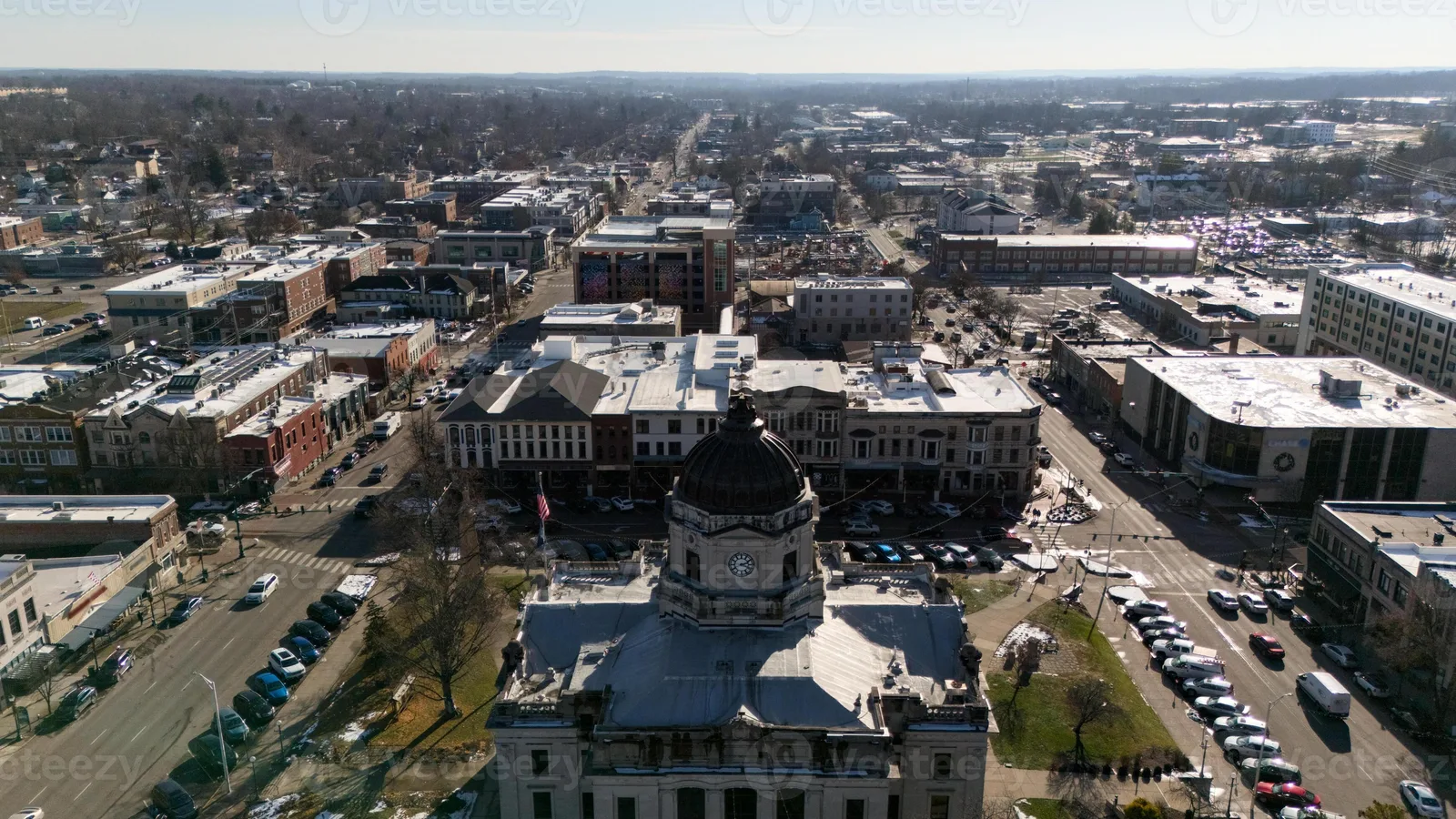
Water spreads through drywall, subfloor, and insulation within minutes, and smoke residues start etching into metal and glass within hours. When disaster affects your Bloomington, Indiana home or business, the speed of the first response often determines whether materials are dried and saved or torn out and replaced.
Our local team has served Southwestern Indiana since 2013, and our IICRC-certified technicians respond around the clock across Monroe County.
- Water Damage Restoration - moisture mapping, extraction, structural drying, and dehumidification using calibrated meters and thermal imaging.
- Flooded Basement Cleanup - pumping standing water, drying foundation walls and slabs, and salvaging stored belongings.
- Sewage Cleanup - safe removal of Category 3 contaminated water, disposal of porous materials, and antimicrobial treatment.
- Fire Damage Restoration - emergency board-up, debris removal, structural cleaning, and coordination of reconstruction.
- Smoke Damage Restoration - soot removal from surfaces, contents cleaning, and odor neutralization at the source.
- Mold Removal - containment, HEPA filtration, affected material removal, and correcting the moisture problem that fed the growth.
Every disaster, regardless of size, leaves a feeling of lost control. Our goal is straightforward: stabilize the property, communicate clearly with your insurance carrier, and return your home or business to a safe, clean condition.
Common Damage Restoration Issues in Bloomington, Indiana
Bloomington's limestone-country terrain, mature housing stock, and heavy student rental population create a distinct mix of restoration calls. Rolling hills push runoff toward foundations, and older homes near campus were rarely built with modern drainage in mind.
Frequent Causes We See Locally
- Hillside runoff and saturated clay soil forcing water through basement walls and cove joints
- Failed or overwhelmed sump pumps during spring thunderstorm clusters
- Aging cast iron and clay sewer laterals in older near-campus neighborhoods backing up into basements
- Frozen and burst supply lines in unheated crawl spaces during January cold snaps
- Kitchen grease fires and unattended cooking in multi-unit rentals and Greek houses
- Space heater and fireplace fires during Monroe County's coldest weeks
- Hidden mold behind vinyl wallpaper, under carpet padding, and inside wall cavities
Warning Signs Worth Acting On
- Musty odor in a basement or closet that returns after airing out the space
- Buckling baseboards, cupped hardwood, or bubbling paint along a lower wall
- Water rings on ceilings under bathrooms or roof valleys
- Slow drains in multiple fixtures at once - often the first hint of a lateral blockage
- Lingering smoke odor that reappears on humid days after a small kitchen fire
- Unexplained allergy symptoms that improve when occupants leave the building
Catching these early usually means drying rather than demolition, and containment rather than full remediation.
Neighborhoods We Serve in Bloomington
Our crews cover the full city and the surrounding Monroe County communities, including rural properties on well and septic systems.
- Downtown, the Courthouse Square district, and the Buskirk-Chumley Theater corridor
- Bryan Park, Elm Heights, and Prospect Hill historic areas
- Near West Side, Broadview, and Crestmont
- The Indiana University campus area, Greek housing along Third and Jordan, and student rentals near Kirkwood
- Renwick, Sherwood Oaks, Winslow Farm, and Park Ridge on the east side
- Southwest Bloomington, Batchelor Heights, and the Clear Creek corridor
- Ellettsville, Unionville, Smithville, Harrodsburg, Stinesville, and Lake Monroe properties
Knowing the difference between a 1920s Elm Heights foundation and a 2005 slab build in Renwick changes how we approach drying, containment, and reconstruction on every job.
Seasonal Damage Patterns in Bloomington
Restoration needs in Monroe County follow a predictable rhythm, which helps property owners plan preventive maintenance.
Winter (December - February)
- Burst pipes in crawl spaces, garages, and vacant student rentals over winter break
- Peak fire and smoke damage season from heating equipment, fireplaces, and cooking
- Ice damming on low-slope roofs causing ceiling water intrusion
Spring (March - May)
- Heaviest flooded basement volume as thaw and storms saturate clay soils
- Sump pump failures and sewer backups when the system takes on stormwater
- Mold growth beginning in basements and crawl spaces as humidity climbs
Summer (June - August)
- Peak mold removal season - high dew points feed growth behind walls and under flooring
- Storm-driven roof leaks and wind damage
- Air conditioning condensate line clogs causing hidden ceiling and closet water damage
Fall (September - November)
- Clogged gutters from heavy leaf fall redirecting water to foundations
- Furnace startup puff-backs leaving soot throughout ductwork and living spaces
- Move-in and move-out turnover revealing long-hidden moisture damage in rentals
Housing Characteristics & Restoration Considerations
Bloomington's building stock ranges from century-old bungalows and limestone-accented homes near campus to modern subdivisions on the east and south sides. That variety means no two restoration plans look alike.
Older Homes (Pre-1960)
- Plaster and lath walls hold moisture longer than drywall and require slower, monitored drying
- Stone and block foundations wick groundwater, making flooded basement work a drying-plus-drainage conversation
- Original clay or cast iron sewer laterals raise the odds of sewage backups
- Knob-and-tube remnants and old wiring increase electrical fire risk
- Hardwood floors are often salvageable with mat drying rather than replacement
Mid-Century and Newer Construction
- Finished basements with carpet, drywall, and framing trap water against foundation walls
- Crawl space builds are prone to standing water, insulation collapse, and subfloor mold
- Slab-on-grade homes hide supply line leaks until flooring visibly lifts
- Tighter building envelopes hold smoke odor and humidity in without mechanical intervention
Student Rentals, Greek Houses, and Commercial Buildings
- High-occupancy kitchens and laundry rooms generate frequent water and fire losses
- Shared walls and stacked plumbing spread damage across multiple units quickly
- Large properties benefit from coordinated deep cleaning alongside restoration so buildings are move-in ready
As Bloomington locals, our team knows regional building codes, which keeps reconstruction both effective and compliant.
Environmental Conditions & Damage Implications
Southern Indiana's climate and geology work against building materials in ways that directly shape restoration strategy.
Climate Factors
- Roughly 45 inches of annual precipitation, with spring often the wettest stretch
- Summer dew points regularly in the 60s and 70s - prime conditions for mold colonization within 24 to 48 hours of a leak
- Freeze-thaw cycling that stresses pipes, mortar joints, and foundation cracks
- Severe thunderstorm and occasional tornado activity producing wind-driven rain intrusion
Soil and Groundwater
- Karst limestone geology with sinkholes, springs, and unpredictable subsurface water movement
- Dense clay soils that hold water against foundations instead of draining away
- Hillside lots that channel runoff toward walkouts and basement window wells
- High water tables in low-lying areas near Clear Creek and Jackson Creek
Air Quality and Indoor Environment
- Radon is common in Monroe County, so basement work should account for existing mitigation systems
- Smoke particulates travel through HVAC systems and settle in ductwork, requiring source removal rather than masking
- High summer humidity slows natural drying, making commercial dehumidification necessary rather than optional
- Sewage events introduce bacteria that demand full PPE, containment, and disposal of porous materials
We monitor temperature, relative humidity, and material moisture content daily until documented drying goals are met.
Working With Insurance and Campus-Area Property Owners in Bloomington
A restoration project rarely stops at drying equipment. Most Bloomington losses involve an insurance claim, and for landlords, Greek houses, and commercial owners near Indiana University, they also involve tenants, schedules, and occupancy deadlines.
How We Handle the Claims Process
- Document the loss on arrival with photos, moisture readings, and a room-by-room scope
- Communicate directly with your adjuster so the scope and the estimate match
- Track daily drying logs that show what was saved and why materials were removed
- Separate salvageable contents from unsalvageable and inventory both
- Coordinate reconstruction so restoration and rebuild stay on one timeline
Why Campus-Area Properties Need a Different Approach
- Semester turnover leaves narrow windows for remediation and repairs
- Vacant winter and summer breaks allow small leaks to run undetected for weeks
- Large chapter houses and apartment buildings require crews sized for the square footage
- Multi-unit losses need containment so unaffected tenants can stay in place
- Deep cleaning of kitchens, common areas, bathrooms, and high-touch surfaces often follows restoration so buildings are ready for move-in
Our Local Commitment
We are a family-owned company led by Tim Wright, serving Monroe County since 2013. Our technicians live here, shop on the square, and attend the Lotus World Music and Arts Festival with everyone else. That familiarity shows up in practical ways - knowing which neighborhoods flood first, which older sewer lines fail, and how to keep a downtown business open while work continues behind containment.
Fire and water losses are disorienting. Our job is to bring order back quickly, explain each step in plain language, and let you focus on your family, your tenants, or your customers.





