
Damage Restoration in Lebanon, IN
- Damage Restoration Services Overview
- Common Damage Restoration Issues in Lebanon, Indiana
- Neighborhoods We Serve in Lebanon
- Seasonal Damage Patterns in Lebanon
- Housing Characteristics & Restoration Considerations
- Environmental Conditions & Damage Implications
- Working With Insurance and Lebanon's Emergency Response Timeline
Damage Restoration Services Overview
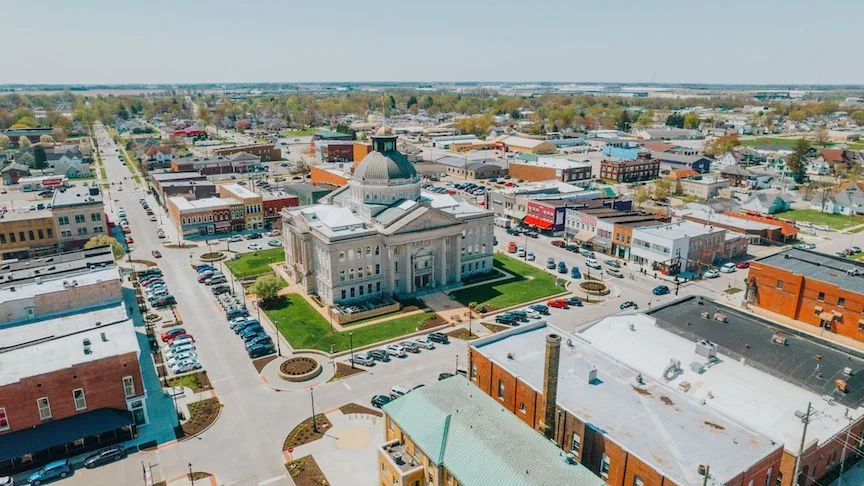
Water spreads through drywall, subfloor, and insulation within minutes, and smoke residues begin etching into surfaces within hours. In Lebanon, Indiana, the speed of the first response often determines whether a property needs drying and cleaning or full reconstruction.
Restoration work covers a connected set of problems that frequently occur together - a burst pipe becomes a flooded basement, a flooded basement becomes a mold colony, and a kitchen fire leaves both smoke residue and water from suppression efforts.
- Water Damage Restoration - extraction, structural drying, moisture mapping, and repair of affected building materials
- Flooded Basement - pump-out, sump and drain evaluation, contents handling, and dehumidification of below-grade spaces
- Sewage Cleanup - removal of contaminated water and porous materials, antimicrobial treatment, and full sanitization
- Fire Damage Restoration - debris removal, structural stabilization, soot cleaning, and rebuild coordination
- Smoke Damage Restoration - odor neutralization, HVAC cleaning, and treatment of walls, textiles, and contents
- Mold Removal - containment, air filtration, removal of colonized materials, and correction of the moisture source
For Lebanon homeowners and business owners, the benefits are practical: less material loss, fewer secondary problems, cleaner indoor air, and documentation that supports an insurance claim from the first day forward.
Common Damage Restoration Issues in Lebanon, Indiana
Boone County's flat terrain, heavy clay soils, and mix of older farmhouses and newer subdivisions create a specific pattern of restoration calls throughout the year.
Frequent Causes
- Spring storms saturating clay soil that drains slowly, pushing groundwater against basement walls
- Sump pump failures or power outages during severe weather
- Frozen and burst supply lines in crawl spaces, garages, and exterior walls during January and February
- Sanitary sewer backups when heavy rain overwhelms municipal lines and older lateral connections
- Failed water heaters, washing machine hoses, dishwasher supply lines, and refrigerator ice makers
- Kitchen grease fires, space heater incidents, chimney and flue problems, and electrical faults in aging panels
- Roof and flashing leaks from wind-driven rain and hail along the I-65 corridor
Warning Signs Worth Acting On
- Musty odors in basements, closets, or near HVAC returns - often the first sign of hidden mold
- Efflorescence, white chalky streaks, or dark staining on block foundation walls
- Cupped hardwood, bubbling paint, or soft baseboards along exterior walls
- Gurgling floor drains or slow-draining fixtures, which can precede a sewage backup
- Persistent smoke odor that returns on humid days after a small fire was cleaned by hand
- Unexplained increases in water usage pointing to a slab or supply-line leak
Any of these signs justify a moisture inspection before damage extends into framing and insulation.
Neighborhoods We Serve in Lebanon
Service covers the full city of Lebanon plus the surrounding Boone County communities that share the same soil, weather, and infrastructure conditions.
- Downtown Lebanon and the historic district around the courthouse square
- Established neighborhoods near Lebanon High School, Central Elementary, and Memorial Park
- Subdivisions along Indianapolis Avenue, Lafayette Avenue, and Ulen
- Newer developments off SR 32, SR 39, and the I-65 exit corridors
- Rural properties, farmsteads, and acreage throughout Center, Perry, and Worth townships
- Nearby communities including Whitestown, Zionsville, Thorntown, Advance, Jamestown, and Sheridan
Commercial and light-industrial buildings near the I-65 logistics corridor are also served, where large-loss water extraction and warehouse drying require different equipment scaling than residential work.
Seasonal Damage Patterns in Lebanon
Restoration needs in central Indiana follow a fairly predictable annual rhythm.
- December through February - Frozen and burst pipes dominate. Fire and smoke damage peaks with furnace use, fireplaces, space heaters, and holiday cooking. Ice dams push meltwater under shingles.
- March through May - The heaviest season for flooded basements and sewage backups as snowmelt combines with spring thunderstorms and saturated clay soil. Sump pumps run continuously and fail.
- June through August - Humidity above 70 percent drives mold growth in basements, crawl spaces, and around HVAC condensate lines. Severe storms bring wind, hail, and roof leaks.
- September through November - Slower storm activity, but the first furnace startup often reveals dirty burners, smoke puffbacks, and soot deposits. Clogged gutters send water toward foundations.
Year-round, appliance and plumbing failures happen without regard to season - and these account for a large share of interior water damage calls in Lebanon homes.
Housing Characteristics & Restoration Considerations
Lebanon's housing stock spans well over a century, and the construction era of a property changes how restoration is approached.
Pre-1950 Homes Near the Square
- Plaster and lath walls that hold moisture longer than drywall and require careful drying to avoid cracking
- Stone or unreinforced block foundations with mortar joints that wick groundwater
- Original hardwood floors that may be salvageable with in-place drying systems
- Potential asbestos-containing materials and lead paint requiring testing before demolition
- Balloon framing that lets smoke and fire travel vertically between floors
Mid-Century and 1970s-1990s Properties
- Poured or block basements with floor drains and early sump systems nearing end of life
- Galvanized or polybutylene supply lines prone to pinhole leaks
- Limited insulation, allowing condensation inside wall cavities
Newer Subdivisions and Builds
- Tight building envelopes that trap moisture and accelerate mold growth after a leak
- Finished basements with carpet, pad, and framed walls that must be opened to dry properly
- Engineered wood flooring and MDF trim that swell quickly and rarely dry back to spec
- Vented crawl spaces where humid summer air condenses on cool ductwork
Documenting construction type, insulation, and finish materials early lets the drying plan match the building rather than forcing a one-size approach.
Environmental Conditions & Damage Implications
Central Indiana's climate and geology shape nearly every restoration project in Lebanon.
Climate
- Roughly 40-plus inches of annual precipitation, much of it in intense spring and summer storms
- Summer dew points regularly in the upper 60s and low 70s, keeping indoor humidity elevated
- Winter freeze-thaw cycles that stress foundation walls, pipes, and roof edges
Soil and Groundwater
- Dense glacial till and clay soils with low permeability, holding water against foundations after rainfall
- Expansive clay that shrinks in drought and swells when wet, opening foundation cracks
- Relatively high seasonal water tables in low-lying areas near Prairie Creek and Sugar Creek drainages
Air and Water Quality
- Hard water with high mineral content, which shortens the life of water heaters and supply fittings
- Agricultural dust and pollen that load HVAC systems and complicate post-fire air scrubbing
- Radon-prone geology, meaning basement work should account for existing mitigation systems
What This Means for Restoration
- Dehumidification must be aggressive - open windows will not dry a Lebanon basement in July
- Mold remediation must correct grading, downspouts, and sump discharge, not just remove growth
- Sewage cleanup requires full removal of porous materials because clay soils keep contamination damp
- Smoke odor lingers longer in humid conditions, making thermal fogging and HVAC cleaning necessary
Working With Insurance and Lebanon's Emergency Response Timeline
Most Lebanon property owners face a restoration emergency only once or twice in a lifetime, and the first few hours involve decisions that affect the claim for months.
What to Do Before Help Arrives
- Make safety the first call - leave the building if there is structural fire damage, active electrical hazards, or standing water near panels.
- Shut off the water main or the affected fixture supply valve if the source is plumbing.
- Photograph and video everything before moving items, including standing water depth and damaged contents.
- Contact your insurance carrier to open a claim and record the claim number.
- Avoid running the HVAC system after a fire or sewage event, which spreads soot and contamination through ductwork.
- Keep receipts for anything purchased during the emergency - many policies reimburse mitigation expenses.
How Restoration and Claims Fit Together
- Moisture readings, thermal imaging, and daily drying logs create the documentation adjusters expect
- Scope of work is written in industry-standard line items that align with carrier estimating software
- Category classification for water losses - clean, gray, or black - determines what can be dried versus removed
- Sewage and flood losses often fall under different policy provisions than plumbing failures, so early clarification matters
- Mold coverage is frequently limited, making prompt drying the best protection against an uncovered loss
Local Response Advantages
Lebanon sits minutes from I-65, which means crews and equipment reach most Boone County addresses quickly even during regional storm events when demand spikes across central Indiana. Twenty-four-hour availability matters most during overnight pipe breaks and weekend sewer backups, when water sits undetected for hours.
Familiarity with local building departments, municipal sewer procedures, and area contractors also shortens the path from emergency mitigation to finished repairs.





