
Damage Restoration in Auburn, IN
- Damage Restoration Services Overview
- Common Damage Restoration Issues in Auburn, Indiana
- Neighborhoods We Serve in Auburn
- Seasonal Damage Patterns in Auburn
- Housing Characteristics & Restoration Considerations
- Environmental Conditions & Damage Implications
- From First Call to Final Rebuild: How Auburn Restoration Projects Unfold
Damage Restoration Services Overview
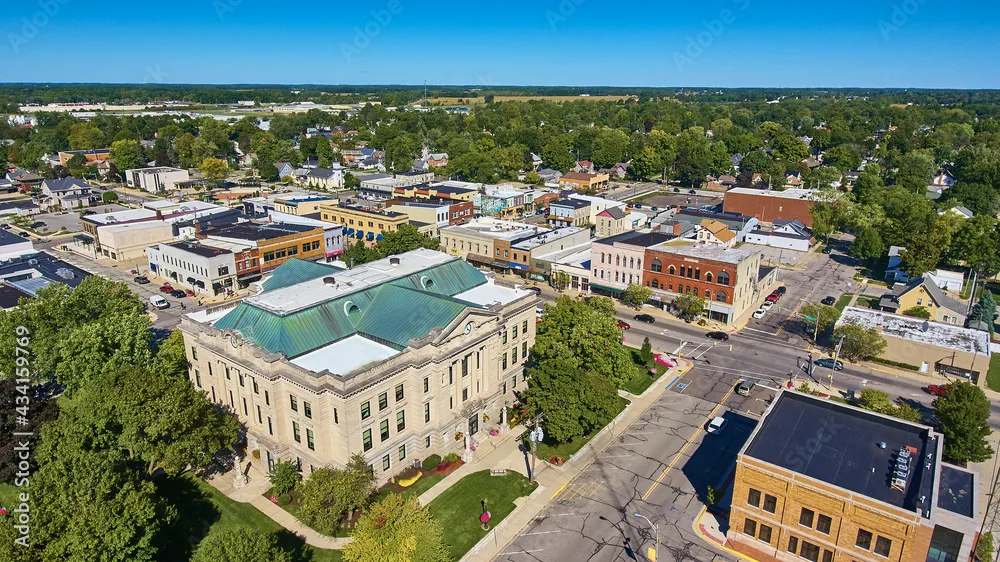
Auburn sits in DeKalb County where a large share of the housing stock predates 1970 - meaning many properties still contain original wood framing, lath-and-plaster walls, and clay or cast-iron sewer laterals that behave very differently during a loss than modern construction does. That mix of historic character and newer subdivision growth shapes every restoration project in the "Home of the Classics."
Our crews respond around the clock to the full range of property emergencies affecting Auburn homes and businesses:
- Water Damage Restoration - burst supply lines, failed water heaters, roof leaks, and appliance overflows extracted and dried before materials swell or delaminate
- Flooded Basement - sump pump failures and groundwater intrusion pumped out, with contents triaged and foundation walls dried
- Sewage Cleanup - Category 3 backups removed under containment, with antimicrobial treatment of every affected surface
- Fire Damage Restoration - structural inspection, documented losses for insurers, controlled demolition, and rebuild
- Smoke Damage Restoration - soot removal from framing cavities, HVAC systems, textiles, and hard surfaces plus odor neutralization
- Mold Removal - containment, HEPA filtration, removal of colonized materials, and moisture-source correction
Acting quickly limits secondary damage, protects indoor air quality, and keeps repair scope from expanding room by room.
Common Damage Restoration Issues in Auburn, Indiana
Northeast Indiana's freeze-thaw cycles, heavy clay soils, and aging municipal infrastructure combine to create predictable failure points across Auburn properties.
What Causes Damage Locally
- Frozen and burst pipes in uninsulated crawl spaces, garage walls, and older exterior wall cavities
- Hydrostatic pressure pushing groundwater through foundation cracks and cove joints after spring thaw
- Sump pump failure during power outages from summer thunderstorms and winter ice events
- Combined or undersized sewer laterals that surcharge during heavy rainfall, forcing wastewater into floor drains
- Electrical faults and chimney issues in older homes where wiring and flues have outlived their intended service life
- Balloon framing in pre-code homes, which lets flames and smoke travel vertically between floors with little resistance
Warning Signs Auburn Property Owners Should Watch For
- Musty or earthy odors in basements, closets, or near HVAC returns
- Staining, bubbling paint, or chalky efflorescence on foundation walls
- Floor drains that gurgle or drain slowly when laundry runs
- Cupping hardwood or soft spots in subfloor near dishwashers and refrigerators
- Persistent smoke odor that intensifies with humidity or when the furnace runs
- Visible discoloration on drywall behind furniture placed against exterior walls
Catching these signals early usually means targeted drying or cleaning instead of full material replacement - a meaningful difference in both disruption and claim size.
Neighborhoods We Serve in Auburn
Our response teams cover the entire city and the surrounding DeKalb County communities, adjusting our approach to each area's construction era and drainage profile.
- Downtown Auburn and the Courthouse Square district - historic masonry commercial buildings and upper-floor apartments
- The historic residential streets near Cedar Creek - century-old homes with plaster, wood lath, and stone foundations
- North Auburn near the county fairgrounds and DeKalb High School corridor
- South Auburn along the SR 8 and I-69 interchange - mixed residential and light commercial
- Newer subdivisions on the west and northeast edges - poured-wall basements and engineered floor systems
- Surrounding communities - Waterloo, Garrett, Butler, Corunna, Avilla, Kendallville, and rural DeKalb County properties on private wells and septic
Local crews mean shorter drive times, familiarity with area code officials, and firsthand knowledge of which streets historically see the worst storm runoff.
Seasonal Damage Patterns in Auburn
Damage in Auburn follows a fairly reliable calendar, and knowing the pattern helps property owners prepare before the phone call becomes urgent.
- December - February: Peak season for frozen and burst pipes, ice dam leaks along eaves, and heating-related fires. Space heaters, wood stoves, and overloaded circuits drive most winter smoke damage calls.
- March - April: Snowmelt over saturated clay soil produces the year's heaviest flooded basement volume, along with sump pump burnouts and sewer backups when Cedar Creek runs high.
- May - June: Severe thunderstorms and straight-line winds bring roof leaks, wind-driven rain intrusion, and outage-related pump failures. Lightning strikes account for a portion of structure fires.
- July - August: High humidity turns unresolved spring moisture into visible mold growth. Condensation on ductwork and cool basement walls fuels colonization behind finished walls.
- September - October: Grilling, fire pits, and the first furnace runs of the season produce smoke odor complaints and occasional flue fires.
- November: Outdoor spigots left connected and irrigation lines not blown out lead to early freeze damage.
We staff for these peaks so response times hold steady even during regional weather events.
Housing Characteristics & Restoration Considerations
Auburn's building stock spans roughly 130 years, and each construction era changes how water, smoke, and mold behave inside the structure.
Pre-1940 Homes
- Lath-and-plaster walls hold water far longer than drywall and can be salvaged with injection drying rather than demolition
- Balloon framing creates open vertical chases - fire, smoke, and moisture migrate between floors quickly
- Stone or unreinforced block foundations wick groundwater through mortar joints
- Knob-and-tube remnants and original chimney flues raise fire risk
- Potential for asbestos-containing materials and lead paint, which requires testing before demolition
Mid-Century Homes (1940s - 1970s)
- Block basements with finished paneling that traps moisture behind the surface
- Cast-iron and clay sewer laterals prone to root intrusion and backups
- Original hardwood over plank subfloor that cups quickly but often refinishes well
Newer Construction (1990s - Present)
- Poured concrete walls and drain tile that perform well until the sump pump fails
- Engineered I-joists and OSB sheathing that lose strength faster than dimensional lumber when saturated or fire-exposed
- Tight building envelopes that hold humidity and smoke odor unless the HVAC system is cleaned
Every project starts with moisture mapping, thermal imaging, and material identification so drying and demolition decisions match what is actually behind the wall.
Environmental Conditions & Damage Implications
Local climate and ground conditions have a direct effect on how quickly a small loss becomes a large one.
Climate and Humidity
- Auburn averages roughly 38 inches of precipitation annually, with spring the wettest stretch
- Summer dew points regularly climb into the upper 60s, pushing indoor relative humidity above the 60 percent threshold where mold colonizes
- Winter lows well below freezing create dozens of freeze-thaw cycles that open foundation and mortar cracks each year
Soil and Groundwater
- Glacial till and heavy clay soils drain slowly and hold water against foundation walls
- Expansive clay shifts seasonally, stressing footings and creating cove-joint seepage
- Relatively high water tables in low-lying areas near Cedar Creek keep sump systems cycling for weeks after storms
Water and Air Quality Factors
- Hard water and mineral content accelerate corrosion in older galvanized supply lines
- Rural properties on septic systems face contamination risk when drain fields saturate
- Soot particles from a fire remain airborne and acidic, etching glass, metal, and finishes within days if not addressed
We control these variables directly on site - dehumidification to specified grain-depression targets, HEPA air scrubbing during mold and fire work, and negative-pressure containment for sewage cleanup so contaminants never spread into clean areas of the building.
From First Call to Final Rebuild: How Auburn Restoration Projects Unfold
Property owners rarely deal with just one type of damage. A basement flood becomes a mold problem. A kitchen fire leaves smoke odor plus water from suppression efforts. Handling the entire sequence under one roof prevents the gaps that occur when separate contractors hand work back and forth.
Our Start-to-Finish Process
- Emergency response - crews dispatched 24/7 from the local area to stop the source and stabilize the property
- Inspection and documentation - moisture meters, thermal imaging, and photo documentation of every affected material for the insurance file
- Containment and safety - negative air, HEPA filtration, and barriers before any demolition begins, with testing for asbestos or lead in older Auburn homes
- Extraction and removal - standing water pumped, contaminated materials removed, charred framing evaluated for structural integrity
- Cleaning and decontamination - antimicrobial application, soot removal from framing and HVAC, contents cleaning and pack-out when needed
- Structural drying - air movers and low-grain refrigerant dehumidifiers monitored daily until materials return to dry standard
- Odor neutralization - thermal fogging, hydroxyl or ozone treatment, and sealing of framing where smoke penetrated
- Reconstruction - framing, drywall, flooring, trim, and paint matched to the original character of the home
- Final walkthrough - verification readings, clearance testing where appropriate, and a completed file for your adjuster
Why It Matters for Auburn Owners
- One point of contact from the first phone call through the last coat of paint
- Direct insurance coordination with photos, moisture logs, and line-item scope
- Crews experienced with historic plaster, original millwork, and period-appropriate repairs
- Financing options available so repairs are not delayed by deductible timing
Call anytime for emergency response or to schedule a property walkthrough.





