
Damage Restoration in Pelham Manor, NY
- Damage Restoration Services Overview
- Common Damage Restoration Issues in Pelham Manor, New York
- Neighborhoods We Serve in Pelham Manor
- Seasonal Damage Patterns in Pelham Manor
- Housing Characteristics & Restoration Considerations
- Environmental Conditions & Damage Implications
- Historic Preservation and Modern Restoration Techniques
Damage Restoration Services Overview
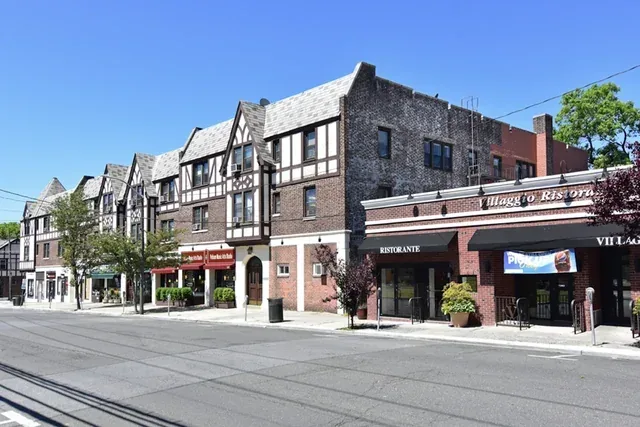
When disaster strikes your Pelham Manor property, immediate action can mean the difference between minor repairs and major reconstruction. Water intrusion, fire damage, and contamination spread rapidly, causing exponential damage with each passing hour.
Our comprehensive restoration services address every type of property damage common to Westchester County homes and businesses:
- Water Damage Restoration - From burst pipes to storm flooding, we extract water and restore affected areas
- Flooded Basement - Specialized equipment removes standing water and prevents structural damage
- Sewage Cleanup - Safe removal and sanitization of contaminated water and materials
- Fire Damage Restoration - Complete cleanup from flames, heat, and structural damage
- Smoke Damage Restoration - Odor elimination and soot removal from all surfaces
- Mold Removal - Professional remediation preventing health risks and property damage
IICRC-certified technicians respond 24/7 to Pelham Manor emergencies with advanced equipment and proven techniques. Our local expertise ensures rapid response times and understanding of regional building codes and insurance requirements.
Common Damage Restoration Issues in Pelham Manor, New York
Pelham Manor's location near the Hutchinson River and Long Island Sound creates unique restoration challenges. The village's mature tree canopy and aging infrastructure contribute to specific damage patterns throughout the year.
Most frequent restoration issues include:
- Basement flooding from storm surge and overwhelmed drainage systems
- Pipe bursts in older homes during winter freeze-thaw cycles
- Sewage backups when heavy rains overwhelm municipal systems
- Fire damage from electrical issues in vintage wiring systems
- Smoke infiltration affecting multiple rooms through interconnected spaces
- Mold growth in humid conditions common near waterways
Warning signs requiring immediate attention:
- Standing water in basements or crawl spaces
- Musty odors indicating hidden moisture or mold
- Discolored walls or ceilings from water intrusion
- Persistent smoke smells after cooking incidents
- Visible soot on walls or furnishings
- Sewage odors from drains or toilets
The village's proximity to major highways also increases fire risks from vehicle accidents, while dense residential development can accelerate smoke and fire spread between properties.
Neighborhoods We Serve in Pelham Manor
Our restoration teams provide comprehensive coverage throughout Pelham Manor's distinct residential areas and surrounding communities.
Primary service areas include:
- Pelham Manor Village Center - Historic homes and commercial properties
- Shore Road District - Waterfront properties with unique flooding risks
- Pelhamdale - Mid-century homes with specific restoration needs
- Colonial Heights - Established neighborhood with mature infrastructure
- Esplanade - Luxury properties requiring specialized restoration techniques
Extended service coverage reaches:
- New Rochelle (adjacent city)
- Pelham (neighboring village)
- Eastchester (nearby town)
- Mount Vernon (bordering community)
Our local presence allows rapid response to any address within these service zones, with equipment staging areas strategically positioned for maximum efficiency during emergency situations.
Seasonal Damage Patterns in Pelham Manor
Pelham Manor experiences distinct seasonal damage patterns requiring specialized restoration approaches throughout the year.
Winter (December-February):
- Frozen pipe bursts peak during cold snaps
- Ice dam formation causes roof leaks and water damage
- Increased fire risks from heating system malfunctions
- Basement flooding from snow melt and frozen ground
Spring (March-May):
- Heavy rainfall overwhelms aging drainage systems
- Mold growth accelerates in humid conditions
- Sewage backups increase during storm events
- Foundation water intrusion from saturated soil
Summer (June-August):
- Severe thunderstorms cause flooding and electrical fires
- High humidity promotes mold development
- Air conditioning failures lead to moisture problems
- Smoke damage from outdoor cooking incidents
Fall (September-November):
- Hurricane season brings major flooding risks
- Leaf accumulation clogs drainage systems
- Heating system startup creates fire hazards
- Basement moisture increases as temperatures drop
Housing Characteristics & Restoration Considerations
Pelham Manor's housing stock presents unique restoration challenges based on construction era and architectural styles. The village features predominantly single-family homes built between 1920-1960, with many properties exceeding 80 years of age.
Common construction characteristics affecting restoration:
- Tudor and Colonial Revival styles - Complex rooflines create water intrusion points
- Stone and brick exteriors - Require specialized fire damage cleaning techniques
- Plaster walls - More susceptible to water damage than modern drywall
- Hardwood flooring - Needs careful water extraction to prevent warping
- Basement foundations - Stone and concrete prone to water seepage
- Original electrical systems - Higher fire risks requiring careful assessment
Restoration considerations by housing type:
- Pre-war homes - Often lack vapor barriers, increasing mold risks
- Post-war construction - May contain asbestos requiring specialized handling
- Luxury properties - Custom finishes need expert restoration techniques
- Waterfront homes - Face increased flooding and humidity challenges
The village's historic character requires restoration methods that preserve architectural integrity while meeting modern safety standards. Many properties feature irreplaceable materials demanding specialized cleaning and restoration techniques.
Environmental Conditions & Damage Implications
Pelham Manor's environmental conditions significantly influence damage patterns and restoration requirements. The village's coastal proximity creates a humid subtropical climate with specific challenges for property restoration.
Climate factors affecting restoration needs:
- High humidity levels - Average 65-75% promotes mold growth year-round
- Temperature fluctuations - Freeze-thaw cycles stress building materials
- Precipitation patterns - 45+ inches annually creates persistent moisture issues
- Storm surge risks - Proximity to water increases flooding potential
Soil and water conditions impact restoration:
- Clay-rich soil - Poor drainage increases basement flooding risks
- High water table - Complicates sewage cleanup and foundation drying
- Salt air exposure - Accelerates corrosion and material degradation
- Groundwater contamination risks - Require specialized testing during restoration
Air quality considerations:
- Dense tree coverage traps moisture and reduces air circulation
- Highway proximity increases particulate contamination after fires
- Seasonal pollen loads complicate air filtration during restoration
- Urban heat island effects intensify summer humidity problems
These environmental factors require specialized equipment and techniques for effective restoration, including enhanced dehumidification, air filtration, and moisture monitoring systems.
Historic Preservation and Modern Restoration Techniques
Pelham Manor's designation as a historic village creates unique restoration challenges requiring specialized expertise in preserving architectural heritage while addressing modern damage restoration needs. Many properties date to the early 20th century, featuring irreplaceable materials and craftsmanship that demand careful restoration approaches.
Historic preservation considerations for damage restoration:
- Original hardwood floors - Require specialized drying techniques to prevent warping during water damage restoration
- Plaster and horsehair walls - Need gentle cleaning methods for smoke damage removal
- Period lighting fixtures - Demand expert handling during fire damage cleanup
- Decorative millwork - Requires careful mold remediation to preserve intricate details
- Stone foundations - Need specialized waterproofing after basement flooding
- Original windows - Require restoration rather than replacement after damage
Modern restoration techniques adapted for historic properties:
- Low-moisture extraction methods protect delicate flooring materials
- Specialized antimicrobial treatments safe for historic surfaces
- Advanced air filtration systems remove smoke odors without damage
- Controlled environment drying prevents material stress and cracking
- Documentation photography preserves restoration process for insurance
Our restoration teams work closely with historic preservation specialists and local building departments to maintain Pelham Manor's architectural character. This collaborative approach ensures all restoration work meets both modern safety standards and historic preservation guidelines, protecting property values while addressing immediate damage concerns.
The village's active historical society and architectural review board provide additional resources for property owners seeking restoration guidance that respects the community's historic character while addressing urgent damage restoration needs.





